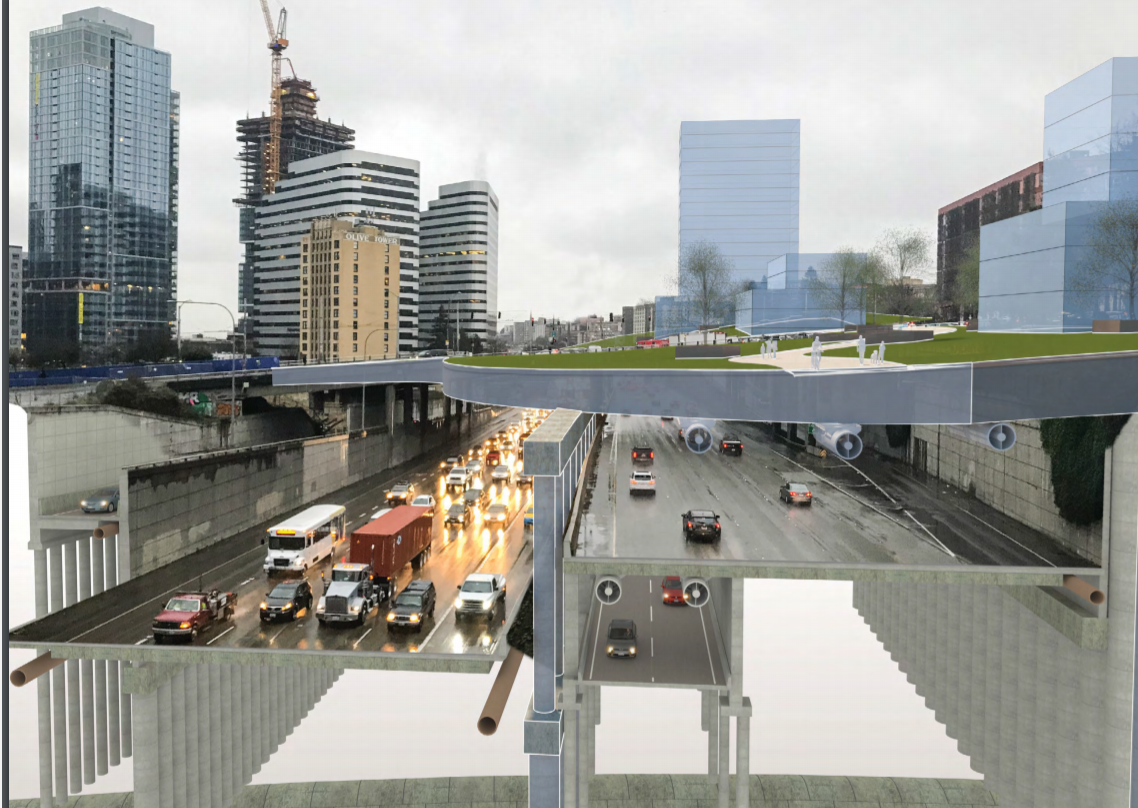
The City of Seattle may have quietly released its Lid I-5 feasibility report late last year, but the results trumpet the benefits of lidding freeways in urban environments. Inspired by advocacy from Lid I-5 Seattle and bolstered by the $1.5 million lined up through the public benefits package from the $1.9 billion Washington State Convention Center (WSCC) Addition, the Office of Planning and Community Development (OPCD) commissioned the feasibility study, employing WSP as the consultant.
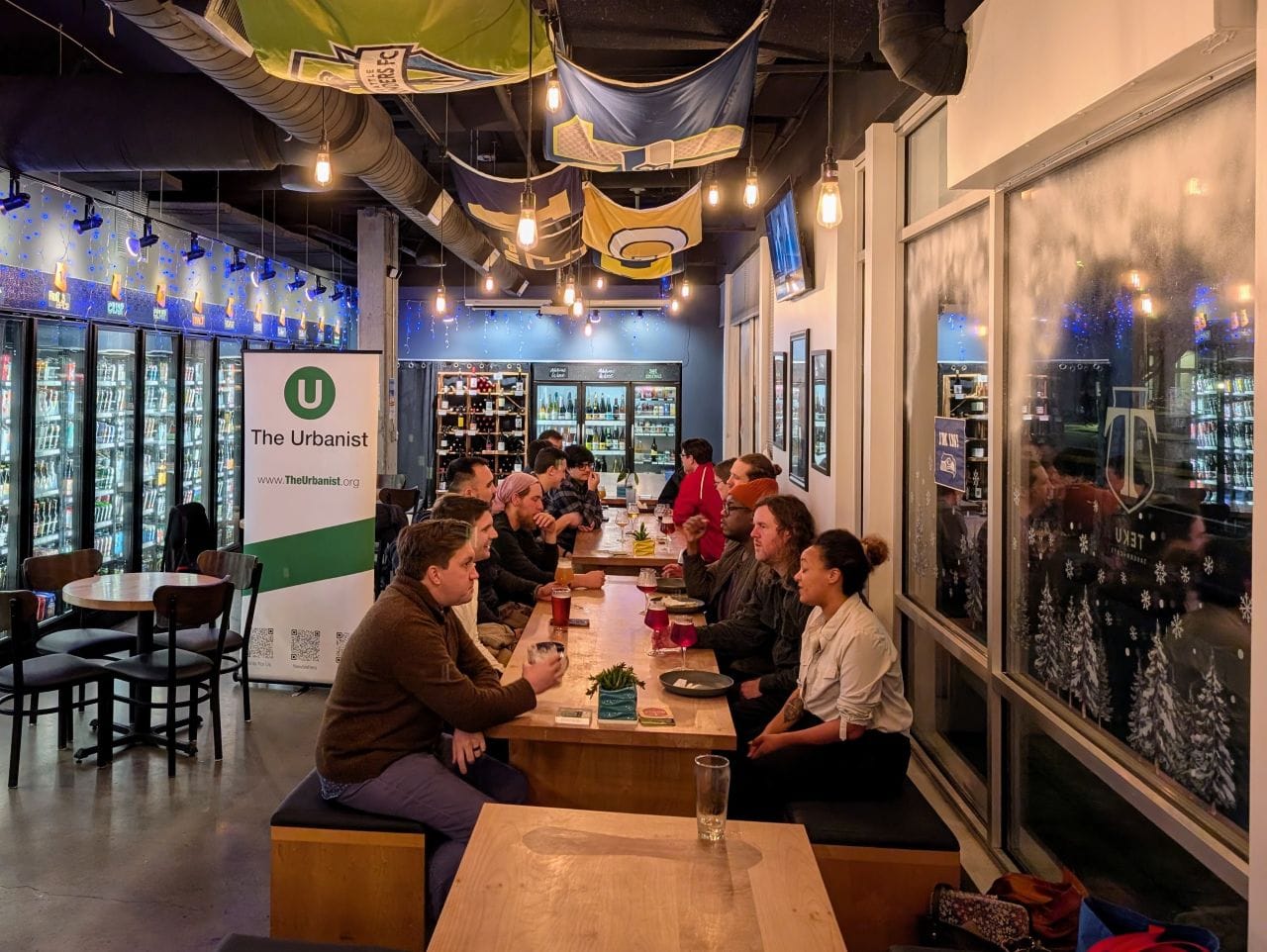
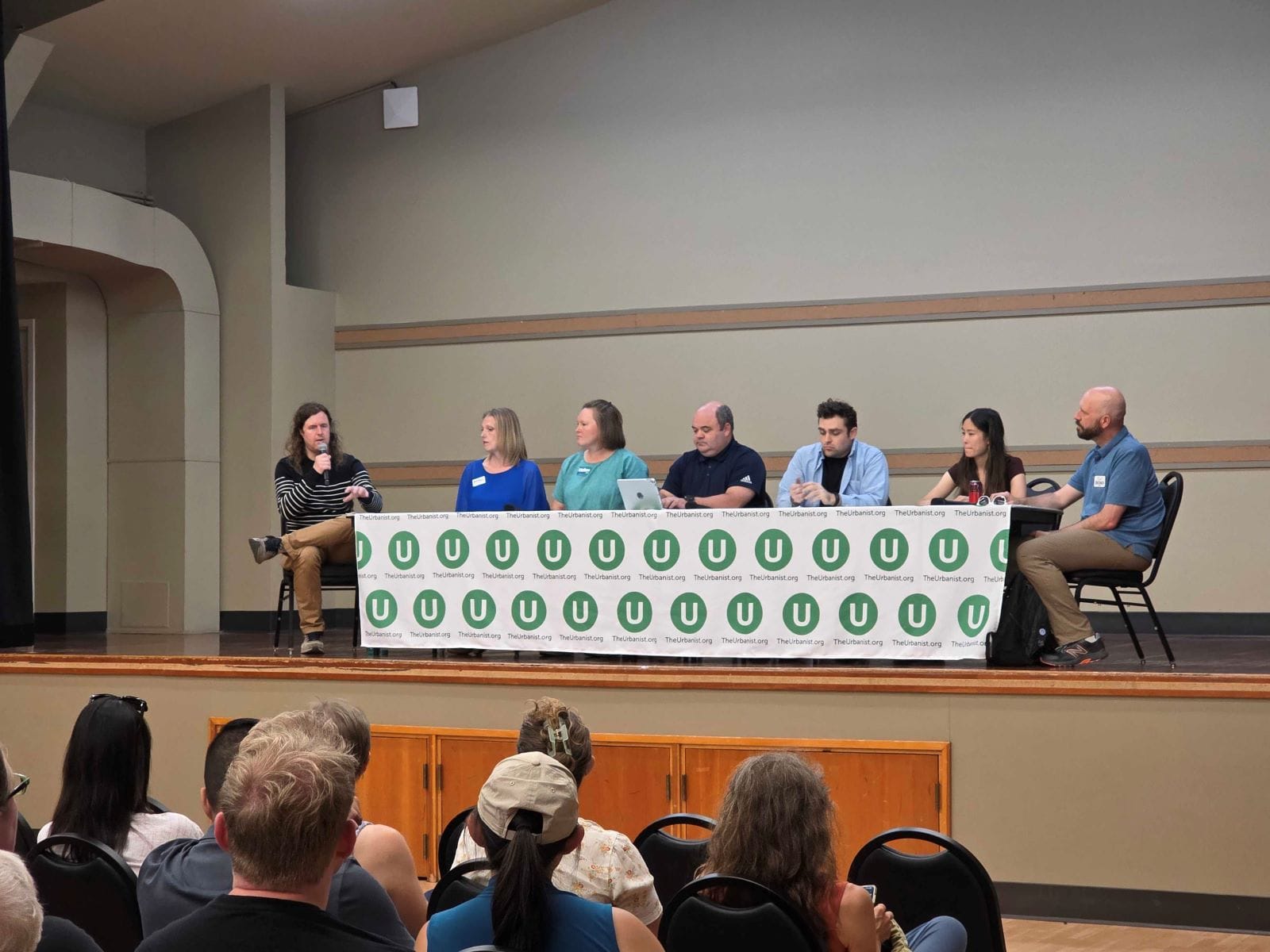
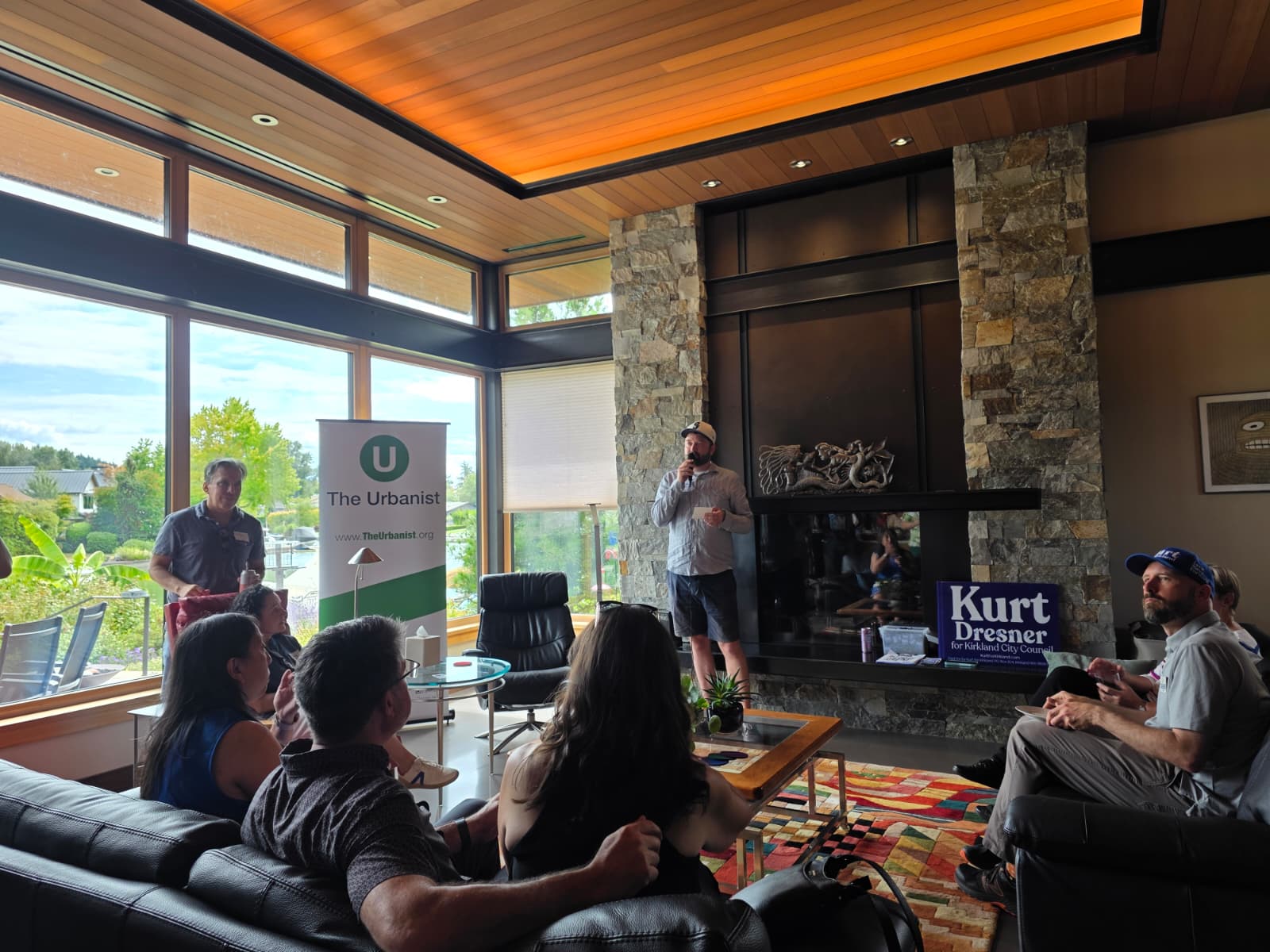
We had Lid I-5’s Scott Bonjukian and Natalie Bicknell as our January meetup guests. Both have connections to The Urbanist as Bicknell is our senior reporter and Bonjukian was our former events and programming director who also wrote about lids extensively. Bonjukian summarized the study, and highlighted some key nuggets in his visual presentation, which you can see for yourself in our recording.
If you were worried the financial crisis at the WSCC could imperil the lid project, have no fear: Bonjukian said the $1.5 million for the lid study had already been disbursed so there wouldn’t be direct impact. The partially completed WSCC Addition does border the proposed lid area.
I’ve adapted Bonjukian’s presentation and my own perusal of the 150-page study into eight takeaways.
The lid could support a new 10 acre public park
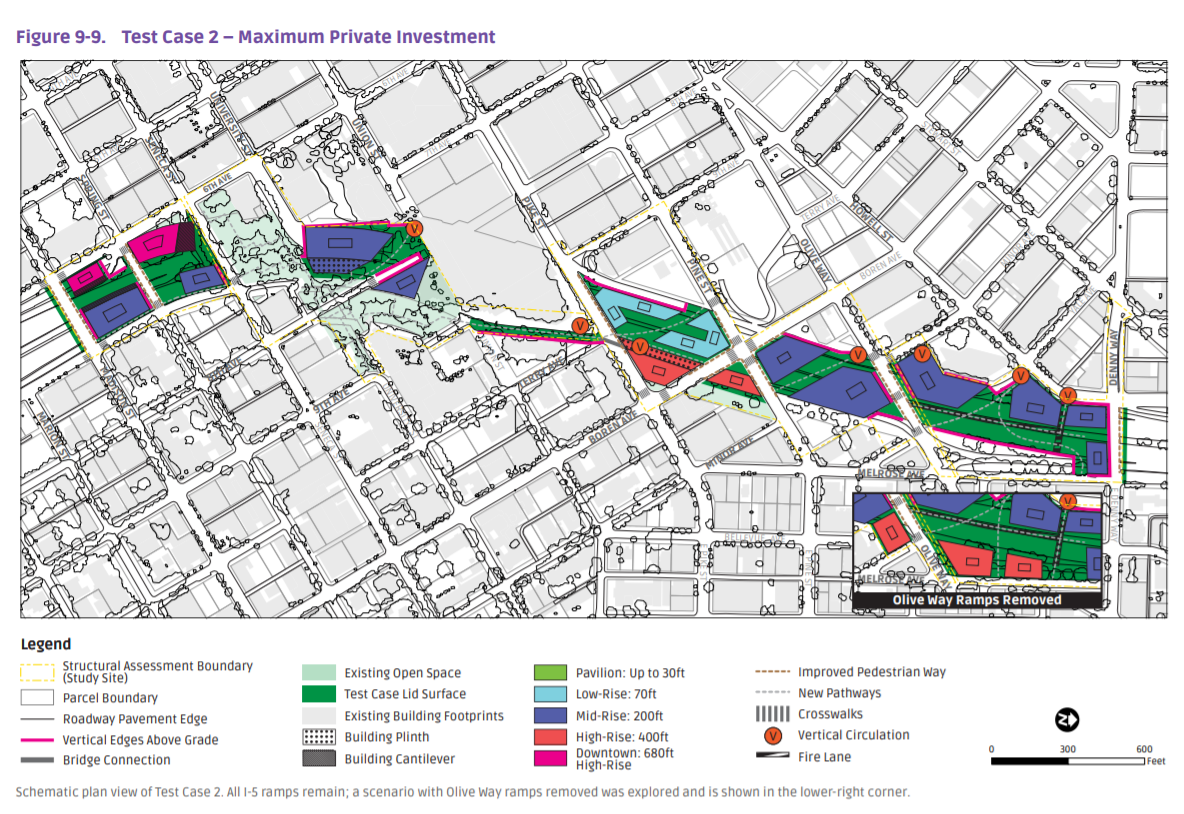
The test area was 17 acres stretching from Madison Street to Denny Way. Of that area, the study found that between 2.5 and 9.8 acres could be converted to new public park space. But that depends on the objectives of the project; the study looks at three test cases. Test Case 1 looked to minimize cost by not lidding the most challenging and difficult sites and focusing on public park space. Test Case 2 looked at the scenario of creating the most density and leveraging the most private investment. Test Case 3 was a hybrid seeking a balance of civic and private uses.
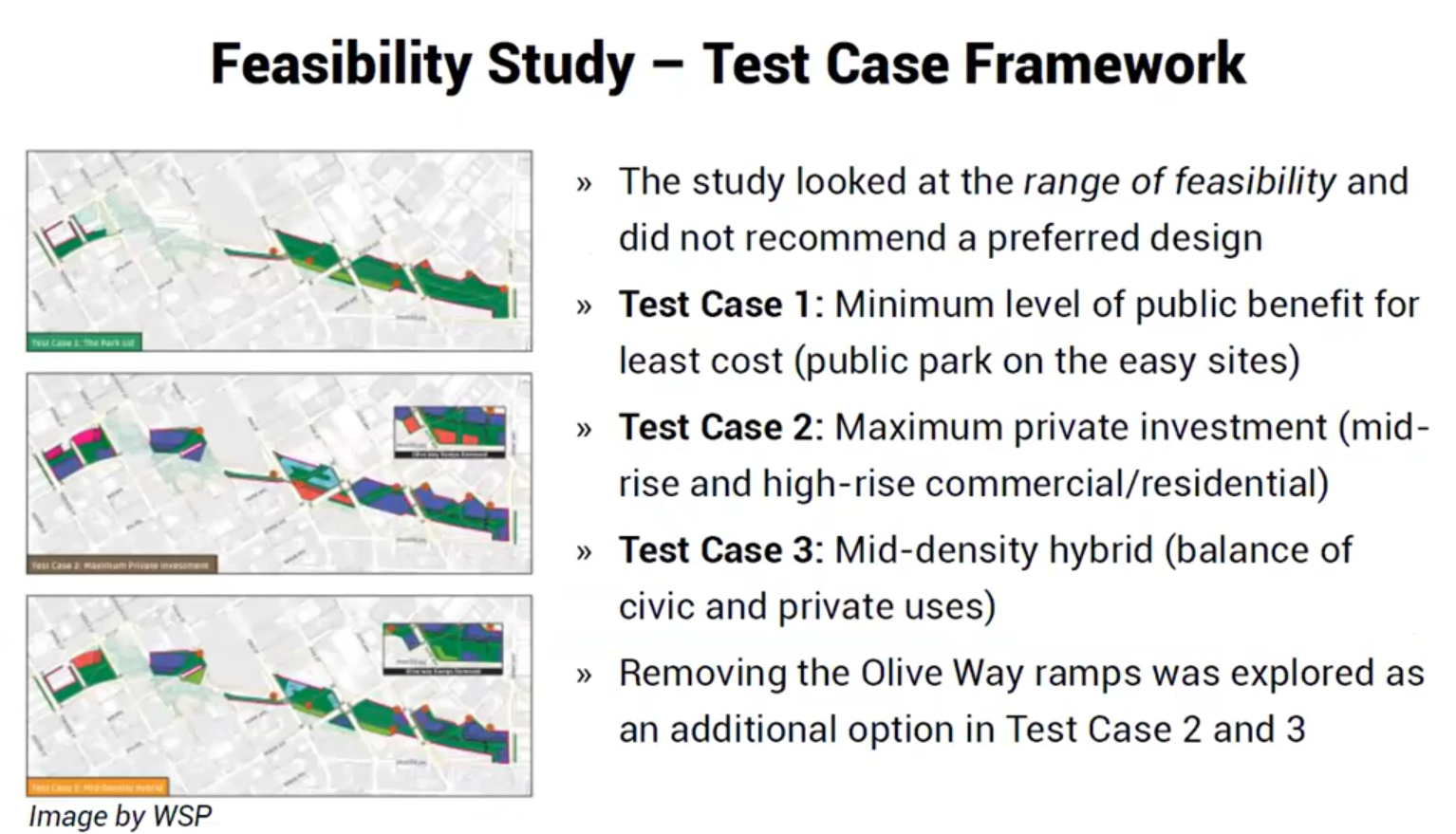
This could solve a major gap in park and open space access, since Downtown and First Hill sorely lack a major park, particularly in a central location. Seattle does not really have the equivalent of Grant Park in Chicago, but the lid park could serve that role.
Room for 4,500 homes
WSP did some structural engineering analysis to determine how much development could go atop the lid, and, while each section is different, the short answer is a lot. Bicknell’s 2019 article on earlier lid feasibility research had hinted midrise and some highrise development was possible. The final report estimated up to 4.7 million square feet of new housing is feasible–enough space for 4,500 homes–and between two and five million square feet of commercial/office space. WSP also estimated that Test Case 2, though driven by private development, would pay $150 million to $215 million in the City’s affordable housing trust fund via Mandatory Housing Affordability (MHA) payments. Test Case 3, on the other hand, set the target at 40% rent-restricted social housing on-site.
Reconnecting the street grid
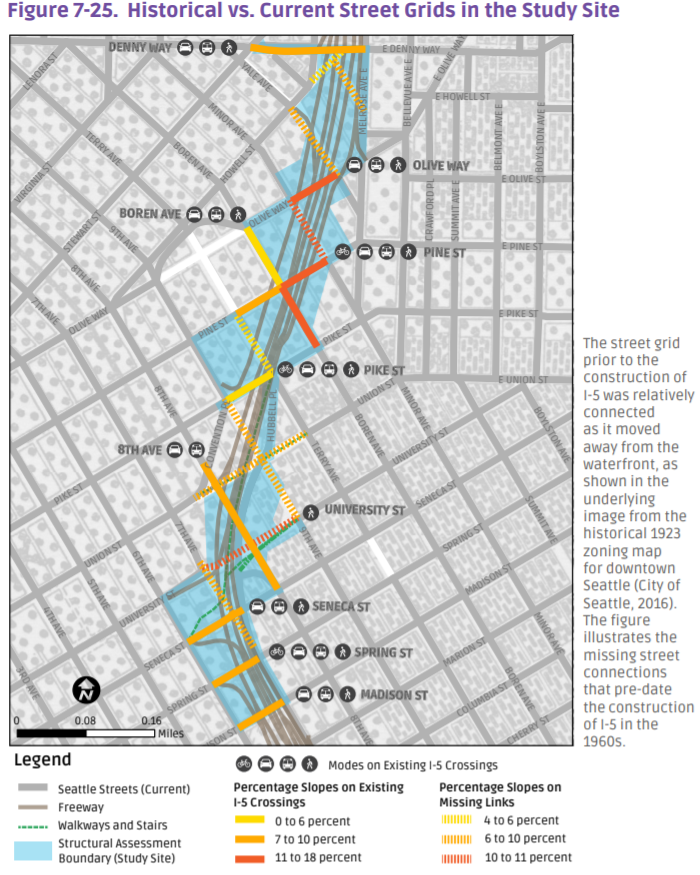
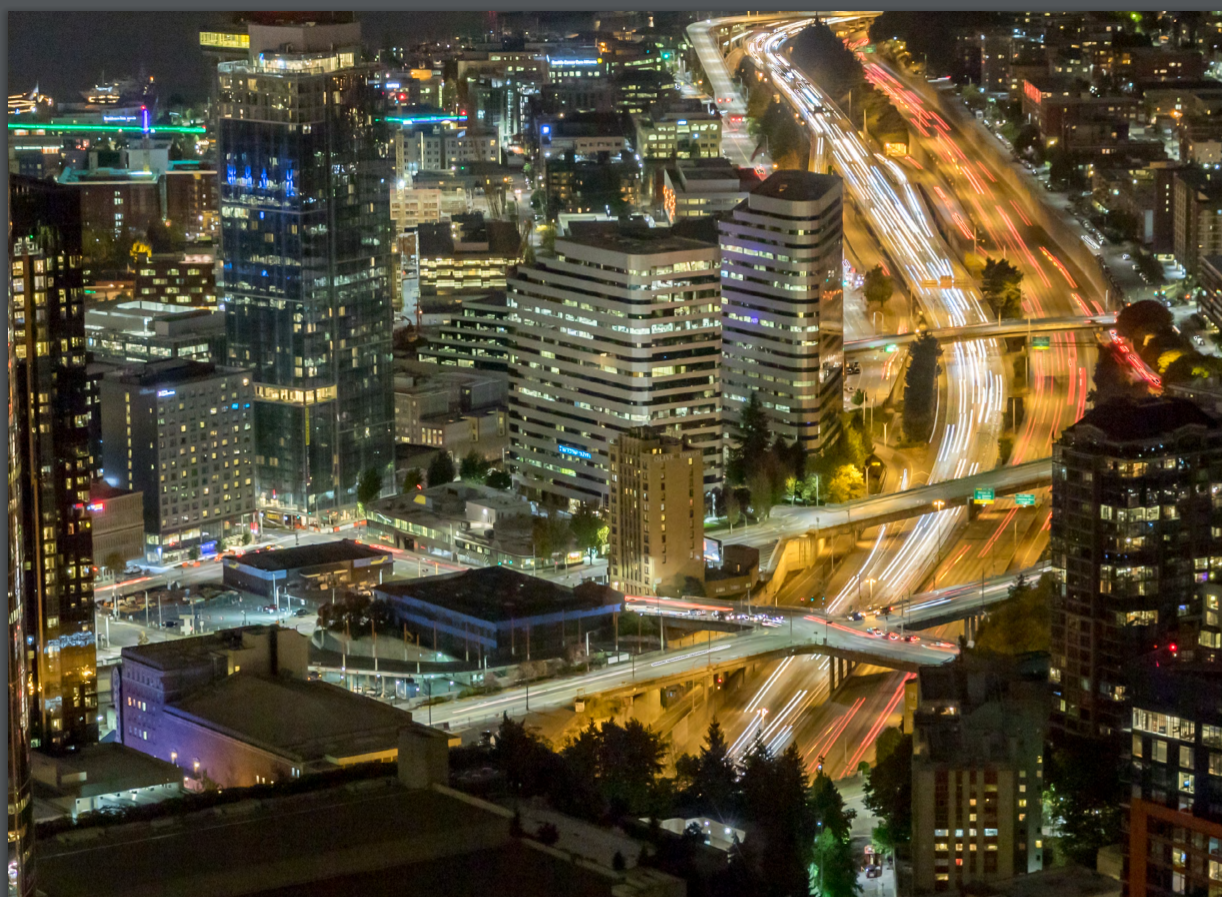
The lid could erase the street grid damage from plowing I-5 through in the first place. The damage to mobility downtown is massive. People walking and biking must detour rather than stay on their desire lines. Congestion abounds from the reduction in through streets mixed with the injection of traffic from a busy freeway (average daily traffic of about 270,000) with several on- and off-ramps in the vicinity. Reconnecting streets like Union and Howell and avenues like 7th, 9th, Terry, Minor, and Yale could make it much easier to get between First Hill or Capitol Hill and Downtown. Ideally we wouldn’t be adding much car space, but dedicated bike, pedestrian, and transit space could much improve mobility in the area.
Reducing noise pollution
A lid would dampen noise in area severely afflicted with noise pollution. “Ambient noise over 66 decibels qualifies as an affected area,” the study notes. “An environmental impact statement for a project in the corridor showed that existing noise levels at 10 short-term monitoring sites ranged from 70 to 78 decibels, depending on the proximity to I-5 and side streets in the area (WSDOT, 2020). A lid would act as a noise barrier in cases where it would interrupt the line of sight between a noise source (I-5) and a receiver (FHWA, 1974), and the noise reduction would depend on the material, size, and location.”
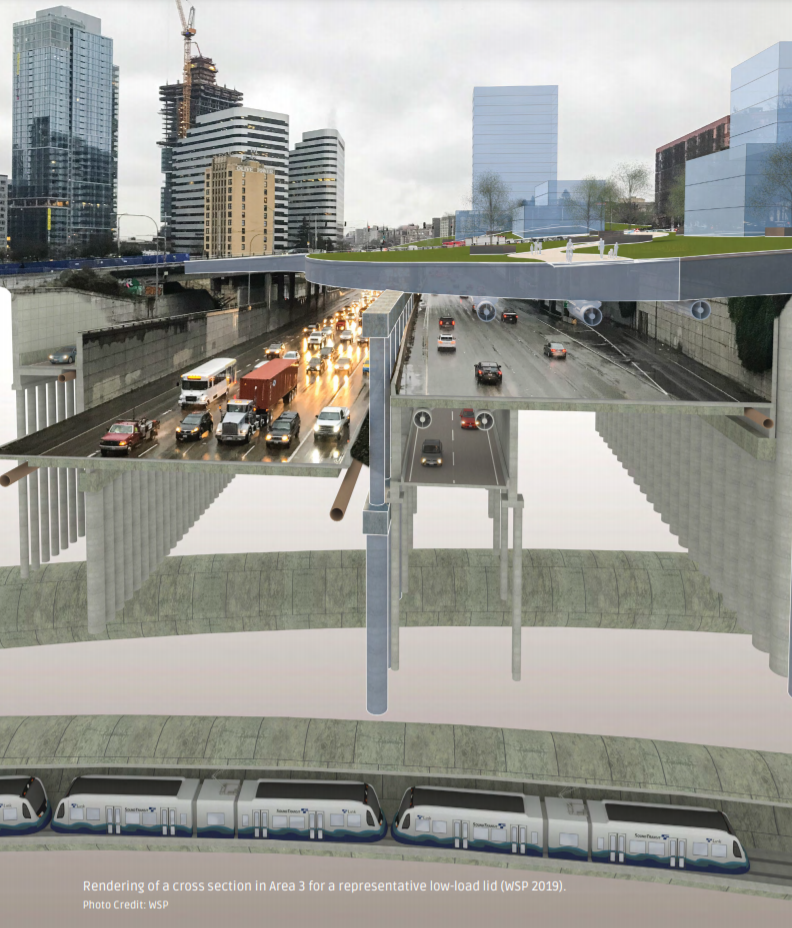
In other words, since I-5 went in during the 1960s and displaced about 30,000 Seattle residents, the neighbors remaining next to the freeway have suffered from noise pollution basically continuously ever since–the price of “progress” in a car-centric culture that waives off any social costs of car-centric mobility. The noise and polluted stench makes it miserable for people passing through, too–anyone who has walked, rolled, or biked the overpasses over the freeway can attest to how infernally loud and unpleasant it is. A lid could heal some of that scar, and there isn’t much else up to the task, short of freeway removal. Unfortunately, when electric cars are operating at highway speeds, they are pretty much just as loud as combustion engine cars.
Reducing stormwater pollution
One finding that surprised me was how much a lid would help with stormwater and runoff management. “Approximately 30 percent of the Capitol Hill basin runoff could be treated or retained on the lid, reducing runoff and pollution to the waterways and reducing excess demand of the existing infrastructure and sewer system,” WSP said in the report. “An I-5 lid project could also explore the opportunity to treat currently untreated runoff from I-5 itself.” With recent revelations of how much salmon and other aquatic life are suffering from roadway runoff due to tire particles and other toxic compounds that leach into the water, this could be a huge environmental benefit.