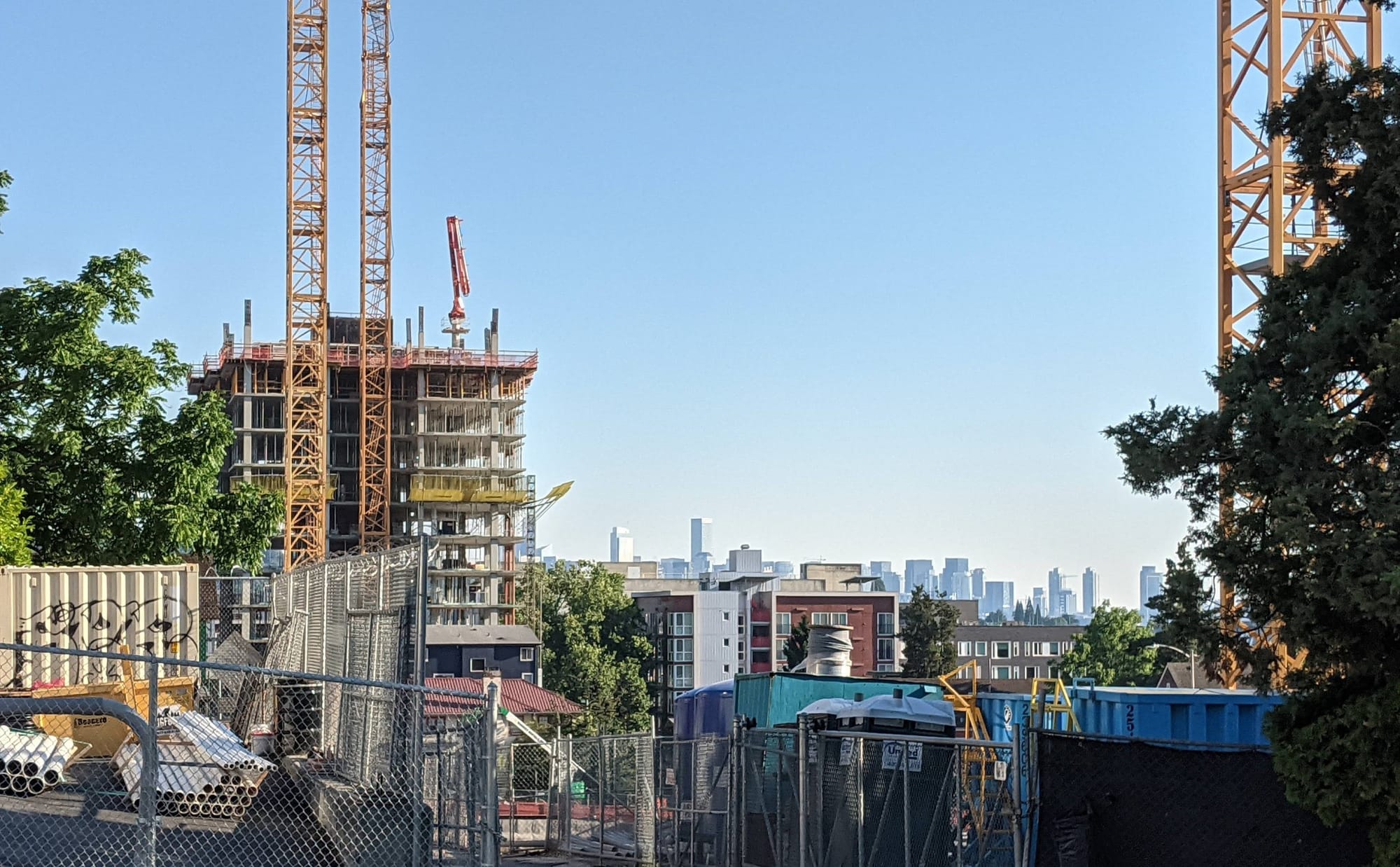
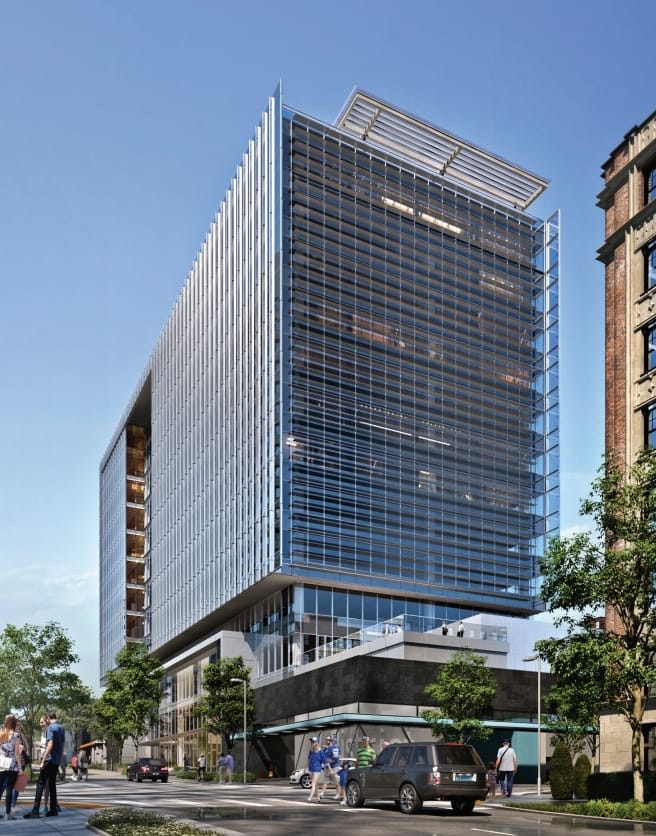
When we last covered highrise development in the U District, there were only eight highrise projects somewhere along the permitting and construction process. That number has doubled. Even if we exclude the projects that have seemingly stalled, quite the skyline is starting to potentially form north of the Ship Canal. Most recently, The M Seattle has joined the old Husky Tower, University Plaza Condominiums, and Graduate Seattle (Formerly the Hotel Deca). Several other towers are under construction.
The development is only possible because of the 2017 Mandatory Housing Affordability (MHA) rezoning process that reintroduced the ability to construct towers in the U District. This updated zoning allows highrises between NE 50th St and the Burke-Gilman Trail, within a narrow column of blocks that also extends to I-5 with NE 45th St. The following 2017 update extended highrise zoning into University of Washington’s West Campus, all the way down to Portage Bay.
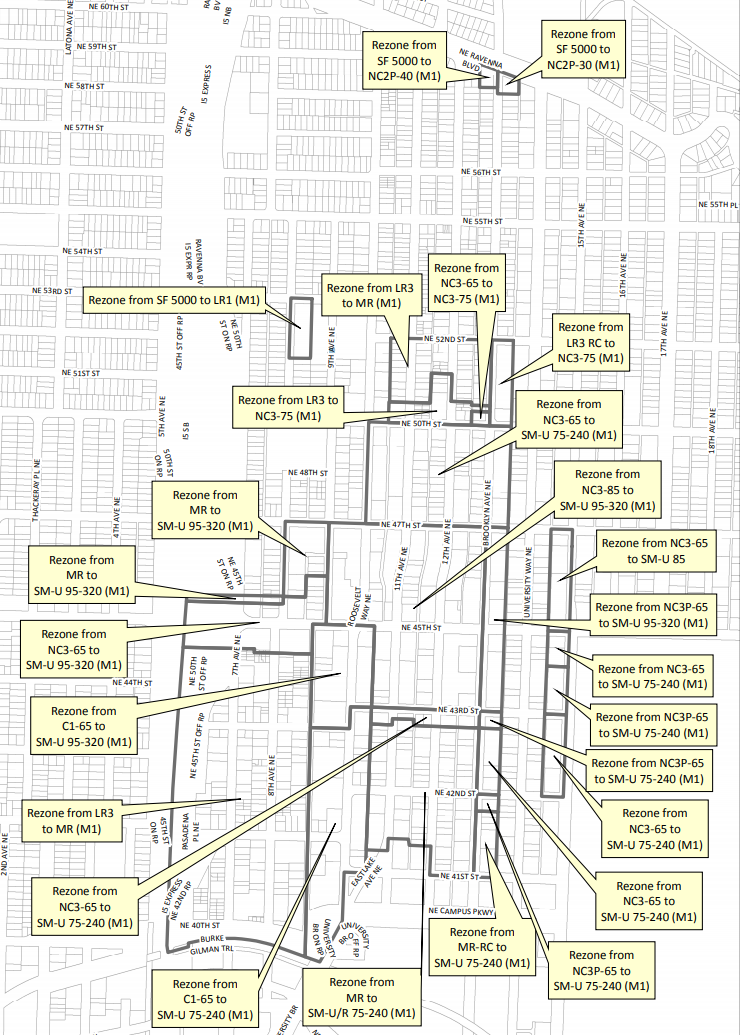
This article will cover all the highrise development and permitting that is going on in the U District, encompassing all the development south of NE 47th St that has happened during or after 2019. The M is barely above NE 47th St, but it’s being included because it’s the only tower to have been planned or built in the tiny chunk of highrise zoning above NE 47th St. Given the sheer amount of projects in the area, we’ll start with projects between The M and NE 45th St — the widest and most liberalized band of blocks in the neighborhood.
Highrise and others above 45th
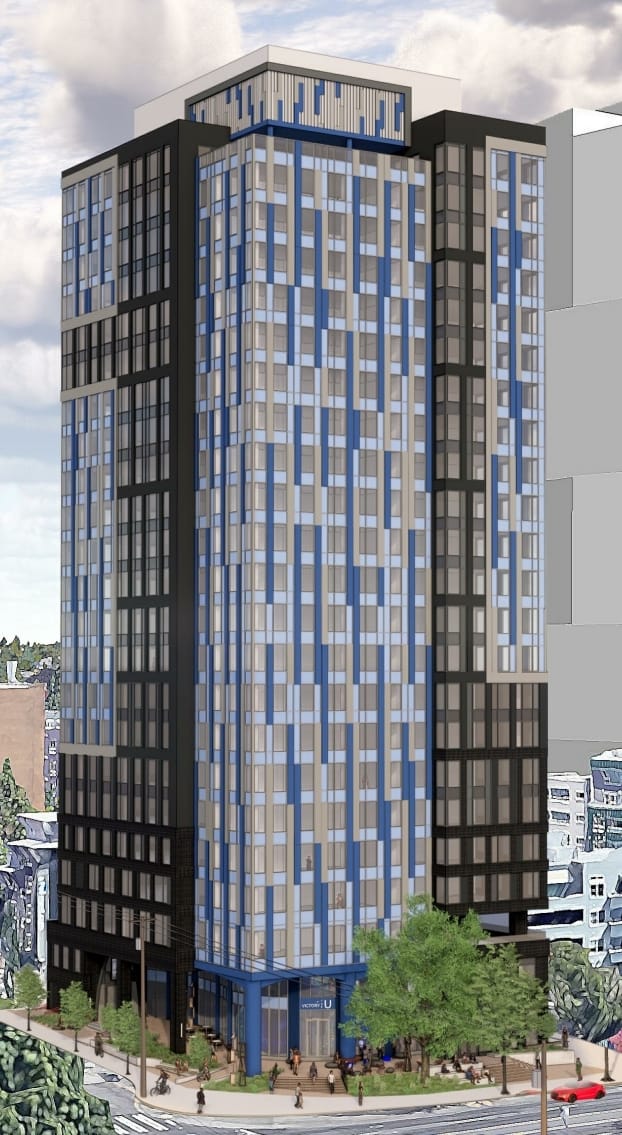
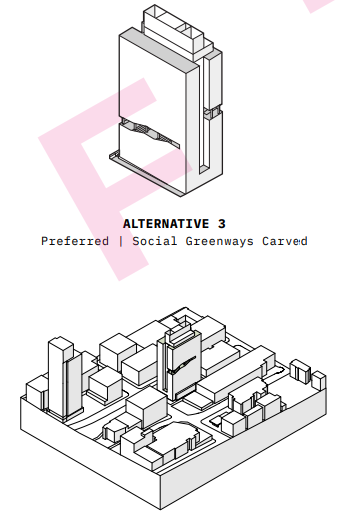
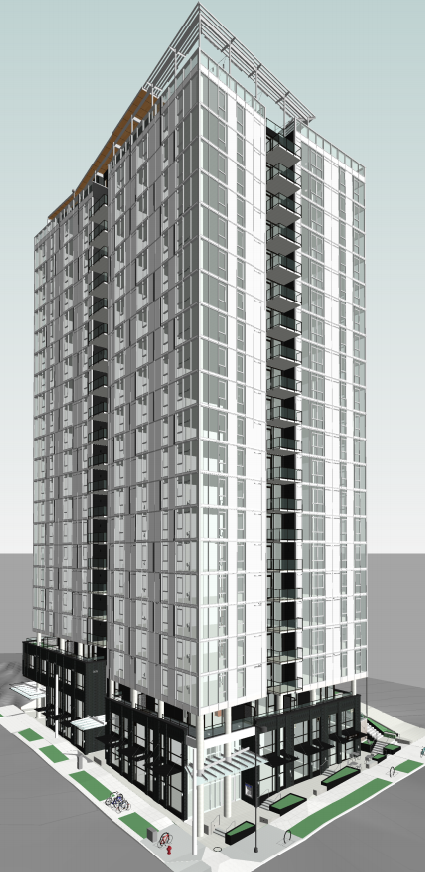
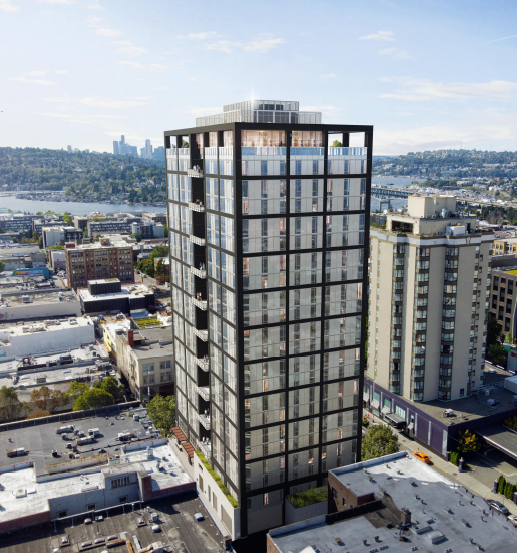
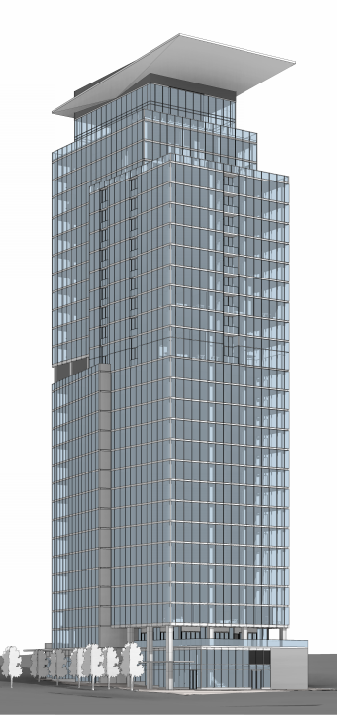
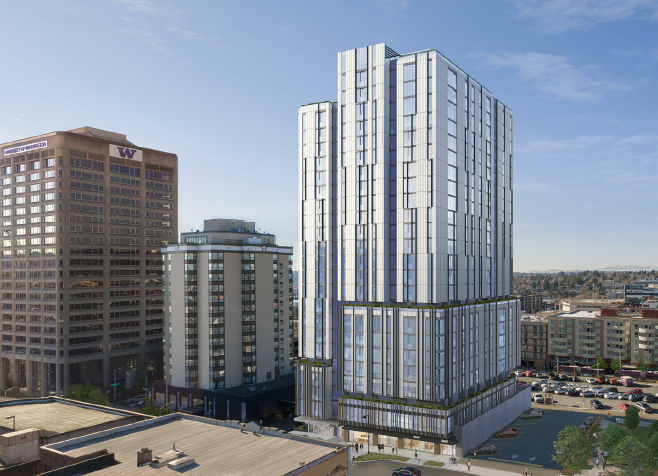
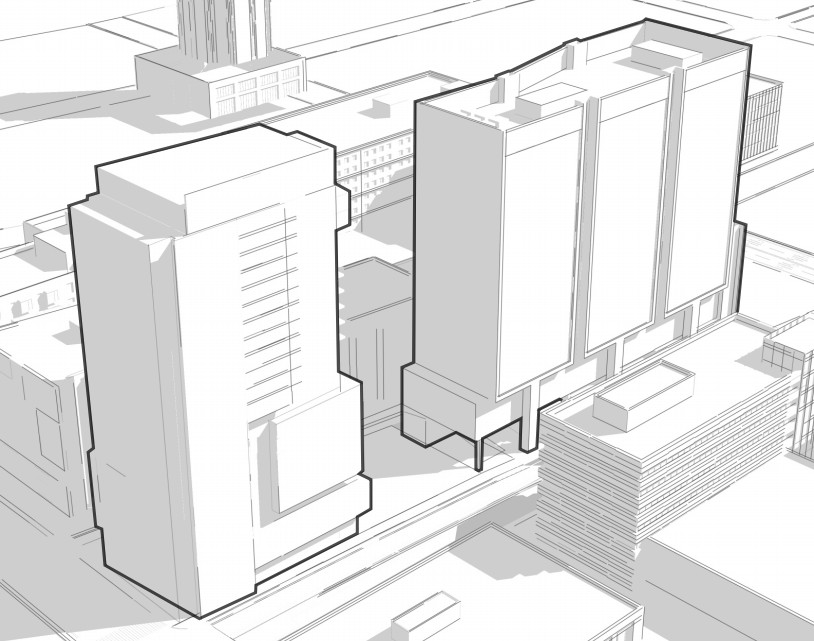
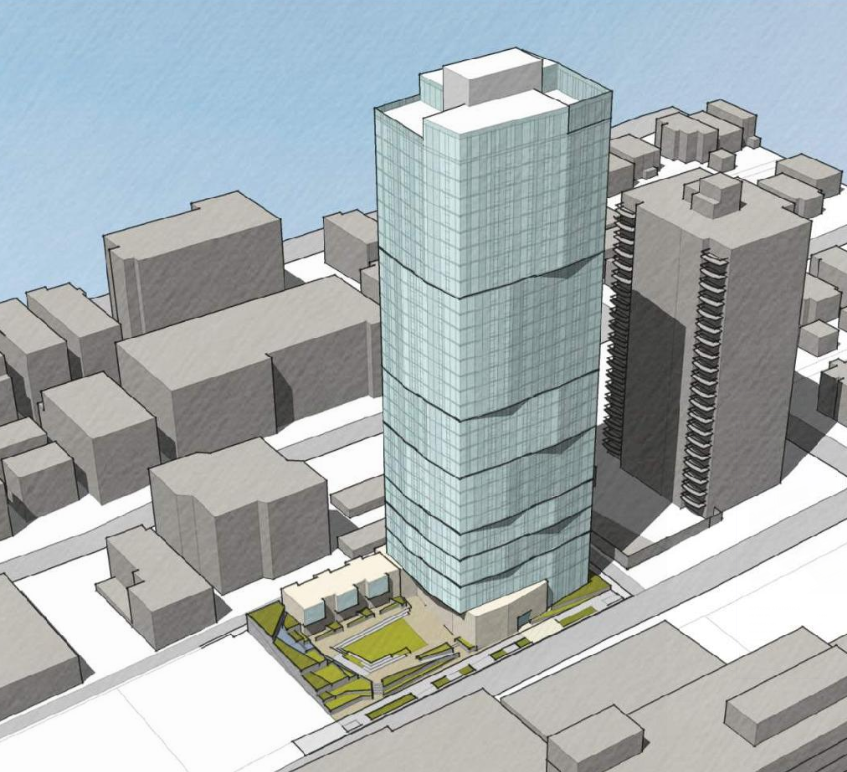
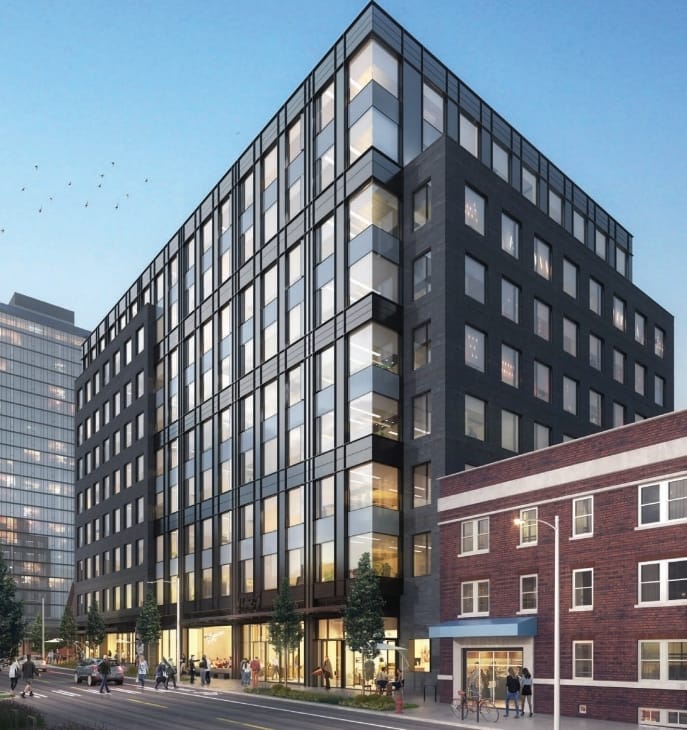
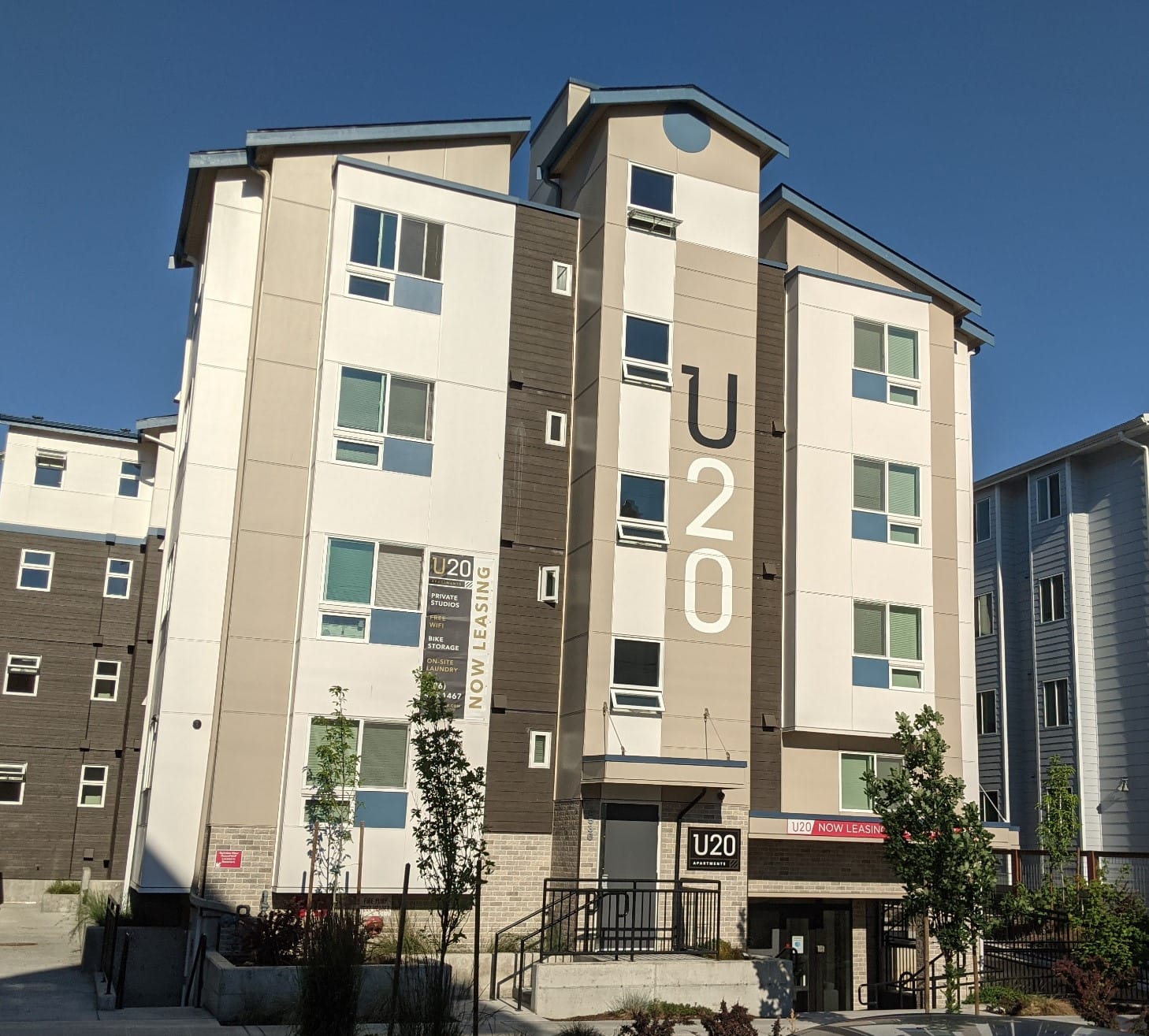
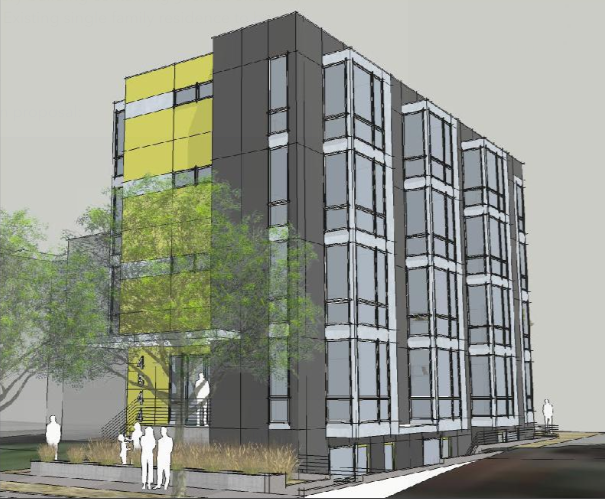
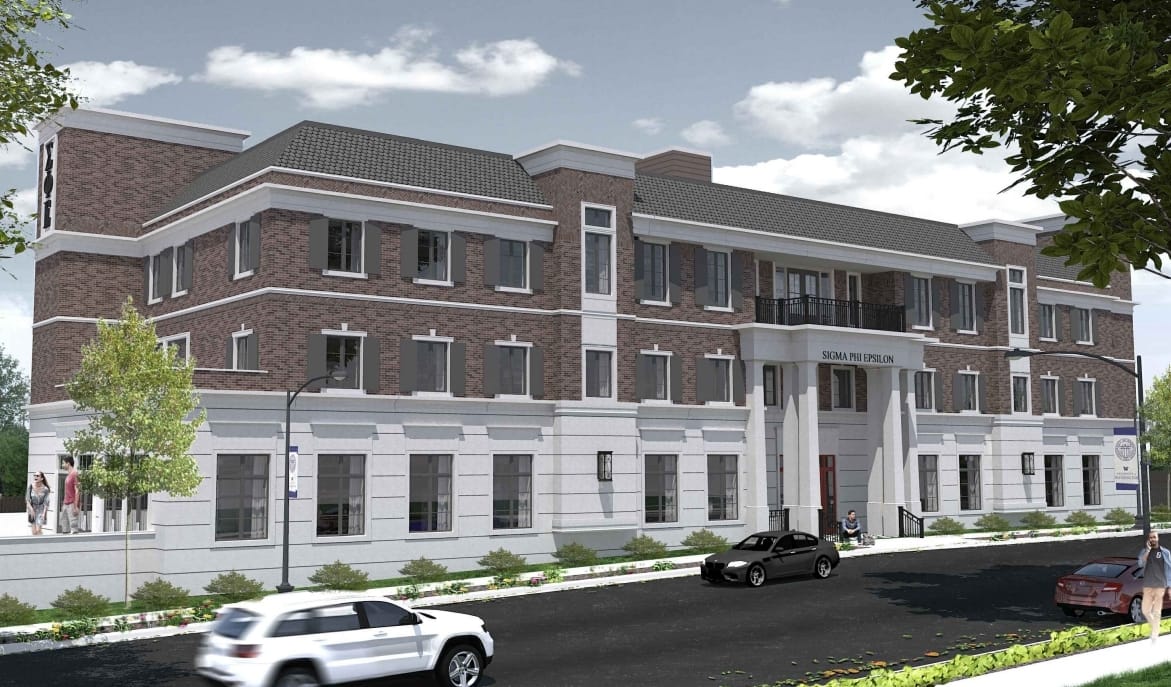
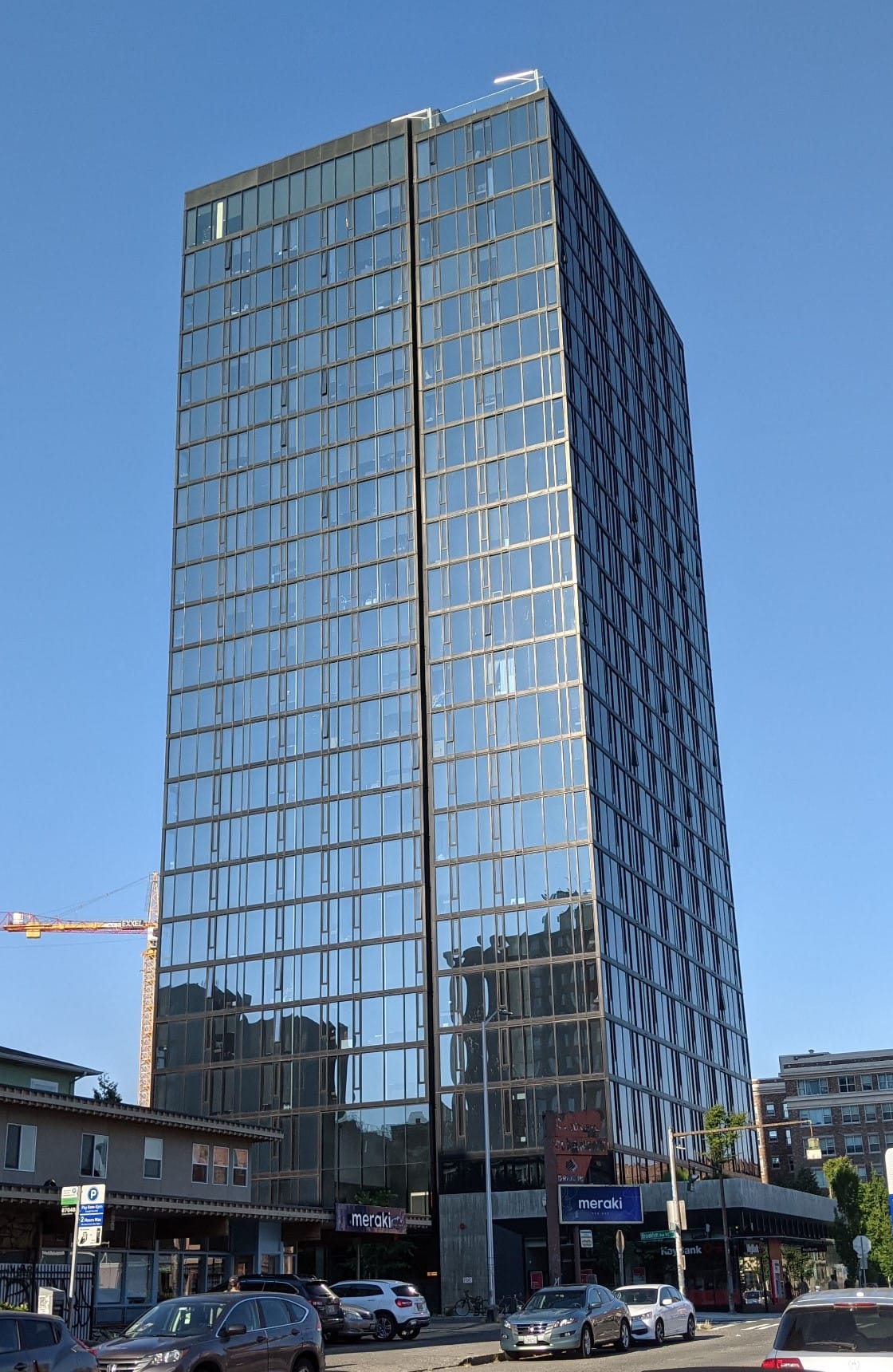
Down to 42ndNotice the lack of MHA performance units in the projects. This trend is ubiquitous in the U District’s highrises. Instead of building affordability into their own buildings, the developers have opted to pay into Seattle affordable housing fund to meet their affordability requirements elsewhere. As we descend down past NE 45th St, we start to see smaller midrise and lowrise developments in the southwest of the neighborhood, which will occasionally provide on-site performance units — though the numbers are meager at best.The rest in the U DistrictDevelopment in the rest of the U District becomes more limited, as we collide with the jagged borders of UW’s West Campus. Down here there’s still a small pocket of highrise zoning. Closer to I-5, small and medium sized apartment buildings of all ages have become more commonplace.Reflections and What’s Next
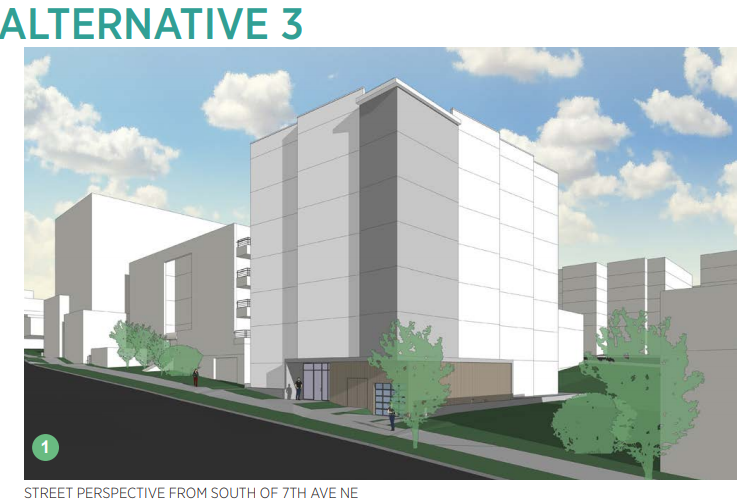
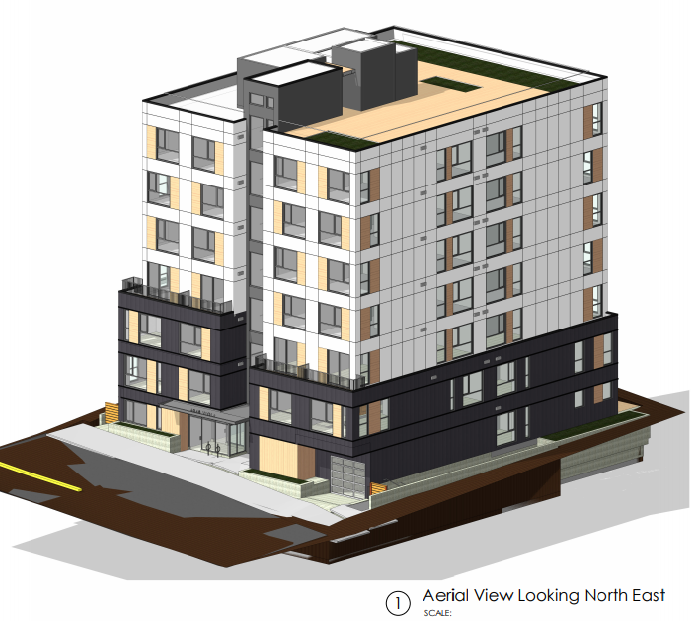
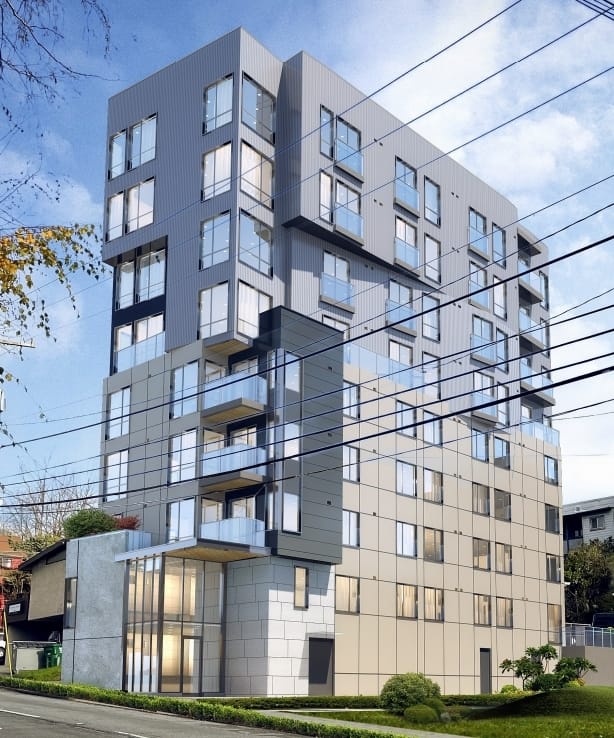
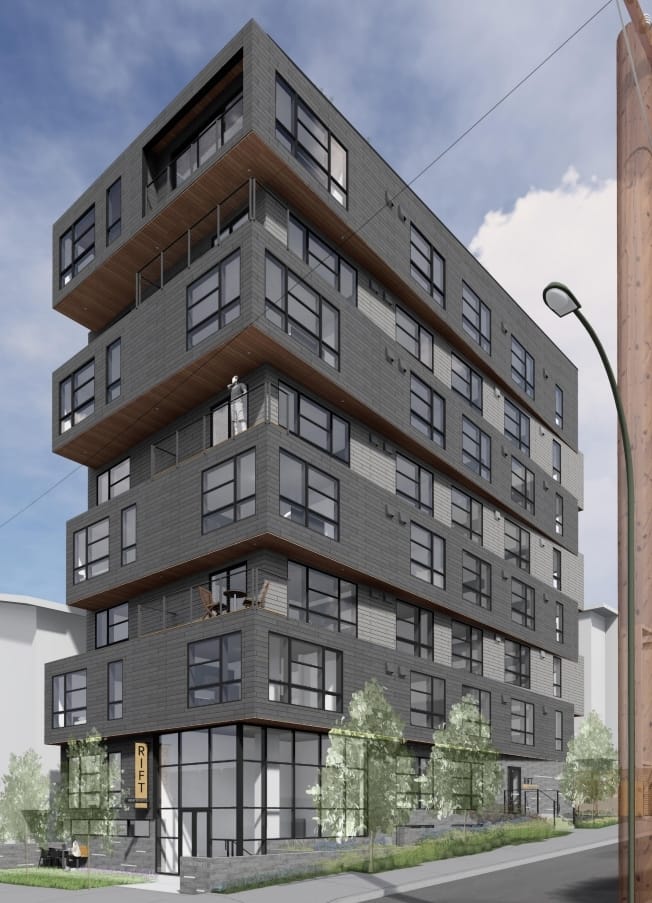
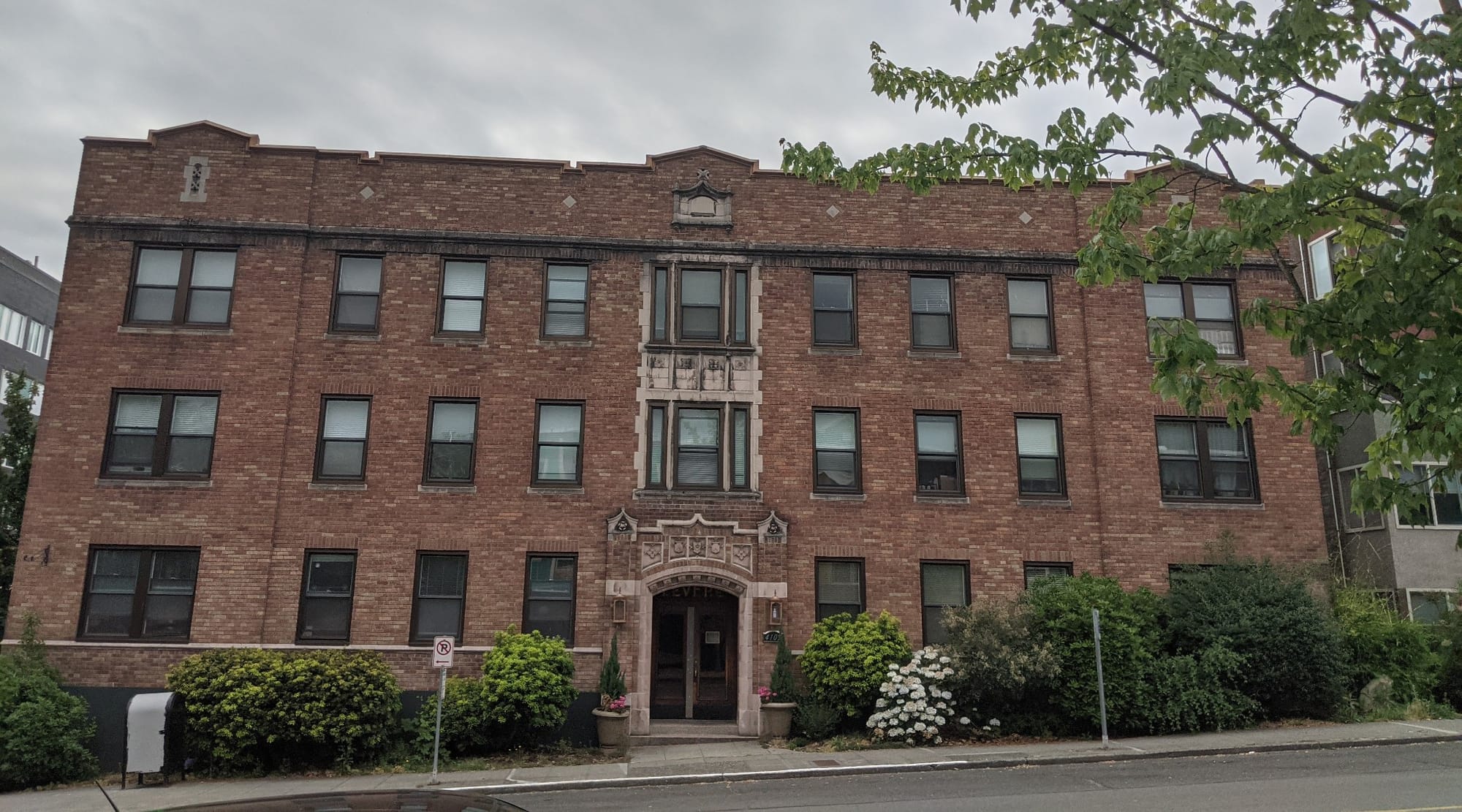
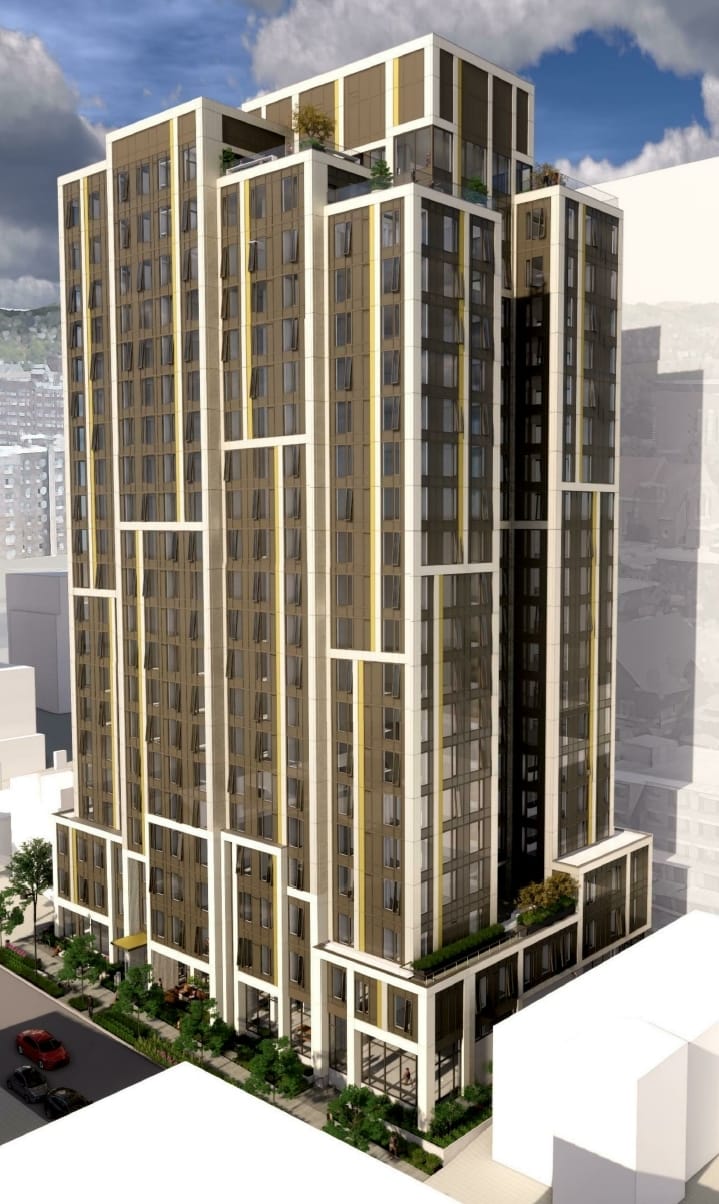
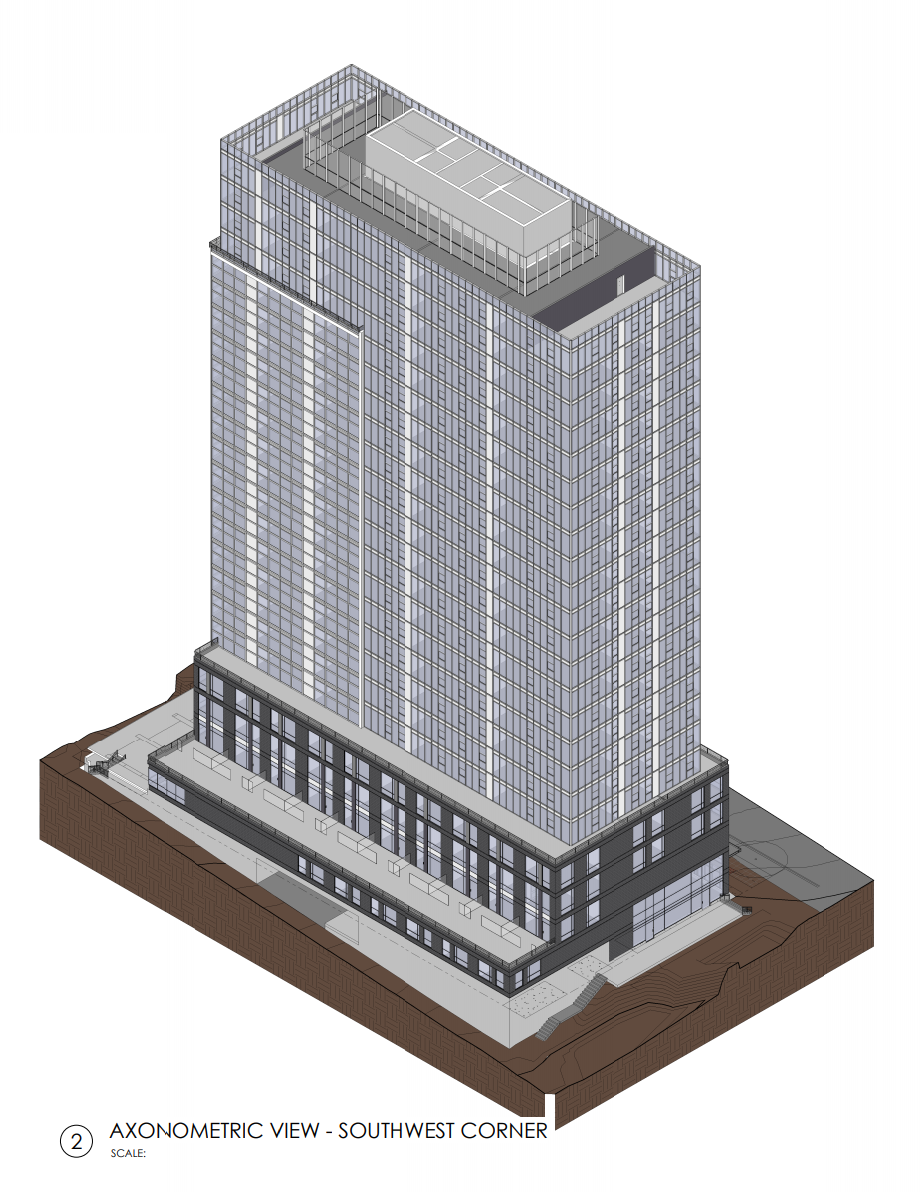
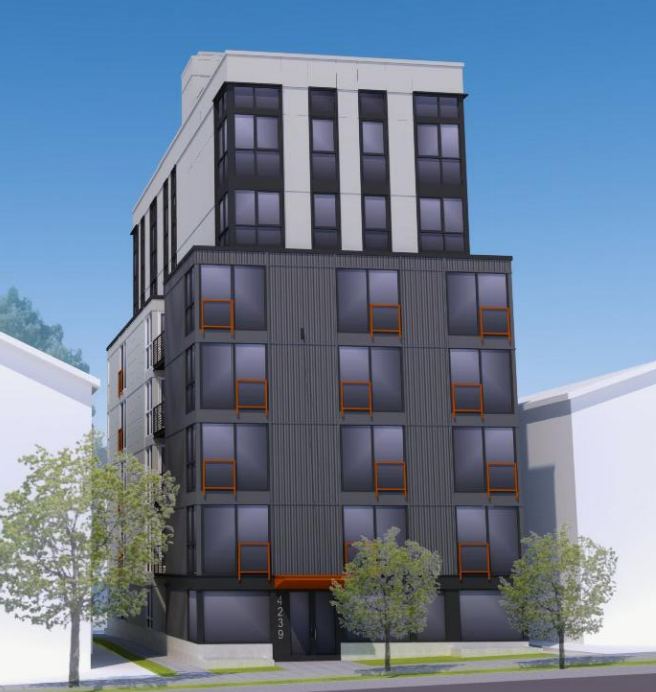
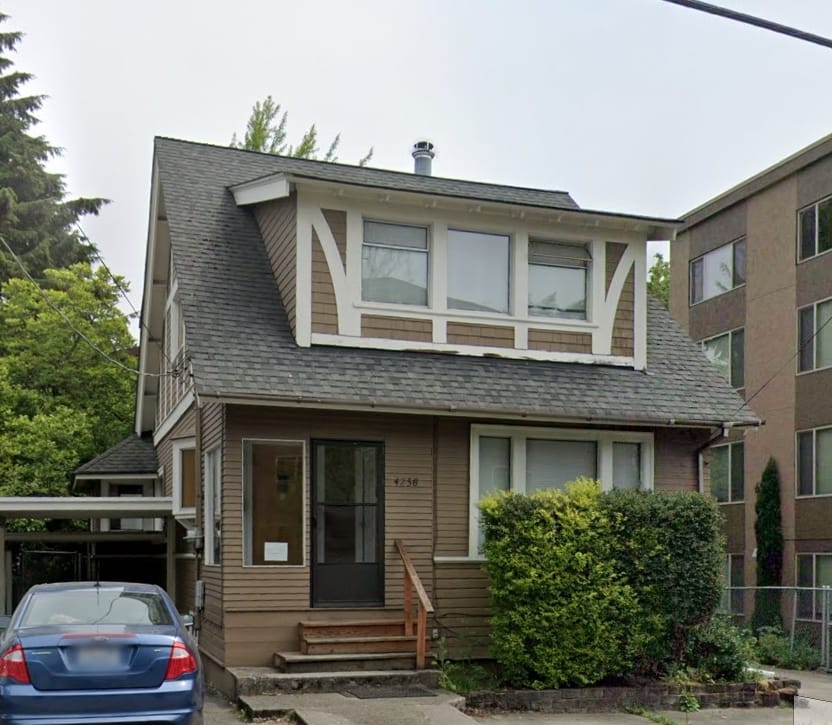
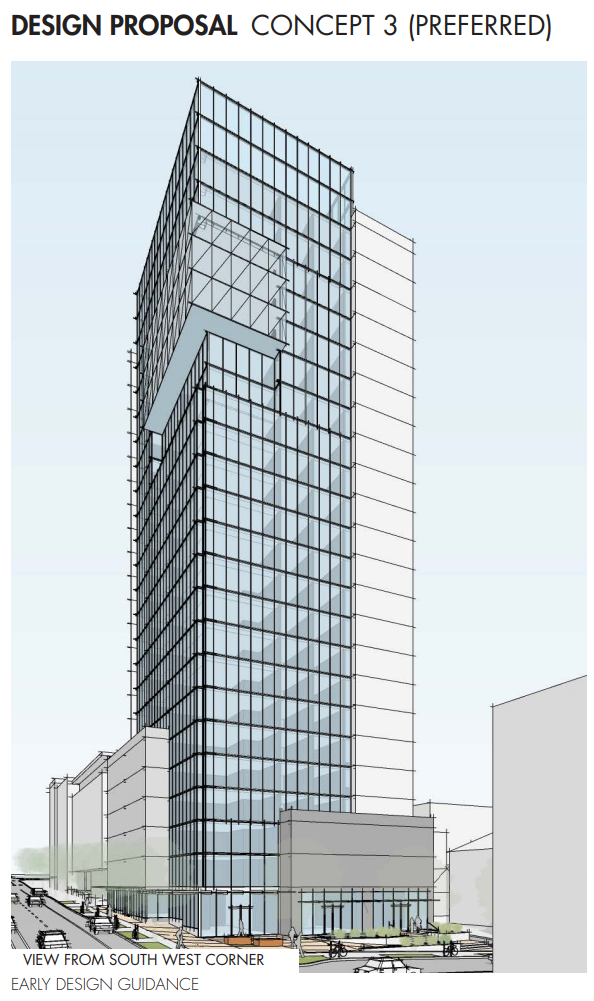
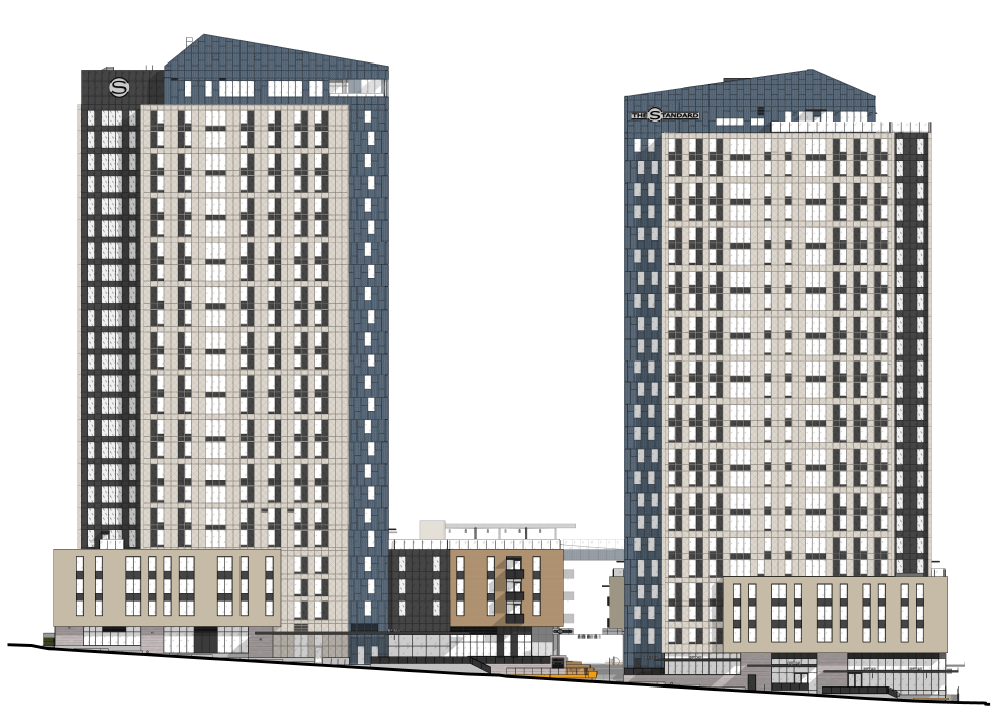
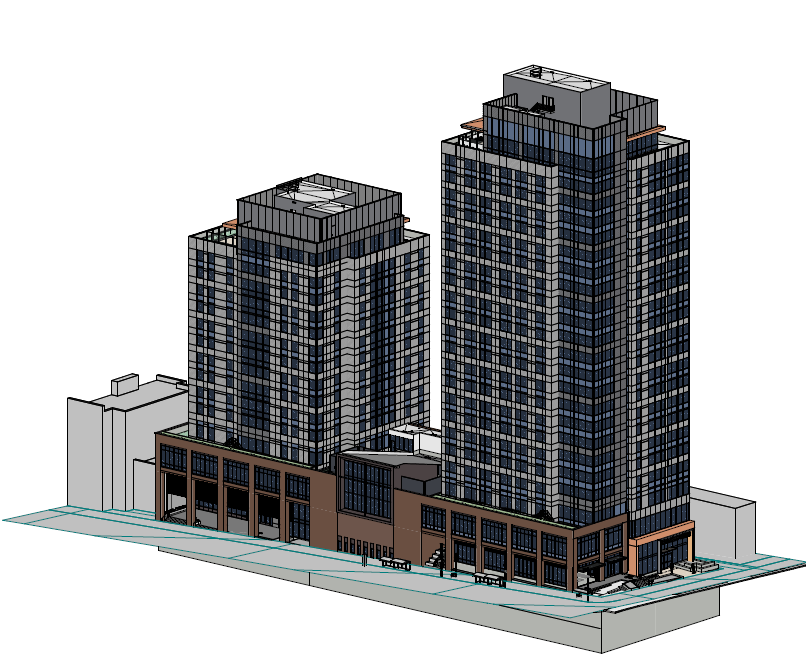
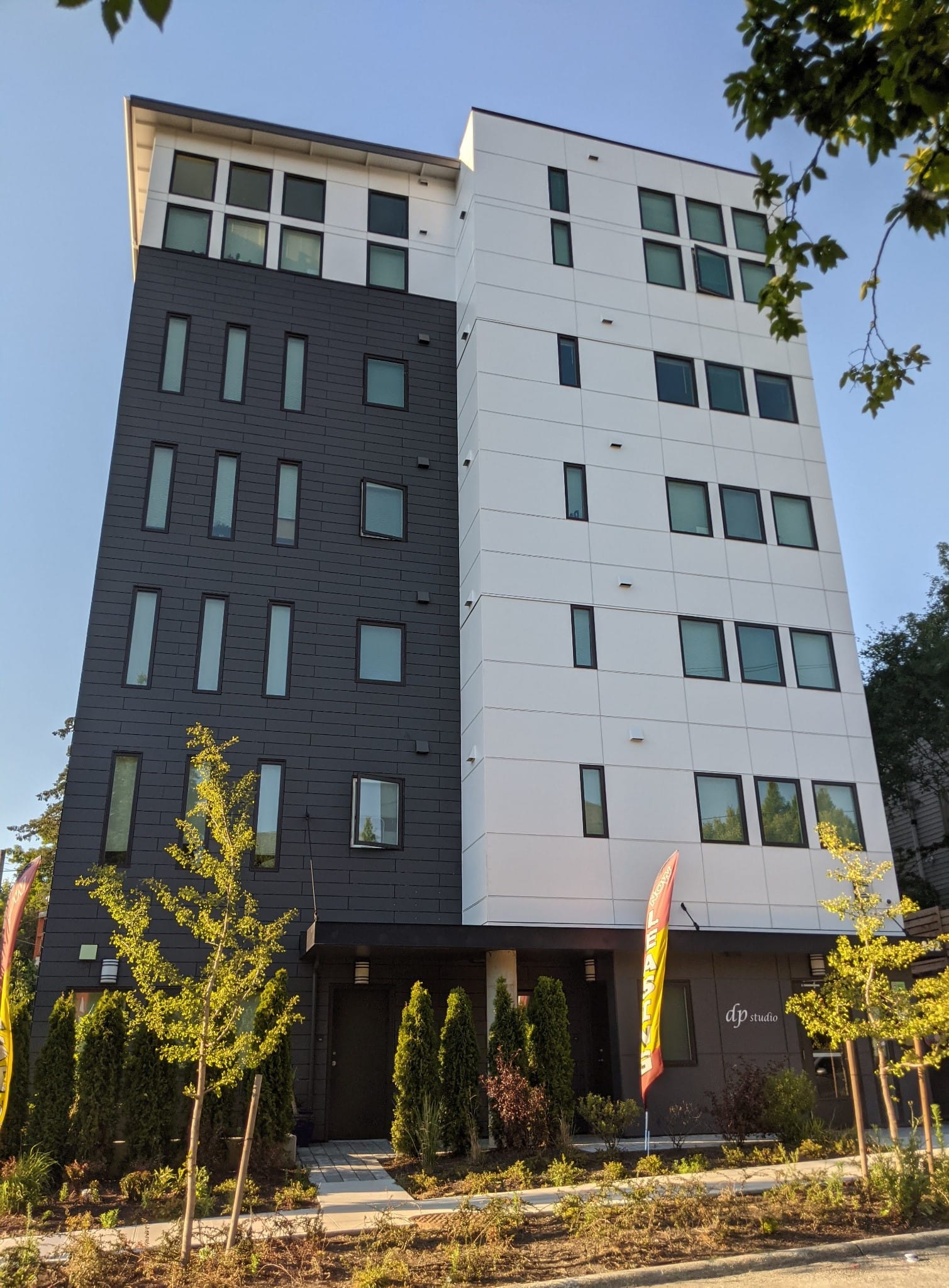
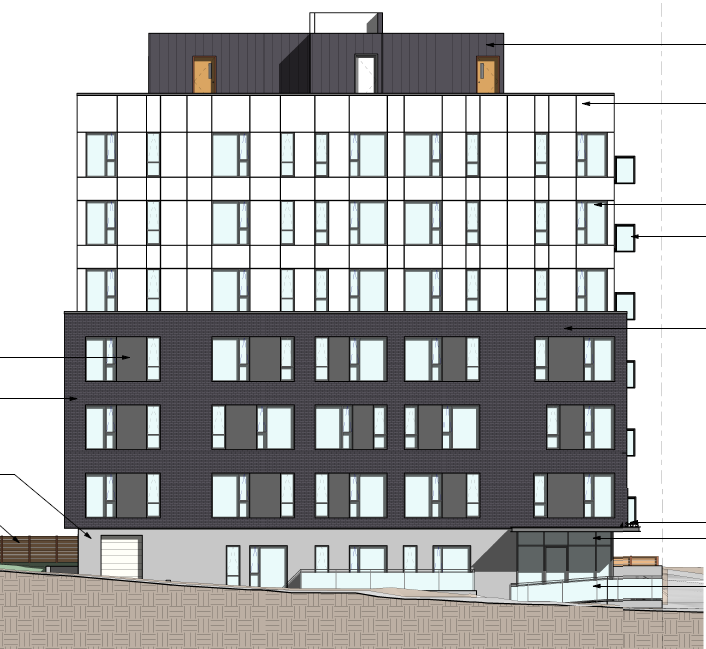
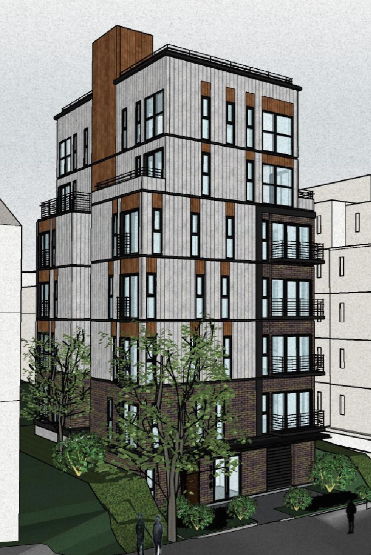
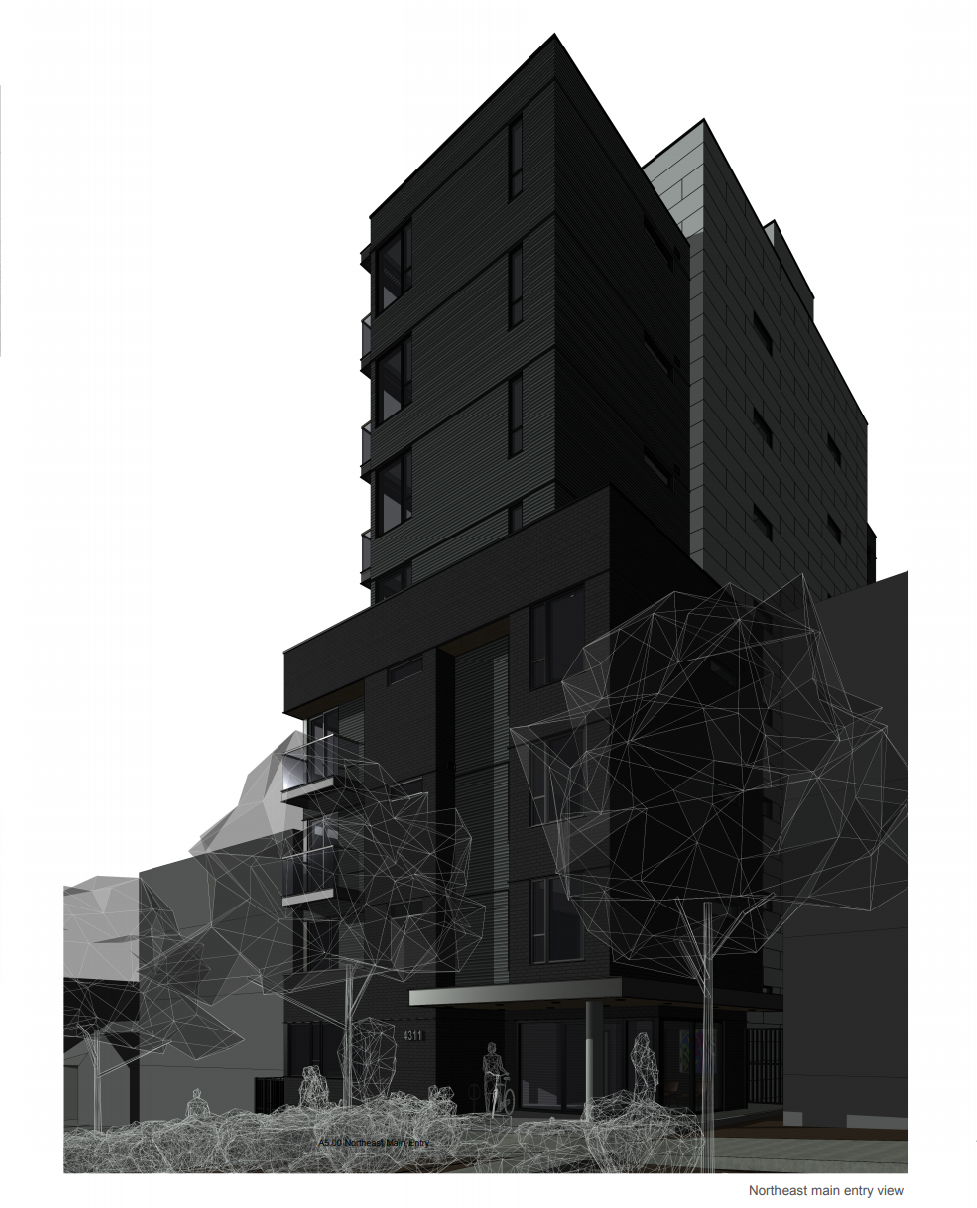
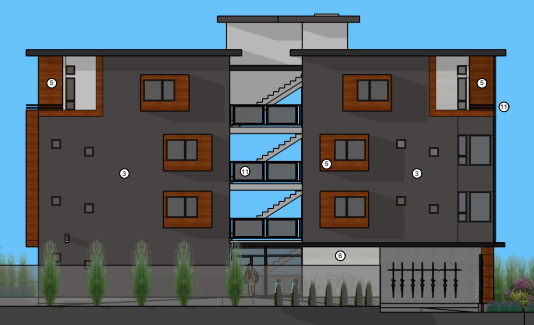
Between 47th and the University — plus The M tower — 1,563 units have been permitted, been under construction, or have been built since 2019. Over 4,411 units could be provided in the U District, if all the projects currently in permitting and south of NE 47th St are completed. Combined with Part 1, which covered the midrise and lowrise development above NE 47th St in the neighborhood, 2,839 units have been permitted, been under construction, or have been built since 2019. Over 6,000 units could be provided in the U District, if all the projects currently in permitting are fully realized — this amounts to much more than 6,000 new residents when you count individual bedrooms and all the early projects without unit numbers yet.
So far, if we just take the tower projects we know about and count the double towers individually, roughly 22 towers could make up U District’s skyline. Over 40 midrises and lowrises could be added in their orbit. Part 2 covers over $63.1 million in MHA contributions, and combined with Part 1 over $70 million from the U District projects could go to funding affordable housing. That being said, only a bit more than 28 affordable units could come from a possible 6,000-plus-unit addition to the neighborhood — plus all the new retail and office space. The Seattle Office of Housing (OH) does think that it could leverage more affordable housing with MHA payment than on-site MHA performance units by private developers. However, I do believe that the U District should get some more affordable housing inventory — no MHA investment has gone to the neighborhood. This is also why I believe Sound Transit should try to maximize housing units and affordability in their U District Transit-Oriented Development.
Next door, the University of Washington will be building 150 affordable housing units for faculty and staff earning less than 60% area median income (AMI), and no fewer than 300 for staff earning less than 80% of AMI. That housing will all have to be within a quarter-mile of light rail stations. The university will also be building tall directly below the U District in West Campus, which to reiterate is zoned for towers too. Housing won’t be the university’s focus though. Office, classrooms, research labs, and libraries are what the university finds that it needs more of. We’ll explore this and the potential highrises of west campus in Part 3 of this series.
The zoning changes that have allowed this growth only came in 2017 and 2019, there’s still plenty of lowrise and parking lots to examine. Not to mention the incoming comprehensive planning that will hopefully redouble the liberalization of zoning in the U District. The north end of the neighborhood, which is very well served by frequent transit, is still packed with single-family zoning. The Ave and other areas went untouched in 2017 and 2019 will also be under the microscope, though the City should seek to protect the communities and businesses there from displacement through new policies and programs. The U District is getting a skyline and we’re certainly just getting started.