On Tuesday, GrubHub sent New York restaurants into a tailspin with a free lunch promotion. Between 11am and 2pm, the food delivery app offered $15 off any order made from restaurants around the city. Grubhub’s platform crashed as it was receiving 6,000 orders a minute. Restaurants saw queues blast past their capacity to fill them, and orders spill into the evening.
That wasn’t the only social media site to clog restaurants. It’s something of a pastime for TikTok and Instagram, where an influencer tweets out whatever the latest version of a cronut is and the world descends on the restaurant. Some barely survive.
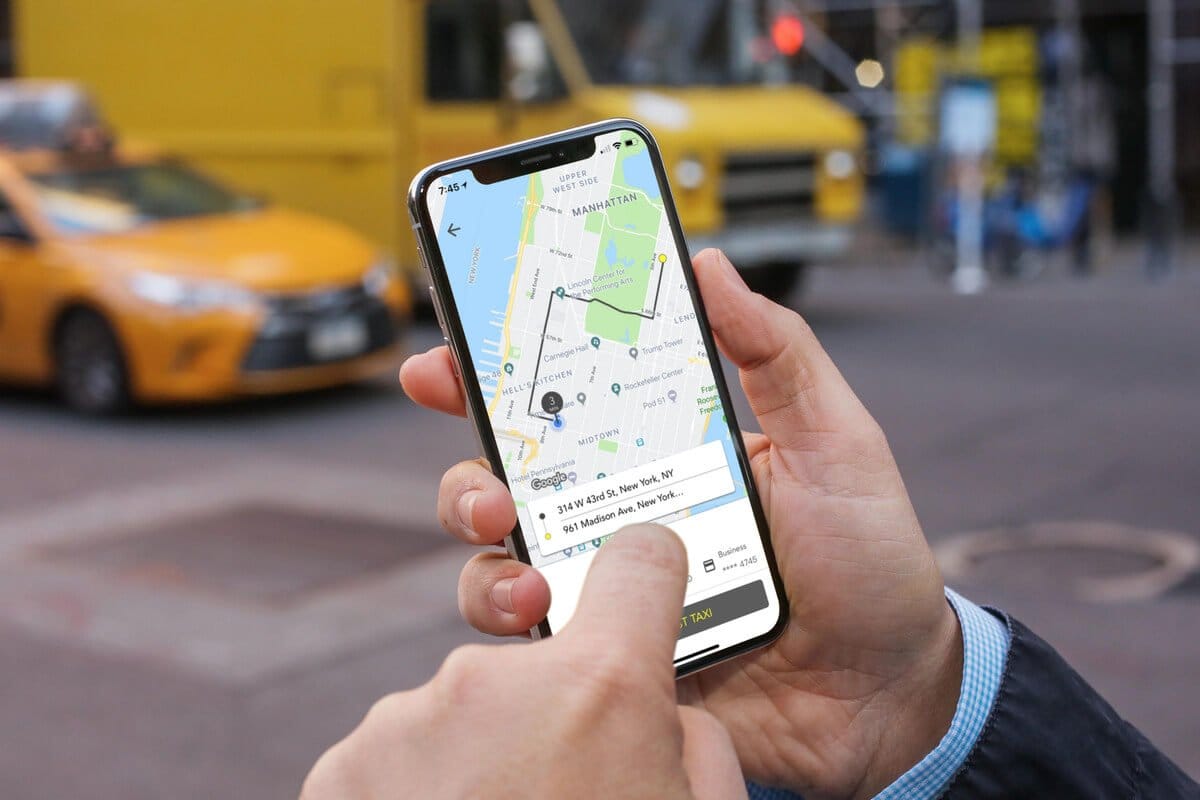
And the sharing economy itself is in a tailspin. Slate is covering the demise of the Uber Subsidy, which is where venture capital kept the ridehailing company afloat for most of a decade, hiding how massively Uber underpriced fares. Uber kept losing money (driving many traditional taxi companies out of business in the process) but monopoly-seeking investors kept showering it in more venture capital. Now, with ridehailing prices increasing, customers are faced with the true costs of being chauffeured around in a world with almost no competitors.
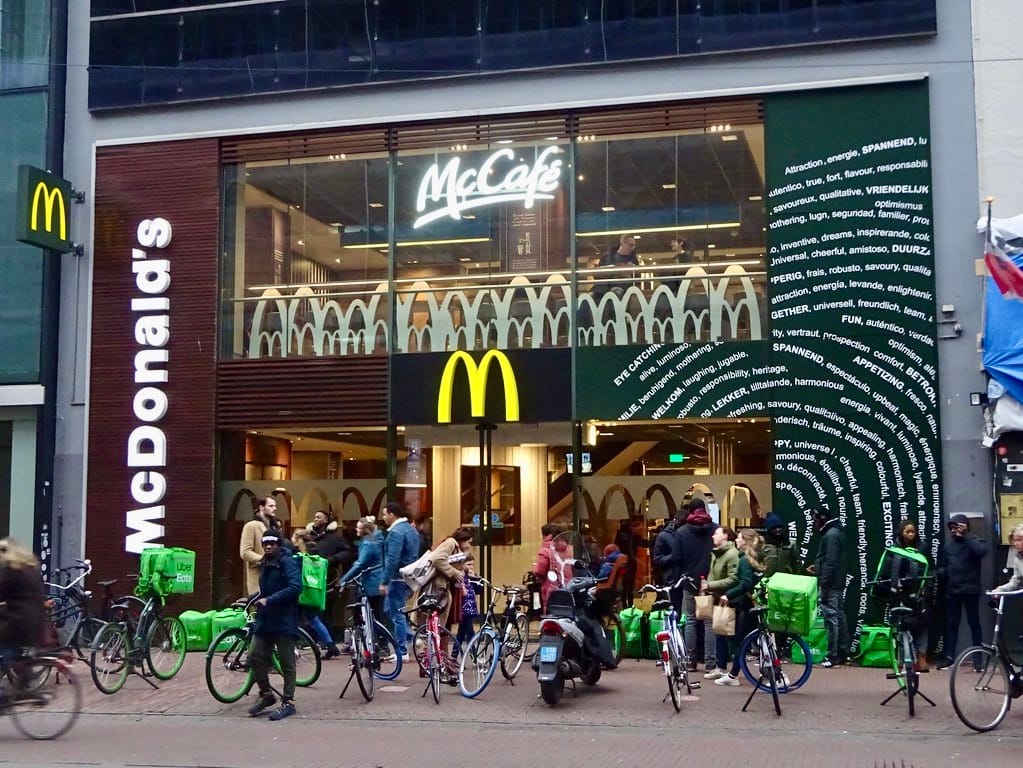
It’s very easy and correct to look at these failures as standard corporate nonsense screwing up regular people’s lives. It is vital to step back to see larger destructive economic forces at work. App companies are playing with enormous sums of money. When that cash hits the ground in cities, the impact can be catastrophic. It’s happened before.
The size of money
It’s necessary to stop for a second and understand the scale of money that we’re talking about. For a regular person, amounts of money past the first comma are annual expenditures. Past the fifth digit are once-in-a-lifetime purchases. One billion dollars has ten digits: $1,000,000,000.
So when a city budget starts talking about millions of dollars for a bike lane, we can understand that as a significant investment. When King County decides to spend a hundred million dollars on upgrading a ballpark instead of housing, we understand that to be a huge ridiculous expenditure.
Uber is worth $46 BILLION dollars and TikTok is approximately the same. That’s the price of 400 ballpark roofs. This puts the companies in league with Kraft Heinz, Mitsubishi, or the State of Missouri. Where Seattle spent $3.8 million on about half a mile of 7th Avenue improvements, the value of Uber would be able to replace roads, concrete, and stormwater on every street in the city and still have about $20 billion left over.
From a different perspective, GrubHub has the very paltry value of $7 billion dollars. That is the budget for the City of Seattle, including its public utilities. Since its founding a decade ago, Uber has blown through $25 billion dollars in venture capital funding. That’s five years of operating money for all of the municipalities in King County, combined.