Housing
Op-Ed: Making Seattle Neighborhoods More Accessible by Design
Four case studies show how Seattle’s new middle housing zoning incentives align with demographic shifts to meet housing demand.
Four case studies show how Seattle’s new middle housing zoning incentives align with demographic shifts to meet housing demand.
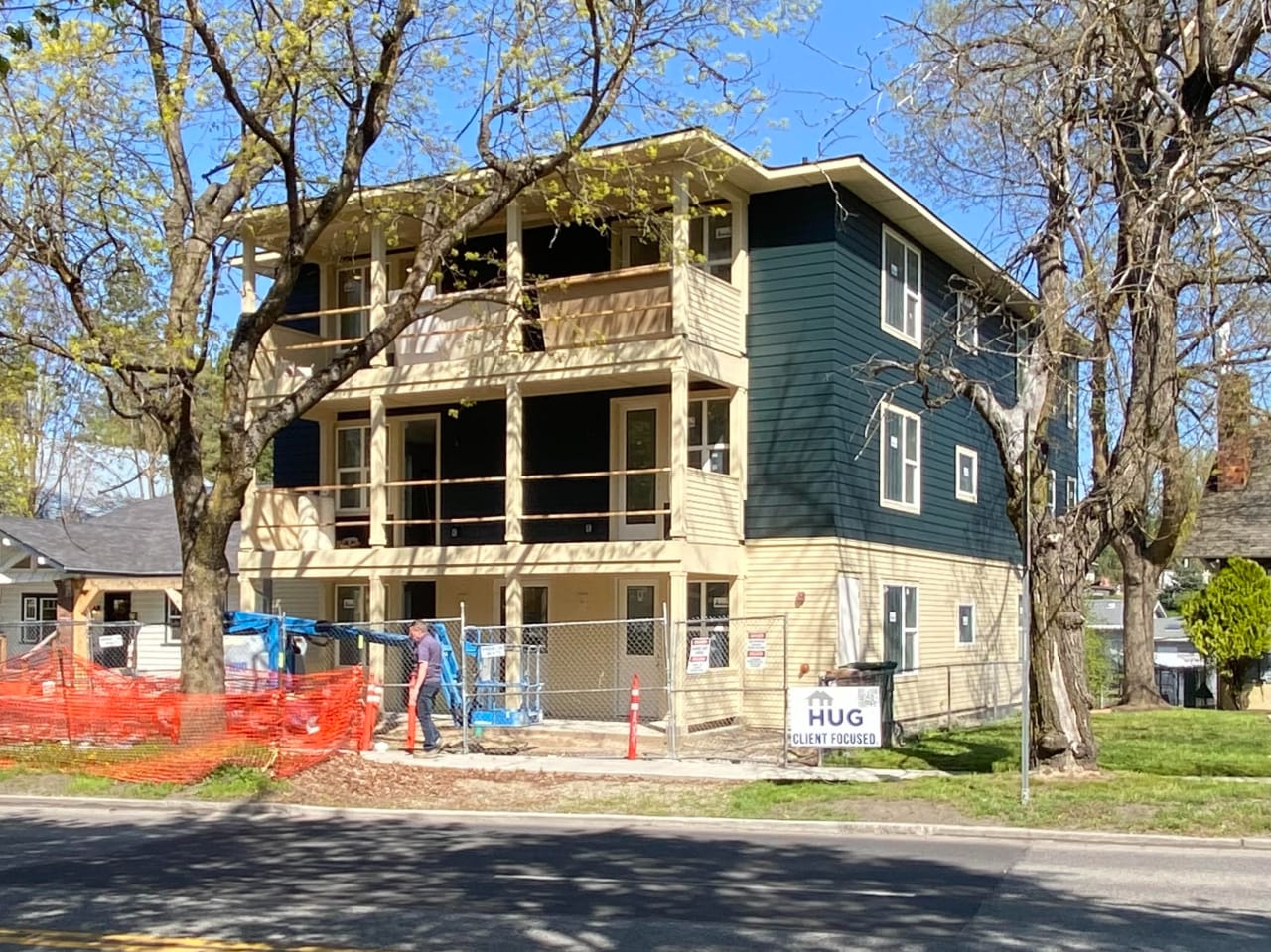
Once plentiful across the city, small apartment buildings with flats stacked on top of one another are incredibly rare in new construction. The reasons behind that are multifaceted, and stemming the tide will take a push on multiple levels of government.
Seattle’s proposed 20-year growth strategy could certainly use improvement. Here are suggestions to promote housing abundance, fight exclusion, and curb climate pollution.
In House Bill 1110, the Washington State Legislature read the will of the people and demanded that we tackle the housing crisis more proactively by allowing middle housing in most cities and towns. The Washington State Department of Commerce has created a basic zoning template that supersedes local code if
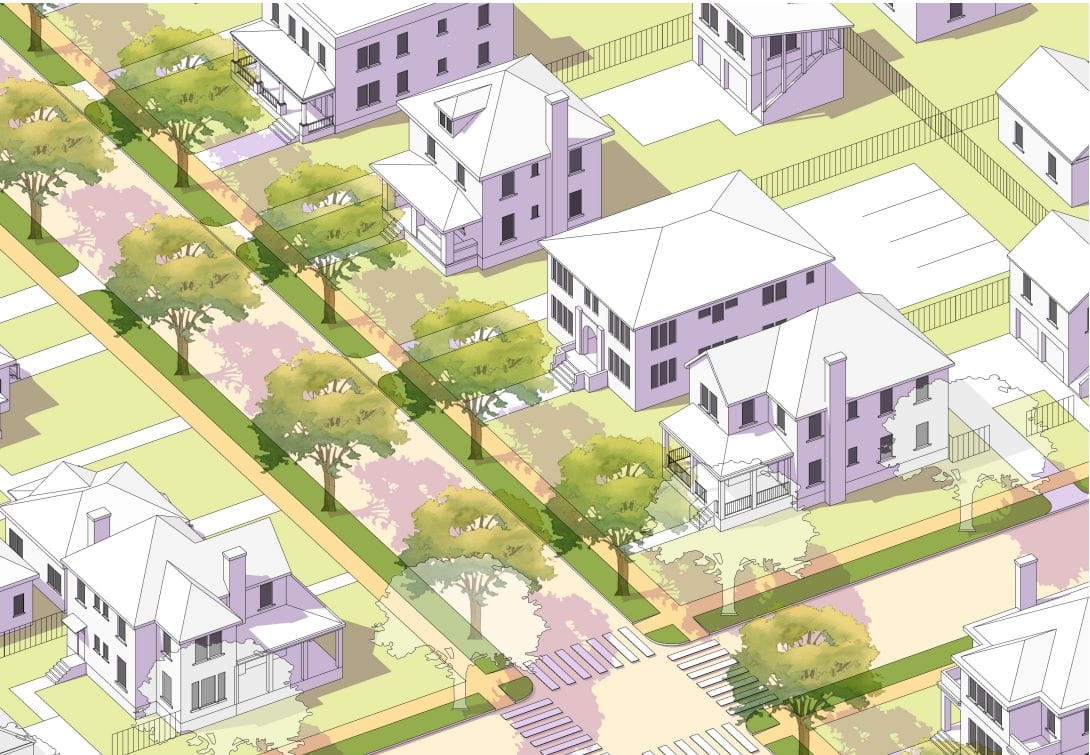
Commerce recently had a consultant create a form-based code, but the draft fails to advance housing abundance. Now that Washington State’s Middle Housing bill (HB1110) has been signed into law, the next question is what implementation will look like — what kind of housing and where. The Department of Commerce
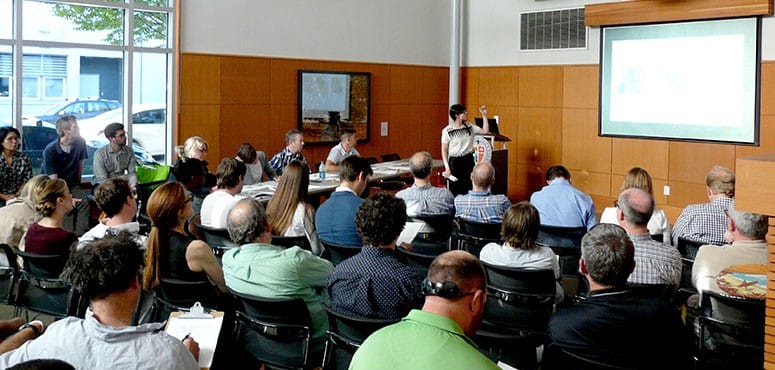
Since COVID-19 has made Seattle Design Review’s open meeting process impossible, on Monday, April 20th the city council is considering adoption of Council Bill 119769, an ordinance to temporarily lift some of the requirements for affordable housing projects and unclog the process for other development projects. The American Institute
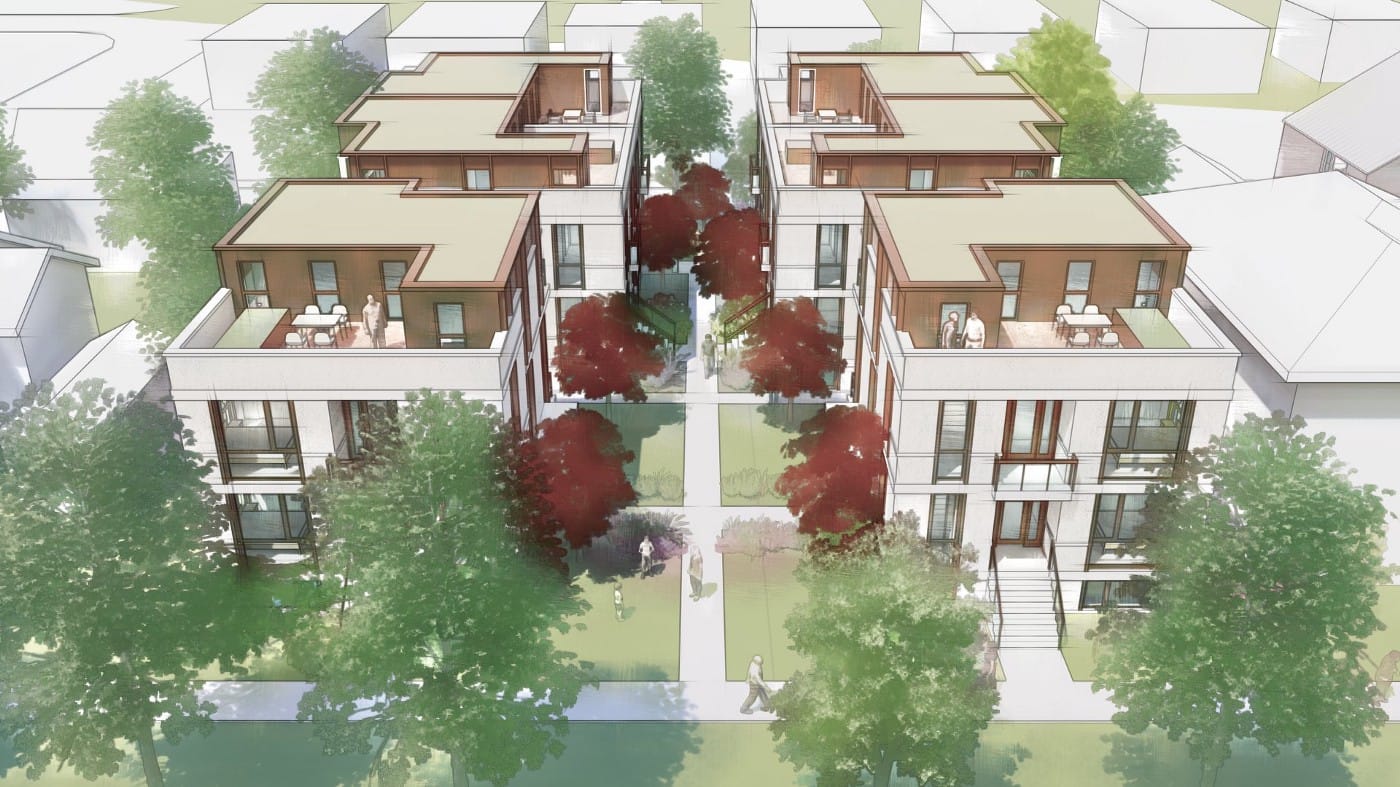
This is probably the first of a series of articles specifically looking at “Single Family” zoning in Seattle and how we pivot to smarter growth patterns for our exploding population, cut the high cost of housing, employ necessary strategies for climate change, and reverse the inequity baked into our city’