Op-Ed: Harrell’s Growth Plan Shorts Housing and Tree Canopy
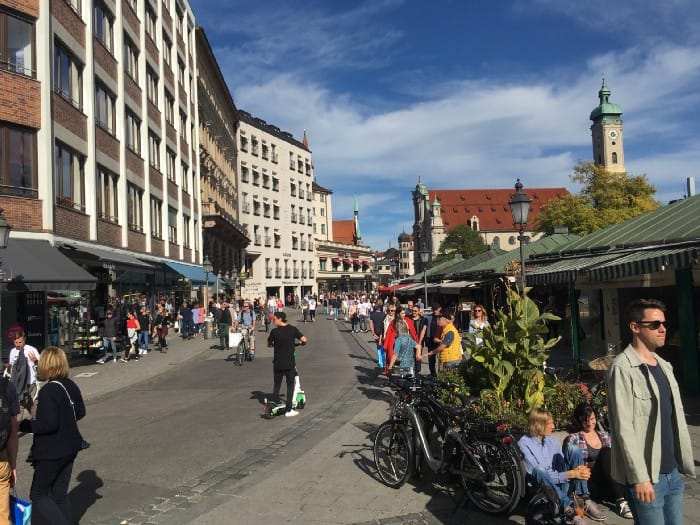
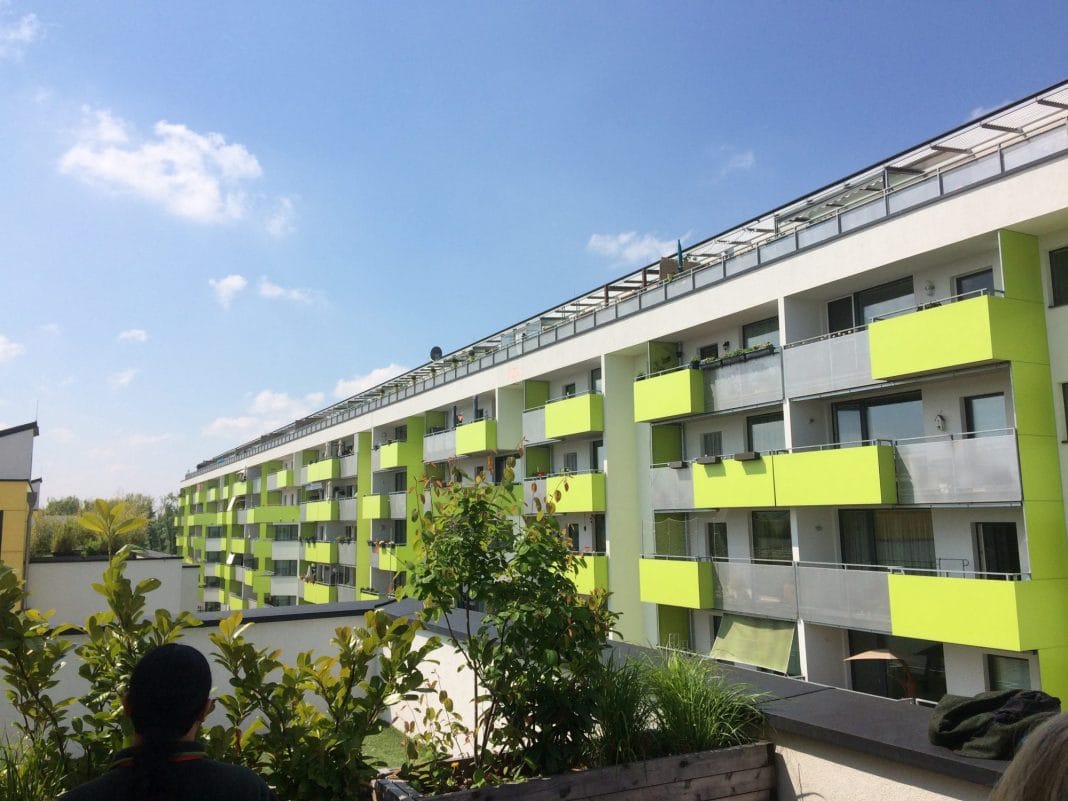
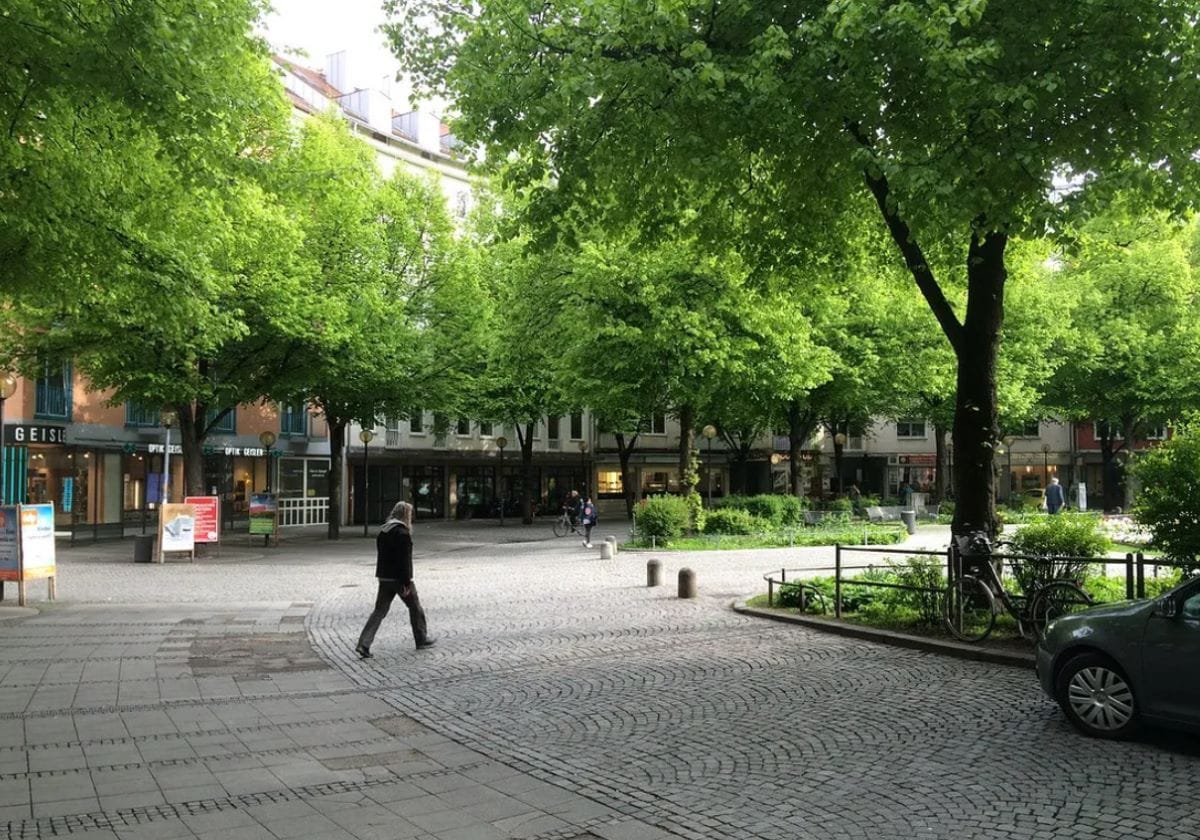
Architect Michael Eliason shares his blueprint for a greener Seattle with more abundant and affordable housing. The vision goes beyond townhomes to stacked flats amidst ample tree canopy.


The mayor’s comprehensive plan proposal failed to deliver real solutions on housing abundance, affordability, and climate. It promises only modest zoning changes at the margins and 100,000 additional homes over 20 years.
A bill allowing single-stairway “point access block” buildings would enhance housing and neighborhoods. On February 2nd the Washington State Senate held its first hearing on SB 5491, a bill that adds a powerful tool to the state’s housing arsenal by permitting point access blocks — compact single stair buildings with
Seattle Councilmember Alex Pedersen’s latest newsletter contained a small glimpse into his poor understanding of Seattle’s extensive housing and climate crises with his poison pill proposal for the One Seattle Comprehensive Plan update. Pedersen’s proposal — which he is calling ‘Alternative L’ — would limit low-income sixplex housing, or
Seattle doesn’t lead on a lot of things when it comes to building codes, land use codes, or even energy codes — though given that our housing deficit is in the hundreds of thousands and we can’t come anywhere close to meeting our climate goals, we absolutely need to.
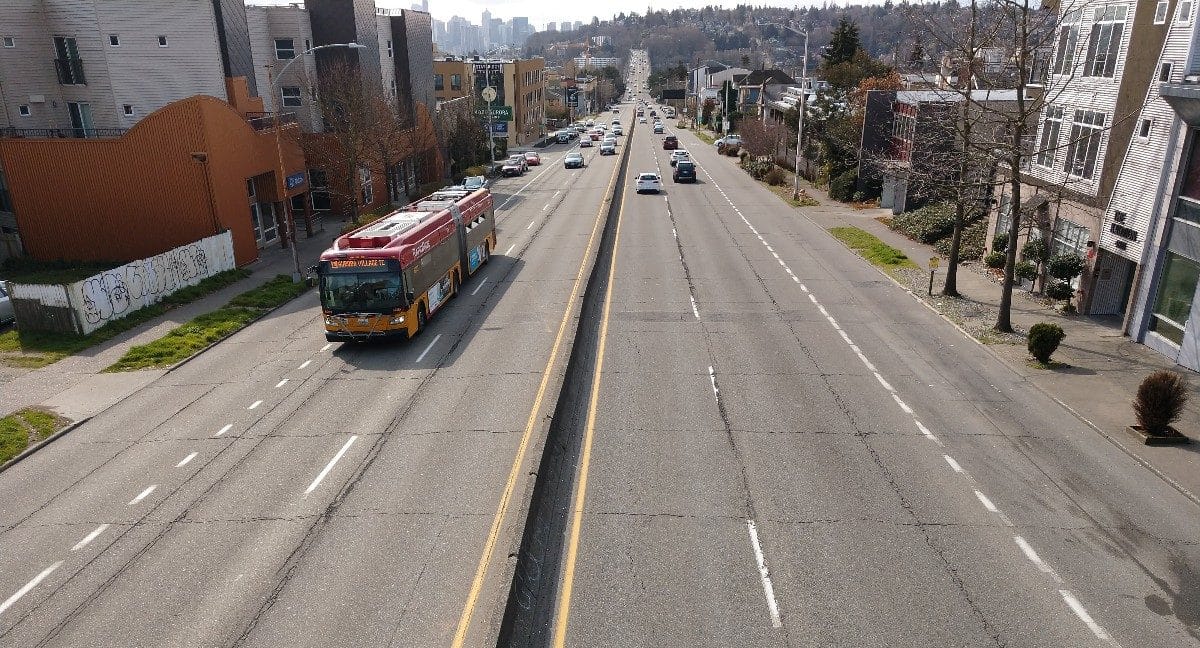
Livability would flourish in surrounding neighborhoods if cars were removed from one of Seattle’s deadliest and most polluted streets. Today’s Aurora Avenue in Seattle is a wall, a loud, dangerous, polluted wall that divides communities. However, solving Aurora’s problems also provide an exciting opportunity to rethink sustainable
If Seattle’s Mandatory Housing Affordability (MHA) program set a citywide precedent, then a push by wealthy Wallingford homeowners to turn single-family zoned areas into federally-designated historic districts could be a new variation on restrictive covenants. The city’s MHA overview document contains a note on just this issue, stating
For the last few years, and in the run up to the November election, American cities led by Democratic councils and mayors have seen an increase in claims they are “too far left”–as if there was either something wrong with that (nope), or that it was unique in either
The City of Seattle owns a deep portfolio of buildings, while also overseeing a steady progression of new construction—schools, libraries, fire stations, office buildings—it is a long list. Many of these buildings were constructed before modern energy codes. Some need seismic retrofits. The lighting and mechanical systems in
As our city starts to open back up, several issues are becoming quite apparent in our urban villages. In many, there is inadequate space on sidewalks to adequately social distance. There is also inadequate space to order and wait for food from restaurants for pick up. And given that restaurants