At The Urbanist, we’ve been intentionally working to expand our coverage of issues around the Puget Sound because the principals of good urban design, abundant housing, and sustainable transportation are useful for all of our communities. 2022 marked a significant uptick in our coverage of Bellevue, so we wanted to take a chance to summarize some of the most important things in urbanist policy that have happened in the Eastside’s largest city this year.

Parks Levy Passed, Secured $85 Million in Funding Over 20 Years
The November elections weren’t just a win for Democrats and progressives all around Puget Sound — for voters in Bellevue, they were a chance to support increased investments in the city’s parks facilities through the approval of a new parks levy. The 20-year levy passed with 55% support and is expected to raise $85 million over its lifetime. Funds will be used to both acquire new land for additions to the city’s park system and to develop existing parkland with additional facilities, such as fields for emerging sports like cricket and pickleball.
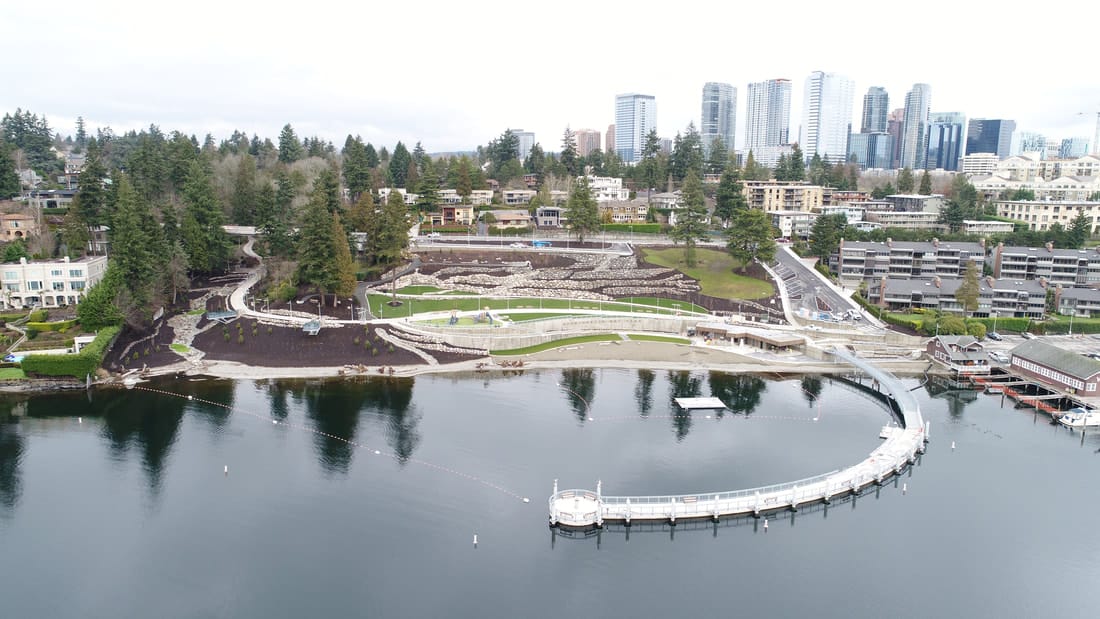
The total cost of the levy to property owners in Bellevue is $0.20 per $1,000 of assessed value, or $200 annually for a $1,000,000 home. Writers at The Urbanist followed the levy through its development and wrote about the impact that a new levy could have on the development of cricket in the region. The Urbanist Elections Committee endorsed the parks levy as well.
Exclusionary Community Councils No More After State Action
2022 marked the much-appreciated demise of the two remaining Community Councils in Washington state. In their respective jurisdictions of Bellevue and Kirkland, the East Bellevue and Houghton Community Councils were multi-member bodies that each had veto authority over many land use decisions. Since these bodies could not propose their own substitute regulations or initiate their own actions like a full City Council, their practical role was to reject land use ordinances (such as requirements for reduced parking, affordable housing, regulations for homeless shelters, etc.) passed down to them by their city governments. Community Councils did not use their powers seldomly, often with costly and legally precarious consequences. Their abolition during the State Legislative session through HB 1769 was timely; with each body having their final meetings in the summer, community councils were luckily dissolved before they could have potentially disastrous consequences on each city’s Comprehensive Plan update.
Rapid Development Continued in Downtown Bellevue
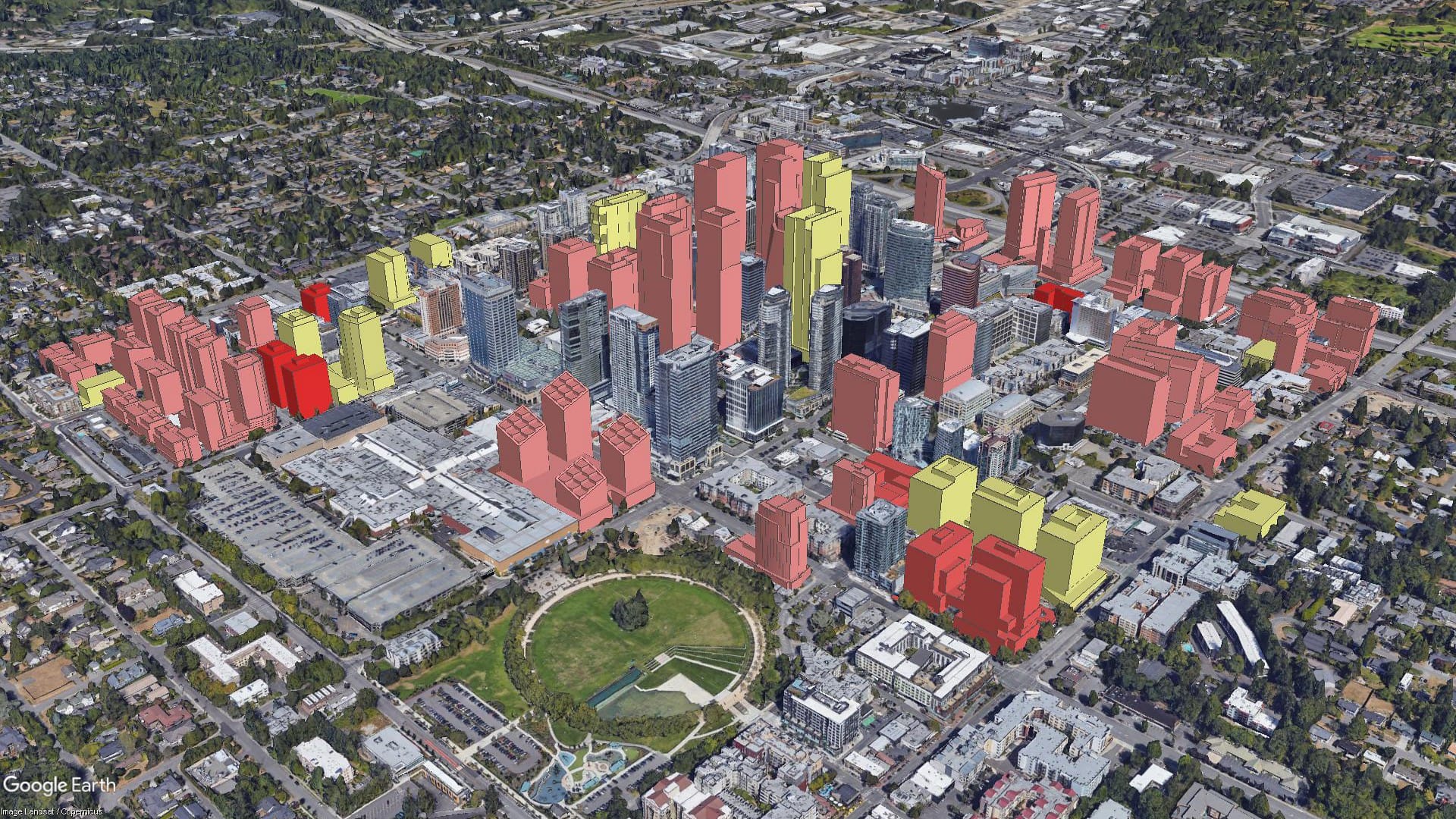
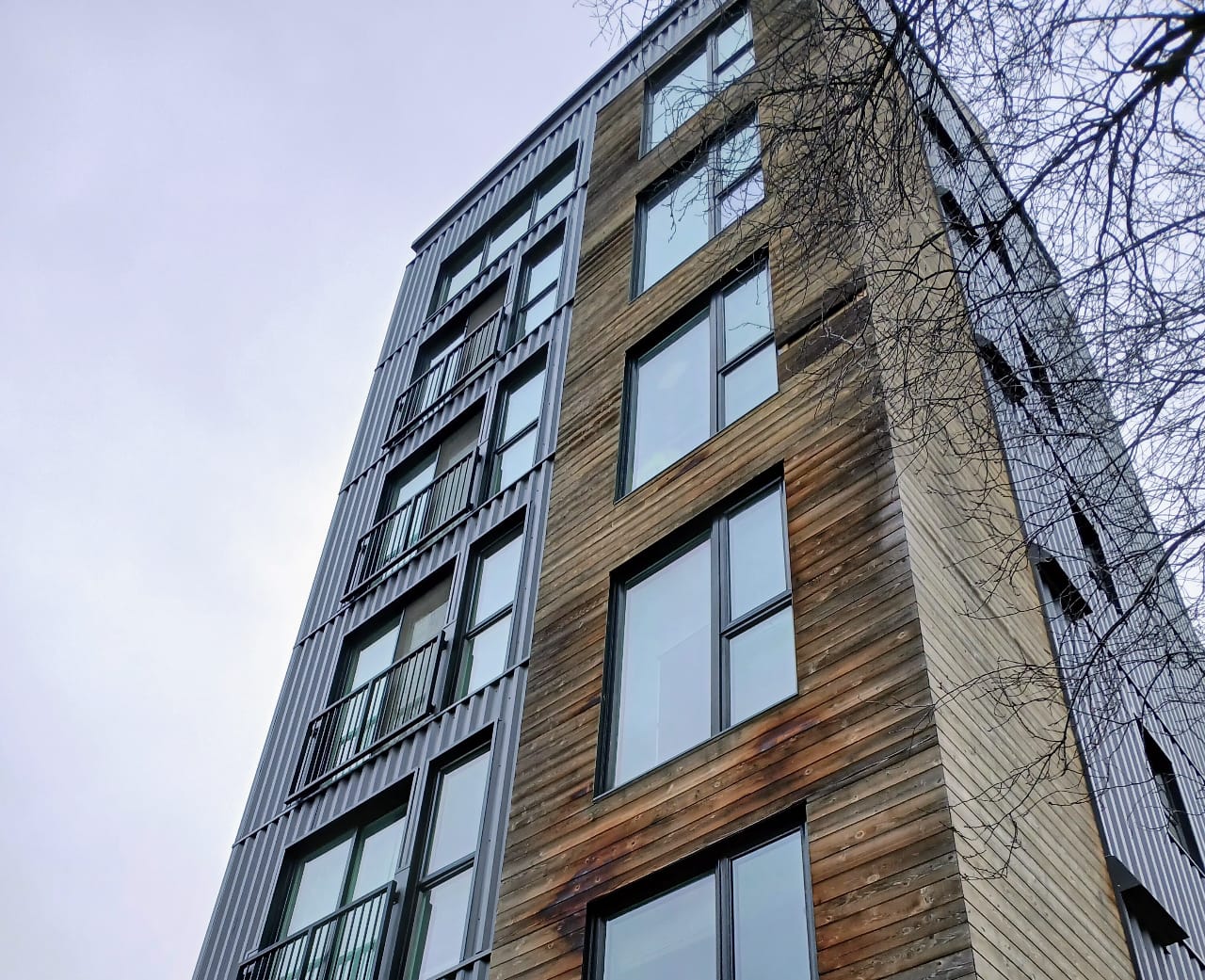
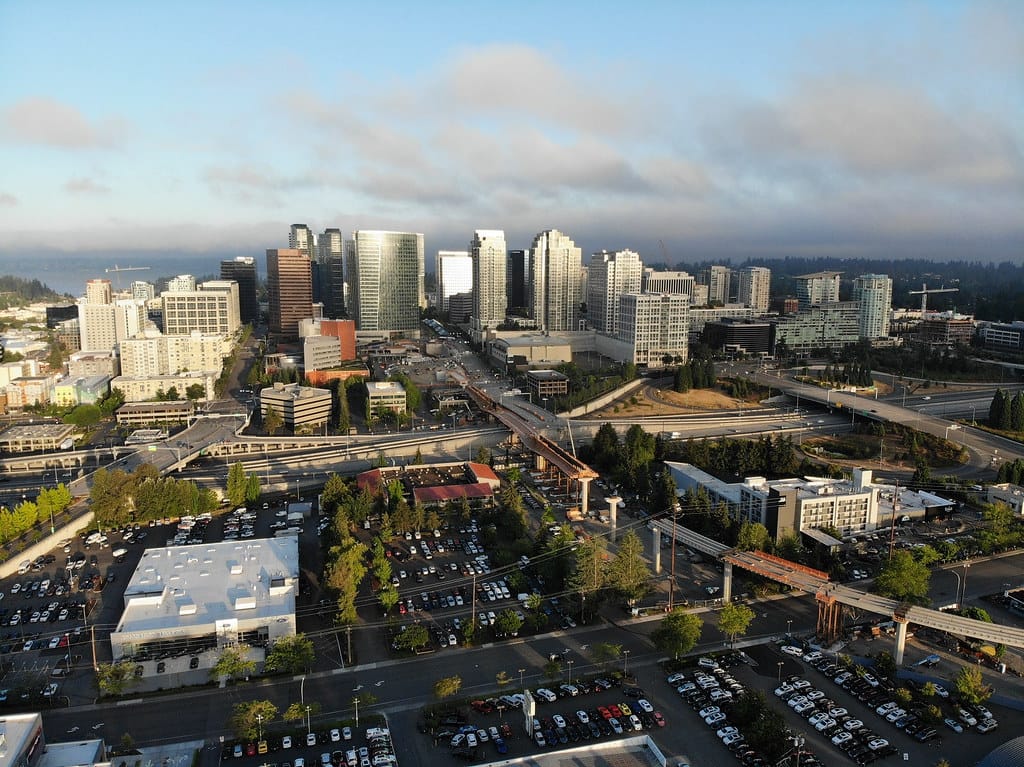
This summer, The Urbanist‘s junior editor Shaun Kuo wrote several articles about Bellevue’s development boom in its Downtown. By perusing city documents and development applications, Kuo tallied the construction, development, or permitting of 118 highrise, mid-rise, and skyscraper projects since 2018. According to his research, these developments would accommodate over 13,000 residential units, 2,000 hotel units, 16 million square feet of commercial space, and a staggering 43,300 parking stalls. For more information on the future of downtown developments presented alongside detailed categorized maps, check out Kuo’s articles here, here, and here.
City Council Approved State Action on Supportive Housing along a 4-3 Vote
Numerous Bellevue City Council accomplishments this year were kick-started by action at the state level. For example, the passage of HB 1220 required action from local jurisdictions to allow permanent supportive housing facilities in all areas where housing is allowed. After months of staff work and deliberation at both the Bellevue Planning Commission and city council, the latter finally passed a suite of code amendments along a 4-3 vote to comply with state law.
The final vote was preceded by a flurry of amendments from Councilmember Jennifer Robertson that would have added additional regulations around the siting of supportive housing facilities. Housing providers repeatedly testified to the planning commission and the council that Robertson’s proposed regulations would significantly impede their ability to create adequate housing with the necessary supportive services. Conservatives on the council countered that their regulations were to protect neighborhoods and prevent the crowding of housing facilities in particular neighborhoods. All of Robertson’s amendments failed.
Planning Work Began for Next Steps in Affordable Housing
This year, the council began taking next steps to move beyond its 2017 Affordable Housing Strategy, which set the meager goal to build or preserve just 2,500 affordable housing units in 10 years. For an affluent city of 150,000, this goal was admittedly easy to achieve, so the council initiated work on a slate of policies meant to go beyond the 10-year plan. Dubbed “Next Right Work,” the council directed staff back in the summer to advance work reducing barriers to the construction of micro-apartments, allowing higher density for residential developments, and reducing permit fees for affordable housing projects. Additionally, staff were directed to conduct initial scoping work on how to expedite the permitting process for housing developments and encourage more middle housing options.
Importantly though, only one of these actions was described in a staff report as having a high impact on housing affordability (higher residential development density). A staff recommendation to institute a high-impact linkage fee on new commercial development to fund affordable housing did not get a vote from the council. With estimates that these approved items will absorb significant staff capacity over the next 12-18 months, it is likely that residents will have to wait a while longer before more significant actions (like inclusionary zoning, a housing levy, or wider middle housing legislation) get brought forward for consideration.
Poll Results Showed Broad Support for More Housing
Just because bolder housing policies aren’t being discussed by city council does not mean that the policies are not popular. A poll conducted by Northwest Progressive Institute, Complete Streets Bellevue, Eastside for All, Housing Development Consortium, and Sightline Institute found broad support among Bellevue residents for policies like inclusionary zoning, commercial linkage fees, and allowing more middle housing options in more areas of the city. Some interesting findings from the poll, conducted between August 15-19, include the following:
- 89% of residents support allowing mixed use development (like apartments with stores and doctor’s offices underneath) anywhere in the city with good transit access.
- 78% of residents support requiring landlords to give at least 180 days’ (6 months) written notice of any rent increases more than 10%.
- 75% of residents support allowing the construction of Accessory Dwelling Units (ADUs), such as backyard cottages, in all neighborhoods.
More findings are available in articles on The Urbanist and Northwest Progressive Institute’s The Cascadia Advocate.
Mountains to Sound Greenway Missing Link in Bellevue Got a Little Bit Smaller
Significant work has been going on in the Factoria neighborhood to further expand the paved Mountains to Sound Greenway eastward along the I-90 corridor. 2021 marked the completion of important infrastructure that enables people walking and biking to pass under an I-405 off-ramp and soar over a congested Factoria intersection without mixing with vehicular traffic.
After a planned opening in January 2022 got pushed back because of the concrete strike, July 2022 saw the opening of a key extension of the trail from 132nd Avenue SE to 142nd Place SE. This extension provides an off-street path protected from vehicular traffic for cyclists traversing the steep hill of SE 36th St. With the extension, the trail currently dead-ends at 142nd Place SE to connect with the Eastgate Park & Ride and Bellevue College. However, further work to extend the trail to 150th Avenue SE has been funded through Move Ahead Washington, and Bellevue’s draft state legislative agenda has asked state officials to phase the money through 2027 to allow for construction in the coming years.