Abolishing apartment bans is how we grow as a region, not sprouting entire new cities in pasture.
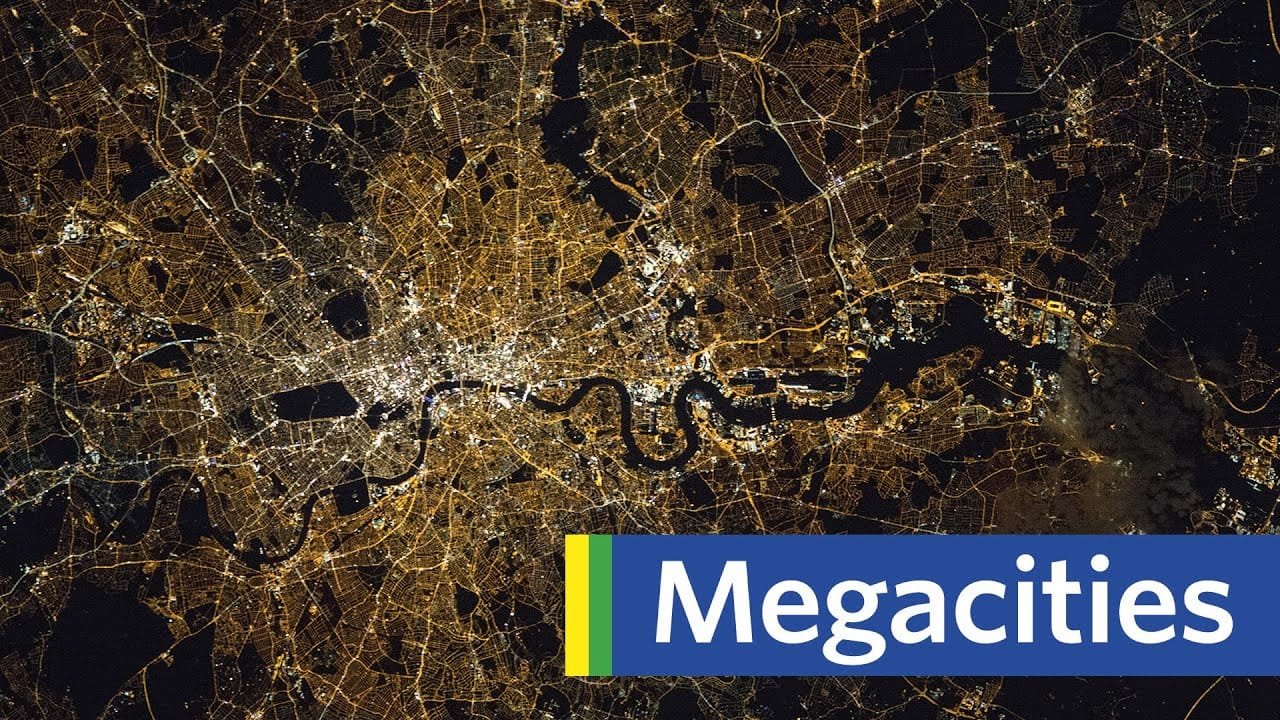
The Cascadia Vision 2050 report made it onto KUOW with its claim that four cities of 300,000 to 400,000 residents need to be built from scratch in the I-5 corridor running from British Columbia to Oregon in order to accommodate growth.
Natalie Bicknell covered the “hub cities” idea in depth in an October article. There are pros and cons, obviously, but it seems more clear the study is being used to justify a fatalistic attitude toward reforming zoning in the Seattle region, rather than an idea really centered around environmental sustainability as billed.
“Unless existing cities like Seattle are willing to bulldoze 40% of their single-family homes, those cities won’t grow dense enough to fit all the people coming to the area in the next few decades,” KUOW’s Joshua McNichols said. “Because of this, housing will get more expensive, urban sprawl will increase and emissions will rise, the report says.”
The Cascadia Vision report comes from Cascadia Innovation Corridor, a partnership between the Business Council of British Columbia and Challenge Seattle, which is led by Christine Gregoire, former Washington Governor, and brings together the region corporate moguls to try to solve problems and influence long-term planning. While the partnership made its name pushing for high-speed rail from Vancouver to Portland–which is a goal The Urbanist shares–they may be tackling the wrong problem with their hub cities plan. In contrast, Shaun Scott’s op-ed today in Crosscut laid bare that ending apartment bans is the fight, not simply to meet ambitious growth projections but to create more equitable, less segregated communities everywhere.
Ending apartment bans
The “bulldozing single-family homes” language from the report invokes the imagery of housing opponents and is misleading and inflammatory. For one, converting oneplexes (detached single-family homes) to fourplexes would not necessarily require demolitions. Accessory dwelling units (ADU) offer a way to add density without teardowns. Seattle, Tacoma, Burien, Olympia, and several other cities already laws permitting and promoting ADU conversion.
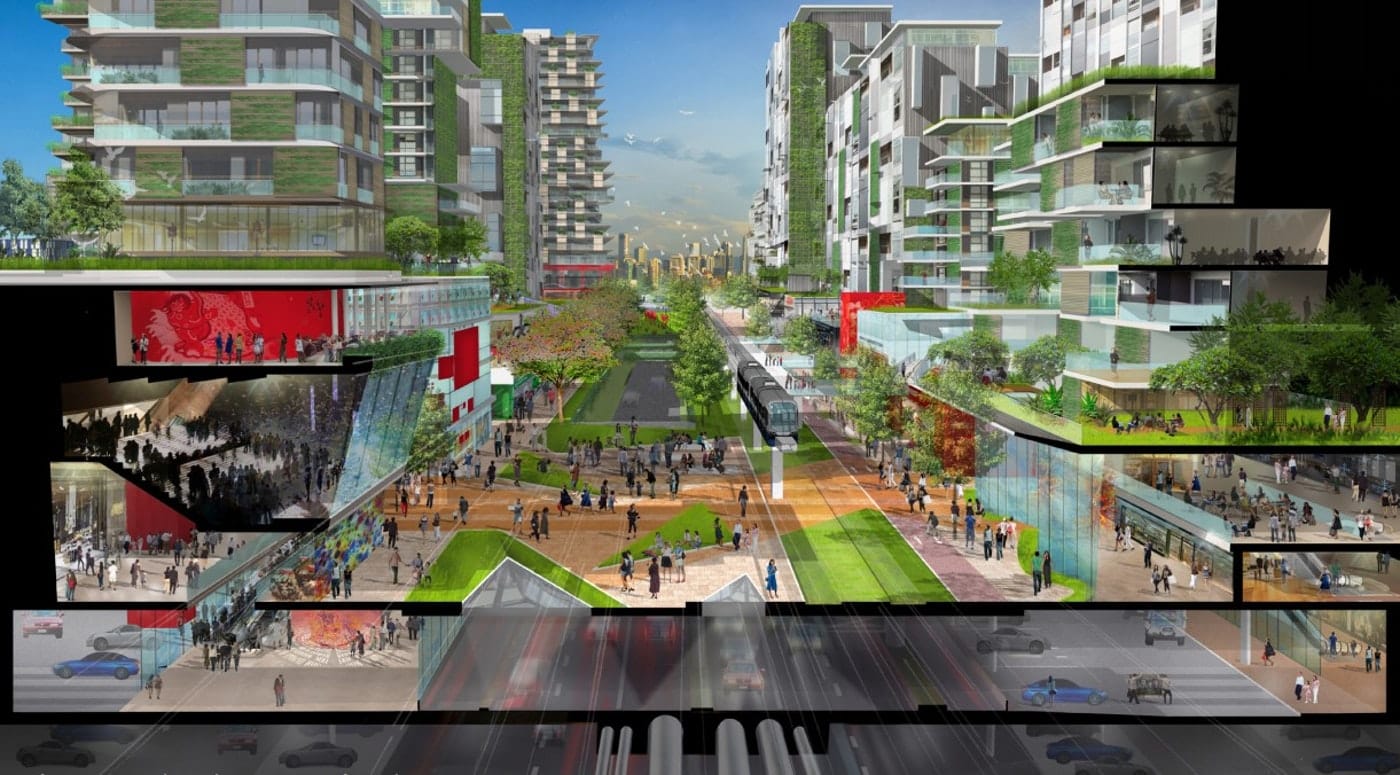
Moreover, the 40% figure sounds dramatic but over 30 years that only requires about 1.2% of single family homes to be converted to fourplexes per year. And we do not need to assume only fourplexes can be built in their place, we could allow more options than that and create something akin to the Forest City example the report cites in existing cities. Some neighborhoods are already seeing teardown rates exceeding that rate, and unfortunately too often these teardowns are leading to bigger, posher homes rather than more homes. Changing our housing rules can make the construction we’re already seeing anyway more equitable by encouraging more affordable options.
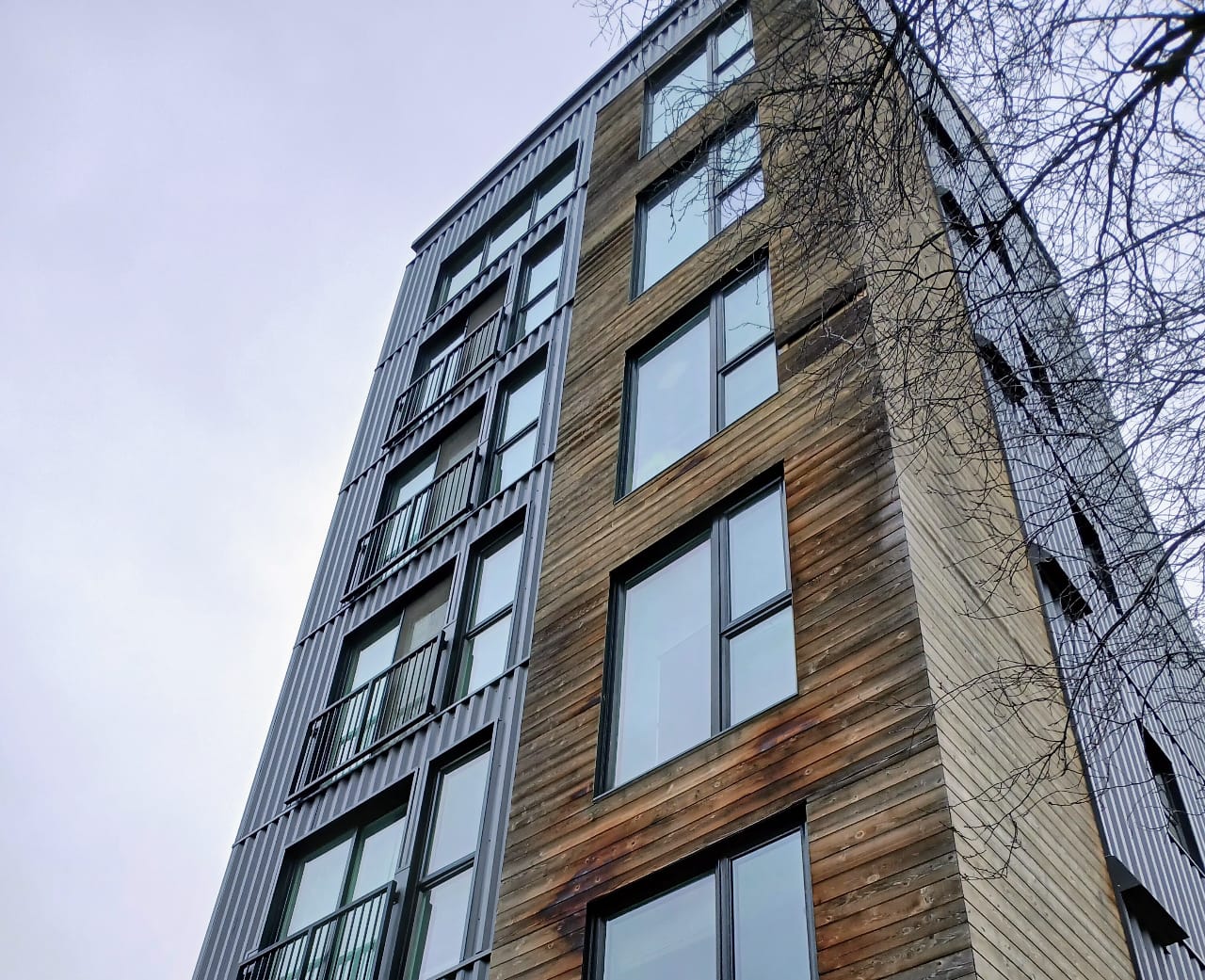
We can also promote more sustainable buildings. Washington state recently increased its height limit for mass timber towers to 18 stories. Now we just need the proper zoning to allow mass timber towers to go up in more places–and incentives and public investment to jumpstart the industry. Rather than grafting cities onto rural areas, we can build mass timber eco-districts in existing cities and generate a sustainable forestry employment boom in rural communities so they can grow in a more natural way.
Oregon recently legalized duplexes in cities statewide, and Portland made waves by legalizing fourplexes everywhere housing is allowed. Instead of arguing Washington and British Columbia should follow Portland’s lead and go further, Gregoire and friends are throwing up their hands their hands and proposing development in rural or exurban areas.
Chris Gregoire’s highway-building track record
The help Gregoire is offering the high-speed rail effort is commendable, but her track record on climate and transportation isn’t great. As Governor, she went all in on the SR-99 viaduct replacement tunnel (with a surface highway to boot) and steamrolled Seattle’s efforts to block the megaproject. This expansion of highway infrastructure in Downtown Seattle wasn’t just ungodly expensive and maligned with overruns and delays, it also blocked the alternative vision Cary Moon presented of transit upgrades and safer infrastructure for people walking, rolling, and biking. Governor Gregoire also pumped billions into highway building statewide, while underinvesting in transit.

So what are we to make of Gregoire and Challenge Seattle presenting themselves as sustainability gurus and urban visionaries? They may mean well, but it’s not clear they get it, as their push for routing high-speed rail to Bellevue rather than Seattle illustrates. The growth machine that Gregoire embodies can help us, but we need to harness it for maximum benefit rather than getting roped into dubious projects that distract from core goals around equitable development, urgent climate action, and preserving ecosystems and wilderness spaces. Megaprojects might provide lucrative contracts and windfalls to the developers, bankers, investors, and real estate CEOs that compose Challenge Seattle, but we have to be sure we’re picking the right projects and the public benefit is there.