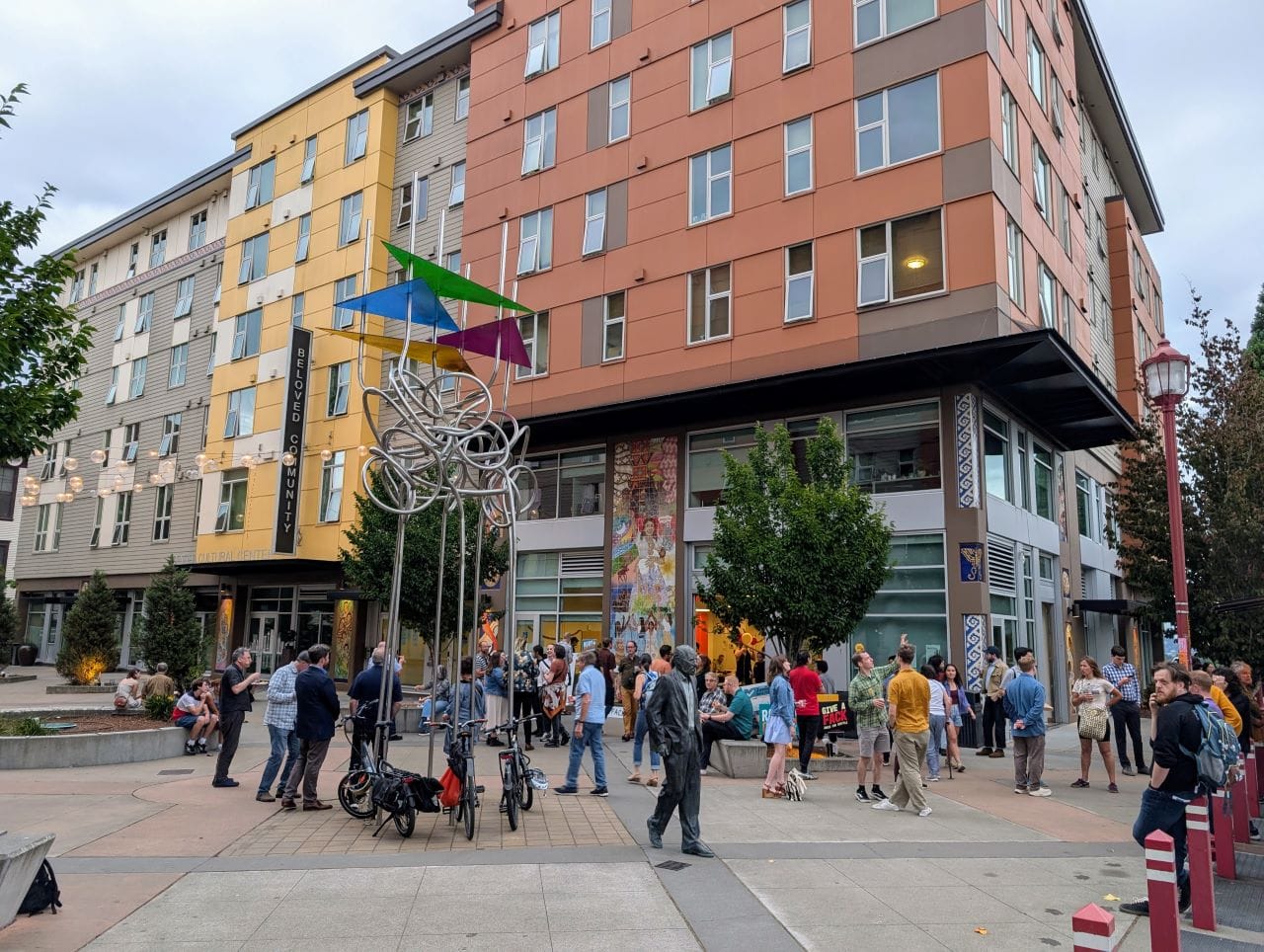
After a summer of public outreach, SDOT is hearing recurring themes people want for the future of Aurora Avenue N.
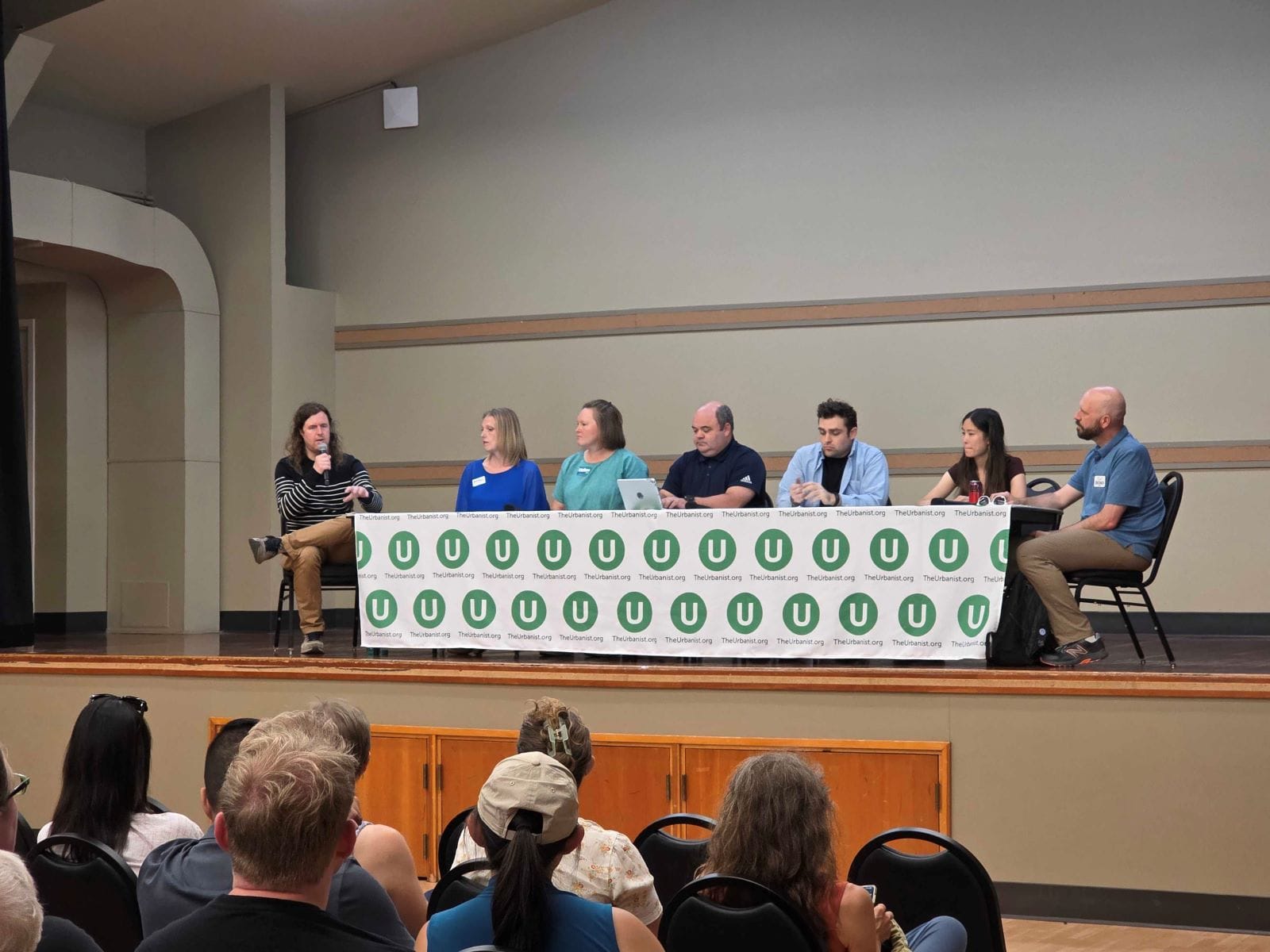
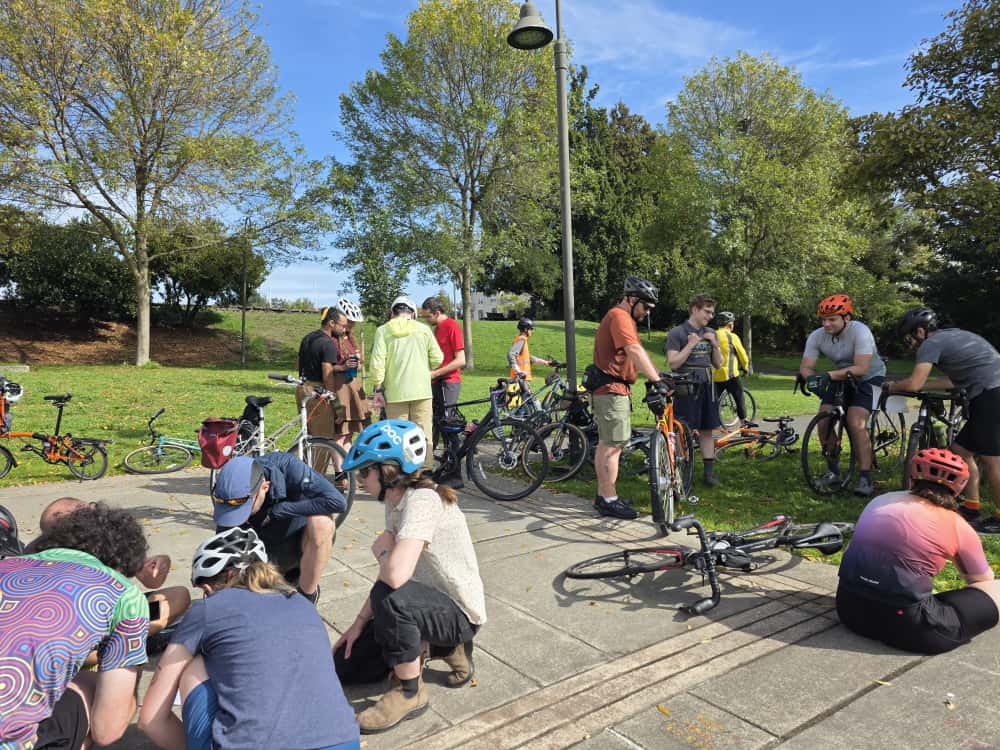
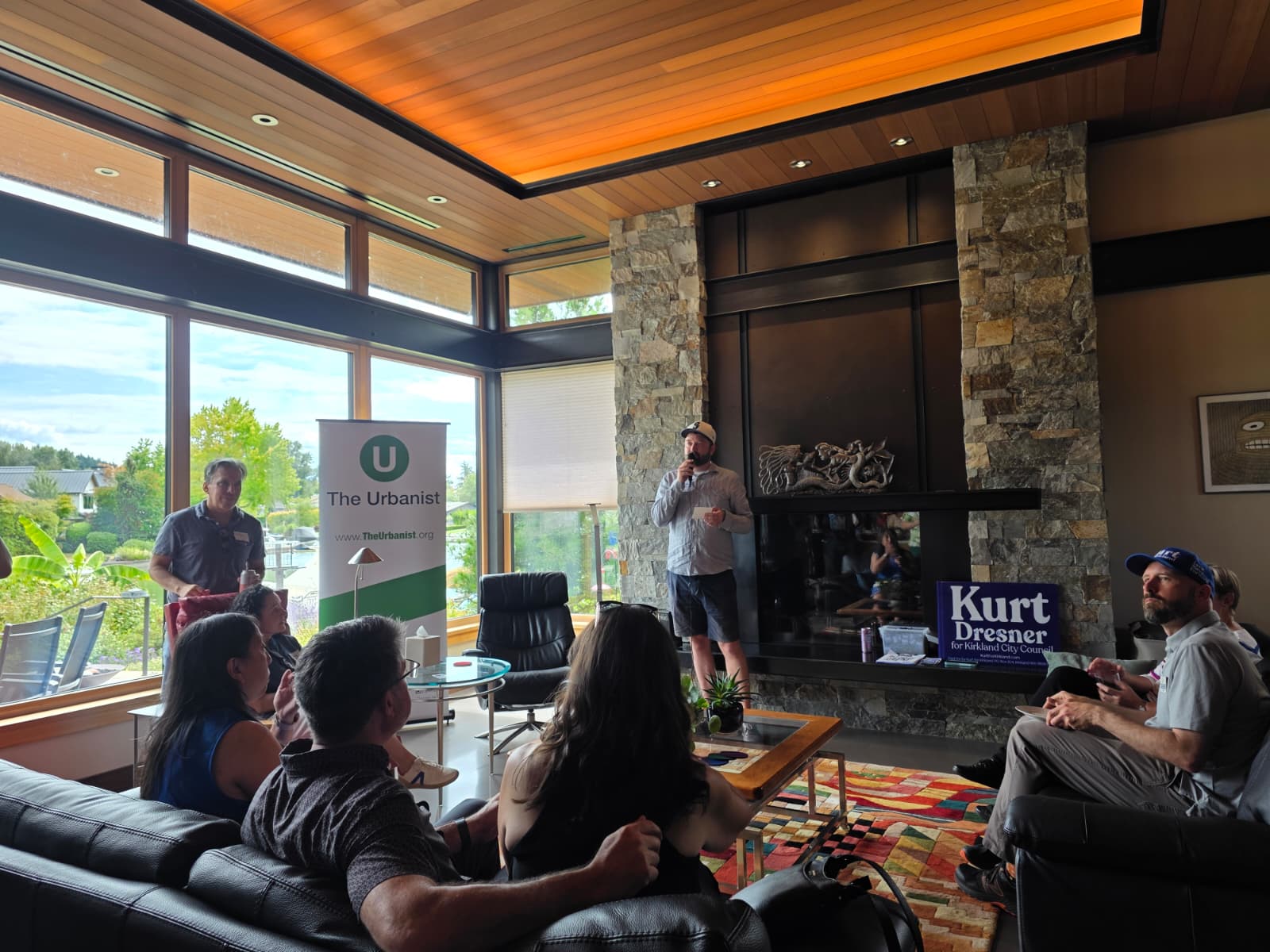
Beginning in June, the public got to partake in guided discussion sessions with Seattle Department of Transportation (SDOT) for the transformative Aurora Avenue Project. The workshops were held in various locations within the sections of the road that are being studied. Ideas varied with one common theme in mind: People want to see a safer, more walkable, and vibrant Aurora Avenue N, one that works for everyone because right now it works for no one.
Aurora Reimagined Coalition is a grassroots organization of neighbors, businesses, community organizations and safe street advocates who focus on the improvements of the corridor. Their members attended the sessions and noticed recurring themes for how people want the road designed. These themes include:
- Running buses down the center
- Narrowing the road
- Doing both
Whichever options SDOT ultimately considers will make their way into proposed options after another round of public outreach in the fall. The city process for proposed improvements always requires a baseline option of no change, which will highlight the problematic nature of the status quo, so the first option is likely to contain only minimal changes like additional sidewalks, protected crossings, and street-end plazas that won’t change Aurora Avenue N’s essential nature.
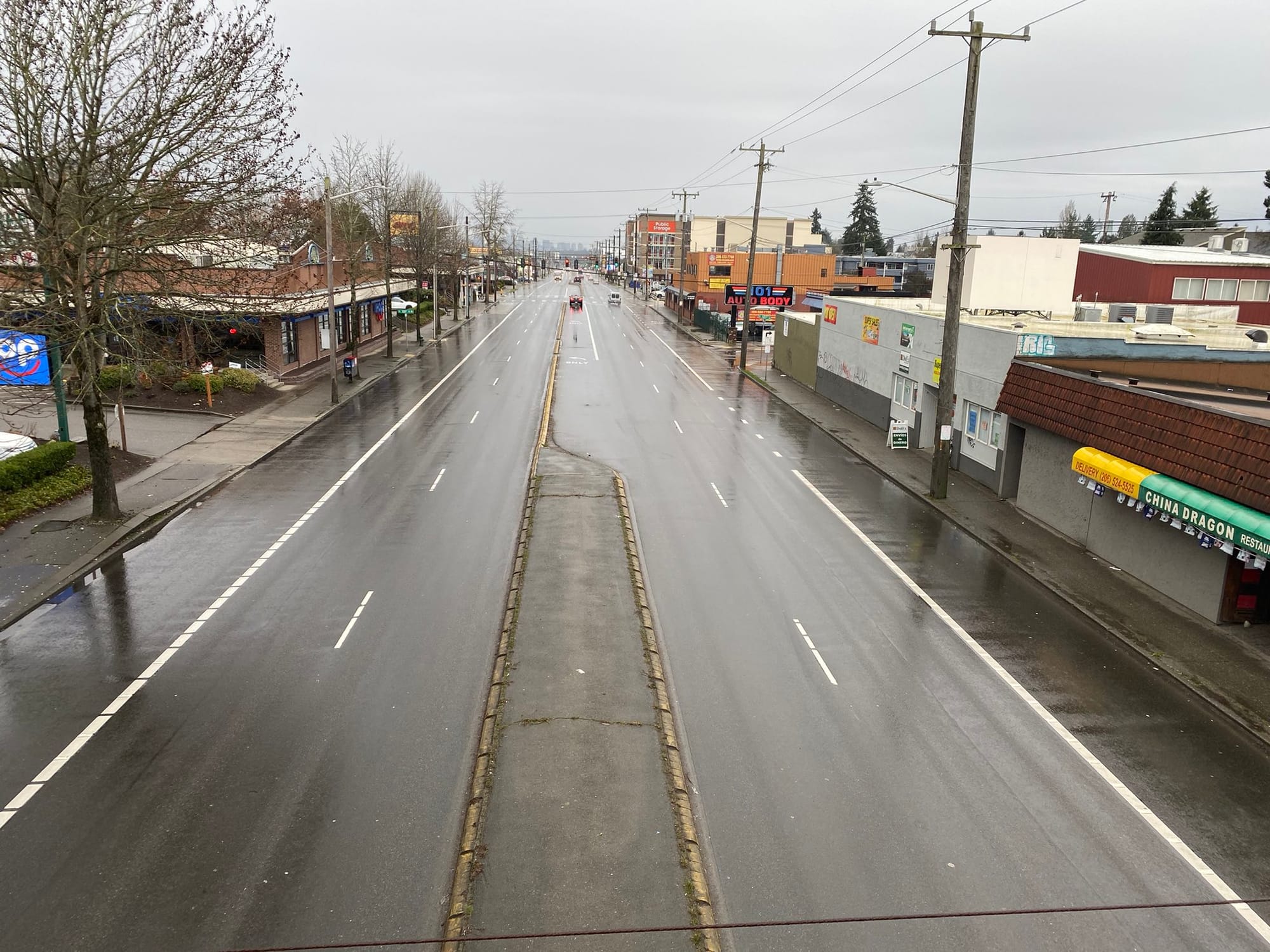
Currently, Aurora Avenue N is configured as a seven-lane road with buses running along the curbs, but feedback we heard suggests studying solutions that reposition the buses and asks whether the road really needs that much space dedicated to cars. With the Vision Zero campaign to end traffic deaths by 2030 endorsed as a guiding principle by both SDOT and the Washington State Department of Transportation (WSDOT), it would suggest the current configuration is at odds with their own outlined goals.
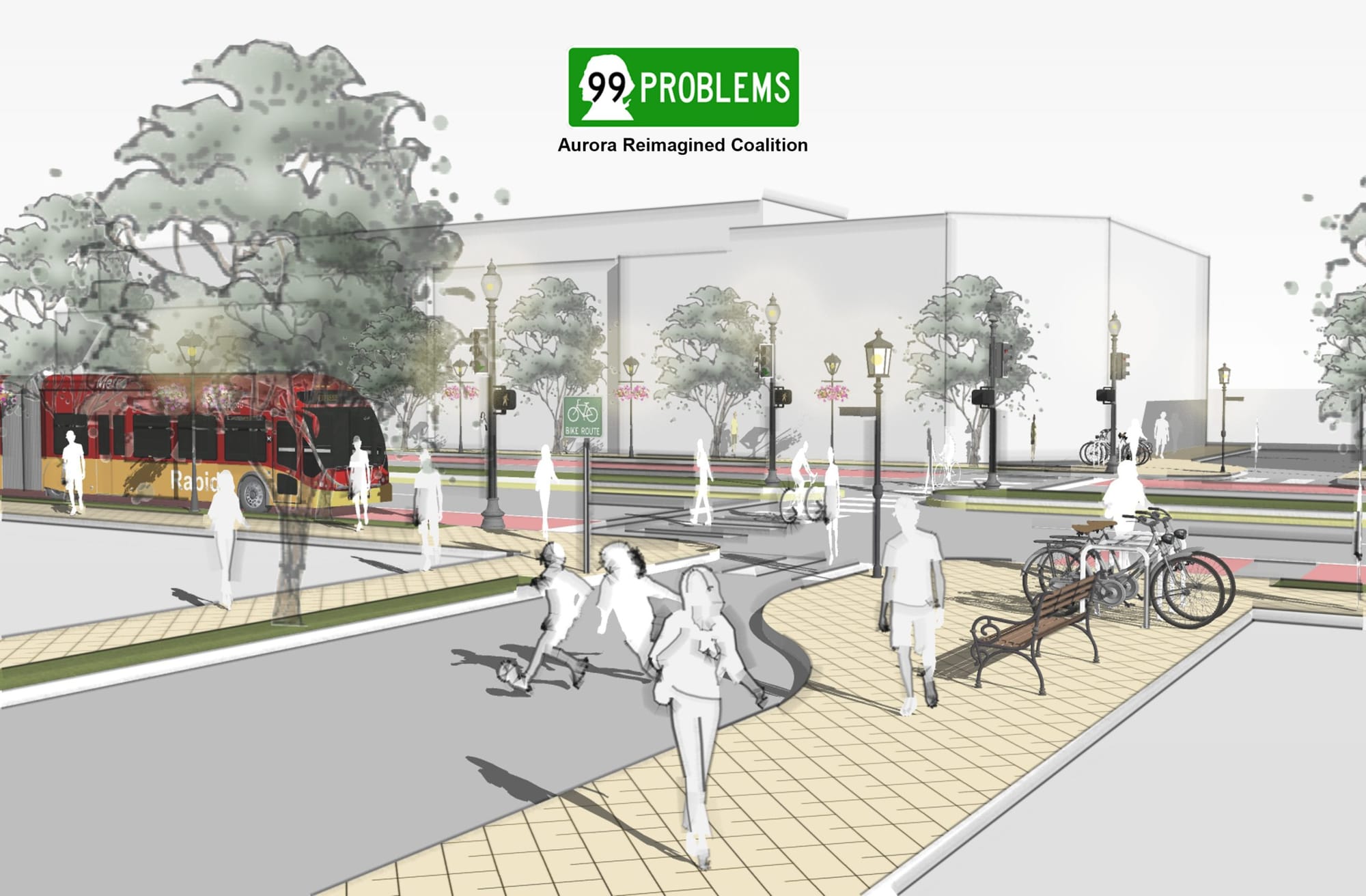
Center-Running Buses
Many attendees at the workshops suggested running the buses down the center of the highway in order to avoid traffic snags and delays from turning vehicles. This option was well received, and hopefully will be studied by SDOT and their consultants. Center-running buses provide the city the ability to smoothly transition the bus route to a light rail route when the fourth expansion for Sound Transit is voted on, passed, and Aurora gets a light rail line.
In addition, having the buses running down the center breaks the road’s scale in half. Right now, whether coming or going, on one end of your trip you will have to wait to cross seven lanes of traffic. Pedestrian leading intervals don’t add much to the clock and people with mobility issues are often left rushing to beat the countdown before the time expires. Putting buses in the middle means cutting crossing times in half, adding safety for drivers and bus riders without any real traffic disruption.
To enhance freight mobility, center-running buses give SDOT the option to turn bus only lanes into bus and freight lanes, putting heavier vehicles in the middle rather than having them share the curb and risk brushing up against pedestrians. This would be a safer solution for all and allows the median to turn into a freight load and unload space where we do not have bus stops, a current use seen today on Aurora.
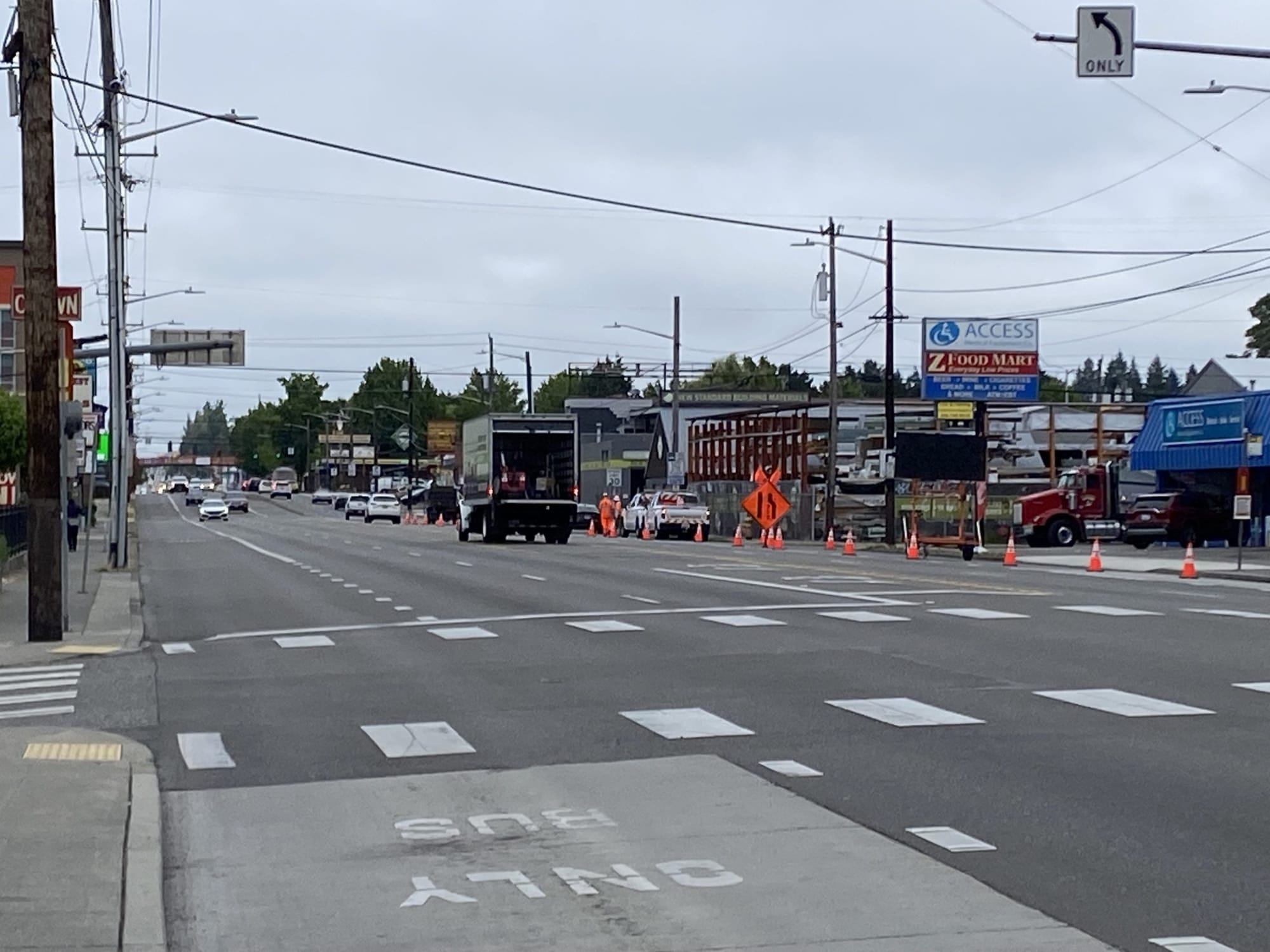
Center-running buses have been deployed around the country, including in Seattle. After a recent visit to San Francisco SDOT’s Director Greg Spotts tweeted a reply to Sound Transit CEO Julie Timm “I took a breathtaking complete streets pic” when he visited the Van Ness Avenue project which deployed center-running bus rapid transit as part of the new safety improvements. Overall, this strategy seems like a win no matter what lane count SDOT proceeds with.