On Tuesday, the Washington State Legislature’s Democratic caucus unveiled a $16 billion proposal funding a suite of transportation projects intended to be completed over the next 16 years, through 2038. The proposal represents both a dramatic shift from the proposals of years past, with a significant increase in the amount of state funding that would be allocated toward transit, walking, and biking investments. The proposal funds fare-free transit for people under 18 years old and high speed rail planning. Still, it’s a package very much tied to previous choices the state has made around transportation, with billions of dollars earmarked for highway expansion projects new and old.
State Sen. Joe Nguyen, who serves on the transportation committee, framed the package as providing huge gains in transportation access in his remarks to The Urbanist. “I feel like this package represents a lot of the values that we had from our community stakeholders…knowing that we had leadership with Sen. Liias and Sen. Saldaña with a clear perspective on what it looks like to have a transformative transportation package, Move Ahead Washington represents that in the best way we can do it.”
The “Move Ahead Washington” package follows years of attempts to pass a new revenue package, most recently during last year’s legislative session. At that time, the House and the Senate proposed competing proposals, which led to a failure to come to consensus before the end of the session. The House proposal was an incredibly ambitious one that included nearly $26 billion in spending, as well as an 18-cent gas tax increase that would have risen automatically with inflation. The Senate proposal included a nearly 10-cent increase in the gas tax, but also imposed taxes on additional items like new home construction. Former Senate Transportation Chair Steve Hobbs brokered the projects in his package through an opaque process that left out many of the most progressive members of the Democratic caucus, while Republicans in the Senate Transportation Committee voted down amendments from those progressive members and then turned around and voted against the bill. These antics earned Hobbs top billing among the zeroes in The Urbanist‘s Heroes and Zeroes recap of the 2021 session; Governor Jay Inslee promoted Hobbs to Secretary of State, opening up his seat as transportation chair.
This year, Democrats have vowed to not increase the gas tax as fuel prices continue to be national story and much of the legislature faces reelection fights in a few months. The latest proposal relies heavily on revenue from Washington’s Climate Commitment Act, which passed last year and is in the process of implementation. Its cap-and-invest program is anticipated to bring in over $5 billion through 2037, which aligns with the 16-year horizon of the transportation plan. All of that money is accounted for in the package, and must be used for projects that reduce transportation emissions.
On the highway project side, the proposal avoids a gas tax increase by relying on revenue from the federal infrastructure law passed last year, anticipating $3.4 billion in federal support, and a one-time supplement from Washington State’s operating fund of $2 billion. That supplement breaks a long-standing norm of not using operating fund revenue to fund transportation, but the idea had been increasingly discussed by both Democrats and Republicans as a way to solve transportation funding issues. It does mean, however, that funds that could be going to schools or housing would mostly go to expanding highway infrastructure, a fact that was noted in a critique of the proposal by Front and Centered, a coalition representing the interests of historically marginalized communities on the frontlines of climate and environmental change.
With a unified proposal coming from both chambers, Democrats are better positioned to pass a package than in any recent year. But they only have 30 days left in the short legislative session to succeed. Move Ahead Washington may not be the transportation package needed to fully meet the state’s adopted targets around reducing emissions from transportation, but it may be the most ambitious package that can pass this year. During our conversation, Nguyen noted that in years past, negotiations over how to modify the transportation package had started on the same day the proposal was released to the public. Here, work to develop a consensus has been underway since the failure to pass a package last year, so the amount of negotiations among Democrats will likely be kept to a minimum.
Transit investments in the plan total $3 billion
Move Ahead Washington would spend over half of the anticipated transportation revenues from the Climate Commitment Act on public transportation investments, the largest increase in state support for public transit in decades, if not ever. Approximately half of those public transit investments will come in the form of Transit Support Grants. On a per year basis, the $1.45 billion over 16 years should work out to approximately $90 million per year. Generally speaking, state support for the operating budgets at all 32 transit agencies in Washington has ranged from $70 million to $120 million in recent years. In other words, these grants could represent a doubling of state support to running buses and trains in Washington State.
The state is putting one big condition on this unprecedented allocation of funding: to receive the grants, agencies have to make transit fare-free to all riders under the age of 18. This is an interesting step given the nationwide conversation around making public transit as a whole fare-free. It’s also an easy-to-understand selling point by making public transit easy to use for families with kids and for older kids trying to get to school in an age of school bus driver shortages.
“Being able to ensure that anybody under the age of 18 has access to transit, I thought was important,” Nguyen said. “I want young people to use our systems… I want to build a culture of public transit so we don’t just have another generation of folks who are just like ‘what kind of car should I get?'” he said.
It remains to be seen how those grants would be allocated. In 2019, two-thirds of all passenger trips on public transit happened on King County Metro’s services. If grants are allocated based on the share of ridership, the grant program would be reinforcing existing inequalities in transit service across the state, replaying the way that federal coronavirus relief was allocated. It’s clear that there will have to be a different way to determine how much funding goes to each agency, but we’ll have to wait for details to be finalized as there are currently none to be found in the spending bill. Nguyen said those details will be worked out in the coming month but that equity considerations would be top of mind.
There are many other transit grants in the package as well: $600 million for special needs transit grants, $400 million to upgrade buses and bus facilities, $200 in green transit grants, $80 million for tribal transit grants, and $25 million for trip reduction programs.
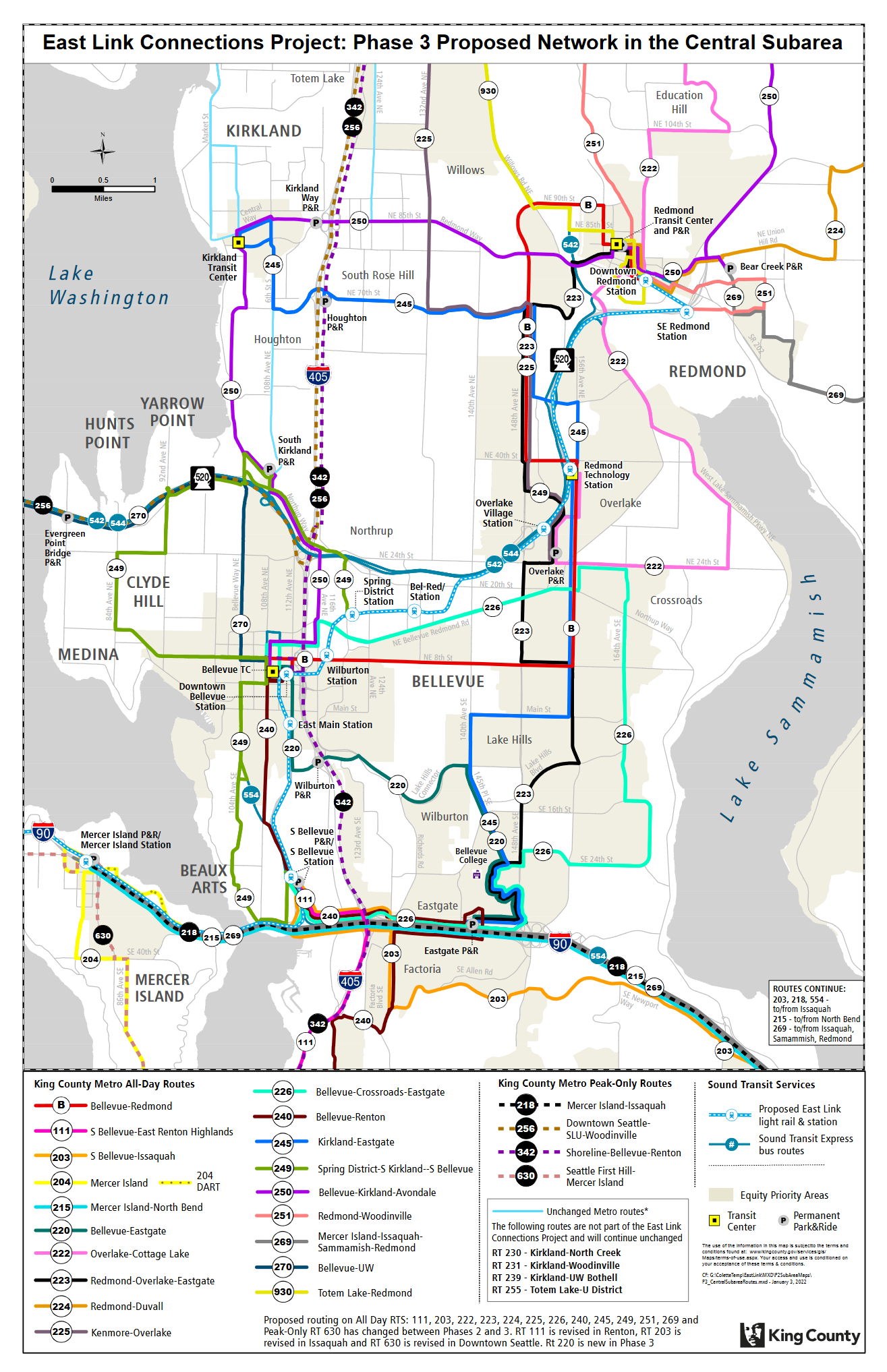
The plan also includes $238 million in earmarked transit investments, paying for specific corridor and bus electrification projects across the state. Here are some of the projects included that impact Central Puget Sound:
- $30 million for three Community Transit Swift line expansions: the Silver Line, the Gold Line, and an extension of the existing Green Line;
- $8 million for King County Metro’s RapidRide I Line project, specifically for the segment in Auburn;
- $7 million for upgrades to King County Metro’s RapidRide H Line project in Burien along Ambaum Boulevard; and
- $5 million for electrification at King County Metro’s South Base.
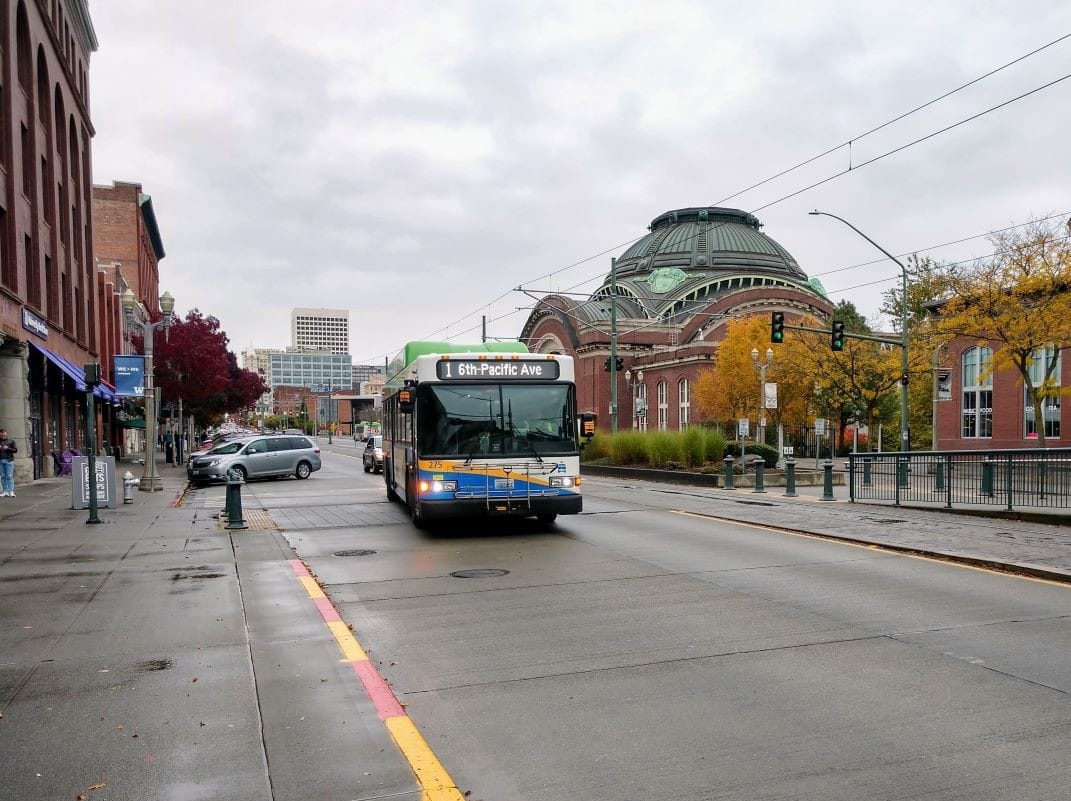
Also included is $60 million for transit “access improvements” near soon-to-open light rail stations along the Tacoma Dome and Lynnwood Link extension projects. These vaguely described projects may come with a road expansion component and will warrant further scrutiny.
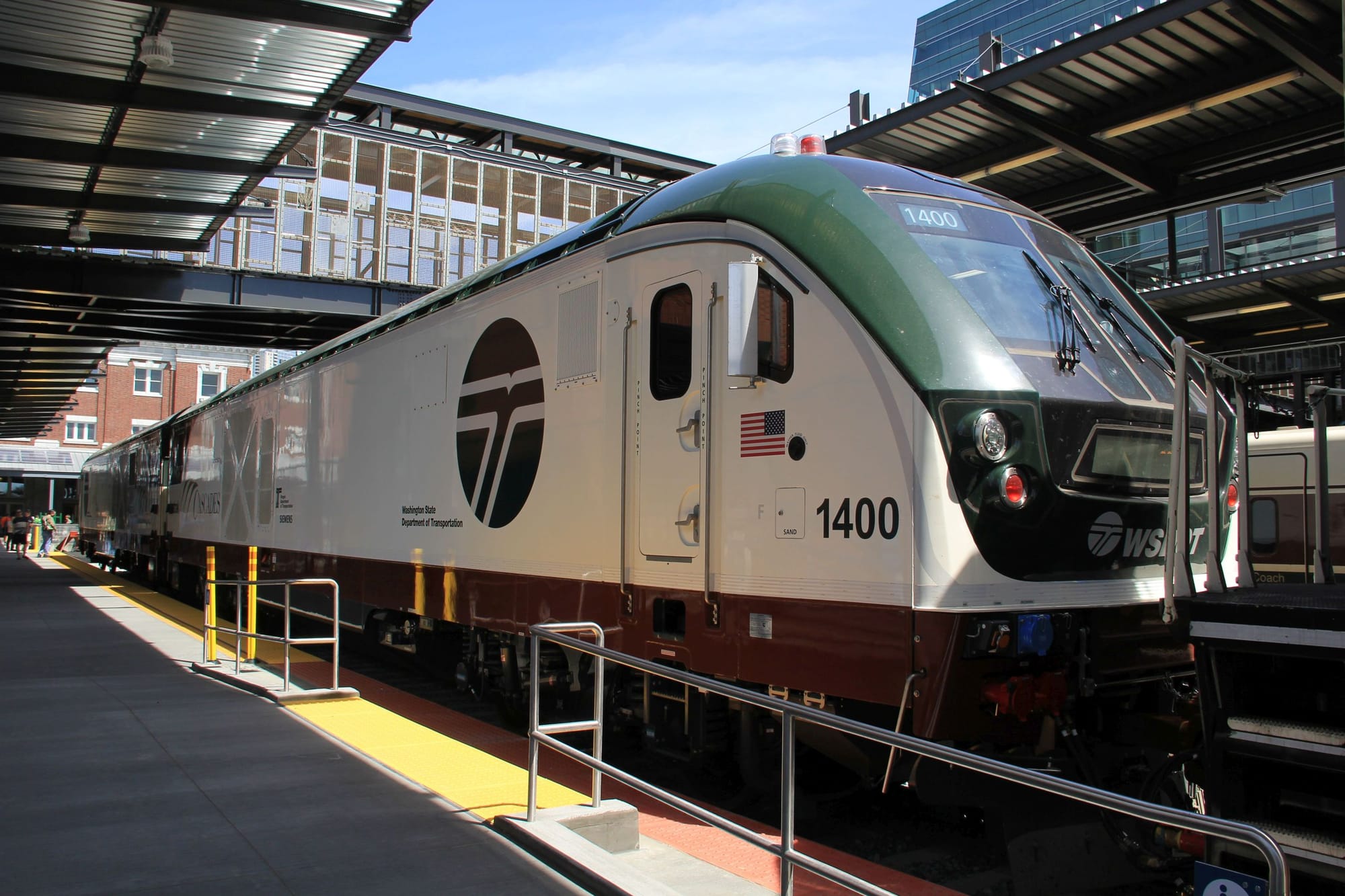
$150 million to advance high-speed rail investments
The proposal also includes an allocation of $150 million to move forward the concept for a high-speed rail network in Washington. This won’t be enough to fund construction, but will move the concept into a project development phase, which will likely include public engagement, additional scoping, and environmental review. State funding could make a Cascadia high-speed rail corridor competitive for federal funding or even attract private investment, with companies like Microsoft fully on board with the project.
Active Transportation investments total nearly $1.3 billion
Move Ahead Washington includes much more money to improve transportation infrastructure for people who get around by walking and rolling than has ever been included in a transportation package in Washington. Most of this funding will come in the form of grants, significantly expanding existing sources of funding handed out by the Washington State Department of Transportation (WSDOT) to cities, counties, and tribes. For example, the proposed $568 million in Safe Routes to School and Bicycle and Pedestrian grants over 16 years would translate to around $70 million for every biennial state budget. By comparison, in the current biennium, the legislature had allocated $47.5 million, and that was after a special allocation. Since 2005, the legislature has handed out only $251 million through those grant programs, so the amount would double in this proposal.
Also included is $146 million in grants for cities to remake existing streets to create space for people to walk and roll via Complete Streets investments.
$50 million would go to Connecting Communities grants, a program Sen. Nguyen tried to get into the package last year and failed, despite the relatively modest sum requested. Nguyen described this grant program as intending to provide additional infrastructure in neighborhoods that haven’t been heavily invested in historically, giving people new ways to connect to transit and improving bicycle and pedestrian infrastructure.
There’s also $278 million for a school-based bike program to provide free bikes to students at public schools across the state, with a focus on schools in underserved communities. It would also provide cycling education at those schools.