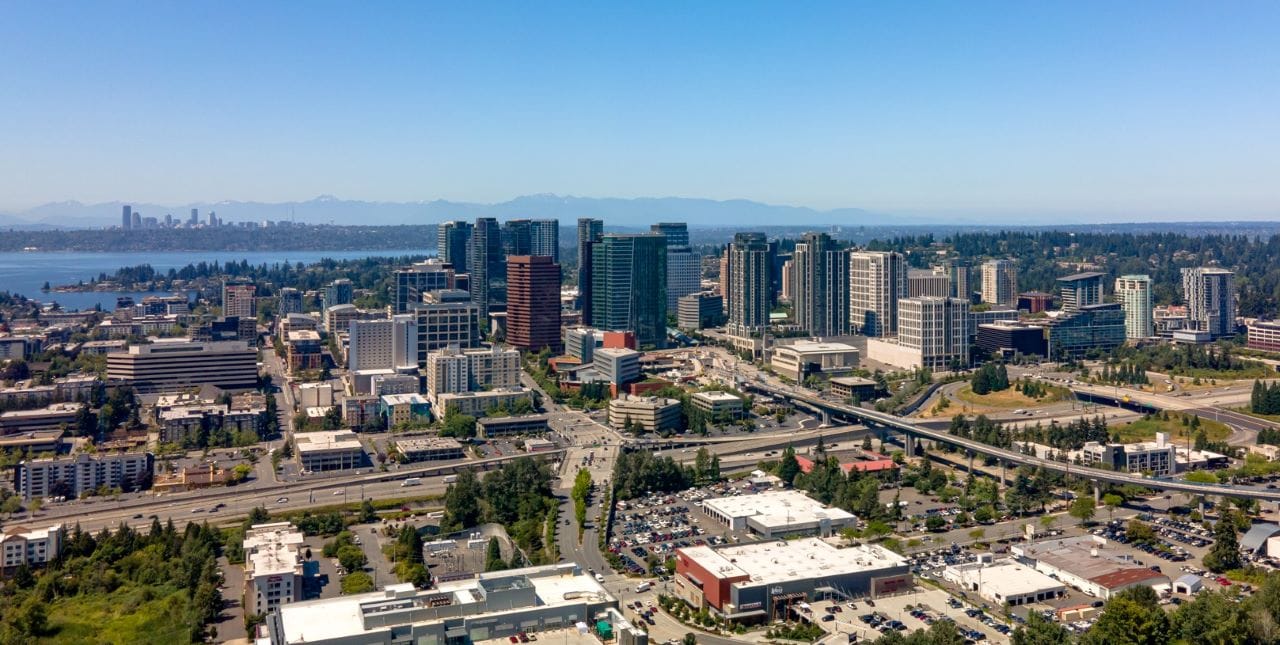
Yesterday, Puget Sound Business Journal published a story on Bellevue’s affordability efforts. Despite some optimistic quotes from local leaders, Bellevue has yet to crack the code or doing anything of note, as far as I can tell. Notwithstanding bluster about outdoing Seattle, Bellevue suffers from the same problems, and arguably is worse off and doing less about it.
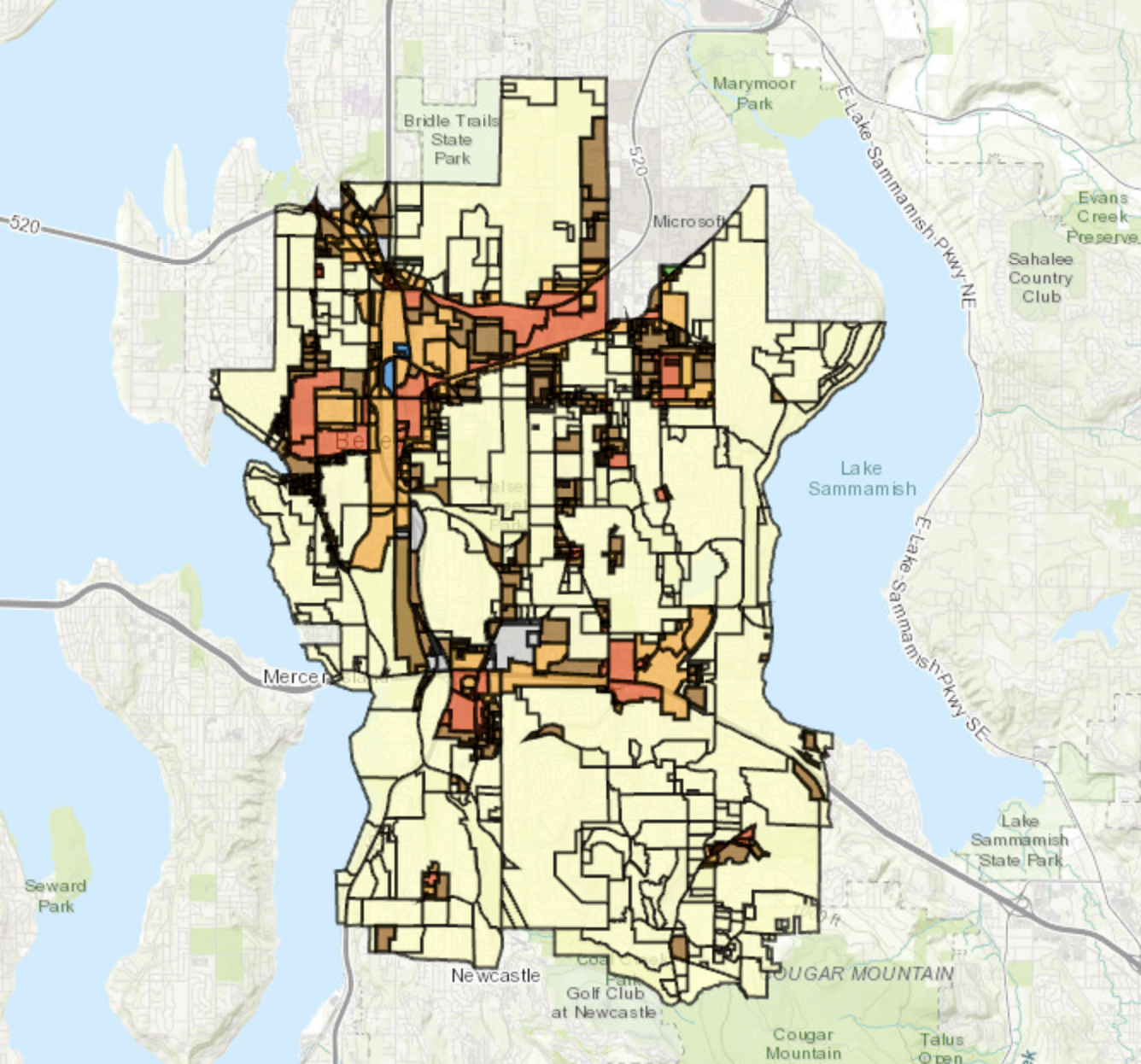
Approximately 75% of Bellevue is zoned for detached-single family homes. Backyard cottages are illegal in those zones and the rules around attached accessory dwelling units (ADU) are restrictive, and unlike Seattle and several other Puget Sound cities, it hasn’t passed reform liberalizing ADU rules.
Four-term Bellevue City Councilmember Jennifer Robertson has even argued changing single-family zoning is impossible because of Bellevue’s “heavy clay soil” and the need for expensive sewer upgrades, which Bellevue, despite being one of the richest cities on earth, apparently can’t afford.
Robertson remains popular. She most recently defeated civil rights attorney James Bible, former head of the King County chapter of the NAACP, garnering more than 60% of the citywide vote. Bible argued the city was too beholden to Amazon, ill-prepared for the influx of office workers, and needed to boost funding for social housing.

Bellevue has followed in Seattle’s footsteps in funneling the bulk of its growth to its downtown core. Tony Lystra’s reporting suggests Bellevue Mayor Lynne Robinson still is hoping that can work: “None of those policies touches single-family homes, Robinson said. Still, she said, with 30% of downtown yet to be built out, there’s a chance for Bellevue to make condos and apartments affordable for those with more modest paychecks.”
Zillow pegs the median home value in Bellevue at $1,056,000, while RentCafe estimates the median rent in Bellevue at $2,188–$200 higher than Seattle’s current median. It’s also on a starling trajectory. “The city saw a 33% jump in its rental prices between 2019 and 2020, according to the Bellevue Chamber of Commerce, one of the steepest increases in the nation among similar-sized cities and larger,” Lystra noted.
This is a city with an affordability crisis arguably worse than Seattle’s, caught flatfooted about it, but still acting superior and on top of things.
Bellevue badly needs to tackle its restrictive zoning and land use policies, like nearly every city in the region. But unlike many other suburbs, Bellevue is a hotbed of high-end office growth to serve the various tech giants. Amazon has made a splash pledging it will bring 25,000 jobs to the city in the next four years, while hinting it will spurn Seattle due to frustration with its failure to buy the Seattle City Council and thus prevent the City from taxing it. In 2020, the Seattle City Council passed a progressive payroll tax (which hit Amazon most of all) as part of the JumpStart Seattle plan aimed at Covid relief and funding social housing.
Likewise, Kirkland is focusing its rezone efforts on promoting office growth rather than housing growth. It’s NE 85th Street plan calls for nearly four times as much office space as housing, with a 10-acre site near its NE 85th Street bus rapid transit station set to become a major expansion of Google’s Kirkland campus. Kirkland, at least, liberalized its ADU rules to allow two per lot.
Eastside leaders seem to relish the opportunity to siphon corporate jobs from Seattle, but they haven’t grappled with the consequences to their local housing crises. While they tout housing investment efforts from Microsoft and more recently Amazon, municipal leaders have yet to provide the broad upzones those corporations say are needed to support their job growth with housing growth.