In Seattle’s latest update to its energy code, bans were levied on fossil fuel and electric resistance heating systems in commercial buildings and three-plus-story multifamily residences. One exception to that ban was for district heating systems that can and do burn carbon fuels in Seattle. District heating is a subset of district energy, which according to the United States Energy Information Administration involves systems that have a central plant or plants that produce steam, hot water, or chilled water that is then pumped through a network of insulated pipes to provide space heating, cooling, or hot water for nearby buildings. More than 660 district exist in the United States.
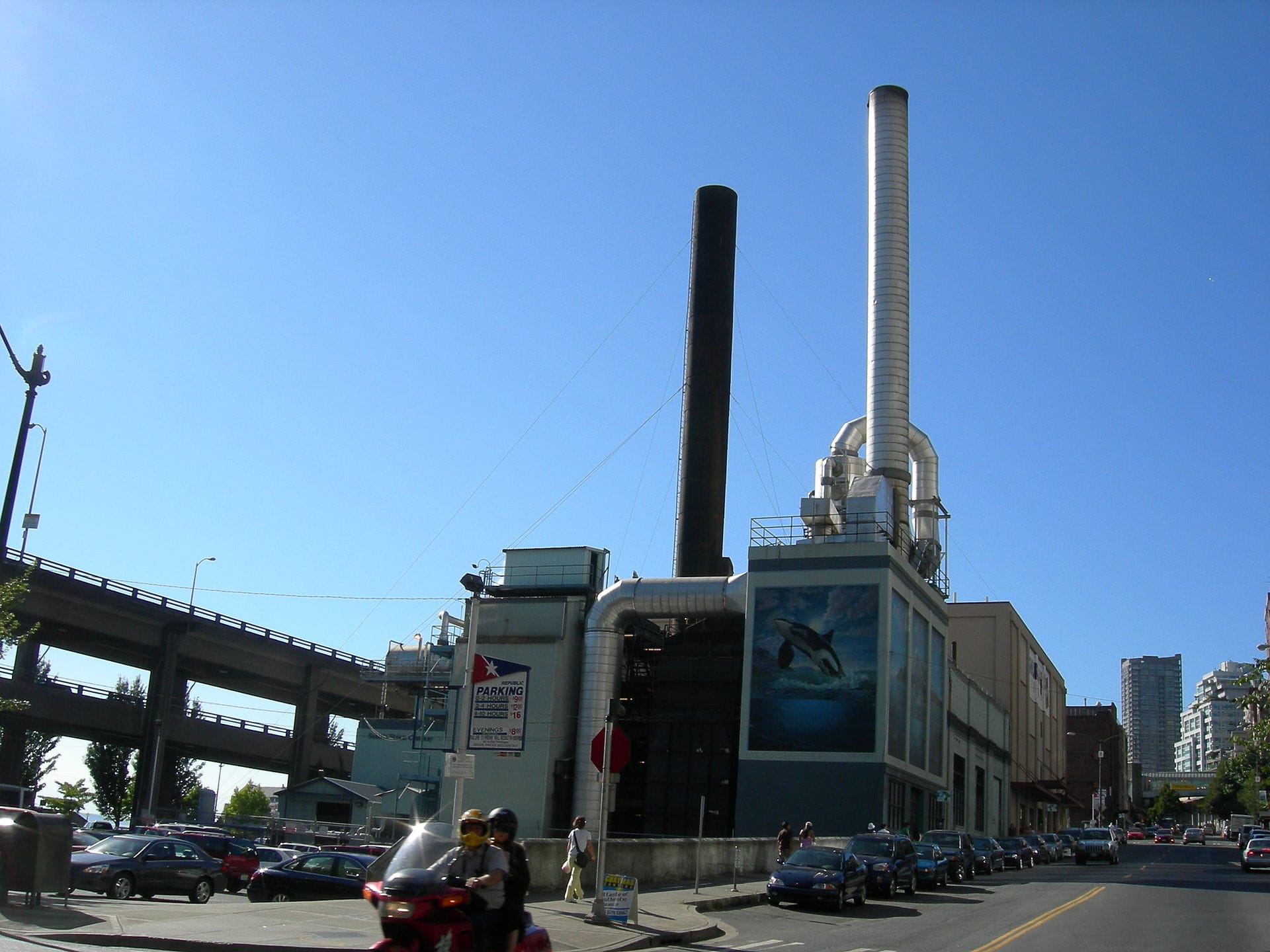
One of these systems is operated by Enwave Seattle (formerly Seattle Steam Company), which has been has been heating buildings in the downtown area and First Hill since the 1890s with piped steam that is generated from centralized boilers. The district heating company has used coal, oil, biomass, natural gas, and electricity to power its boilers. Today, the company burns natural gas to provide heat and hot water to around 200 buildings. Another similar system exists at the University of Washington that operates a central power plant of five natural gas boilers that supply steam heat, chilled water air condition, compressed air, and emergency power to all the buildings on the main campus and medical center.

While many district energy systems currently burn fossil fuels, they do operate with high energy efficiency at economies of scale. Most of this advantage manifests in being able to aggregate the varied heating and cooling loads of multiple nearby buildings into a more steady and predictable combined load, which is generally more efficient than an inefficient need to ramp up and down heating and cooling systems of individual buildings. The distribution system of a district energy system also has the effect of energy storage, which smooths out energy generation of the central plant and allows the central plant to operate at high load factors. This operation results in higher levels of efficiency by reducing the need for excess peak heating or cooling capacity. The large scales also allows for cost efficient operation of high efficiency technologies and equipment like condensing economizers that wouldn’t be feasible for the smaller heating systems of individual buildings.
Why district energy matters
In the United States, spatial heating, air conditioning, and water heating consist of the vast majority of our residential energy consumption. According to the 2015 Residential Energy Consumption Survey, just shy of two thirds of American single-family residential energy use is consumed by space and water heating. Including air conditioning takes that fraction up to three quarters. Apartments brings that fraction down to up to two thirds for all three needs. Residential temperature regulation is also a major contributor to American greenhouse gas emissions, as the combination of natural gas, propane, and fuel oil/kerosene dominate U.S. household end-use energy consumption.
While many existing district energy systems also use fossil fuels, they are immensely flexible with the kind of fuel used to power their equipment. At home, the Seattle Steam Company–now Enwave Seattle–was converting its then oil-fired boiler to electricity-powered boilers in the 1970s. At one point, it was one of Seattle City Light’s four largest costumers, but Seattle Steam converted its boilers to natural gas in 1977 after Seattle City Light faced an energy shortage. Close by, Amazon’s headquarters relies on a district energy system powered by waste heat from a nearby data center.
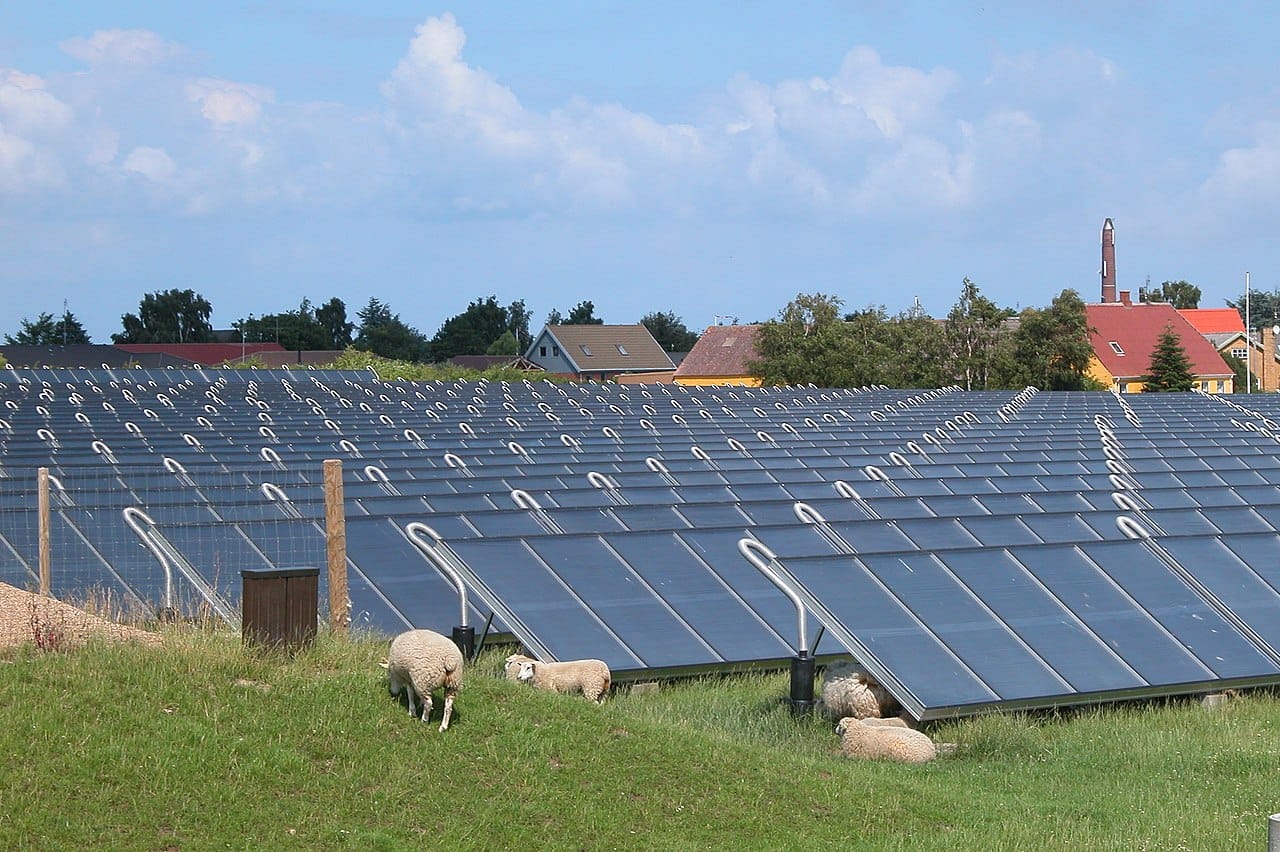
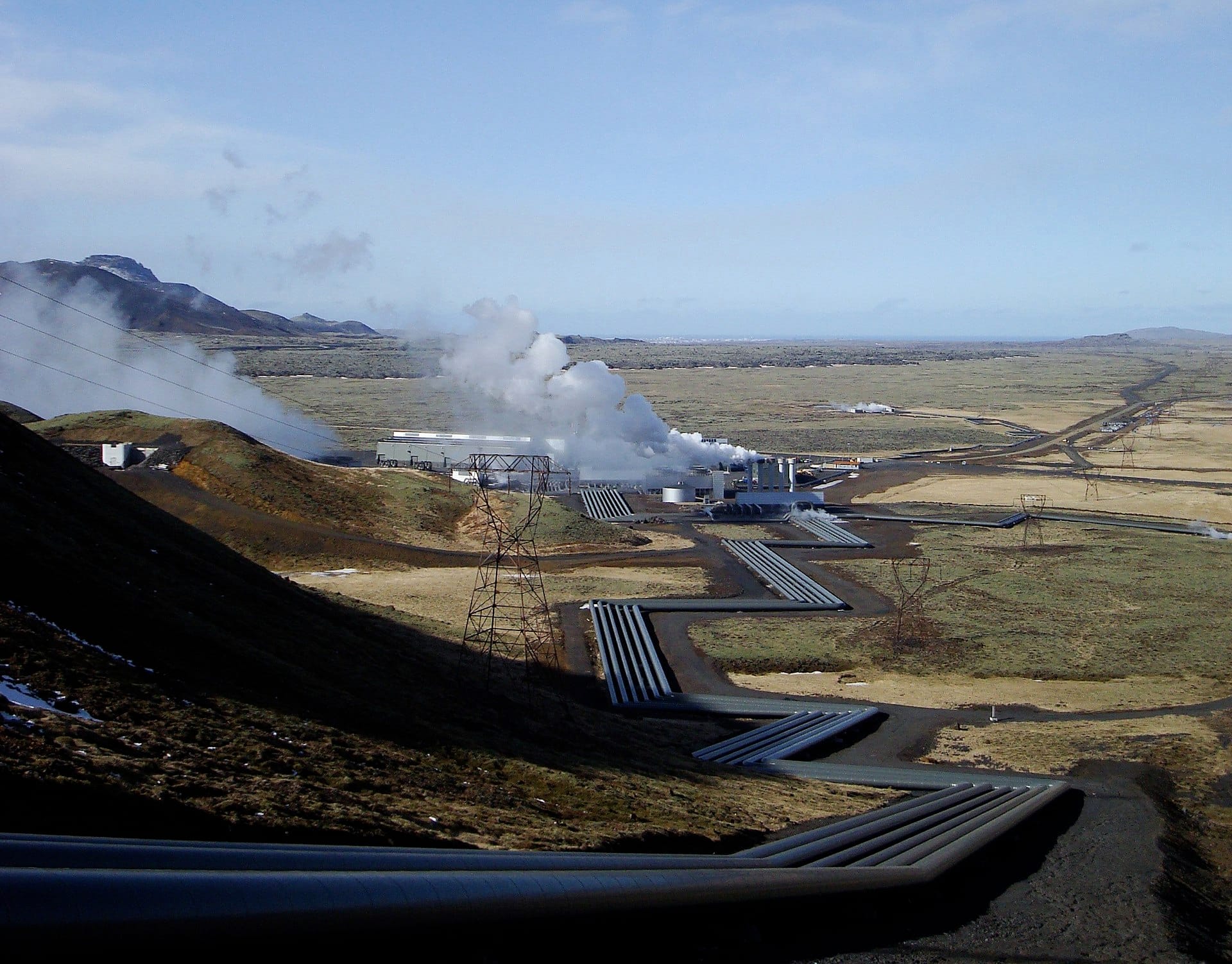
Not only can district energy systems be electrified to take advantage of a non-carbon power grid, but it can use heat and energy generated by power generating and industrial processes–like you see with Amazon’s data center waste energy system–that typically goes uncaptured. Cogeneration of heat and power from nuclear, solar, and geothermal energy can be and is used for district energy systems. These systems have also been utilized by countries with high deployment of variable renewables, wind and solar, to convert excess energy–that could threaten grid stability–into heat for later use to reduce need for curtailment.
“For building developers and owners, district energy reduces the capital cost of developing an office building by cutting the boiler and chiller plant cost from the project, frees up valuable space within the building for productive service, and increases overall architectural design flexibility. … Building tenants can experience enhanced comfort and convenience through lower noise and vibration levels, and better space utilization
Energy Efficiency and Energy Security Benefits of District Energy report to Congress in July 2019 by the Department of Energy
Energy Efficiency and Energy Security Benefits of District Energy report to Congress in July 2019 by the Department of Energy