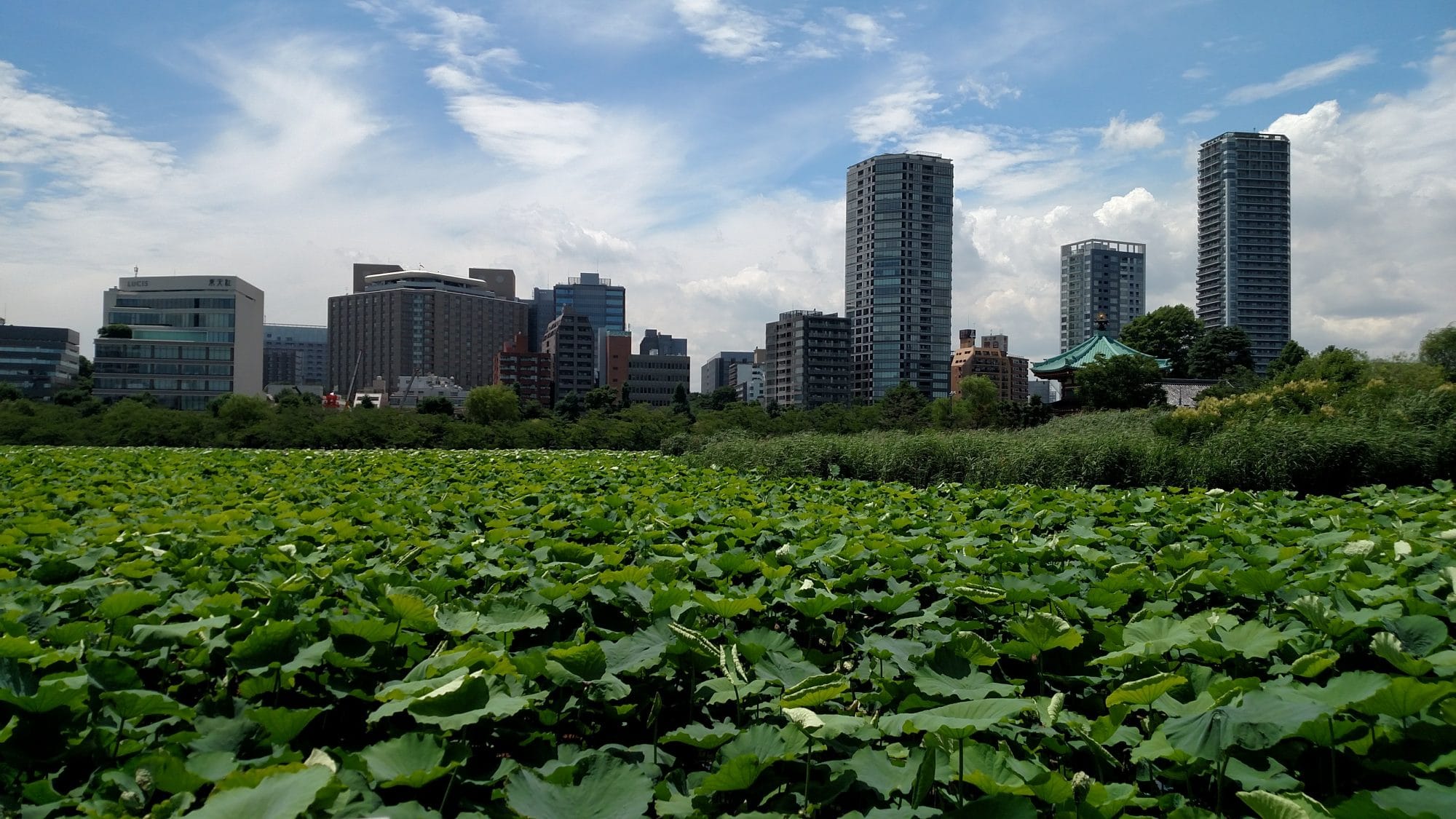
I took a trip to Tokyo in July and thought I’d share some impressions. We stayed in Shiodome, a centrally located neighborhood connected to several subway lines known for its office towers of salary men. Subways are so dense here Shiodome station and Shimbashi station essentially meld into one, connected by multilevel pedestrian streets lined with restaurants and stores, an image hinting at the scale of urbanism Tokyo offers.
The first thing that struck me about Tokyo: its transportation system was every bit as efficient as I had heard. We arrived at a time when Seattle would have been ground to a standstill with afternoon rush hour, yet the bus we took from the airport to the hotel didn’t get stuck in traffic. Partially this is a reflection of congestion pricing–the bus used a tollway to reach downtown Tokyo–but also very high transit use and walking rate across its very large metropolitan area.
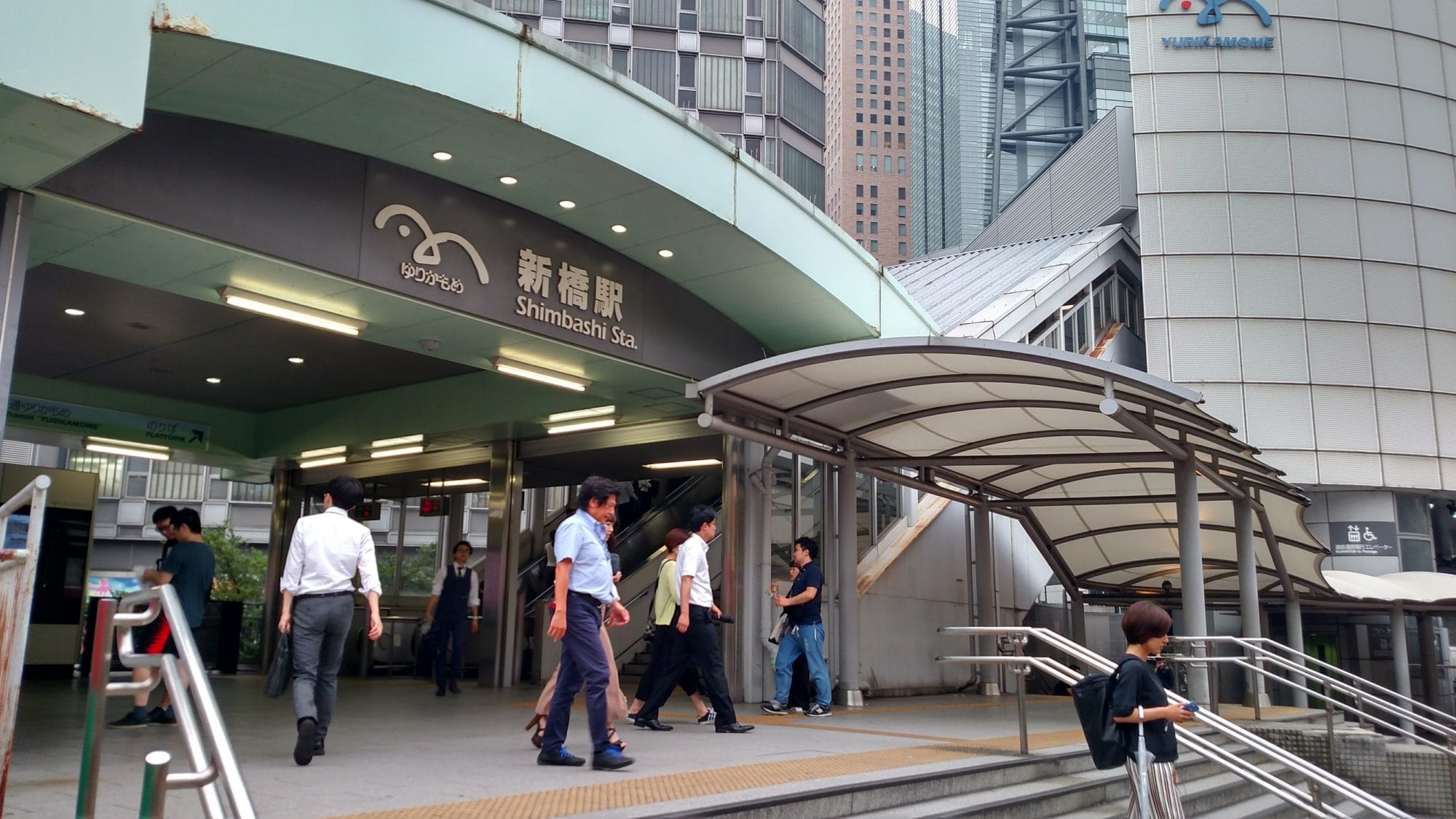
At 3.3 billion passenger trips per year, Tokyo has the busiest metro in the world, and that shows up in its transportation mode share data. One report had Tokyo’s mode share at just 12% private vehicles whereas transit took 51%, walking 23% and biking was 14% of trips. By way of comparison, private vehicles comprised a whopping 88% share in Houston, Texas, as of 2015, whereas Seattle had a 56% share with transit taking 21% for commute trips, according to US Census data. Even in Downtown Seattle, the drive alone rate–though dropping–sits at 30%.
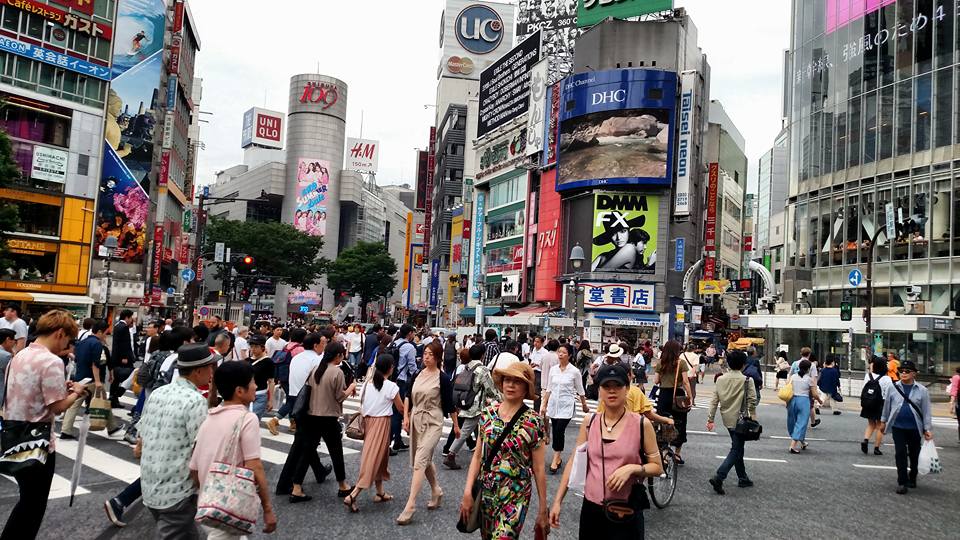
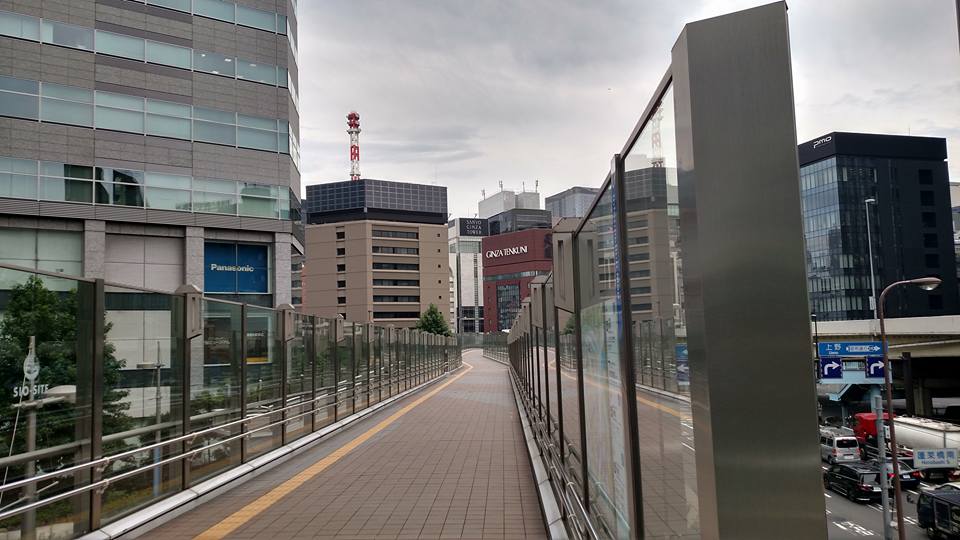
This isn’t to say that Tokyo doesn’t have traffic; inherently a metropolitan area with a population pushing 40 million will have some traffic congestion and we saw some at various points. However, it seemed clear that people can reliably get around Tokyo thanks to great transit and an enlightened walking culture. The city has planned world class pedestrian infrastructure with sound walls, frequent storefronts, and tons of placemaking. Plus, in places where pedestrians do interact with cars, motorists follow signage, the law, and human decency and yield to pedestrians. Motorists do not block intersections let alone crosswalks.
Tokyo is still adding more lines to its already dizzying patchwork of high capacity transit–deciphering a Tokyo metro map takes practice.
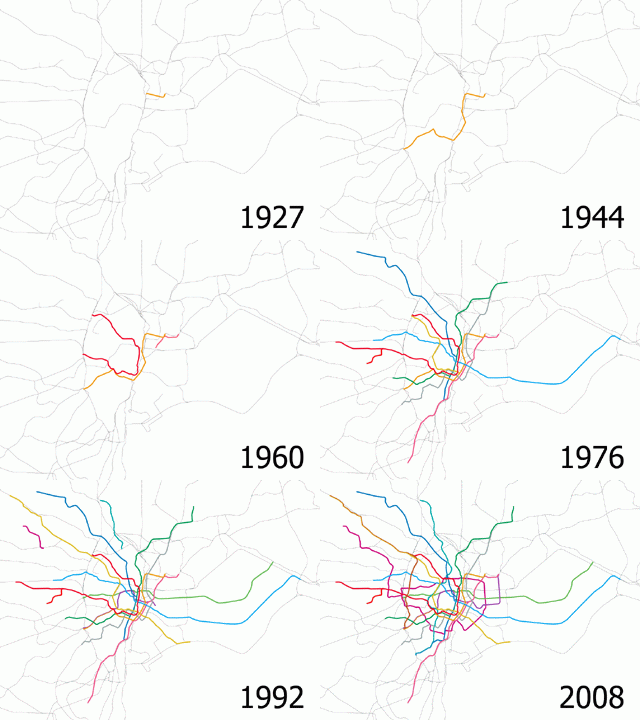
In 2008, Tokyo Metro finished the Fukutoshin Line, the thirteenth primary line in the Tokyo Metro and Toie Subway systems. Late to the party, it’s also Tokyo’s deepest subway, with an average depth of 27 meters (88 feet). Furthermore, Tokyo is planning upgrades, extensions, and potentially two additional lines citing the development boom associated with the 2020 Olympics.
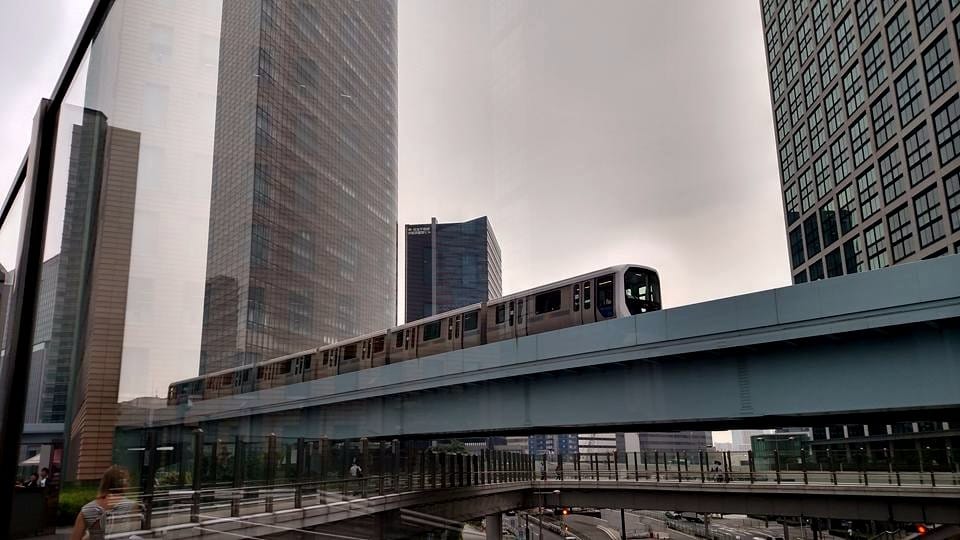
Beyond these 13 primary Metro lines, several other high capacity transit systems operate. One of those is the New Transit Yurikamome line, which takes an elevated route along the waterfront (using rubber-tired wheels on a concrete track) rather than compete with the tangled web of tunnels Tokyo’s subway lines have already mined underground. Riding this line helped inspire my article arguing an elevated line be added to Sound Transit’s plans in order to serve Belltown, First Hill, and the Aurora Avenue corridor. Riding the Yurikamome is also a great way to take in a view of the city around Tokyo bay.
Housing Tokyo’s 38 Million Residents
Besides being a world leader in transit, Tokyo has also lately captured the urbanist imagination for its liberal housing policy. Tokyo encourages new housing starts and hasn’t seen the severe price escalation American coastal cities have seen this decade. While YIMBYs (Yes In My Backyard activists) have often cited Tokyo as a model city the past few years. In 2012, Market Urbanism’s Stephen Smith wrote that Tokyo’s lack of concentrated density was driving up its housing prices, casting Tokyo as a cautionary tale rather than an exemplar. (More on that below.)
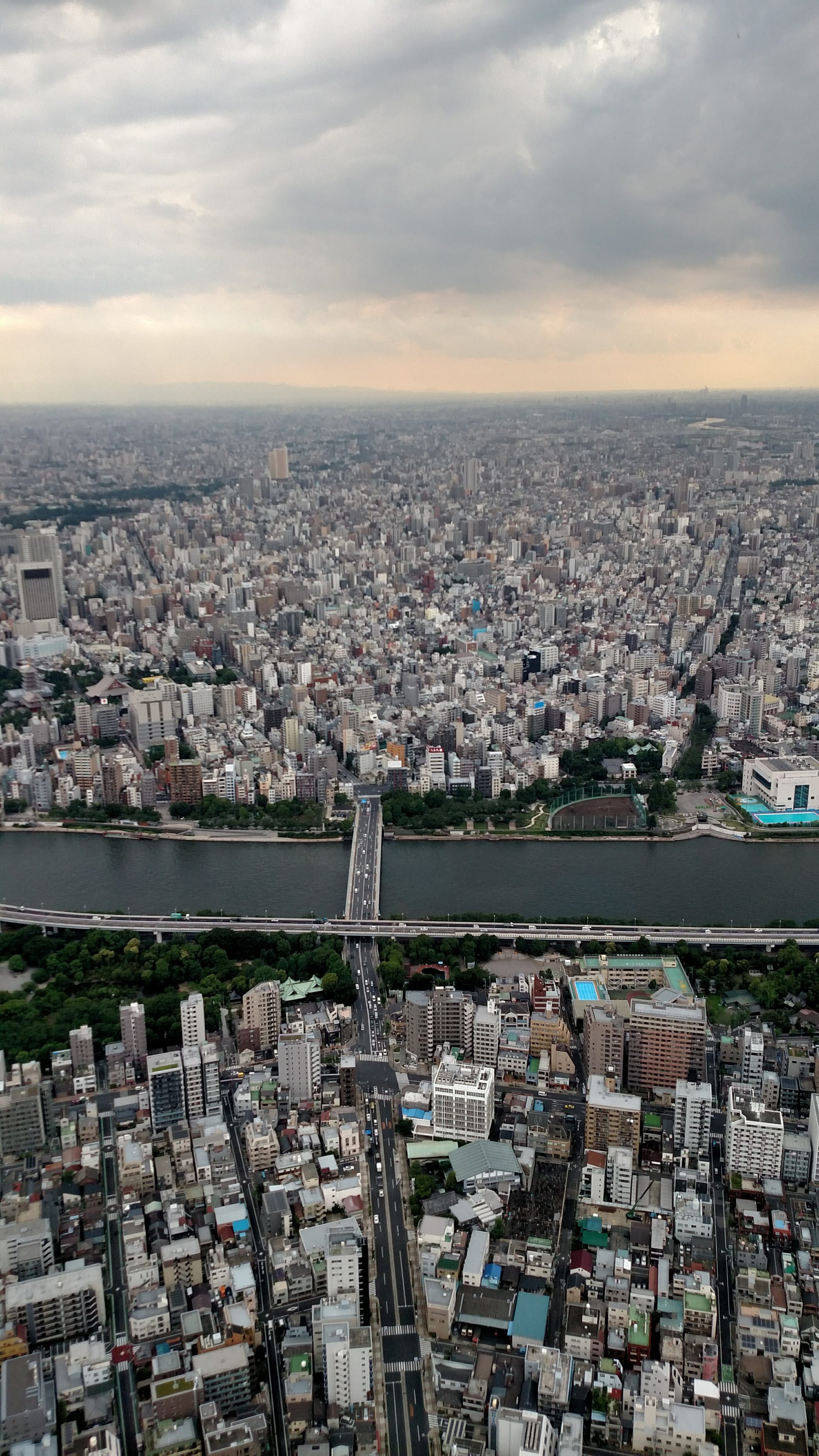
But then a strange thing happened–at least if you bought that theory–Tokyo’s housing prices have stayed relatively stable compared to the huge price spikes booming American cities have seen during the recovery from the 2008 housing crash. (Recently, Tokyo’s condo prices have surged, which some have argued is linked to Tokyo hosting the 2020 Olympics.) Now the narrative is often: Tokyo builds housing faster than us; thus, it’s solved housing.
Tokyo does have some enlightened policies when it comes to housing; the national government sets Japan’s zoning policy, which is much less restrictive than Seattle’s and many other American cities. However, it’s also true that relatively stable prices in Tokyo are linked to Japan’s sluggish economy, stagnant wages, and Tokyo’s population growing more slowly on a percentage basis compared to Seattle. Tokyo is still growing–as it gains population at the expense of other regions–even while Japan’s national population is shrinking due to low birth rates and tight immigration controls (in a country of 127 million, only around 2 million residents are foreign born).
Japan’s shrinking population may ultimately play a moderating influence on housing prices, since Japanese homeowners do not have an expectation of an ever growing pool of buyers and thus for home value to steadily accumulate indefinitely. Because of this, homeowners in Tokyo reportedly do not treat housing as an investment like many Americans do; they treat housing as a place to live.
Microhousing by the cube, by the looks. #TokyoUrbanism #Shinbashi pic.twitter.com/KQqlQRVsza
— Doug Trumm🚶🏽♀️🚴🏾♂️🚎 (@dmtrumm) July 4, 2017