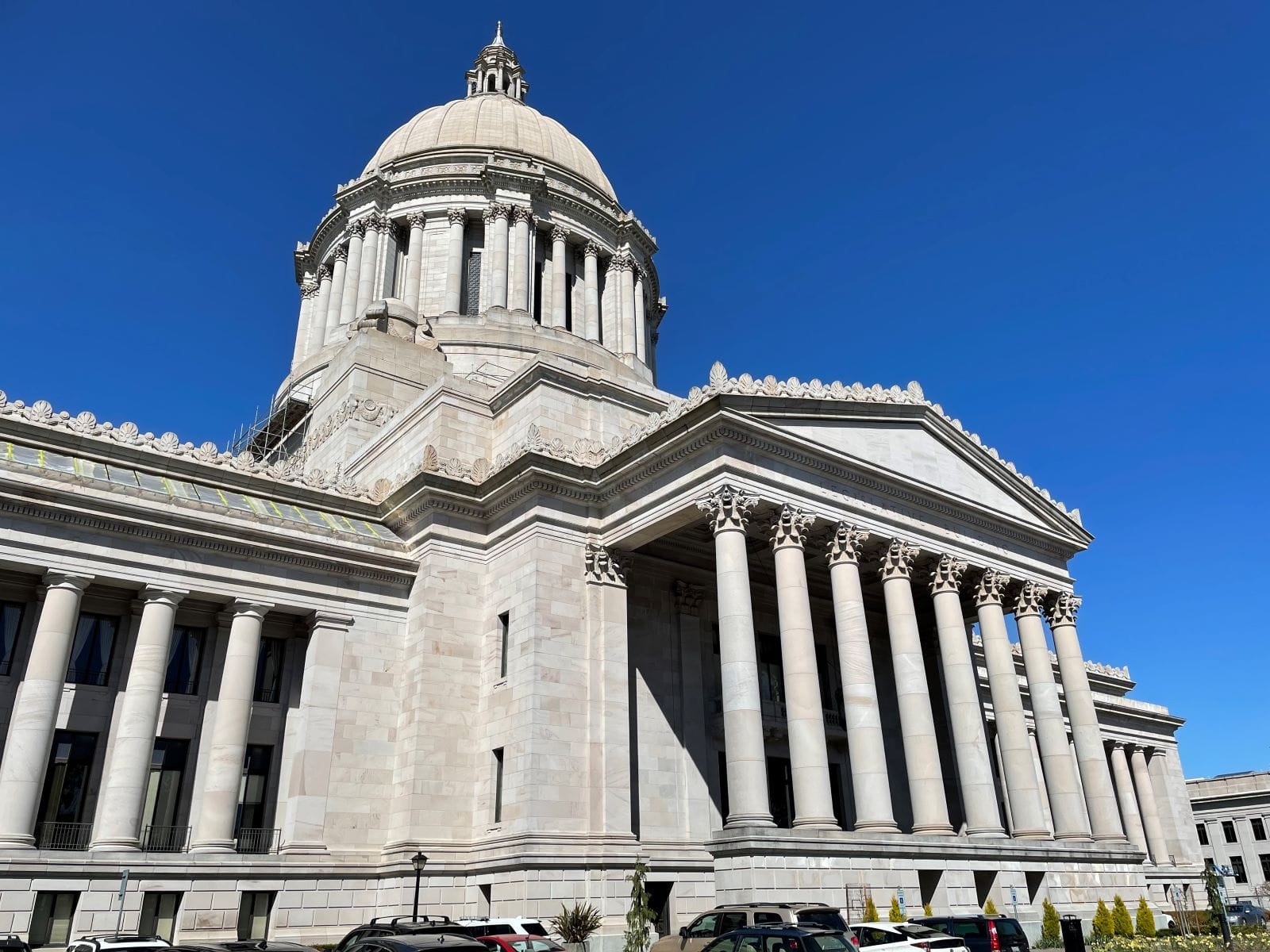
The four members of the Washington State Redistricting Committee submitted their first draft of maps this week. At this stage the four maps — two Democrat and two Republican appointees — differ a lot, but it does appear like some districts will become more favorable for Democrats. This is a product of Democratic districts generally growing faster than the more rural Republican districts.
Broadly speaking, Washington’s 49 state legislative districts will tighten around metropolitan areas to reflect the greater population growth within them. Some of the fastest growing areas include Seattle, Vancouver, and the Tri-Cities. The maps take some very different paths in the requisite population shifting to get each district within range of the new district population average of 157,251, which reflects the 14.6% growth in Washington State since the last census in 2010. How redistricting plays out will have huge implications for controlling the state legislature, particularly in swing districts where a nudge in one direction could make a big difference. A stronger progressive tilt in a district could also improve prospects for progressive challengers against moderate Democratic legislators.
In the last two cycles, Democrats have had a firm grip on power with the Washington State Senate split 28-21 and the State House split 57-41. Democrats made big gains in 2018 and defended their new seats in 2020, swapping losses in Legislative District 19 for a Senate seat pickup in the 28th courtesy of T’wina Nobles and a House seat pickup in the 42nd via Alicia Rule.

The overall pattern is fairly consistent across the state and country. Urban areas lean heavily Democrat, while rural areas lean Republican. The biggest exceptions to that pattern are tribal lands and college towns, which both also break for Democrats and interrupt the sea of red between major cities. Suburbs can be a bit of a mixed bag, but in Western Washington they tend to break Democrat — save for some parts of the exurban fringe — particularly following the White Nationalist drift of the party in the Trump era.