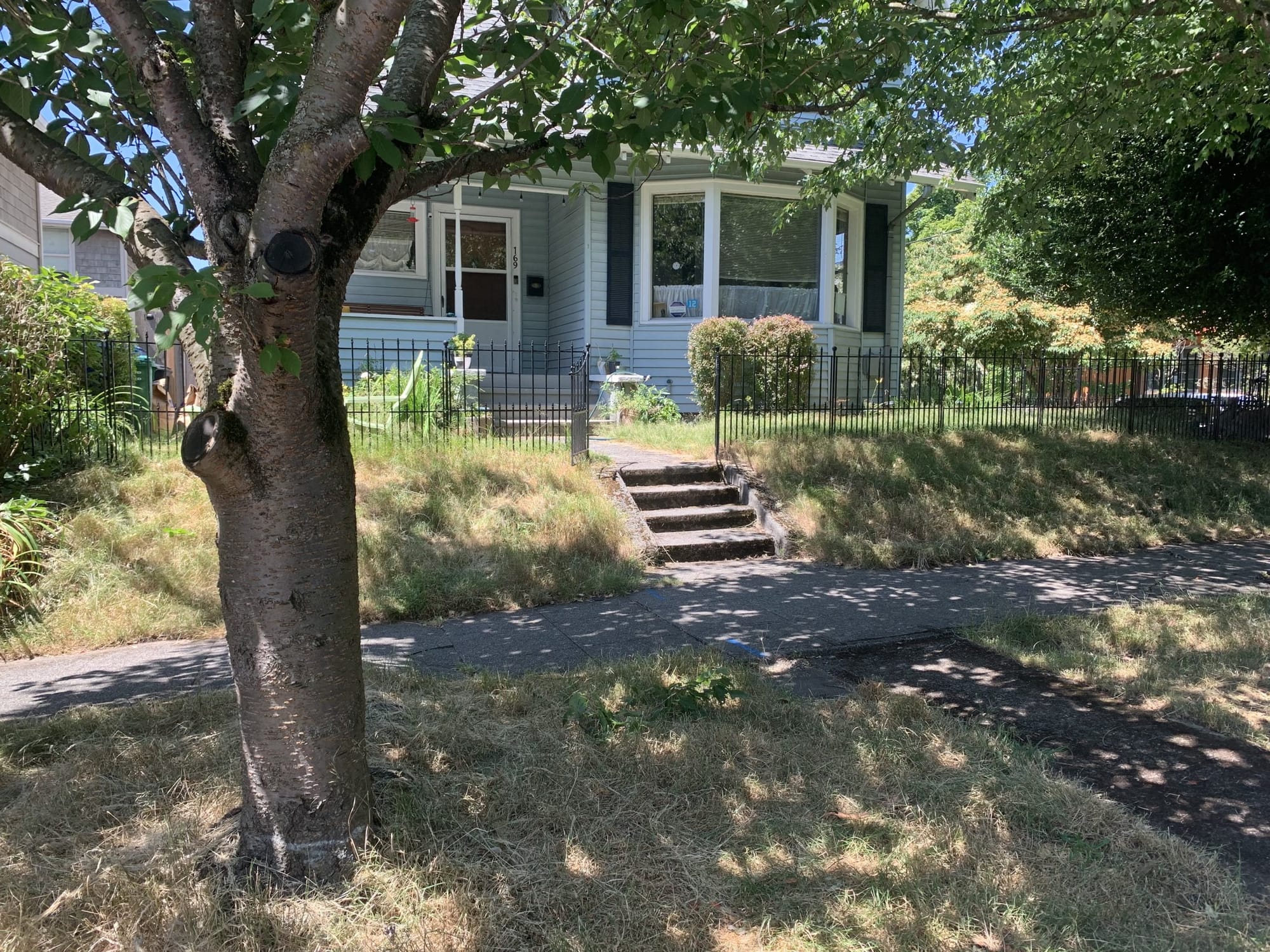
A proposed name change could kick off the fight to end exclusionary zoning in Seattle.
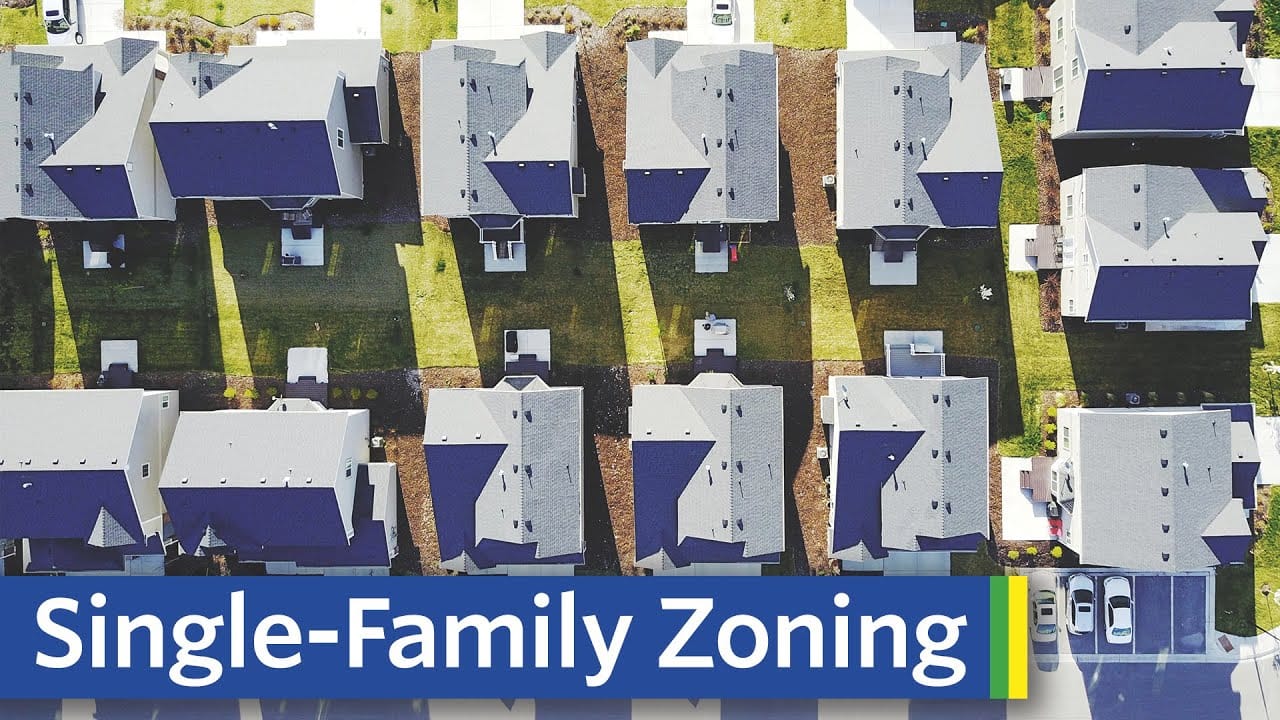
So, what’s exactly in a name? Juliet Capulet pondered this question of Romeo Montague in Shakespeare’s Romeo & Juliet. In the case of “single-family” zoning, the name brings to mind an image of detached residential buildings, each on an individual lot with a single nuclear family living inside.
But how accurate is that picture? And, more importantly, against the backdrop of a climate crisis, skyrocketing housing prices, and growing recognition of race-based inequities, does “single-family” zoning represent what we want our 21st century cities to look like?
Seattle City Councilmember Teresa Mosqueda argues the term “single-family” zoning has always been a bit of a misnomer in a city where many desirable single-family zoned neighborhoods, like Wallingford and upper Queen Anne, include courtyard apartments, cornerstores, and other relics of the city’s early years. More restrictive zoning regulations were layered on top starting with the 1923 zoning plan that progressively stifled further development of mixed-use neighborhoods.
But the problem with single-family zoning goes deeper than being misrepresentative. Zoning decisions have real impacts on how cities grow, and single-family zoning has never been a neutral planning tool. It came into fashion alongside financial redlining and racist covenants that excluded people of color and lower-income households from living in large segments of American cities, including Seattle. Because single-family zoning was aimed at keeping out more affordable, multifamily housing as well as the neighborhood businesses that make it possible to live without access to a vehicle, many housing affordability advocates have taken to using the term “exclusionary” zoning in lieu of “single-family” zoning in order to highlight its real purpose and impact.
“Changing the zoning title can help reflect the diverse housing we need across our city to support community well-being, walkability and affordability in Seattle, and create a more equitable and inclusive Seattle to accurately reflect our diverse neighborhoods,” said Mosqueda in a press release that states her intent to formally introduce legislation for the name change in August as part of the annual Comprehensive Plan update.
Mosqueda’s proposal, co-sponsored by Councilmember Dan Strauss (District 6), comes at a time in which the preponderance of single-family zoned land in Seattle is increasingly coming under scrutiny. While the topic of abolishing single-family zoning in Seattle has long been a thorny one, with many neighborhood groups opposing pro-density housing policies such as Mandatory Housing Affordability (MHA) and backyard cottage reform, the tide seems to be turning as more local leaders express support for ending exclusionary zoning practices. At a recent Seattle mayoral forum sponsored by Seattle Subway, five out of seven candidates came out against single-family zoning. Additionally, at-large city council candidates Nikkita Oliver and Brianna Thomas have made ending exclusionary zoning part of their affordable housing platforms.
But what would a name change achieve?
“Language matters. ‘Single family’ zoning may seem to some as merely a planning term, but we know historically it has been used to further exclusionary practices and discriminatory policies of the past,” Mosqueda said. “If Seattle is going to be an equitable and just city, then we must also apply that same lens to our zoning code. After years of discussion, we are acting on what we know is right to undo the legacy of exclusion that exists within our planning documents — starting with how we talk about our neighborhoods.”
However, others have been less than convinced that the proposed name change goes beyond a symbolic gesture. “How exactly does changing the *name* of the zoning fix the *exclusionary nature* of the zoning? Are you actually changing the zoning policy?” asked C. Gidds in a response on Twitter.
“That which we call a rose by any other name would smell as sweet,”
Juliet Capulet in Shakespeare’s Romeo & Juliet
“Really was hoping that name change was more reflective of the current zoning; ‘sprawl induction’, ‘low efficiency’, ‘one plex exclusive’ zones or something,” tweeted Char Q.