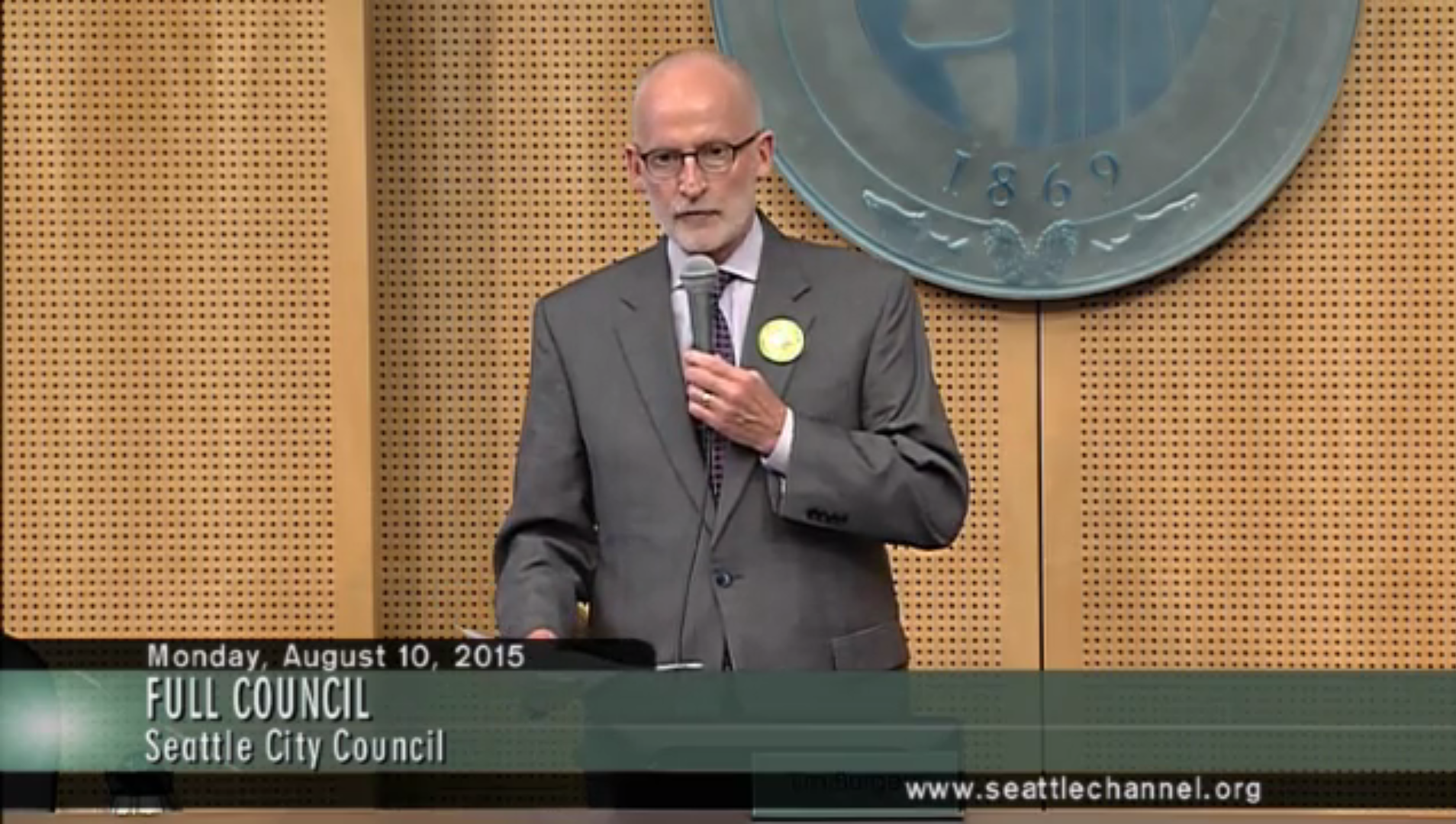
Yesterday, the Seattle Community Police Commission (CPC) announced that Bruce Harrell had declined their invitation to a mayoral candidate forum on police accountability and public safety, leading them to cancel the event. Both leading candidates are promising to increase police accountability and reduce incidents of racial bias and excessive force, but their methods vary significantly.
Former Council President Bruce Harrell finished first in the August Primary with 34% of the vote, but Council President Lorena González was close on his heels with 32.1%. The two will square off in the General Election and some of the issues where they are contrasting the most include homelessness, policing, and corporate power. Harrell is passing on this opportunity to make the contrast at a forum hosted by the city’s official civilian voice on police matters.
“Police accountability and public safety are amongst the most critical issues in the city. I agreed to participate in the Community Police Commission mayoral forum because it would have been a meaningful opportunity to engage with voters on these topics and it is a shame that voters will not get that chance,” González said via email. “I plan to continue making these issues a central focus of my campaign.”
Harrell ally Tim Burgess made a similar contrast case in an endorsement and fundraising pitch for the Harrell campaign: “[T]heir visions for Seattle’s future are incredibly different, most significantly regarding homelessness, policing, and their perspective of our job-creating businesses.” The irony likely wasn’t lost on the González campaign. The side claiming the high ground on policing was passing on the opportunity to engage voters on it.
Burgess, who cultivated a Mr. Nice Guy persona before retiring from Council and moving on to running political hit pieces against former colleagues with a well-funded political action committee he set up, proceeded to aggressively go after his former colleague González while misspelling her name.
Going negative on González
“Gonzalez envisions a city with a dramatically reduced police force that pursues only the most serious crimes, leaving many misdemeanors, including property crime, unchecked,” he wrote. “She has no real plan to bring those living unsheltered inside or stem the proliferation of tent encampments in our parks and on our sidewalks and says if elected she will continue the current approaches of the City Council. She’s actively hostile to the downtown businesses that pay the bulk of taxes that fund city services. She promises to abolish all single-family neighborhoods, an astonishingly blunt action that will only create years of legal and political squabbling.”
Setting aside Burgess’ Trump-style “abolish the suburbs” fearmongering for now, of course, the former cop and Seattle Police Department (SPD) PR guy, trots out the familiar campaign trope of rising crime and scary unrest, as the Harrell camp did in the Primary. Between Burgess’ harangues and Harrell skipping the CPC forum suggests there will be no statesmen-like pivot to soberly debating public safety solutions rather than focusing on fearmongering about crime and not enough respect for police. Instead, every issue of public safety and policing is presented sensationally and laid at González’s feet.
“She allowed the debate over policing to become so antagonistic, so disrespectful of the women and men who serve our city, that the police chief — the first Black woman to lead our officers — resigned in protest,” Burgess wrote.
The Urbanist has covered how Carmen Best’s reasons for resigning were much more complicated than mere disrespect. For one, she was being asked to weed out officers who were particularly dishonest, violent, and bad at their jobs and bristled at that approach, instead backing the police guild position that firings shouldn’t happen and that they would need to happen in order: last in, first out. The Council urged Best to fire officers with a history of misconduct and use a provision allowing her to break from the hiring order, but she resisted, citing the high amount of paperwork and appeal process it required.
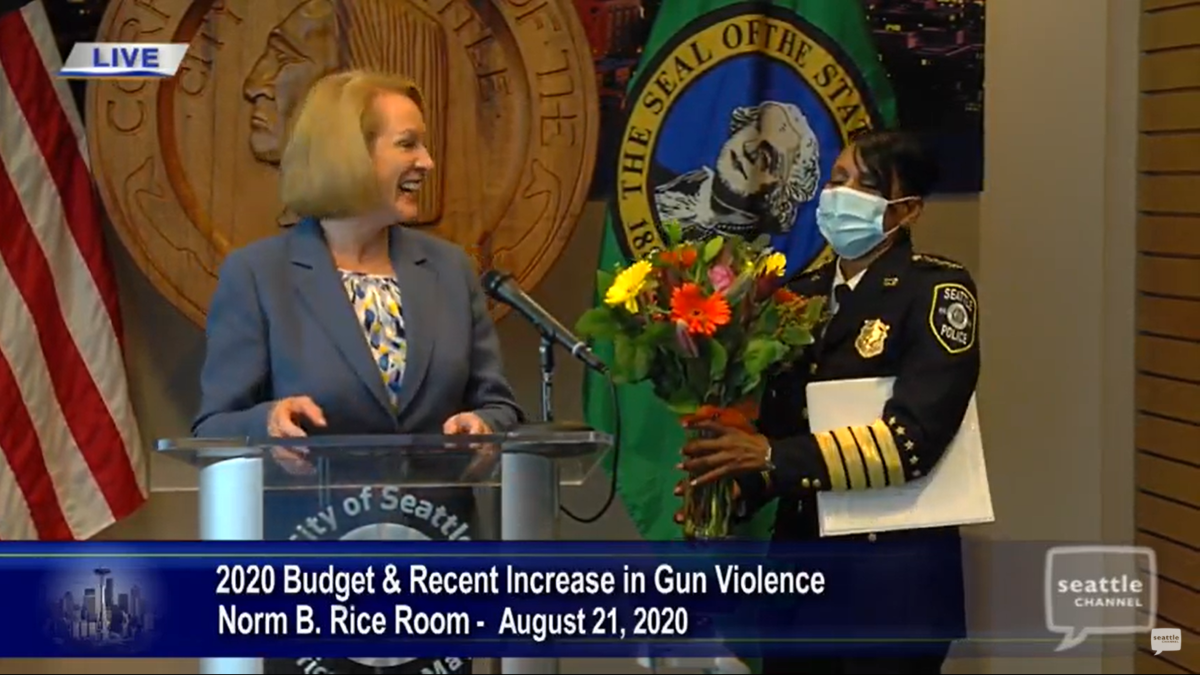
Beyond being asked to clean house of her worst officers, Chief Best was dealing with an extremist police guild president and insubordinate commanders undermining her authority, including one who abandoned East Precinct without an order from her or Mayor Durkan (who skipped the relevant meeting). The full gravity of that issue was hidden for a year after Mayor Durkan, Chief Best, and four other senior SPD command staff orchestrated a coverup illegally deleting months of text messages. Surely, being undermined by her insubordinates and used as a political shield by a floundering mayor wasn’t an ideal job situation. She went about blaming the Seattle City Council, which didn’t create those particular issues, as an easy way out.
“The Gonzalez approach to policing creates unnecessary risk at a time when violent crime has surged to the highest it’s been in the past ten years, a documented increase comparing the January-July period each year between 2012 and 2021,” Burgess wrote. “On the other hand, Bruce Harrell seeks reform without risking public safety or demonizing the many officers who serve our city with professionalism and integrity, treating all people with dignity. Harrell understands safe neighborhoods are essential for shared prosperity. He appreciates the vital work of our police officers and isn’t afraid to say so.”
If only police reform was as simple as Seattleites being nice to police officers to earn their good behavior, then the Harrell-Burgess plan might get us somewhere. But let’s be honest, we know their police reform approach track record because each had three terms, including stints for each as public safety chair, and they didn’t make headway.
The intertwined careers of Harrell and Burgess
Burgess’ new role as Harrell’s attack dog isn’t a total surprise. Harrell and Burgess’s careers are very intertwined and many of their positions were similar.
Both men were first elected to Council in 2007. Both men ran for mayor in 2013, but exited the race after Murray got in and then ultimately endorsed Murray — for Burgess, this was despite Murray poaching his political consultant, the highly sought-after centrist campaign whisperer Christian Sinderman. Both men sparred with Murray’s predecessor, Mayor Mike McGinn, and helped to stonewall his agenda including Consent Decree-driven police reform efforts, laying the groundwork for ousting him. Both men initially defended Mayor Murray in 2017 after numerous sexual abuse allegations surfaced, but turned on him after it was clear he was a political goner and they could be interim mayor.
“I’m not asking him to step down,” Harrell told reporters in July, adding Seattle residents “did not ask us to judge anyone for something that happened 33 years ago or maybe didn’t happen. We just don’t know. And I would ask that I don’t want to be judged for anything 33 years ago…. And I would challenge each of you to think about where you were 33 years ago. The question is are you doing your job today right now?” Similarly, Durkan accepted Murray’s endorsement in late June before later disavowing it as more allegations arose.
In contrast, Councilmember González led the charge on Council to encourage Murray’s resignation and take allegations seriously rather than immediately discredit them. “As a dogged advocate for sexual abuse survivors, I take these administrative findings very seriously, and they raise grave concerns,” she said. However, because removing Murray would take six votes and Harrell, Burgess, Debora Juarez, Sally Bagshaw, and Lisa Herbold opposed the move, the effort stagnated. Because of that, Murray survived in office until September, after a fifth victim came forward and went public with a signed declaration of Murray’s abuses.
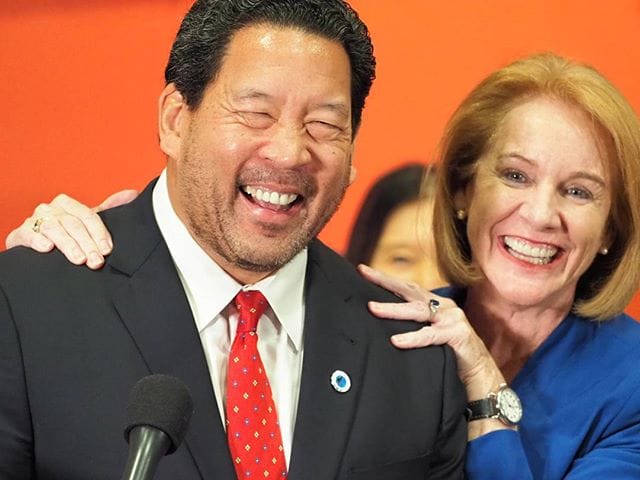
Harrell was City Council President in 2017 when Mayor Ed Murray resigned due to his sexual abuse scandal. The City Charter gave the Council President first dibs to be interim mayor until the next election, but Harrell only kept the role for five days before passing the honor to his colleague Burgess, who served for 71 days until the results of the next election were certified. Both men endorsed the winner of the election: Jenny Durkan. Fast forward four years and Harrell largely followed Durkan’s playbook and reunited the same homeowning coastal coalition to Primary victory.