At a West Seattle community meeting on Wednesday, Mayor Bruce Harrell teased the prospect of zoning reforms and said the City is assessing the Mandatory Housing Affordability (MHA) inclusionary zoning program with an eye toward modifications.
“I’m not happy at all with how the MHA program is,” Harrell told the D1 Community Network, later adding: “I’m watching the growth happen on unsatisfactory levels.”
The Urbanist followed up with Harrell spokesperson Jaime Housen to see if he could add any details, but mostly to no avail. Housen did say maximizing affordable housing production would be the focus, but that can mean different things to different people. Some growth skeptics have used high inclusionary zoning requirements to squash new development (which then costs affordable homes tied to new development, too) rather than maximize affordable housing creation.
“We are looking to review and address issues in the program now that we have a few years of data,” Harrell’s spokesperson said. “We want to evaluate where there are issues and make improvements where needed to ensure we are building as much affordable housing as possible.”
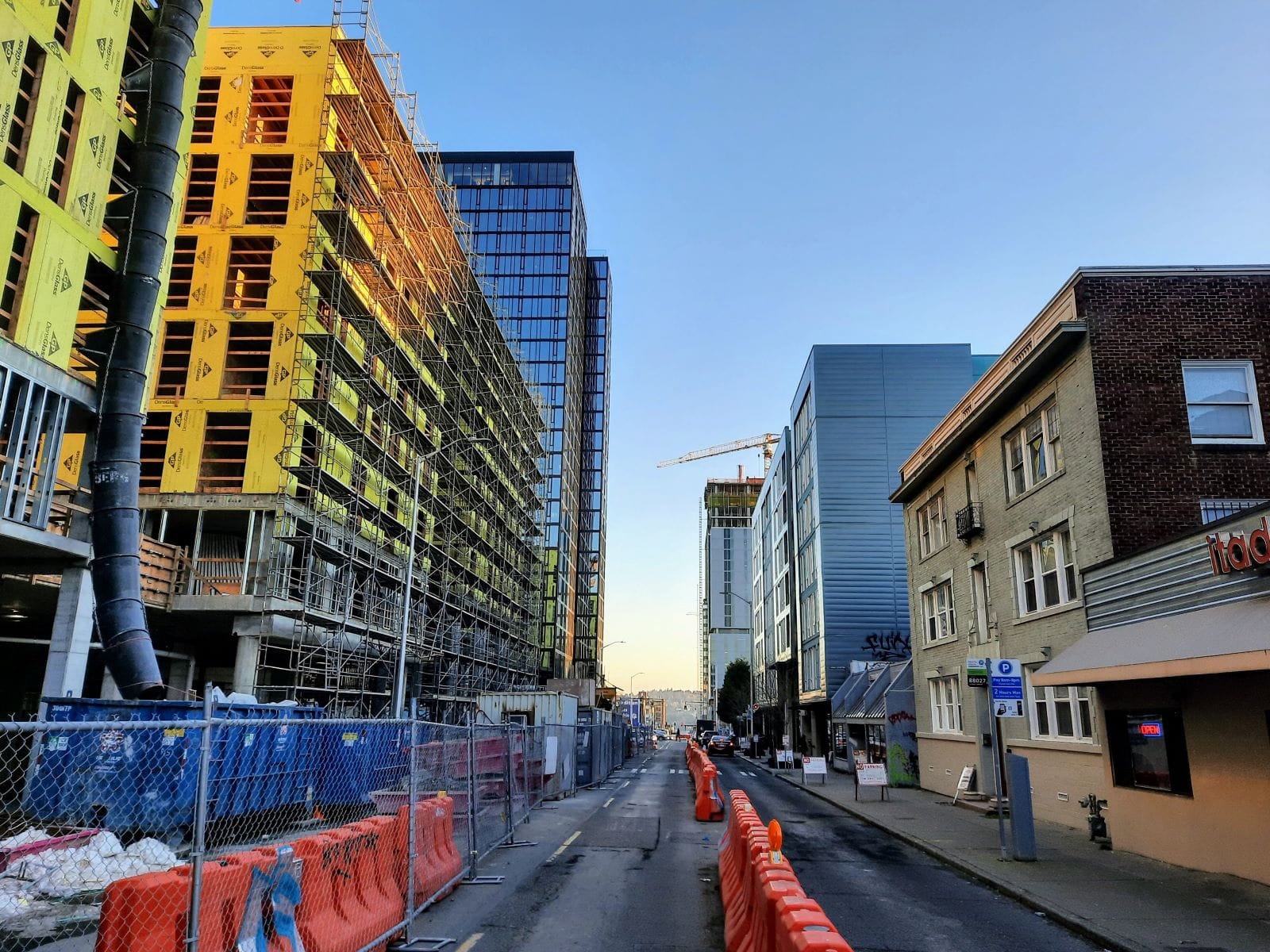
So far, MHA appears to be on pace to produce the 6,000 affordable rent-restricted homes over a decade the City had promised when it passed the program over a series of votes in 2017 and 2019. The program traded modest upzones for new requirements that new residential and commercial projects provide affordable housing on-site or pay an in-lieu fee calibrated to fund a similar amount of housing via the City’s nonprofit partners.
As of the end of 2021, the MHA program has pulled in $171.4 million in developer fees, which has helped boost the City’s affordable housing awards to new heights. The Seattle Office of Housing said the 2021 MHA revenue will fund more than 900 affordable homes, in addition to the 95 MHA units created on-site. While in-lieu MHA payments have been strong, developers have not opted to produce as many affordable homes on-site as the City projected, which has some councilmembers suggesting reforms are in order to get more on-site production. Loudest among them is Alex Pedersen, who has a long history of criticizing the MHA program.