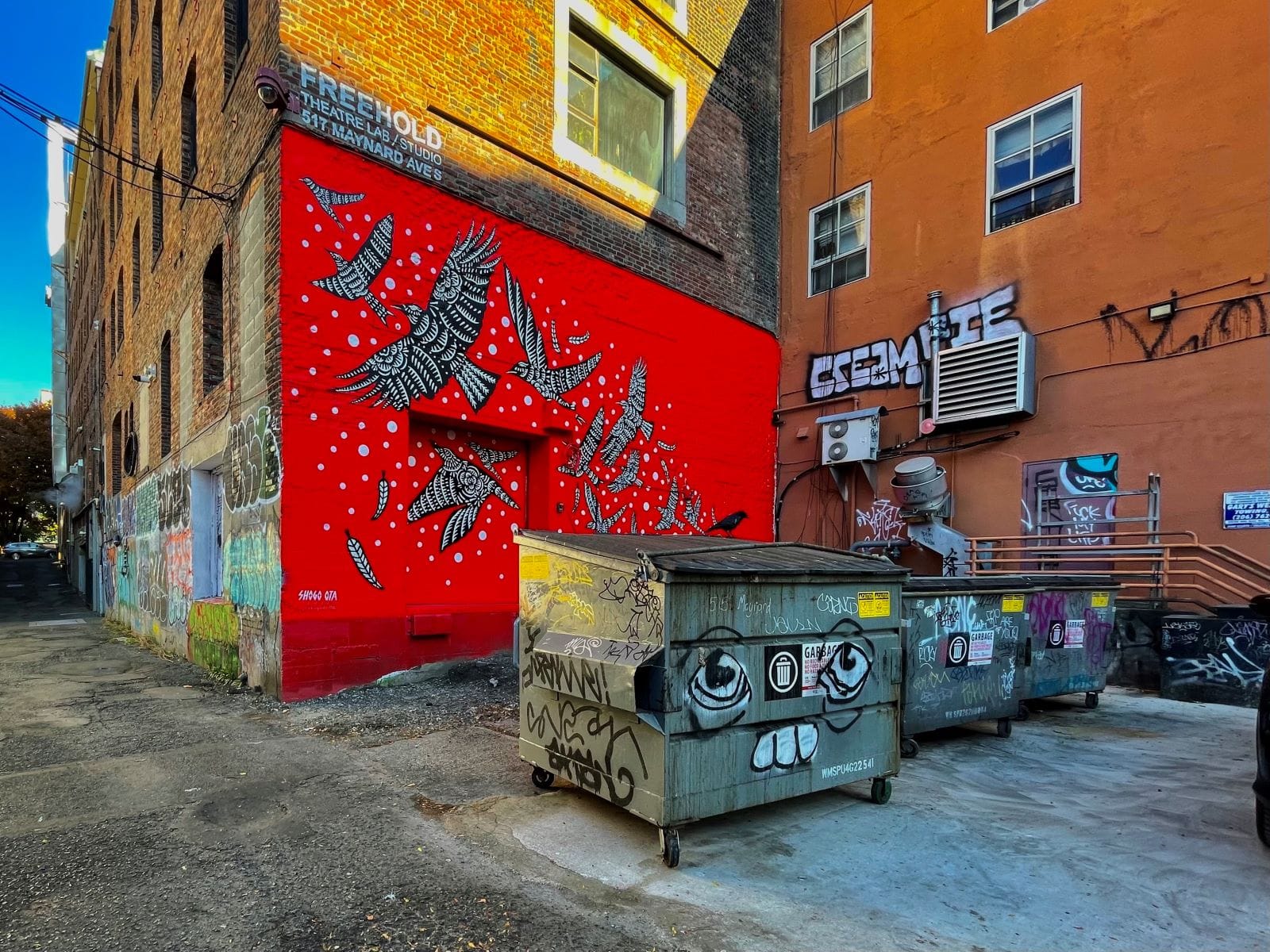
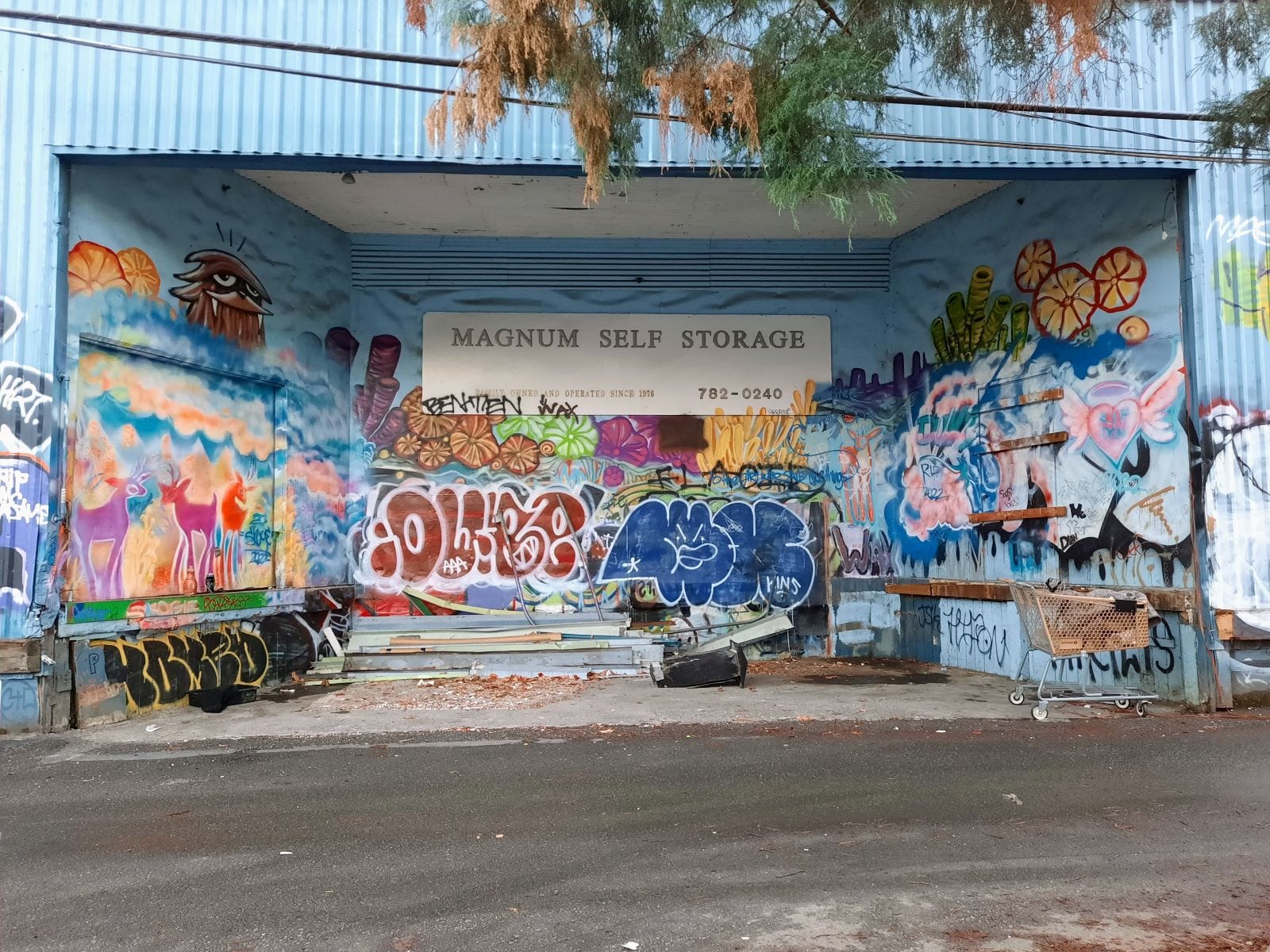
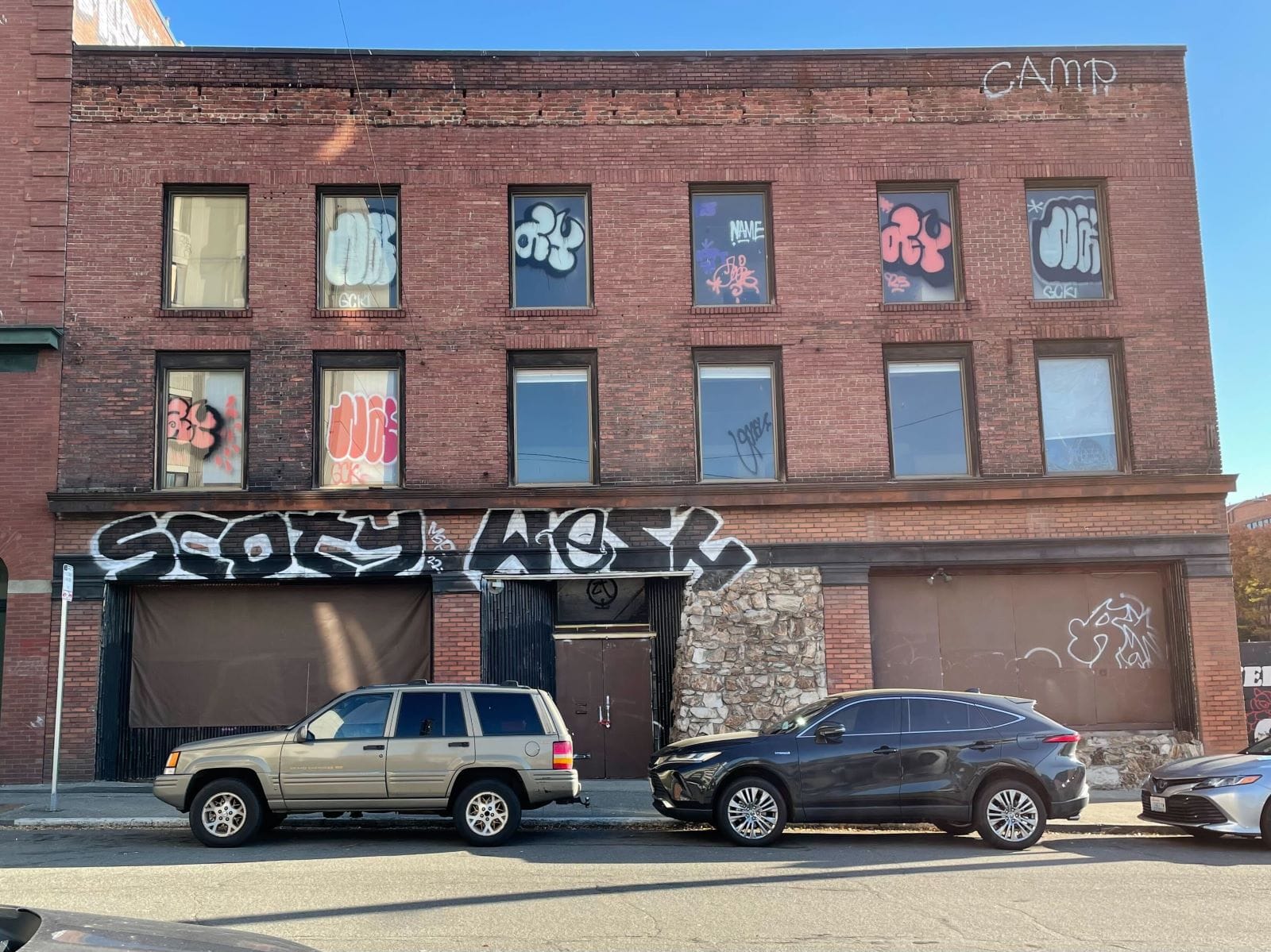
Last month, Mayor Harrell unveiled his definitive anti-graffiti plan, with a focus on both graffiti removal and allowing artists to create legally. The mayor’s office estimates the price tag at around $944,000, though a close reading of their proposed budget shows it will likely be more. This increase would be on top of the $2 million already included for graffiti abatement.
This plan comes at the same time as city officials undertake a concerted drive to tighten the city’s budget to close a two-year shortfall of over $200 million
On Monday, as part of that drive, the city council struck down the requested $1.2 million increase for Seattle Public Utility’s Graffiti Rangers. The rest of Harrell’s plan remains in the city budget, meaning the city will still spend hundreds of thousands in new funding on anti-graffiti measures. Much of the plan’s cost is not specified in the mayor’s budget proposal, but what is specified tells a clear story about the mayor’s priorities.
To calculate the true cost of the mayor’s proposal we can look at its six pillars.
- Implementing Best Practices to Increase Abatement
- Increased Assistance to Reduce Graffiti on Private Property
- Many Hands Art Initiative
- Enhanced Volunteer Programming and Coordination
- New Approaches to Enforcement
- Continued Collaboration with the Washington State Department of Transportation
The plan’s first pillar is its most opaque, yet its most consequential. Harrell proposes increased funding for SPU’s Graffiti Rangers, as well as budget increases to “improve interdepartmental coordination across City departments involved in anti-graffiti work.”
The proposed $1.2 million for SPU, dedicated to the hiring of two new painters and one new graffiti executive, was blocked by the city council on Monday.
Also under this pillar, Harrell’s desire to “improve interdepartmental coordination” actually means bringing graffiti abatement under the purview of his Unified Care Team, the interdepartmental task force tasked with cleaning and sweeping homeless encampments. The proposed budgets for Seattle Parks and Recreation, Seattle Public Utilities (SPU), Seattle Department of Transportation (SDOT), and the Human Services Department (HSD) all include the same line: “the proposed budget includes new funding to operationalize a coordinated Unified Care Team/Clean Seattle pilot program.”
This new Unified Care Team/Clean Seattle program has a scope larger than graffiti, but its funding is indicative of the mayor’s focus on cleaning the city, especially contrasted with budget cuts in other areas.
Parks’ increase of $5.4 million is intended to “operationalize” the Unified Care Team/Clean Seattle program. $3.3 million of this is dedicated to hiring 30 new full time employees, whose duties include cleaning and maintenance, and would “increase the City’s capacity to do encampment clean-ups” according to a memo accompanying a presentation to the city council’s budget committee.
SDOT’s Clean Seattle contribution is $3.6 million, and would hire 18 new full time workers. These would be responsible for cleaning the city’s rights of way, including roads, bike paths, and any theoretical pedestrian zones.
HSD’s increase is less than $1 million, and would add six new full time workers. These workers do not abate graffiti, but are the city employees tasked with offering housing to those experiencing homelessness.
SPU’s proposed $1.2 million increase was to be the linchpin in this coordinated program. The mayor’s office intends the graffiti executive to act as the “single point of contact at the City designated to lead graffiti efforts and will be responsible for establishing standard graffiti tracking metrics and abatement procedures,” according to the budget memo.
The mayor’s office did not respond when asked how the council’s rejection of funding for the executive position would affect the overall program.
So, what do these numbers mean? Funding for the Unified Care Team/Clean Seattle program provides $6.9 million for hiring 48 new workers whose purview includes graffiti abatement, though most of them will likely never do any work relating to graffiti. All told, the number of workers dedicated to graffiti abatement is increasing by an unknown amount across departments, at a time when the city is in a budget shortfall.