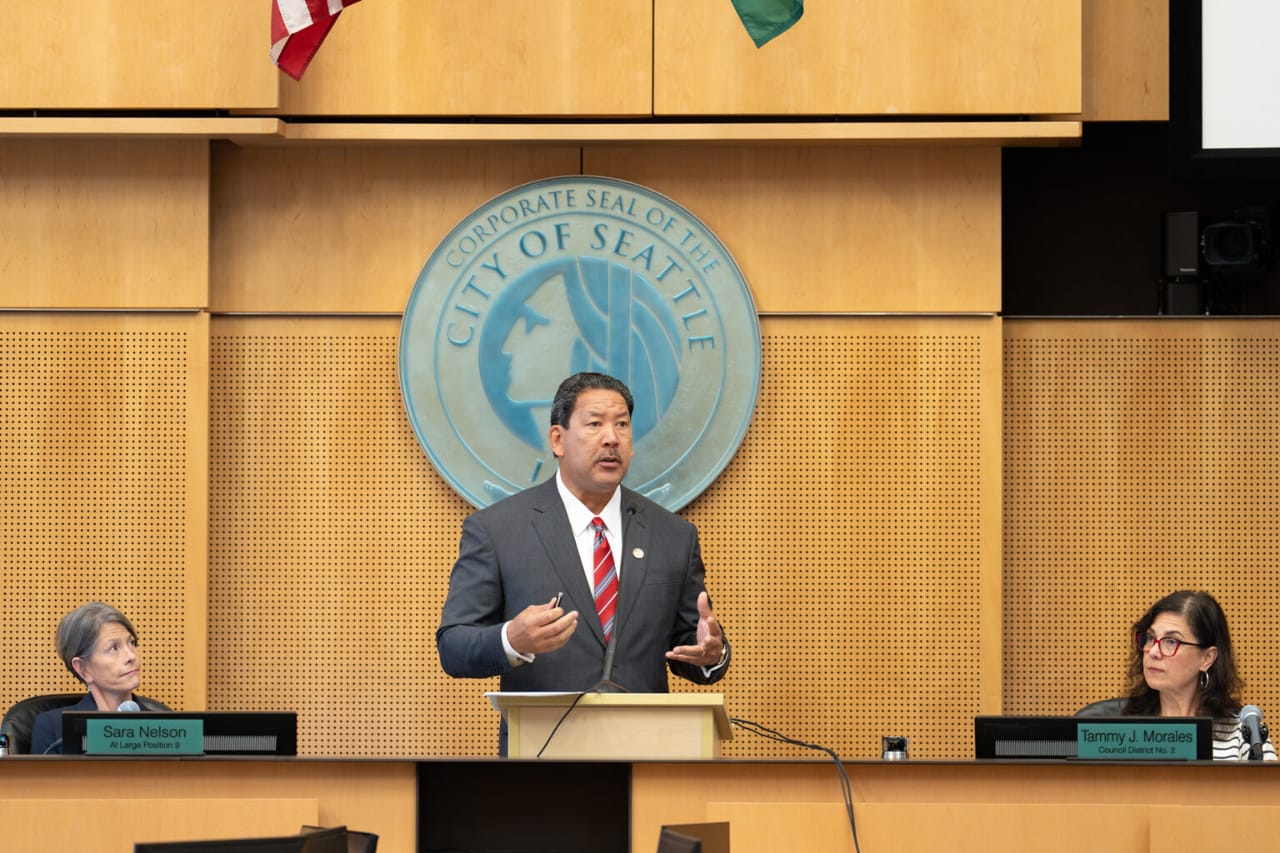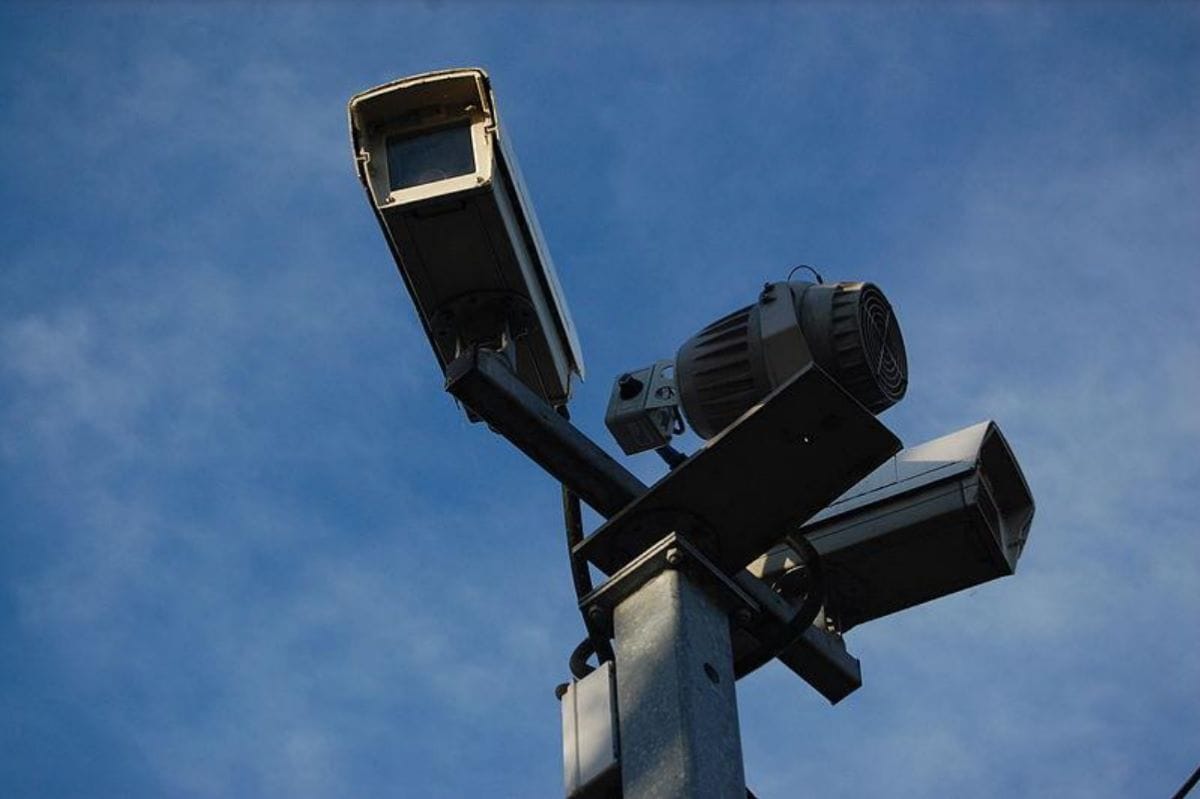
On Tuesday, Seattle City Council’s public safety committee voted to authorize the purchase and installation of two new surveillance technologies in Seattle’s neighborhoods: a closed-circuit television system (CCTV) and real-time crime center (RTCC) software. As the issue moves to a full council vote on October 8, the city has taken another step closer to implementing Mayor Bruce Harrell’s technology-assisted crime prevention pilot.
The three areas currently scheduled to receive CCTV cameras are the 3rd Street corridor downtown, Aurora Avenue in North Seattle, and the Chinatown-International District (CID).
Harrell’s proposed 2025 budget allocates almost $4 million for this pilot, with $1.5 million for CCTV cameras and $425,000 for new additional locations of CCTV, which might refer to Councilmember Cathy Moore’s amendment expanding the technology throughout the Stay Out of Area of Prostitution (SOAP) zone on Aurora. The proposed budget allocates $2 million for the RTCC software, which includes 12 new civilian analyst positions within the Seattle Police Department (SPD), meaning part of this cost will be ongoing.
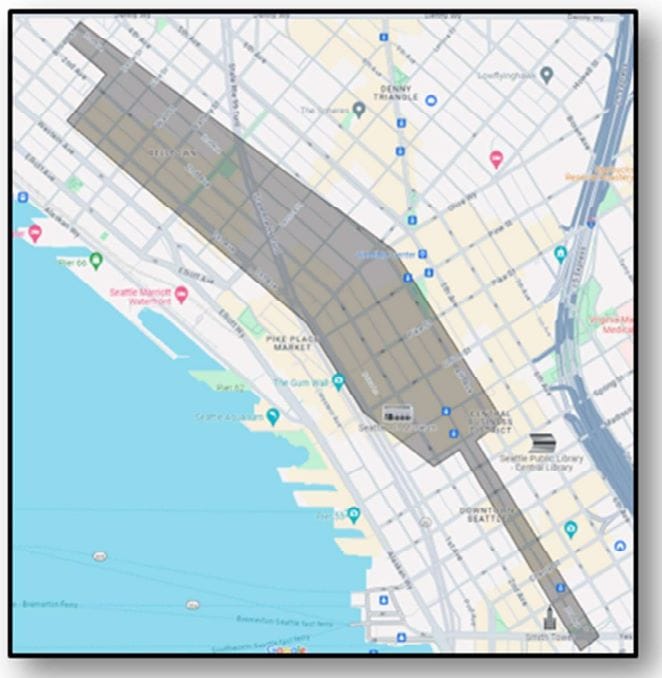
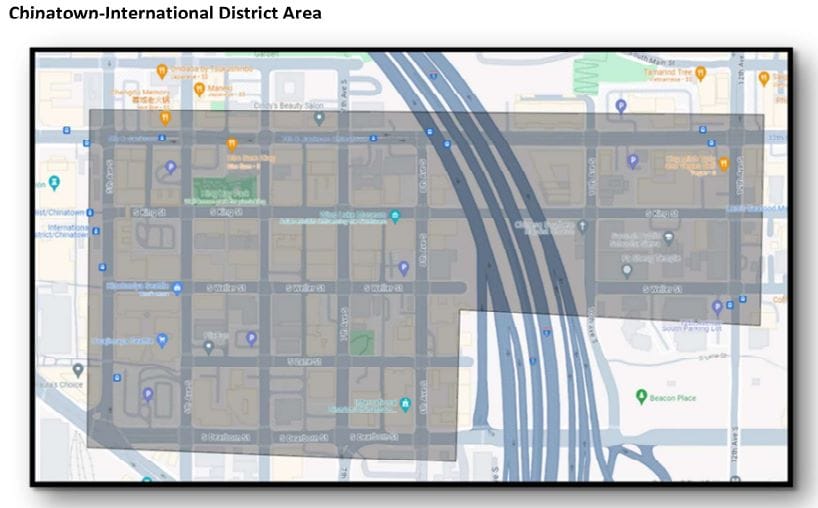
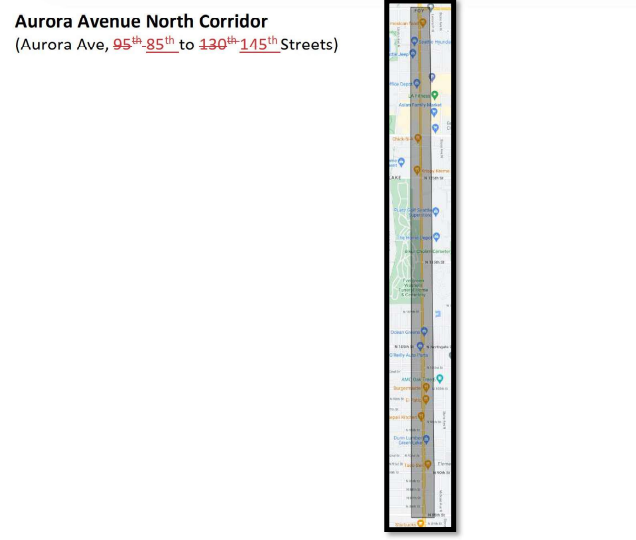
Harrell’s plan adds another nine positions to the RTCC center in 2026.
The cost has ballooned from the budget ask for this pilot last year, which was $1.5 million and supposed to include the cost of Shotspotter acoustic gunshot location technology. The estimates for all three technologies within the pilot have changed repeatedly since that time.
However, Harrell dropped ShotSpotter from the package of surveillance technologies earlier this summer, citing cost. A large community outcry against Shotspotter, citing privacy and effectiveness concerns, as well as a myriad of other American cities recently dropping their own contracts, might have also impacted Harrell’s decision.
Chicago’s large contract for ShotSpotter ended this past weekend amidst contentious debate between its mayor and city council.
The Seattle City Council voted to approve a massive expansion of license plate readers earlier this year, waiving aside concerns about flaws in its data privacy plan. Previously, this technology was deployed in only 11 SPD squad cars, but now it will be in 360 SPD vehicles.
The city’s contract with Axon for this expansion has yet to be finalized. Councilmembers had a briefing with Axon about required contract language on Monday. The city will also be contracting with Axon for the CCTV and RTCC technologies.
A number of organizations have signed onto a letter opposing the pilot, including the ACLU of Washington, One America, 350 Seattle, Chief Seattle Club, El Centro de la Raza, the Gender Justice League, Massage Parlor Outreach Project, Planned Parenthood Alliance Advocates, and WA People’s Privacy.
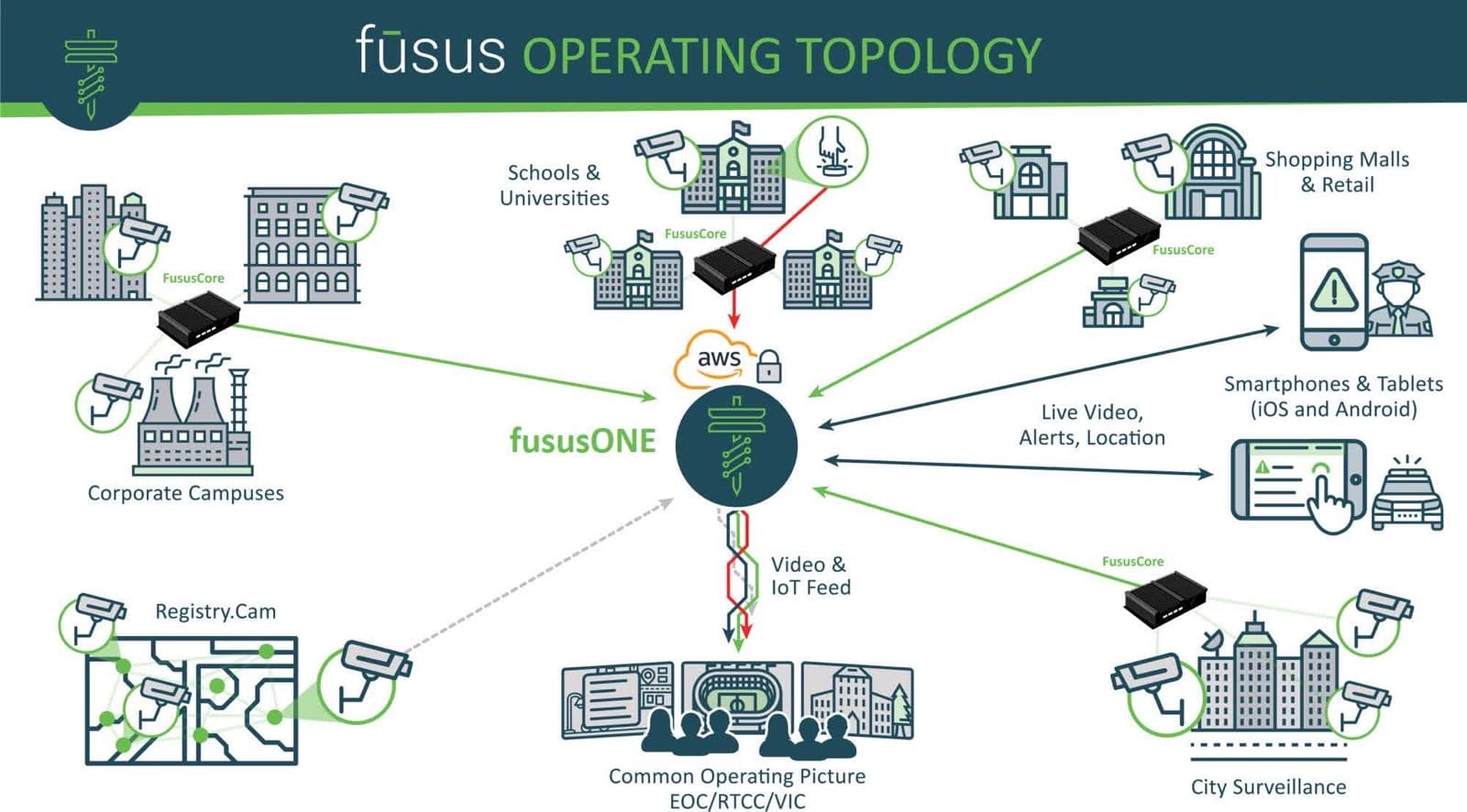
One such organization is the CID Coalition, a grassroots organization who live, work, and have roots in the CID neighborhood. They have expressed their “ongoing opposition to increased surveillance in our neighborhood and Seattle at large” and a preference for evidence-based solutions that do not further discrimination.
“Within the CID community, pro-surveillance individuals are tokenized as representatives of the whole neighborhood when their views can be utilized as justification for increased policing,” a spokesperson for the CID Coalition told The Urbanist. “Safety concerns are weaponized and community members are promised false solutions like CCTV that are ineffective and dangerous to our community. Surveillance like CCTV is just another tool to criminalize, threaten, and disappear people in our community.”
“We are deeply concerned about the City’s efforts to deploy CCTV cameras and real-time crime center (RTCC) software despite evidence that these technologies do not reduce violent crime and disproportionately harm communities of color,” ACLU of Washington technology policy director Tee Sannon said. “Despite these serious risks, the proposals are being rushed without full consideration of the Community Surveillance Working Group’s and the public’s concerns.”
Civil liberties report finds major problems with pilot
In a letter to council, Harrell cited increased gun violence and low police staffing as reasons to implement the surveillance pilot. He said the city recorded more than 1,000 comments about the technologies, but he failed to offer a breakdown of how many of these comments were in support of the project.
However, the city’s Community Surveillance Working Group (CSWG) was tasked with completing a privacy and civil liberties report on the surveillance pilot, which sheds further light on the breakdown of public input. That report said: “The City received a substantial number of public comments, both in-person and submitted electronically, regarding the potential misuse of these technologies. These comments were overwhelmingly negative and voiced a serious concern and lack of trust within the community as a whole of the Seattle Police Department’s plan to expand the use of surveillance technology.”
All together, the report outlines 12 major issues of concern with the new pilot, including conflicts and impacts on basic constitutional rights, lack of clarity about several aspects of the technology and the pilot, and privacy risks.
During the public comment period of the first public safety meeting discussing this proposal, René Peters, the co-chair of the Community Surveillance Working Group, painted the surveillance expansion as not fully baked.
“Key issues include the impacts on constitutional rights, concern that the risk of disparate impacts on minority communities aren’t being met head on, as well as a lack of specificity in technological capabilities, stated governance, the justification measures, and timelines,” Peters said.
The report also raises concerns about accountability as far as use of new AI technologies is concerned. While SPD has promised not to use facial recognition technology, the RTCC software could, now or in the future, include other AI tools such as gait recognition, height-weight measurement recognition, and various other biometric identifiers, for which there is no clear mechanism for review.
SPD has said they may use object and clothing recognition technology, which the Community Surveillance Working Group called a “slippery slope.”
When The Urbanist reached out to Peters, he clarified that this slippery slope could lead to compromising civil liberties. He also suggested it would be better if identification technology of this kind could be limited to a defined list of prioritized items and mentioned it would be difficult to know whether there are additional possible or available capabilities of the software not listed in the SPD report.
The working group report dives into the risk of disparate impact of the pilot on minority communities in Seattle. It explains that the concerns are two-fold, as disparate impact can arise both from inherent inaccuracy and bias with the technology itself as well as the technology increasing exposure of people of color to police contact and the criminal legal system. The heightened surveillance zones are in neighborhoods with some of the highest-percentage of minority residents in the region, and overlap considerably with the newly passed drug banishment and SOAP zones.