Single family zoning will soon be a thing of the past for most Washington cities thanks to passage of statewide “missing middle” housing reform this state legislative session. This monumental success was thanks in large part to lawmaker heroes named below and the far-ranging coalition that coalesced behind the bill.
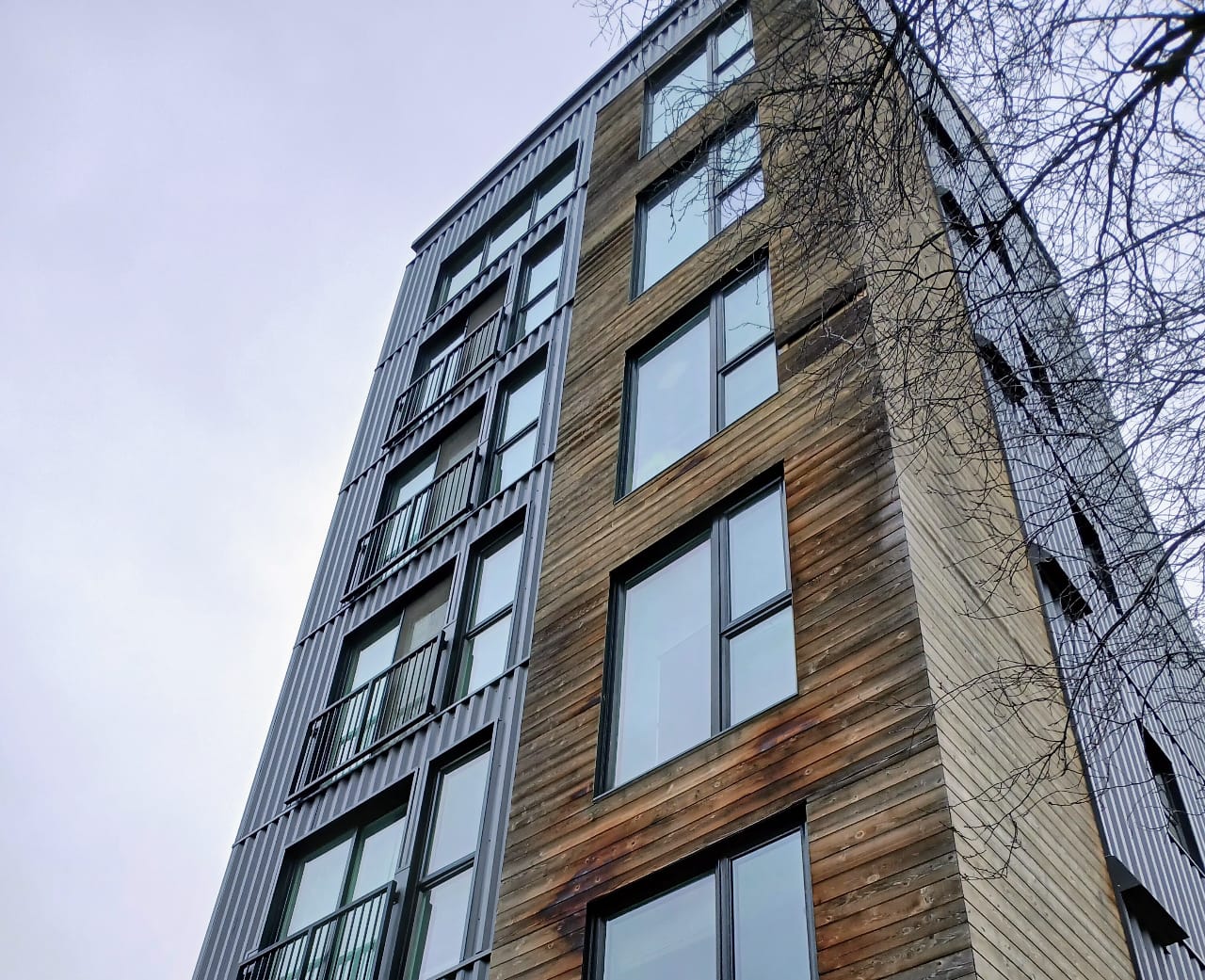
The state legislature took up a record number of housing bills and passed an impressive number of them, including design review reform that will limit local jurisdictions to one meeting and narrow the parameters than boards can consider. This should speed up the permitting process. Another reform would allow single stair apartment buildings, which are both more economical to build and tend to create residences with better lighting and ventilation.
“It’s been an extraordinary session,” Governor Jay Inslee said in a statement. “Lives are going to get better because of massive housing investments totaling over $1 billion, new gun safety laws, the clean energy jobs we’re creating, and our investments in education.”
The progress on addressing the housing crisis was vital and commendable, but much work remains to be done both on housing and other crises facing the state, from traffic safety to the drug epidemic to spiraling wealth inequality. There’s also the community safety crisis, the struggling education system, and the climate catastrophe barreling down on us. Progress on those issues wasn’t as pronounced, and some much needed legislating was left undone for yet another session.
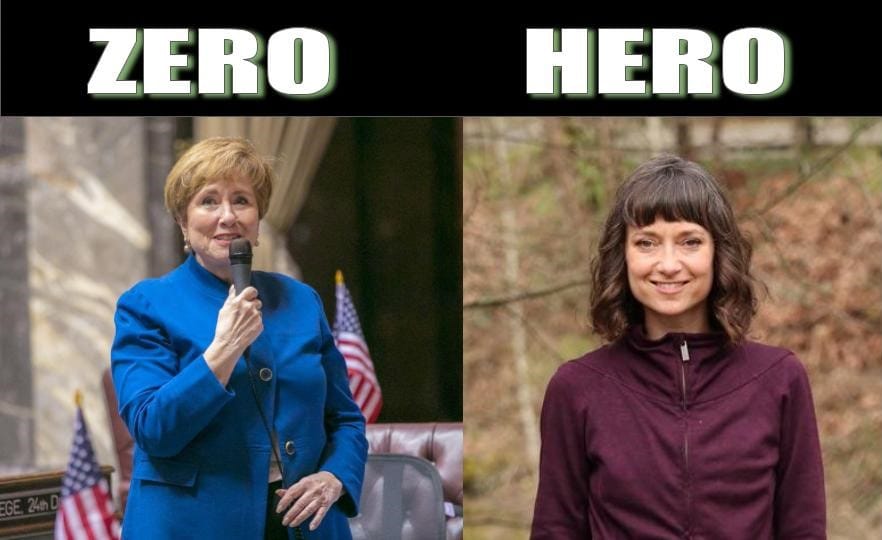
The heroes and zeroes among the state legislature named here are informed by the following things that did or didn’t happen this session.
- Passed missing middle housing
- Passed design review reform
- Passed new gun safety laws
- Passed climate planning in growth management bill.
- Passed a bill inviting more police chases, which often results in road fatalities.
- Didn’t pass bills to address traffic safety
- Didn’t pass property tax cap lift
- Didn’t pass progressive tax reform
- Didn’t pass rent stabilization
- Didn’t pass a policy to address the drug addiction crisis and replace expiring temporary Blake fix.
- Passed a one-billion-dollar capital budget instead of the $4 billion bonding package Inslee proposed.
This mixed record certainly did draw criticism, even with the triumph of new housing legislation.
Tenant advocates were frustrated the housing wins didn’t include more tenant rights wins. In her newsletter, Michele Thomas, policy director at Washington Low Income Housing Alliance, heralded the capital budget adding another $400 million for housing trust fund but lamented that rent stabilization didn’t pass
“Lawmakers opened the legislative session by declaring ‘this is the year for housing’ and they had opportunity to create transformational change, but failed to pass bills that would have stabilized rents, provided longer notice of rent increases, and created permanent funding with progressive revenue to build affordable homes at the scale the crisis requires,” Thomas said. “They did pass many bills to make it easier for developers to build market rate housing. But these homes will be out of reach for low and even moderate-income households and will not provide the affordable homes our communities need.”
Rather than point to any of those shortcomings, however, Inslee pointed to failure to ratchet up laws criminalizing drug possession, seemingly begging to reignite a failed war on drugs that has led to mass incarceration but not gotten us any closer to mass sobriety.
“I hope the successes of this session aren’t overshadowed by the way tonight ended with the failure of the Blake bill in the House,” Inslee added. “But what happened tonight was unacceptable. Decriminalization is not an option for me and it is not an option for the state of Washington. I expect legislators to deliver a solution.”
King County Executive Dow Constantine launched a survey to plan Country budget cuts and expressed regrets that the state legislature didn’t address tax reform. Washington State’s tax system has been ranked the most regressive in the nation, and the 1% cap on property tax increases (which the legislature put in place replacing a Tim Eyman ballot initiative that was struck down in court) severely limits what counties and cities can do to raise revenue. Between fast-growing populations and inflation being near 9%, this makes budgeting very difficult for local jurisdictions. A proposed bill to raise the property tax cap to 3% failed to pass.
“No enterprise, public or private, can be expected to provide the same services year after year with revenues arbitrarily capped below the increasing cost of doing business,” Constantine said in a statement. “We are facing budget decisions that will affect the programs and services that people in King County depend on every day to keep them safe and healthy. These cuts will have real impacts on our residents, but we are left with no other choice given the legislature’s inaction.”
Democrats hold large majorities in both chambers and have little excuse not to drive the policymaking agenda as they see fit and tackle big issues. After picking up another seat in each body last year, the Democratic advantage is 58-40 in the House and 29-20 in the Senate.
Hero 1: Rep. Jessica Bateman
Rep. Jessica Bateman (D-22, Olympia) led the missing middle housing charge for the second straight session and her diligent efforts strategizing and pulling together a coalition secured passage of what will likely be remembered as the defining bill of the 2023 session. Washington statewide zoning reform goes farther than California’s duplex bill. Bateman’s House Bill 1110 will set the minimum bar at sixplex zoning across the transit-rich areas of the largest cities of the Puget Sound region.
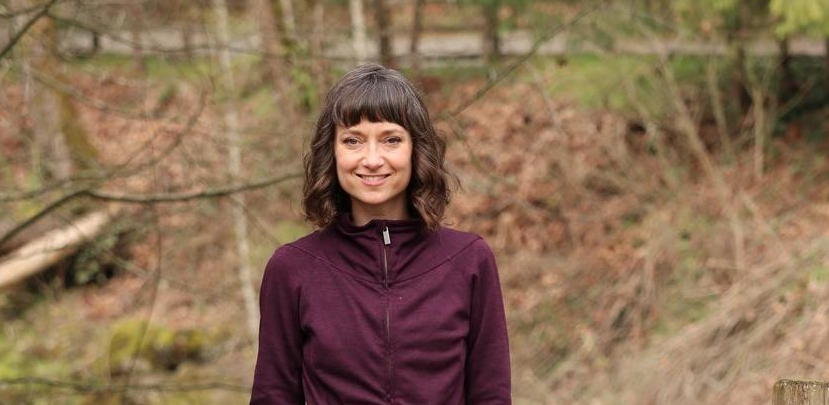
“I spent years on Olympia City Council fighting for middle housing. When I got to the legislature, I made it my mission to legalize middle housing statewide. It took us 2 years, but we did it! The work continues and today we celebrate,” Bateman tweeted shortly after the bill’s passage.
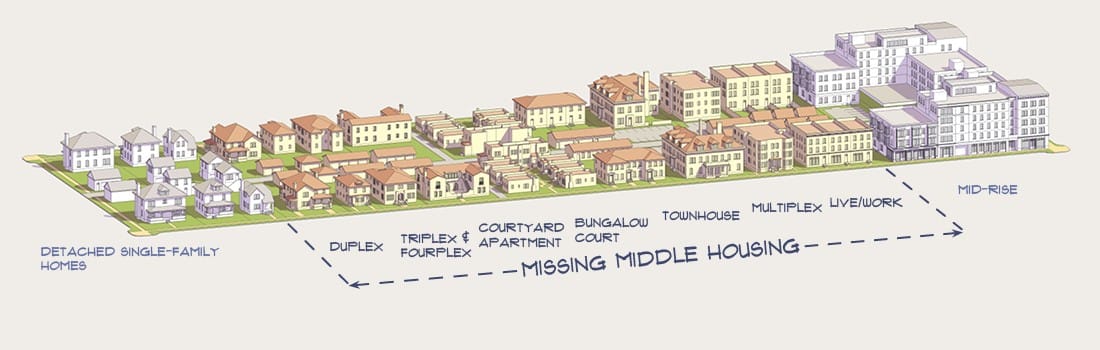
The term “missing middle” refers to the fact that cities used to contains tons of modest middle-income homes in mid-sized buildings between single family manors and large apartment buildings. The vast majority of jurisdictions banned these middle housing options mid-century, and by modern times, most housing is at those two extremes and options for working class families has suffered because of it. Hence, restoring missing middle housing has been an emphasis for urbanists and housing advocates of many stripes, as evidenced by the broad coalition behind Bateman’s bill.