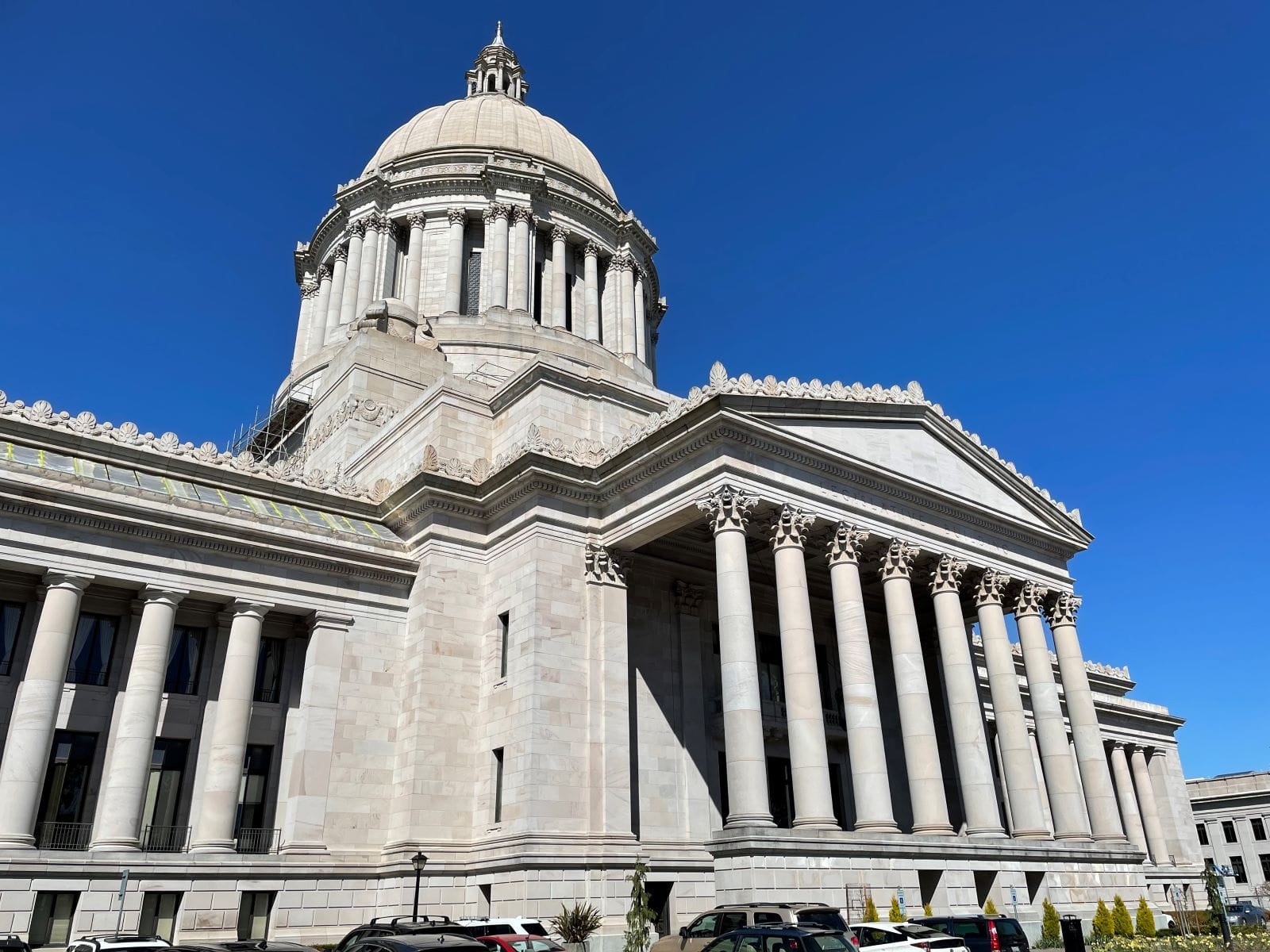
The Washington State Legislature’s 2021 session adjourned on April 25th with some big wins and some big whiffs. Republicans did jack all and were in lockstep against climate action, and it basically goes without saying they’re zeroes. But even within the Democratic Party, not everyone in the canoe was rowing in the same direction, so The Urbanist wanted to highlight some of the heroes and zeroes from this session.
First off, let’s go over the biggest happenings. Three things really stand out. The legislature passed a capital gains tax for the first time ever and put a price on carbon — two huge strides on progressive tax reform and climate action. The legislature also passed significant Growth Management Act (GMA) reform for the first time since the Act went into effect in the early 1990s; HB 1220 will make it easier to site affordable housing and encourage cities and counties to plan for housing abundance, as Futurewise recapped recently.
Hero #1: Rep. Joe Fitzgibbon, Climate Whiz
Considering how many false starts carbon pricing has had in our state — with two failed statewide ballot measures and a handful of failed legislative pushes — the key Climate Commitment Act (CCA) architects Senator Reuven Carlyle (D, North Seattle) and Representative Joe Fitzgibbon (D, West Seattle) deserve recognition. And since Fitzgibbon was instrumental in passing the clean fuels standard and GMA reform, we will honor him as our number one hero.
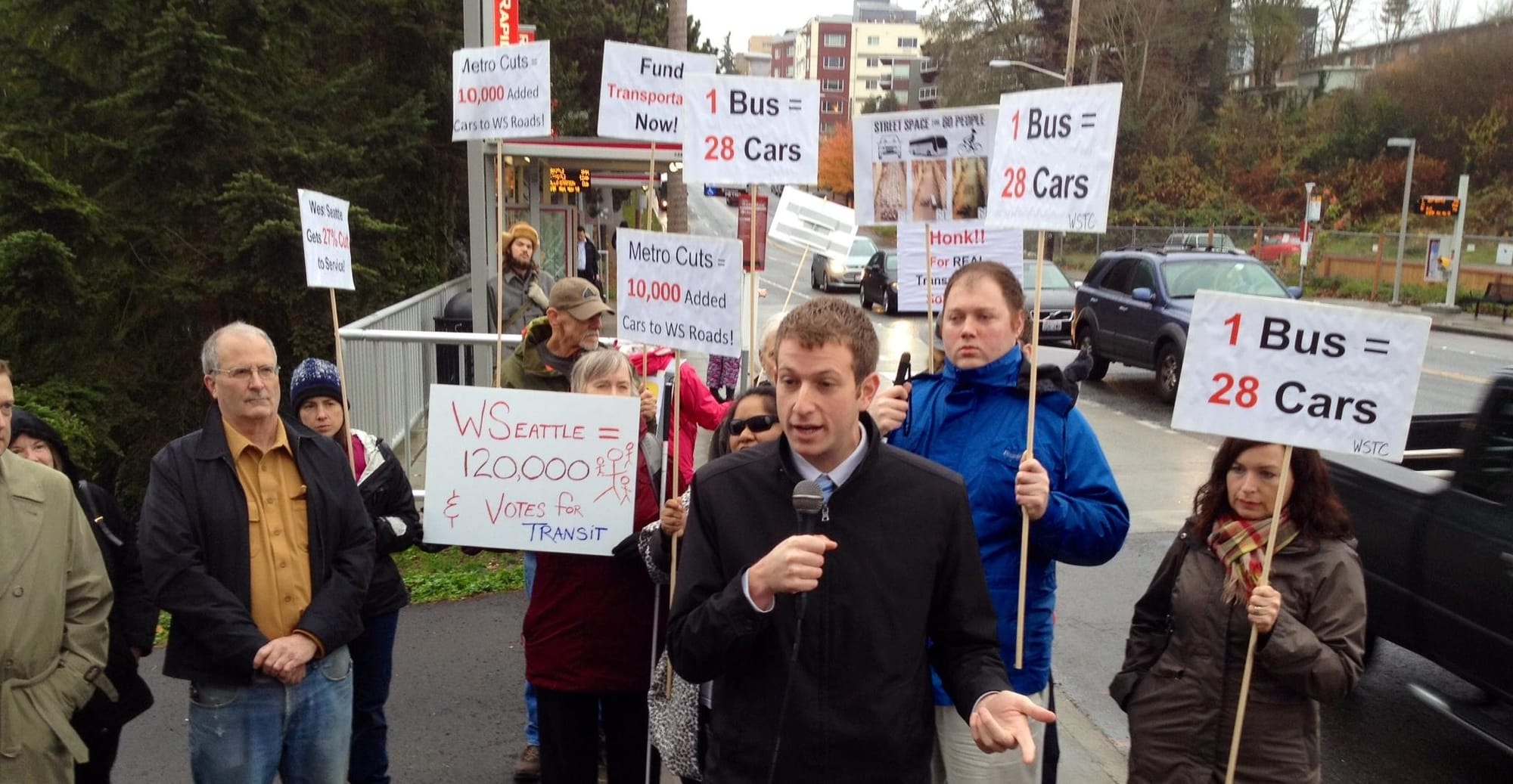
The Urbanist Election Committee has been a big fan of Fitzgibbon with glowing endorsements, and it’s rewarding to see a great campaign vision translate into action and huge legislative success. Rep. Fitzgibbon recently did a far-ranging interview on David Robert’s Volts podcast for those who’d like to hear how climate policy came to fruition in his own words.
Zero #1: Senator Steve Hobbs, The Highwayman
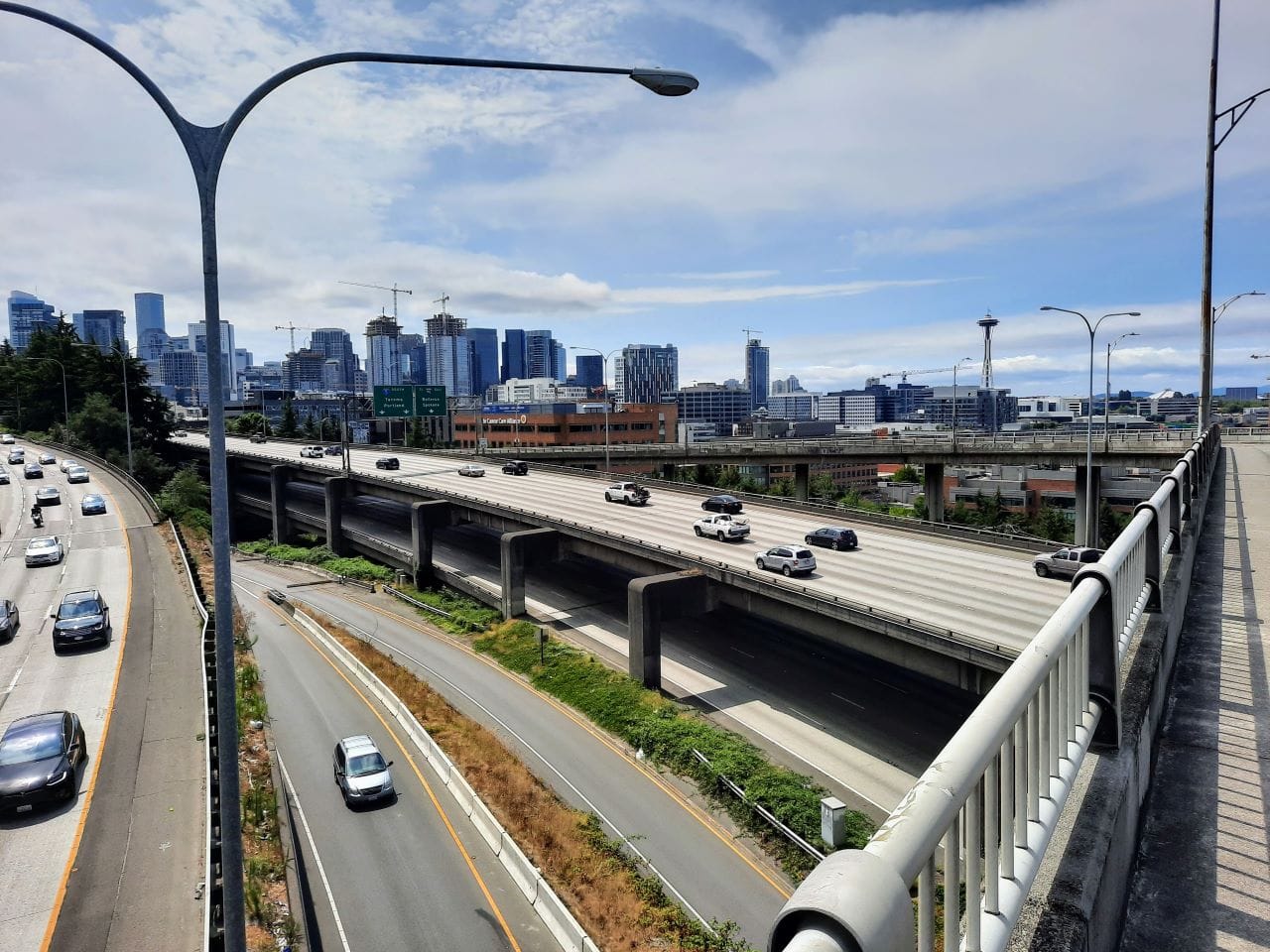
Inversely, all three of those strides were opposed or obstructed by our number one zero: Steve Hobbs (D, Lake Stevens), who voted against the capital gains tax, the clean fuels standard, GMA reform, and sought to undermine climate legislation by tying it to passage of a transportation package, which he fought to keep heavily focused on highway expansion and hostile to transit. Senate Transportation Chair Hobbs proceeded to fail to pass his transportation package for the third-straight year because his vision was too far from the progressives in his party, who prefer greater investment in transit and walkability like the House version offered.
The Climate Commitment Act (CCA) priced carbon through a “Cap and Invest” strategy, and its path through the sausage-making process wasn’t always pretty, but it did ultimately succeed in getting the votes. David Roberts, formerly of Vox and now of the Dr. Volts newsletter, argued Washington has passed “the most comprehensive and ambitious carbon pricing system in the country.”
Cap and Invest Plan hinges on passing transportation package
“On the upside, once it is in effect, the CCA is authorized to stay in effect until its emission goals are reached,” Roberts wrote. “This is a really big deal: there won’t be a big legislative fight over reauthorization like there was in California in 2017, which weakened that state’s program. There is no sunset or time limit on the CCA. It stays in place until the state is net-zero. A declining cap is now the status quo, and it’s always more difficult to pass a new bill to change the status quo than it is to keep it in place.”
The CCA is designed to meet the state’s carbon targets, which were updated last year, calling for 45% reduction from 1990 levels by 2030, 70% by 2040, and 95%/net-zero by 2050. “Keep in mind: this is not just the electricity sector,” Roberts wrote. “It’s electricity and transportation and oil and gas and more — somewhere between 75% and 80% of the state’s total greenhouse gas emissions. Only California has comparable economy-wide aspirations, but Washington’s rate of reductions will need to be much more rapid than California’s to reach its targets. In terms of the sheer pace of change to which a state has committed, Washington has taken the lead.”
We published a CCA op-ed from Andrew Grant Houston that argued that the math didn’t add up and that frontline communities would bear the brunt of carbon pollution allowances. Roberts addressed those lines of attack saying that CCA marries a carbon cap with industrial regulations and investments to protect marginalized communities, including a robust air quality monitoring system. It might not be perfect, but it’s as good as any policy passed in the country at tackling the frontline communities problem, he contended, and better than the WA STRONG carbon tax bill presented as an alternative, which would have exempted “energy-intensive trade-exposed entities” — or to put in a less jargon-heavy way, export-heavy businesses like Boeing.
Roberts also acknowledged that tying the CCA to passage of a transportation package is a downside, even if the answer he ultimately landed on is it’s an acceptable price to pay. The toll could be lowered if the state legislature succeeds in wrestling the package far away from Hobbs’ backwards vision and toward greater investment in transit, walking, rolling and biking. A transportation package should be a climate package in a state where transportation is by far our number one source of emissions. Why take two steps forward and one back, when we can take three steps forward?
And if carbon pricing drives up the cost of driving, wouldn’t it be more equitable and progressive to provide high quality alternatives to driving rather than shiny new freeways that most Washingtonians won’t be able to afford to use? Presently switching to an electric car typically halves the carbon footprint compared to an equivalent conventional car, but doesn’t eliminate it, which is a really big deal when the goal is net-zero by 2050. Climate action plans at the state, county, and city level call for lowering vehicle miles traveled. So why are we adding highway capacity?