In a 6-3 vote yesterday, the King County Council approved a bill greatly expanding tenant rights in unincorporated King County. Sponsors Girmay Zahilay, Jeanne Kohl-Welles, and Dave Upthegrove introduced the legislation in March, but they ran into headwinds as the Rental Housing Association of Washington (RHA), which represents landlords, fiercely opposed it. County Councilmember Kathy Lambert also threw up roadblocks and proposed a litany of striker amendments in committee. Lambert and colleagues Reagan Dunn and Pete von Reichbauer were the “no” votes. All three are Republicans and up for re-election in an increasingly left-leaning county.
The ordinance establishes a “Just Cause” eviction protection that requires landlords to state a reason in order to end a tenancy — acceptable reasons include nonpayment of rent, criminal activity, the landlord moving into the rental, or the tenant violating lease terms. Municipalities like Seattle, Federal Way, and Auburn previously passed Just Cause laws, and the State Legislature also passed a statewide Just Cause law earlier this year, though its weaker than most municipal versions. (Municipal ordinance takes precedence over County ordinances on landlord-tenant issues.)
Moreover, the bill caps move-in fees and deposits to one month’s rent and late fees to 1.5% or less. The bill requires that landlords give a 120-day notice if they plan to increase rent by more than 3%. When landlords plan to evict or not renew a tenants’ lease, they must provide at least a 30-day notice under the new ordinance.
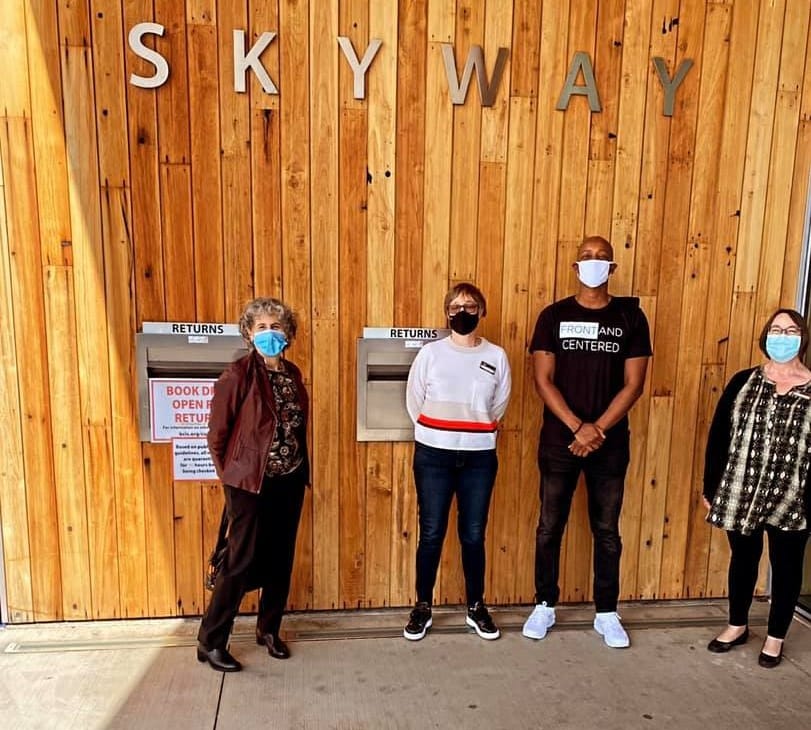
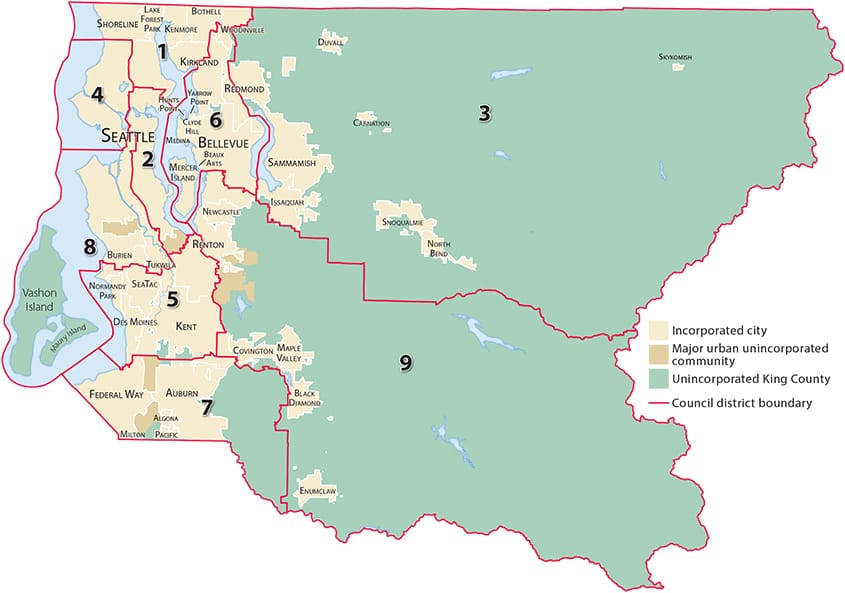
Unincorporated King County — which includes communities like Skyway (where Zahilay resides) and White Center — accounts for 20% of the “no cause” evictions in the county despite representing just a tiny fraction of the renters in the county. Those unincorporated communities are also some of the most racially diverse in the county, which helps explain why the majority of evictions hit Black and brown households despite their relatively small share of the county’s population. The higher incidence of evictions in communities of color is in turn linked to the disproportionately high share of Black, Indigenous, and people of color in the county’s homeless population.
“We are not in normal times.”
“We are not in normal times,” Councilmember Zahilay said. “There’s a pandemic, our planet is on fire, and our housing crisis continues to leave people on the streets. Keeping people indoors is more important now than ever. Strong tenant protections are critical and I’m proud we were able to advance them today.”
The pandemic has led to massive upheaval in the rental market, with Americans accruing more than a trillion dollars in housing debt as millions of jobs disappeared and millions suffered through severe cases of Covid-19 that disrupted their ability to work. Governor Jay Inslee enacted an eviction moratorium and froze rents in April 2020 to protect tenants who lost income during the pandemic from falling into homelessness. He’s renewed it every few months since and just issued a “bridge” extension last week that winds down the protections by September 30th. The bridge is intended to link up with rental assistance so that tenants can clear their housing debts, but disbursing that rental assistance has hardly been a seamless process and many tenants have fallen between the cracks.
Tenant advocates have warned of a tsunami of evictions as the eviction moratorium is lifted and landlords go after tenants behind on rent. That’s what has spurred the tenant rights push we’ve seen in the region and across the nation.
Stay Housed Stay Healthy Coalition celebrates victory
A number of pro-tenant local organizations formed the Stay Housed Stay Healthy coalition and rallied behind the county package and fought back against striker amendments. The Urbanist was one of the groups to join this coalition, and I offered public comment in favor of the legislation on behalf of our organization.
Coalition members hailed the bill’s passage as a major win. Among them was the Housing Justice Project of the King County Bar Association, which is one of the primary legal aid providers to tenants in the region. “This is a HUGE victory and would not have happened without the support of the community who participated in HOURS of public comment,” the House Justice Project tweeted.