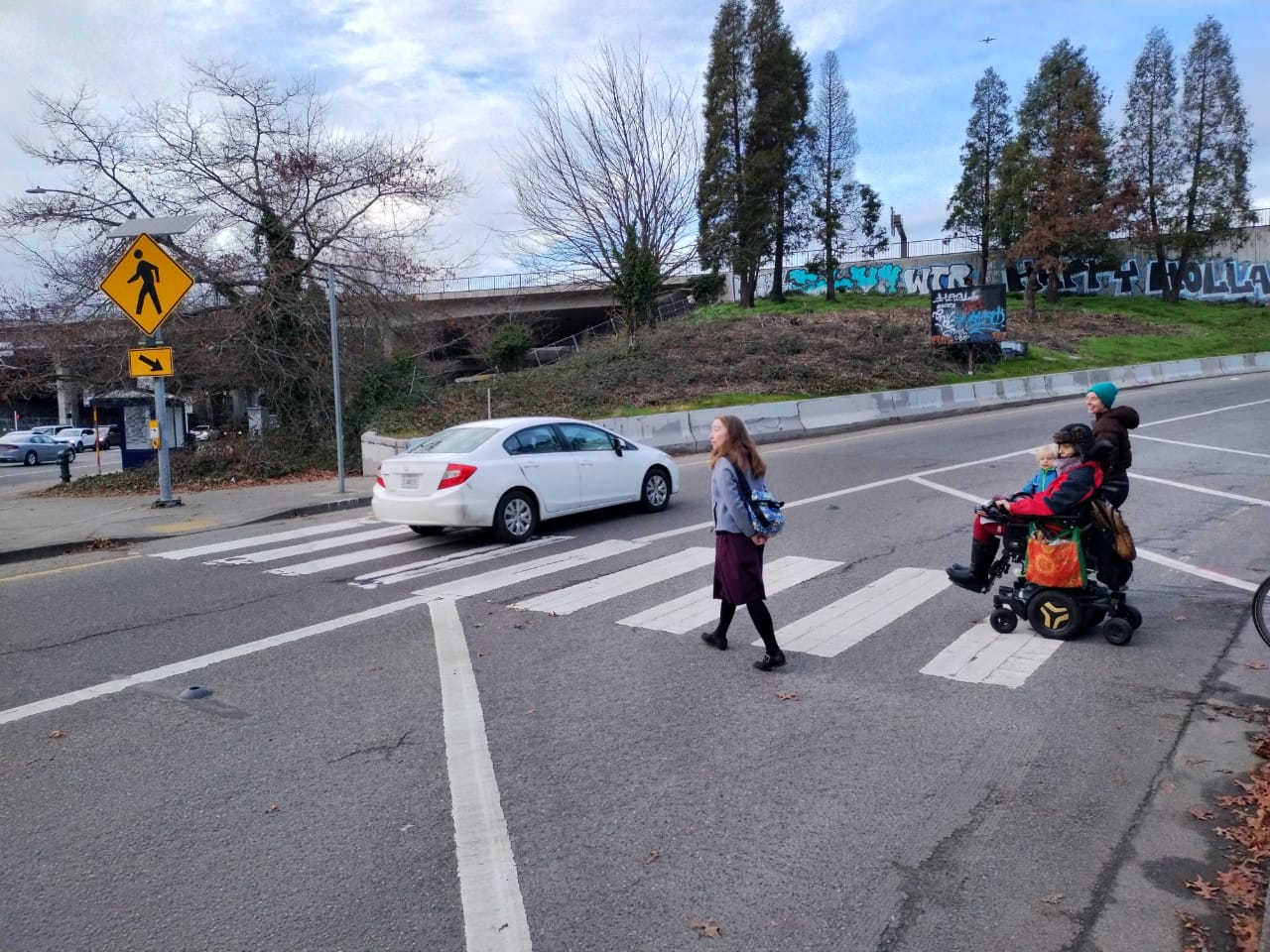
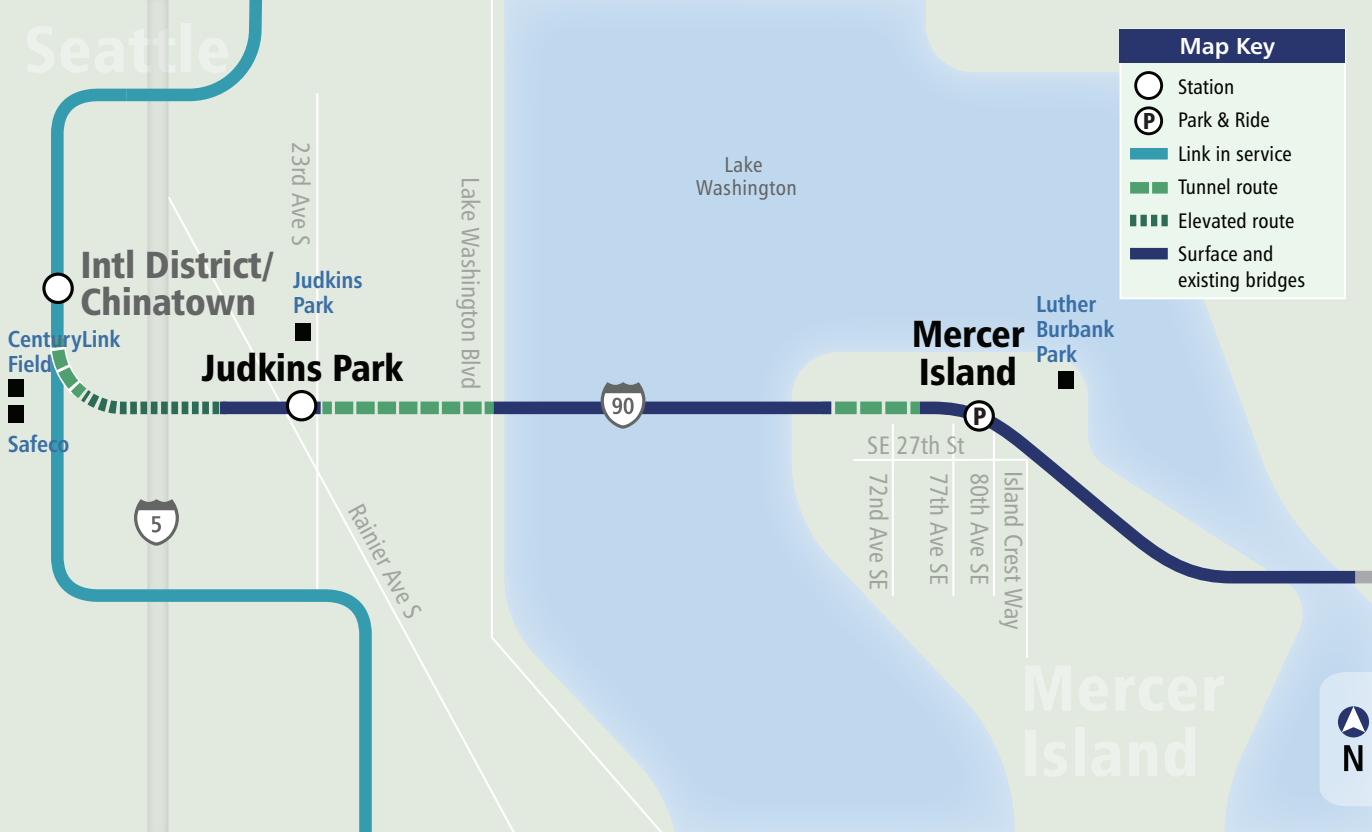
Light rail stations and highway off-ramps aren’t two things that go great together, but Sound Transit’s decision to build Judkins Park Station within the median of I-90 made the spaghetti string ramps that connect the highway to Rainier Avenue part of the package deal. While it looked like any hope of making substantial pedestrian improvements in and around those ramps was years away at best, the Seattle Department of Transportation (SDOT) has announced upgrades intended to go in place by the time trains start picking up passengers.
When the station opens by the end of the year — as part of the forthcoming 2 Line expansion across Lake Washington to Bellevue and Redmond — the number of people trying to cross the on- and off-ramps near the station entrance will dramatically increase.
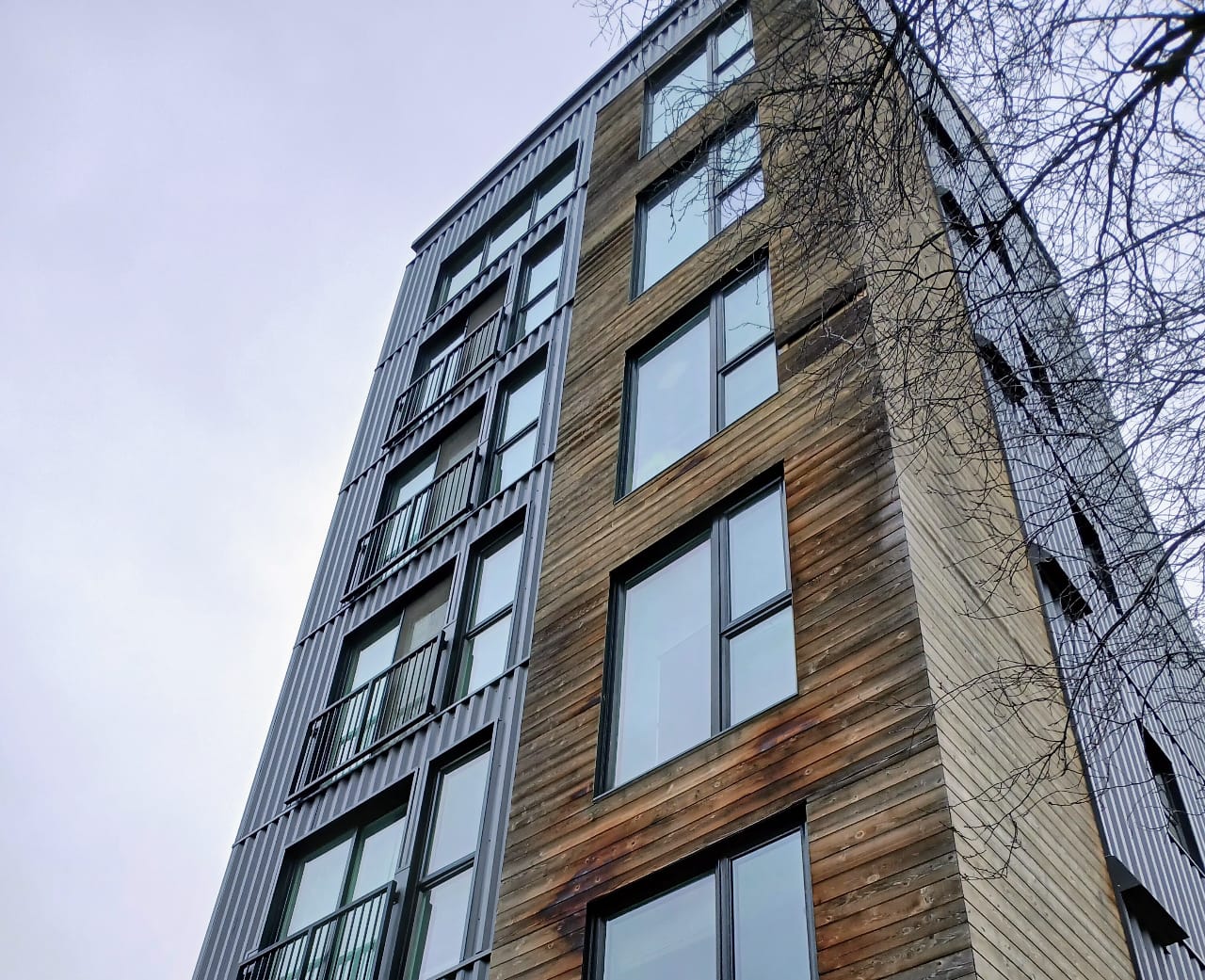
With hundreds of new apartments along Rainier Avenue planned or in construction, including the brand new 569-unit Grand Street Commons, the current state of the ramps is untenable. While the Washington State Department of Transportation (WSDOT) did make some tweaks to the ramps in 2021, crossing any of them remains daunting, with drivers exiting the highway at high speeds or speeding up to get on.
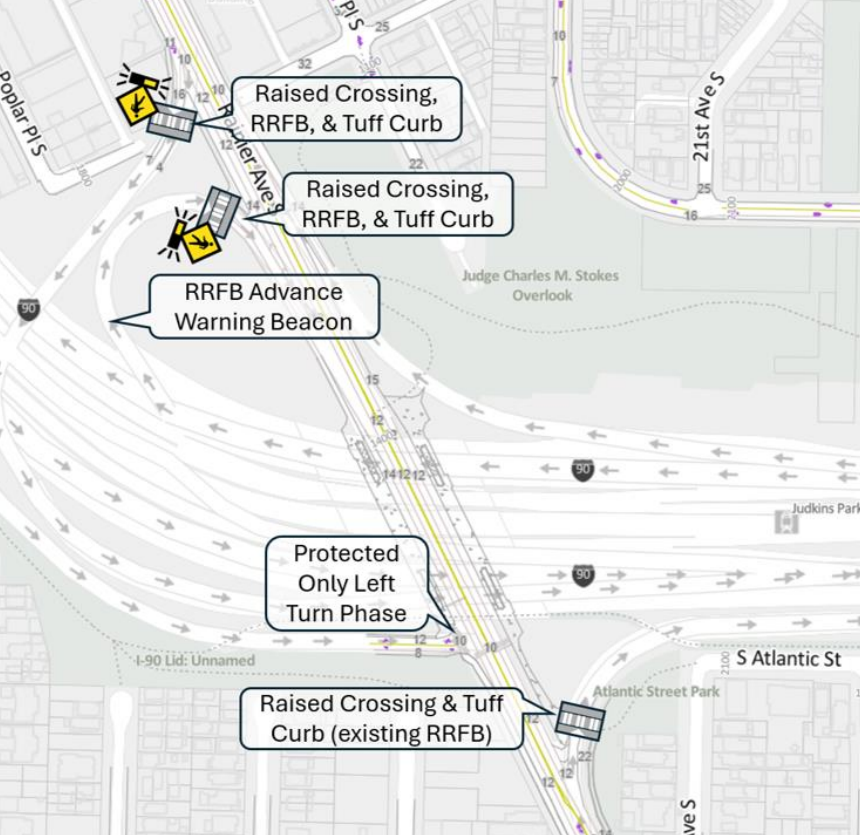
By this summer, SDOT plans to add raised crosswalks at three of the ramps where there are existing marked crosswalks, along with pedestrian-activated flashing beacons at the two ramps to the northwest of the station where they’re currently missing. “Tuff curbs” will narrow the ramps entrances and exits in an attempt to give drivers visual cues to slow down and to prevent any driver from trying to pass another to enter and exit the ramp. An advance beacon on the ramp that includes a blind curve for drivers exiting I-90 to head south on Rainier will give drivers a heads up about the enhanced crossing ahead.
Implementing raised crosswalks across a state highway ramp is a pretty big step with few other precedents in the state, and illustrates how far WSDOT has come on safety upgrades in recent years. WSDOT’s own design manual calls raised crosswalks “specialized” and doesn’t recommend that they be implemented on streets with higher volumes of truck traffic, but here they have been approved to move forward in a move that could create a precedent for elsewhere.
These upgrades likely wouldn’t have happened without pushing from community members. While SDOT had made some improvements around Judkins Park Station, including adding lighting on the I-90 trail and building a new stairway at Hiawatha Place S, the ramps largely went unaddressed until they were brought up by Rainier Valley residents. “We heard the need to improve safety and accessibility at the on- and off-ramps along Rainier Ave S from community members, transit riders, and through the advocacy of Disability Rights Washington and others,” SDOT’s new project website states.
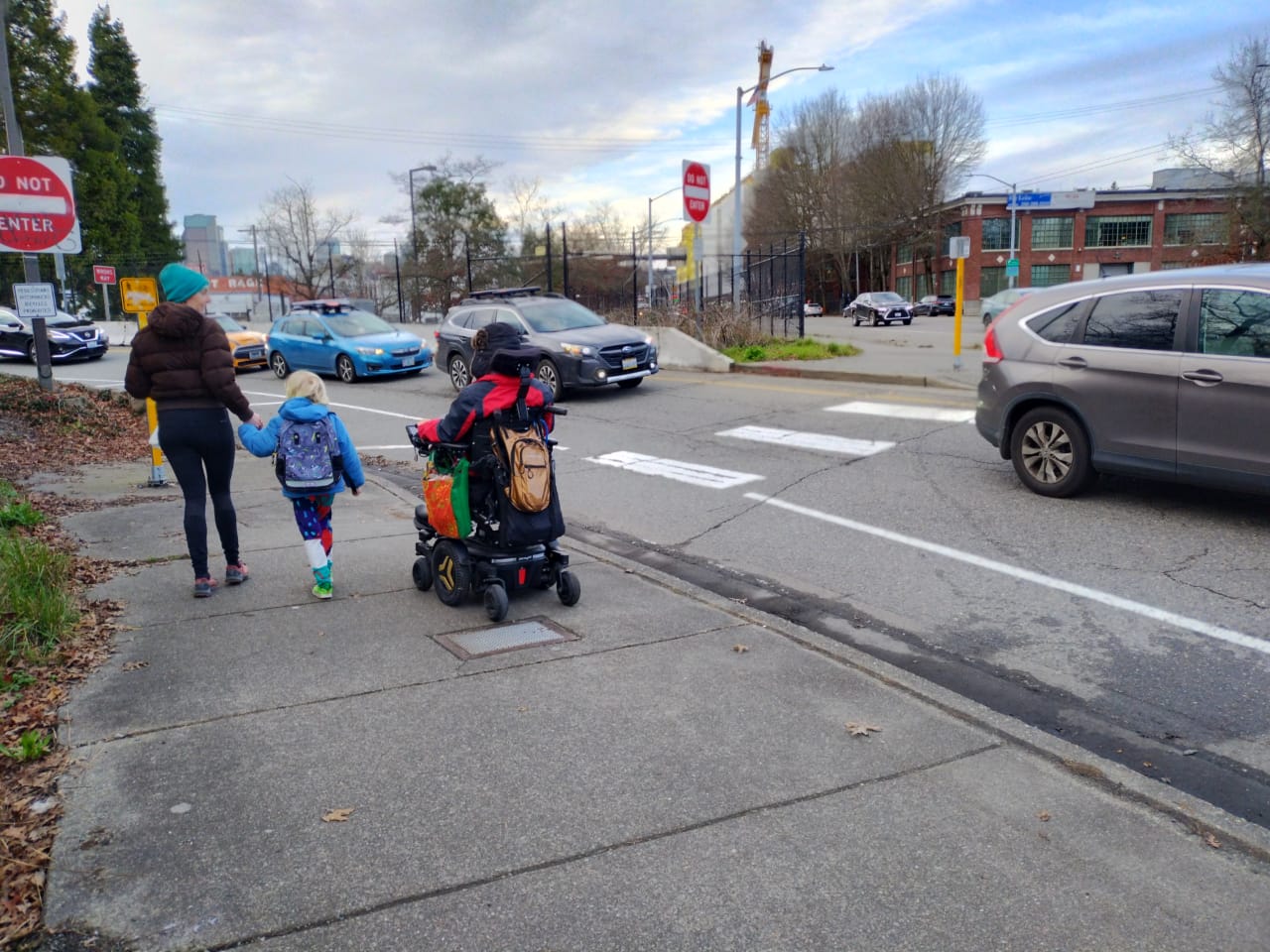
But if you’re thinking that raised crosswalks aren’t a great way to tame highway ramps over the long-term, you’re right. WSDOT is also looking at more systemic fixes for safety near Judkins Park Station, as part of the Sandy Williams Connecting Communities program. Established by the state legislature in 2022, the Sandy Williams program exists “to improve active transportation connectivity for people walking, biking and rolling along and across current and former state and legacy highways,” something clearly needed here.
With the help of an advisory group that started meeting in December, the agency has started to look at potential changes to the ramps that would systemically improve safety, including reconfiguring them to be more like normal city intersections. This idea has been sitting on a shelf for years, and was included in a full report detailing potential transportation safety upgrades in Southeast Seattle created by SDOT in 2008.