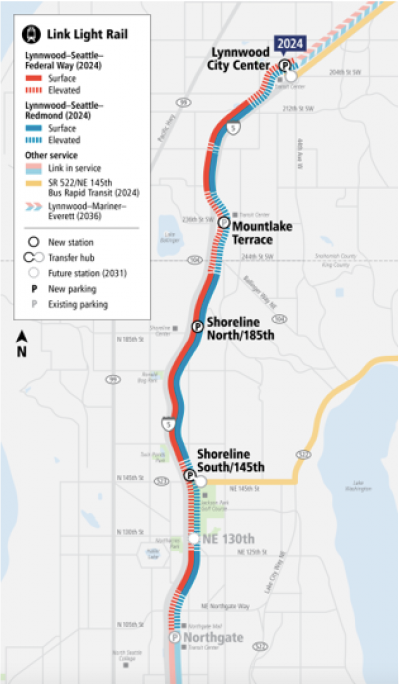
Sound Transit plans to open Lynnwood Link in 2024, but the Lynnwood City Council is already signaling some hesitancy about transit-oriented development near the city’s light rail station, potentially hampering long-laid plans.
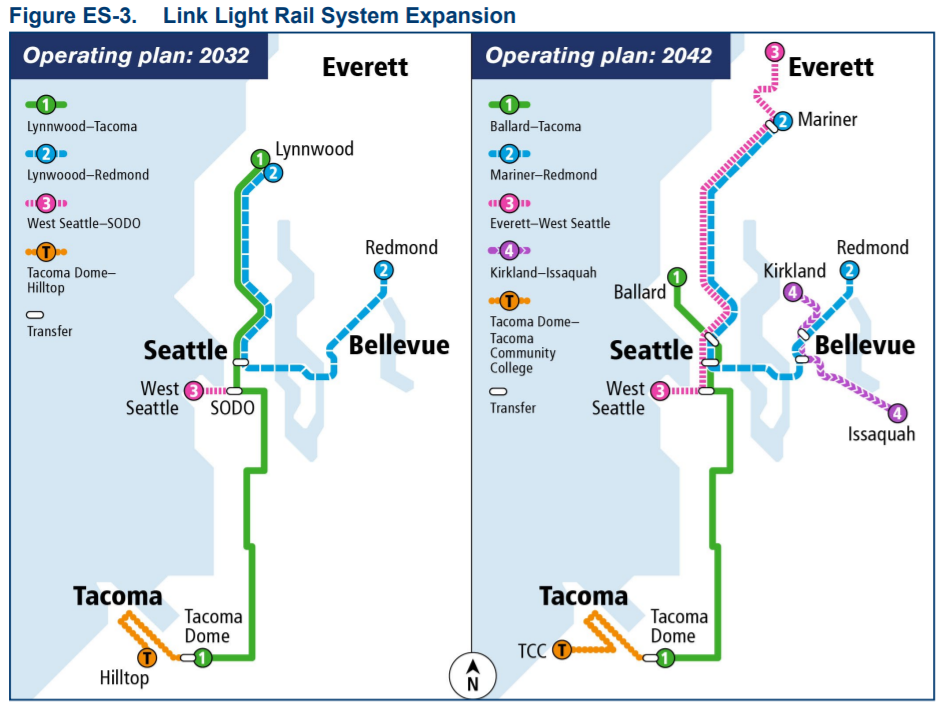
The northern terminus of both the Link 1 Line to Federal Way and the 2 Line to Redmond will be Lynnwood City Center Station — Line 1 will then extend to Everett around 2037. Lynnwood will also be the northern terminus of Sound Transit’s I-405 Stride “S2” bus rapid transit line to Bellevue, currently scheduled to open in 2027, as well as the forthcoming Community Transit Swift Orange line connecting Edmonds and Mill Creek in 2024. Lynnwood is heading toward being one of the most transit-connected cities in the entire region, a position many cities would clamor to be in.
But after the turnover of three city council seats in 2021 potentially bolstering a bloc of growth skeptics already on council, there are signs that the new Lynnwood City Council is not as interested in accommodating new residents to the city near frequent transit. A shift in an approach to housing at such a key transit node could have broader implications and lead the entire central Puget Sound away from accommodating planned growth.
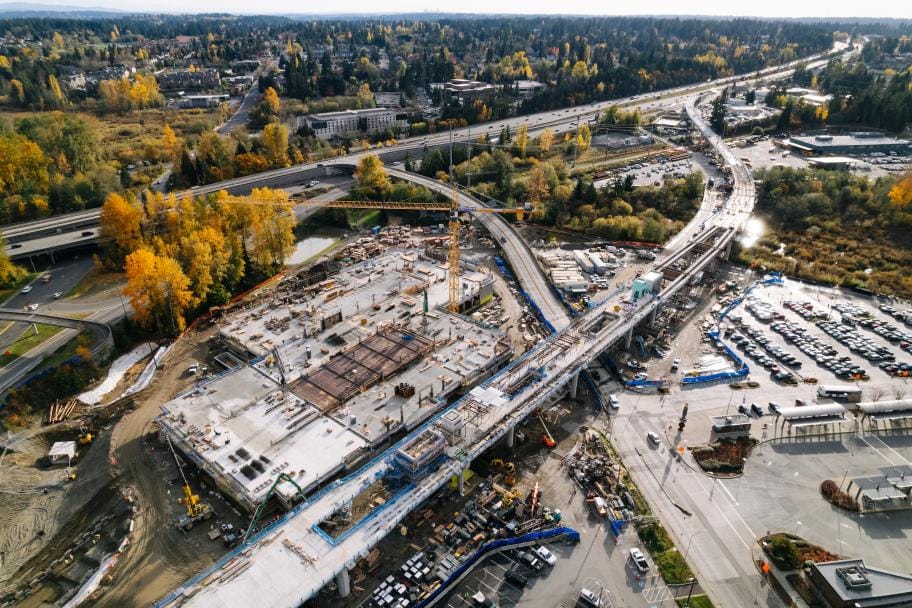
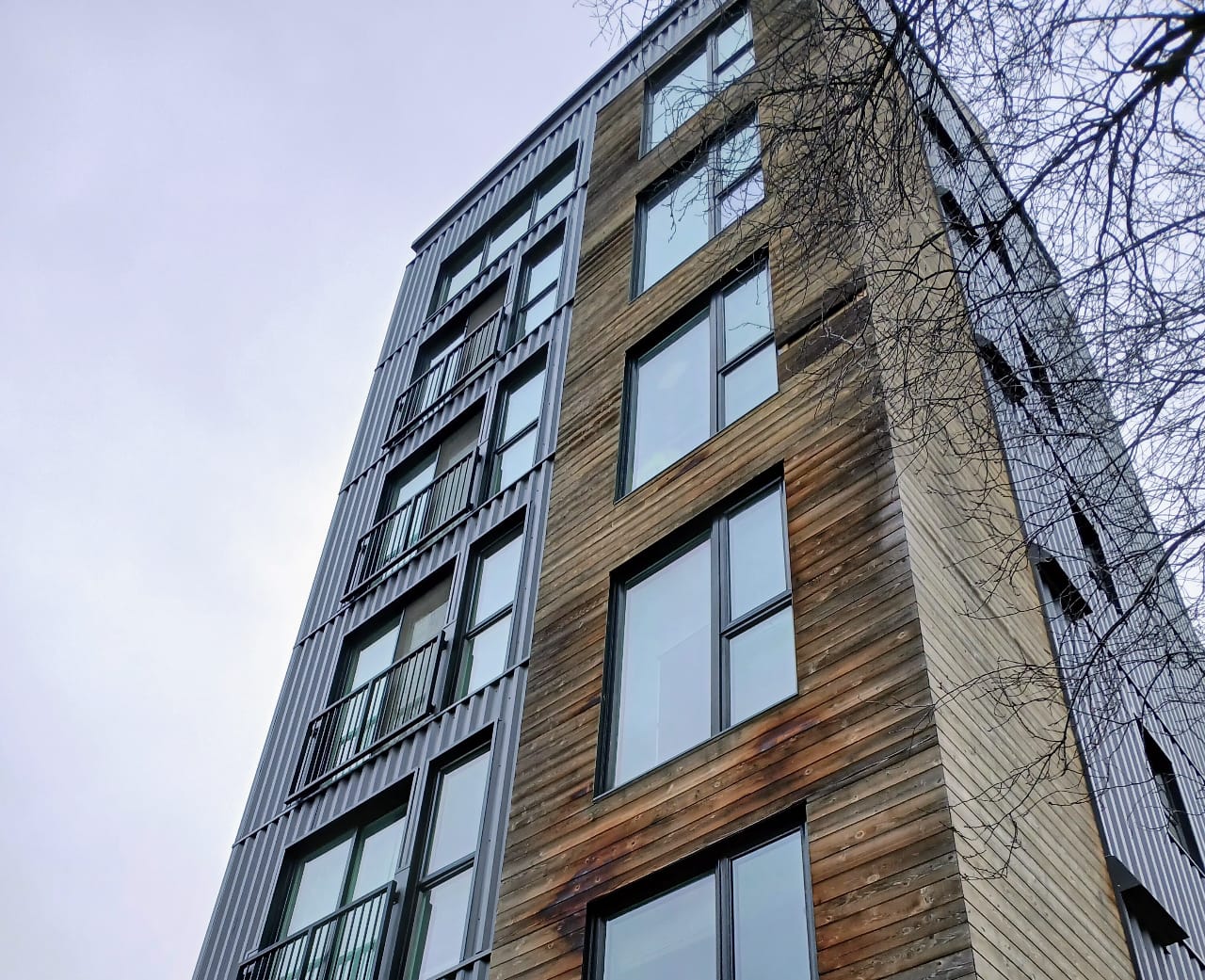
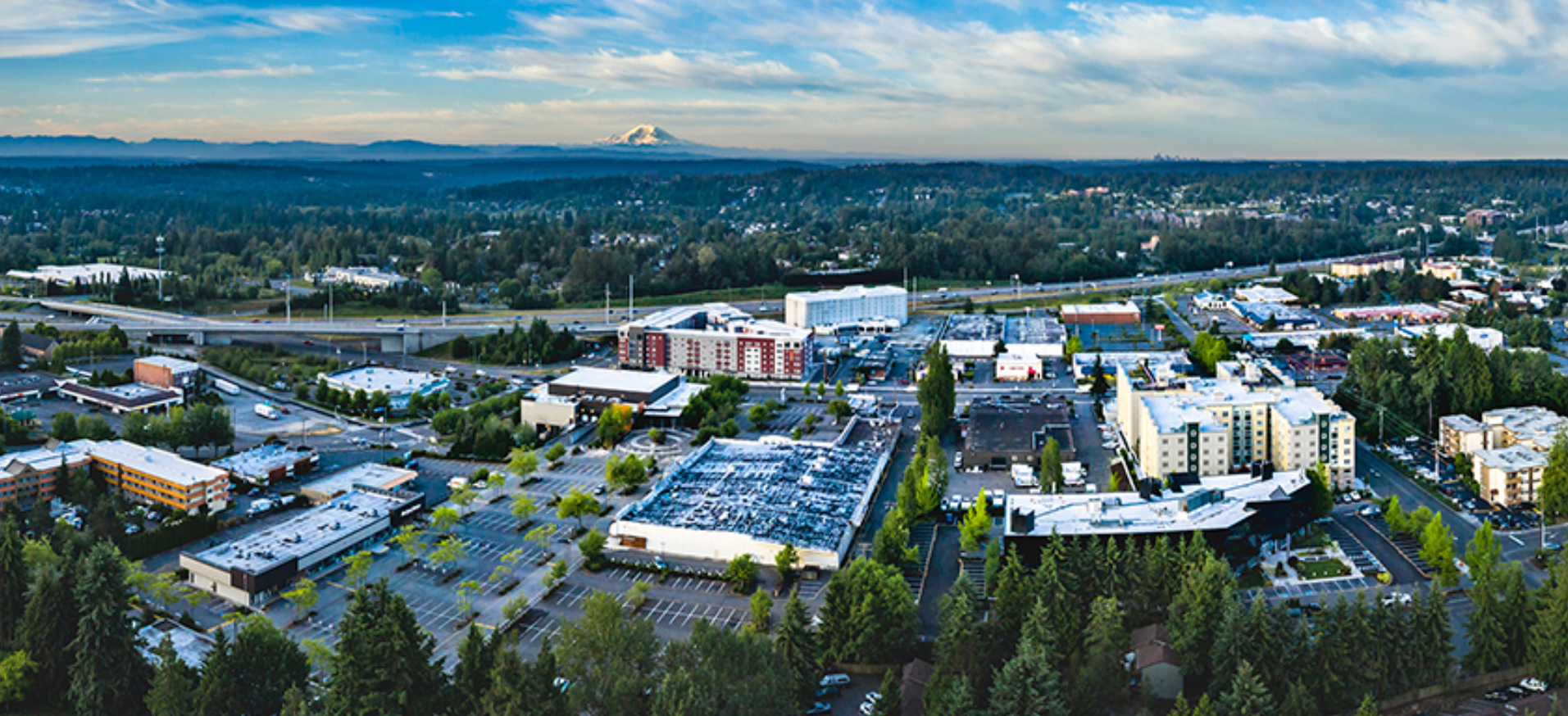
At the center of this fight is the City Center neighborhood, directly next to the soon-to-open light rail station, where development has been very robust, in part because of prior actions by the City of Lynnwood to intentionally focus growth in the area. In 2012, Lynnwood adopted an ordinance that adopted a streamlined process for new residential and office development within the city center neighborhood: individual projects did not need to conduct their own separate full environmental review under the State Environmental Policy Act (SEPA), which also reduces opportunities for housing appeals that delay projects. But that ordinance topped out at 3,000 new residential units — which the neighborhood has now exceeded, with 3,224 units already created or in the development pipeline, according to city staff.