As King County officials work through the budget process, they are engaged in deciding the future of a restorative justice program diverting youth from the criminal legal system.
In the 2026-2027 budget, King County Executive Shannon Braddock proposed a series of changes to one of the county’s pre-filing youth diversion programs, currently called Restorative Community Pathways (RCP). The changes are extensive enough that RCP would cease to exist in its current form, its replacement a county-led program as opposed to community-led.
Signified by a name change to the King County Youth Diversion and Intervention Program, Braddock’s plan consists of both financial cuts to the program and organizational changes that would bring coordination and administrative work within the county’s Department of Community and Human Services (DCHS).
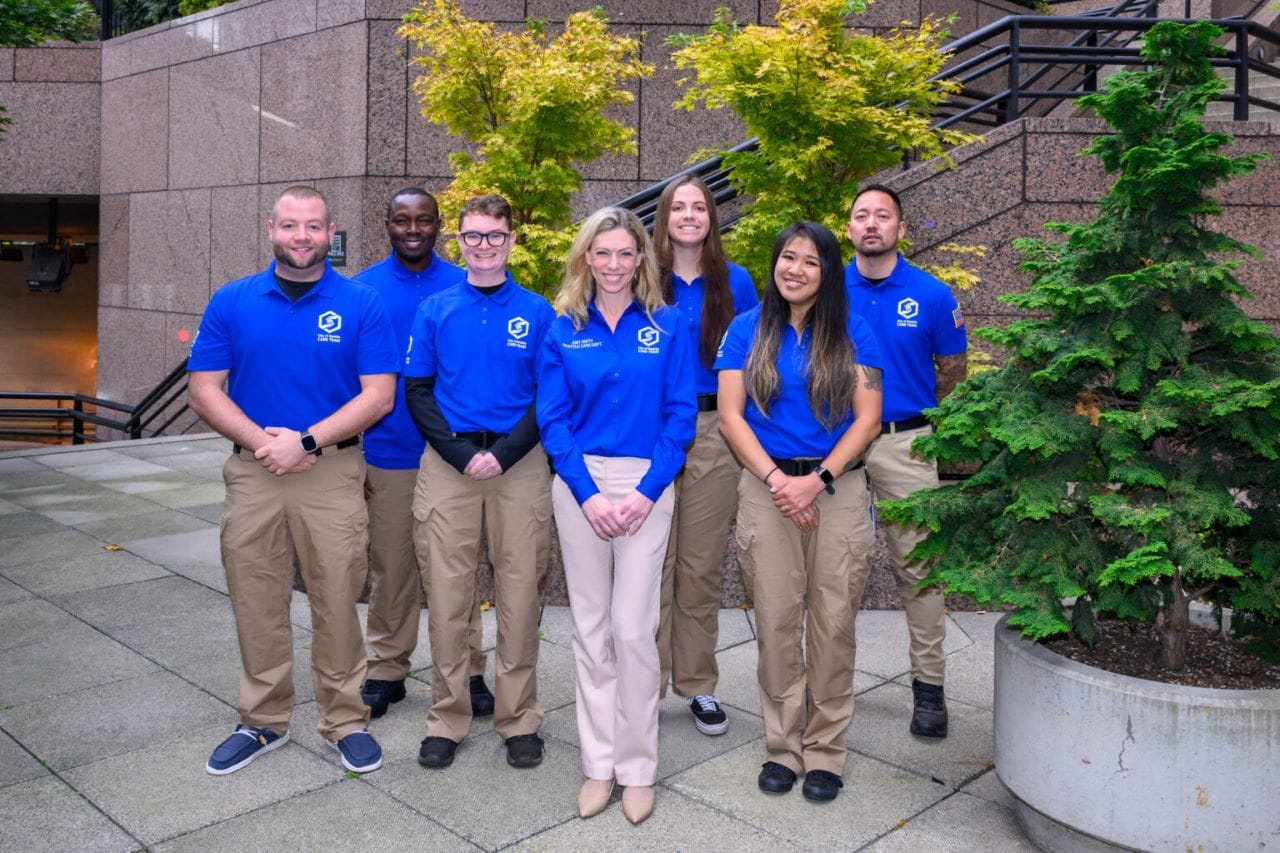
RCP has been hailed as an innovative community-based program, a collaboration between six different local community organizations with its Downtown Renton team as its organizational core.
Braddock’s plan would also eliminate funding for the positions of the RCP’s Downtown Renton team, which comprises the Youth and Family Fund, the RCP operations team, and six community navigators. The operations team is scheduled to be funded through the end of March 2026 and the navigators through the end of August.
“The Downtown Renton team, we’re a lot of the glue to the consortium because we handle the finances, the communications, the referrals, and we hold the Youth and Families Fund, which gets direct help to the families when they need it the most,” said Jasmine Vail, communications coordinator at RCP.
Should these changes be passed as part of the county’s budget, the DCHS would release a Request for Proposals (RFP) in early 2026, with community organization contracts to be finalized in September. A new administrative position within DCHS is anticipated to begin in April.
In a letter to King County Council Chair Girmay Zahilay about her proposed changes, Braddock references the King County Prosecuting Attorney Office’s (KCPAO’s) July announcement that the office would be pausing their referrals of youth felonies to diversion through RCP.
Braddock may have been influenced by a recent audit completed by the King County Auditor’s Office that found DCHS hasn’t been properly administering its grants, leading to improper payments and possible fraud. The only fraud noted in the report was one DCHS employee likely having dual employment and one or two organizations in the “Stopping the School-to-Prison-Pipeline” program submitting altered documents, the only one cited being a difference between $1,000 and $7,000.
DCHS expanded its grant-making capacity by 95% between 2019-20 and 2023-24, making growing pains likely, but mainstream media reporting on the audit claimed the county “may have given millions of dollars away in public money.” Additionally, an error on the auditor’s part led the initial report to vastly overstate the degree to which DCHS grants had grown, exaggerating by $900 million.
The audit reviewed four different youth programs funded by DCHS. RCP was only mentioned twice in the audit: once in which two organizations filled out prepaid card logs incorrectly and once in which one organization submitted an erroneous expense report, for which the County was later reimbursed.
“We submitted a corrective-action plan to the County this summer, and we have consistently adapted to the County’s contracting requirements as they’ve evolved,” an RCP press release stated. “We reject any suggestion by King County Councilmember Regan Dunn that RCP engages in fraudulent or wasteful practices.”