Yesterday, Senate Democrats made a surprise announcement that they finally had a climate bill likely to clear the chamber after Sen. Joe Manchin (D – West Virginia) finally acquiesced after blocking a series of earlier efforts. Unfortunately, the bill, dubbed Inflation Reduction Act of 2022, offered almost no support for transit, housing, or investments in walking, rolling, and biking. Instead, the bill’s $369 billion in investments over the next decade are overwhelmingly centered around electric vehicle (EV) rebates and clean energy.
While many environmentalists appear to be celebrating the legislation as a promising step in the right direction, for urbanists, it’s hard not to lament the failure to grapple with the underlying car dependence and sprawling land use that undergirds American’s massive fossil fuel habit and heavy impact on the environment. As the proposed bill demonstrates, American climate and transportation policy continues to be all about cars.
Urbanist approach to climate action
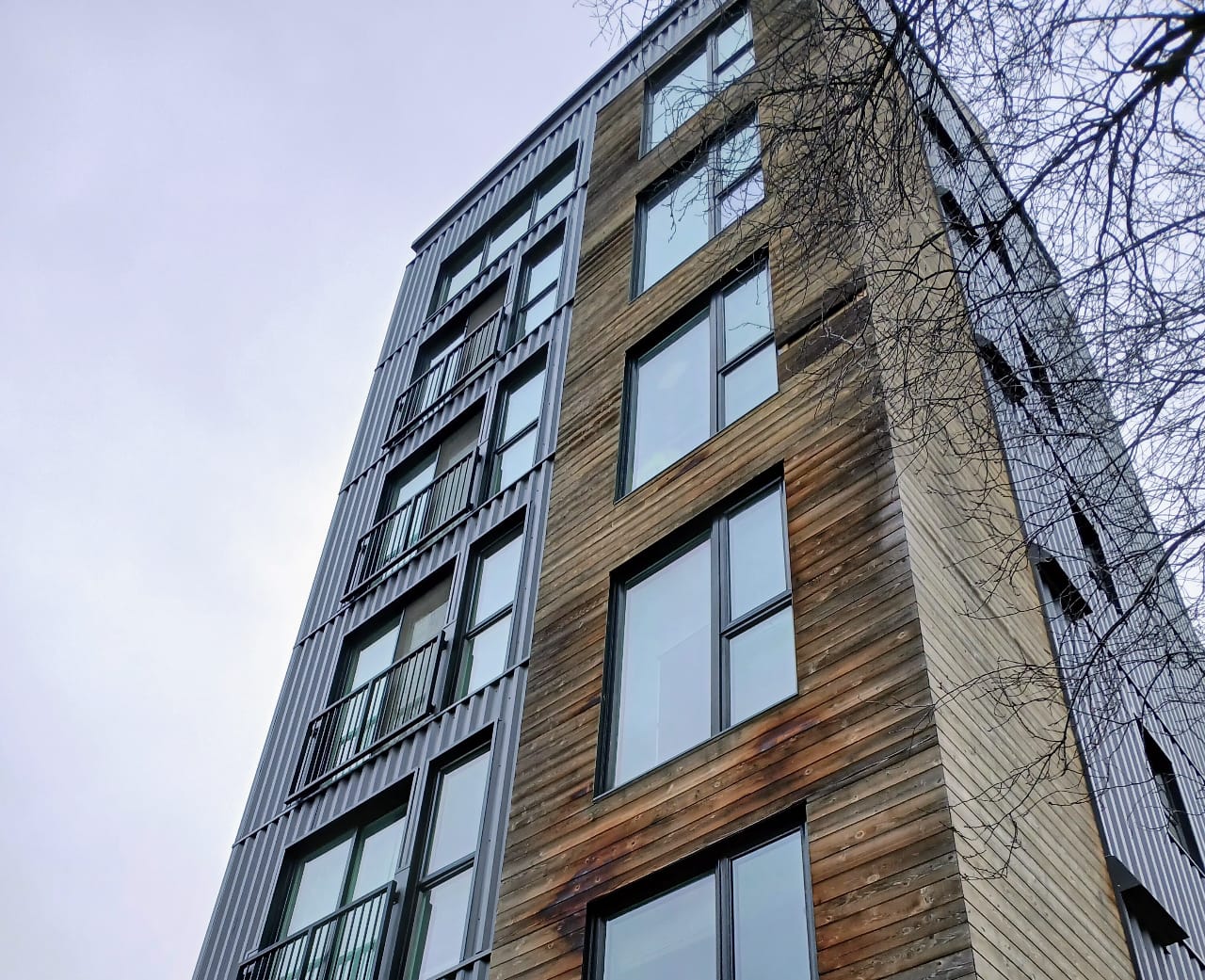
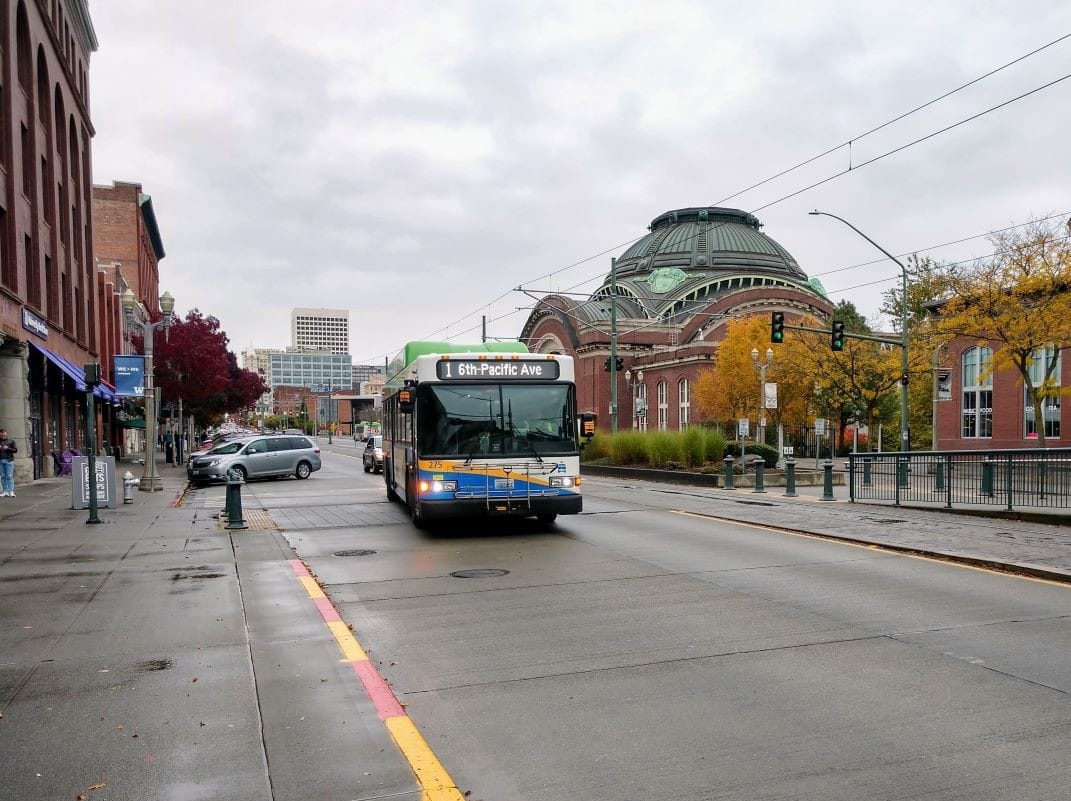
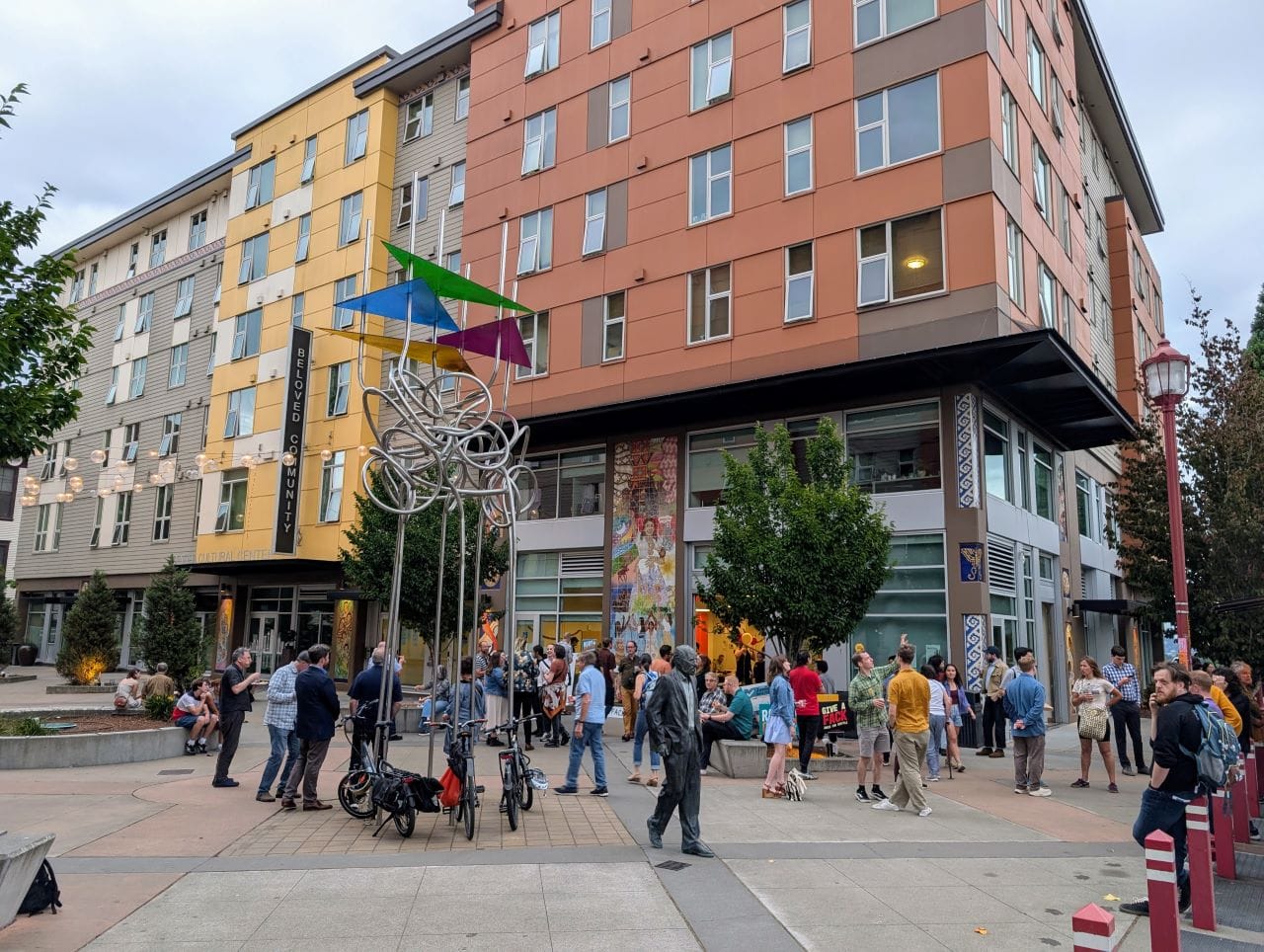
An urbanist approach to climate action would rightly tackle sprawl and car dependence head on. It would entail an aggressive expansion of transit, a rapid buildout of energy-efficient sustainable social housing in transit-rich areas, pedestrianized green streets, protected bike routes, electric bike rebates, street trees, wider sidewalks, and low-emission zones to vastly improve quality of life in cities. It may sound like a pipedream to American ears, but climate-leading countries are already implementing much of this package.