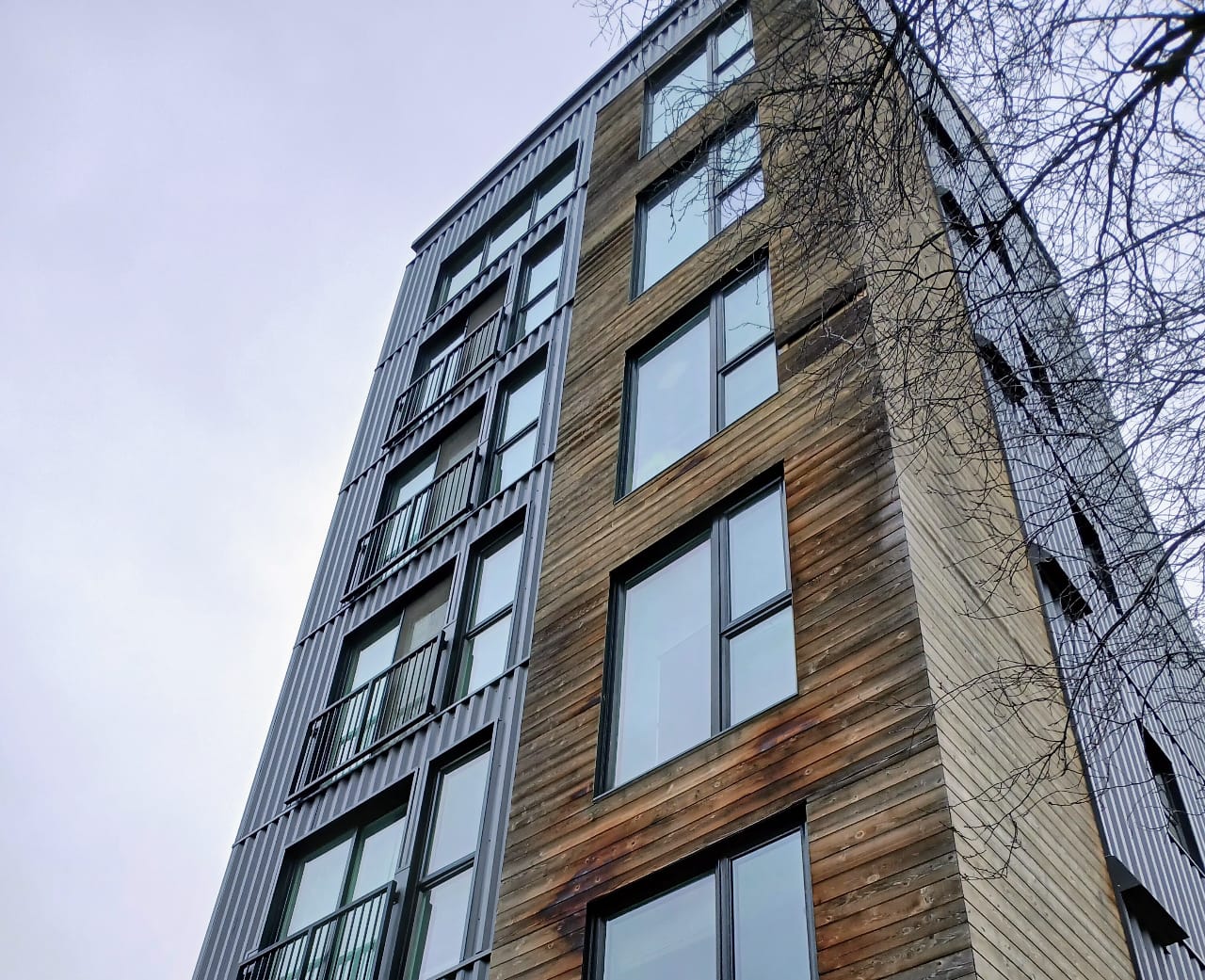
Yesterday Mayor Jenny Durkan revealed her plan to increase Seattle’s ridehailing fee by 51 cents per ride and direct the first five years of proceeds toward two immediate needs. One is plugging a hole in the Center City Connector streetcar project budget; the Mayor says $56 million will do the trick. The other need is affordable housing–the Mayor wants to spend $52 million to build 500 homes targeted at people with hourly earnings in the $15 to $25 range–roughly what a ridehailing driver makes before expenses.
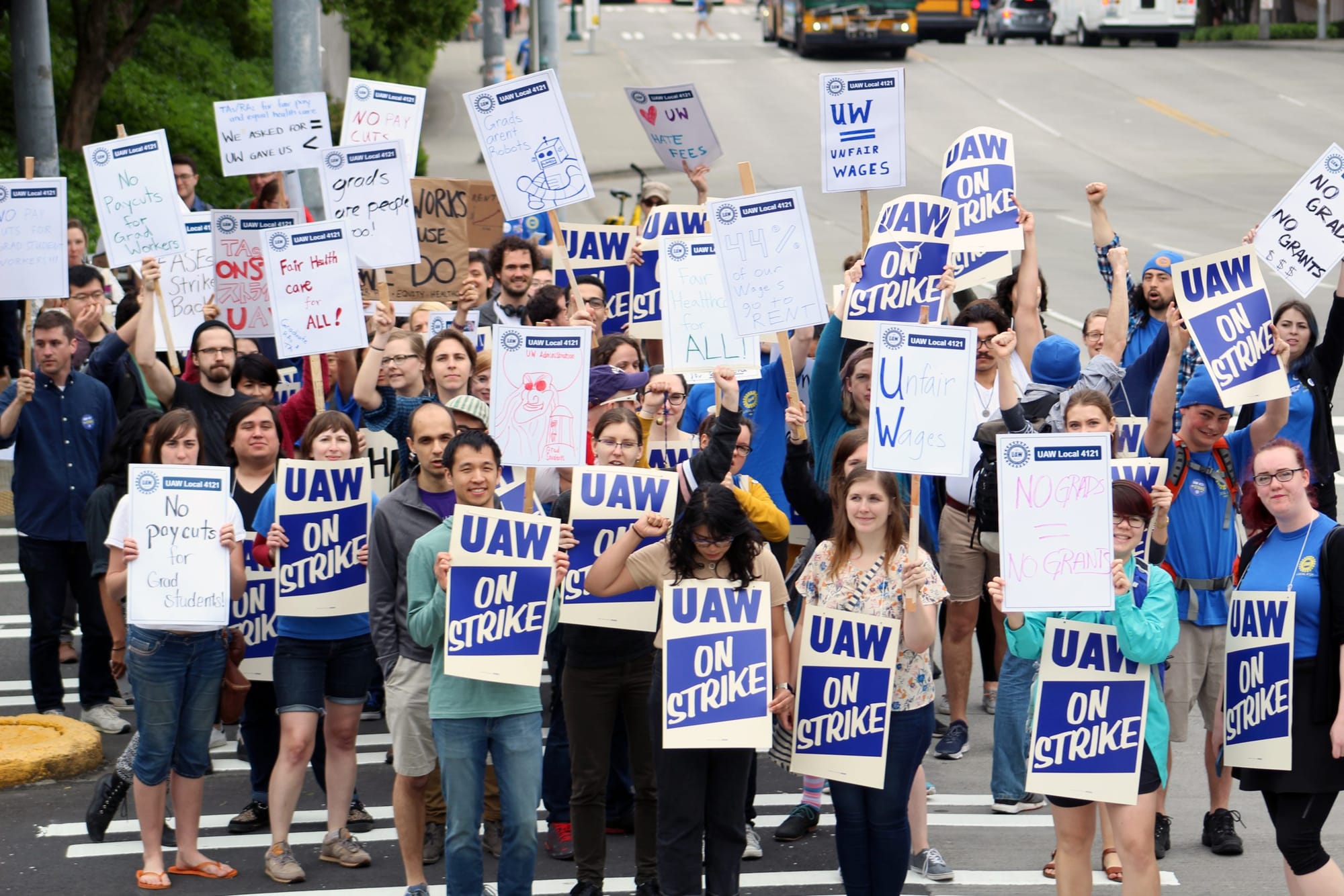
The Mayor would also dedicate $17.75 million to a Driver Resolution Center run by a yet-to-be-disclosed organization. The proposal calls for stronger protections for ridehailing drivers, partially following in the footsteps of California, which just passed sweeping protections. The Mayor aims to include a driver pay study and said she intends to have a policy in place by next summer that guarantees drivers receive the minimum wage of $16 per hour that large employers face, even when accounting for expenses. The study would determine who would implement such a policy.
California did go further, prohibiting ridehailing companies from classifying drivers as independent contractors, upending their already-strained business model and requiring ridehailing companies pay minimum wage and provide healthcare and benefits to full-time drivers. However, Uber and Lyft are planning a $60 million campaign to repeal California’s law via ballot initiative. Uber and Lyft also oppose Seattle’s fee hike and rider protections package, but ridehailing drivers seem to be welcoming it.
“We view this as part of a broad-based package that will address the problem of unfair deactivation, establish driver pay standards with driver input, and at the same time make important community investments in affordable housing and transit,” said Lyft driver Peter Kuel in a statement provided by Teamsters Local 117, which is organizing some ridehailing drivers in Seattle.
Currently the ridehailing fee is 24 cents per ride, which means the total fee would come to 75 cents under the Mayor’s proposal. This is considerably less than New York City’s $2.75-per-ride fee, but on par with Chicago, which charges 72 cents, and similar to Washington, D.C. on lower-cost trips and considerably less on expensive longer trips–D.C. instituted a 6% fee last year. A percentage fee has the advantage of a progressive scale (and not getting diluted by inflation). A $50 run to the airport would net D.C. $3, for example. That long trip would still net 75 cents in Seattle.
Many other American cities have very low ridehailing fees or have failed to implement them altogether. Massachusetts has a 20-cent fee, while neither Los Angeles and San Francisco have fees–despite considerable congestion issues–but are working on it. San Francisco is considering putting a 3.25% fee on the ballot (it’d need to garner two-thirds of the vote). Los Angeles, which has been bleeding transit riders to ridehailing, is still at the study phase, but is kicking around 20 cents.
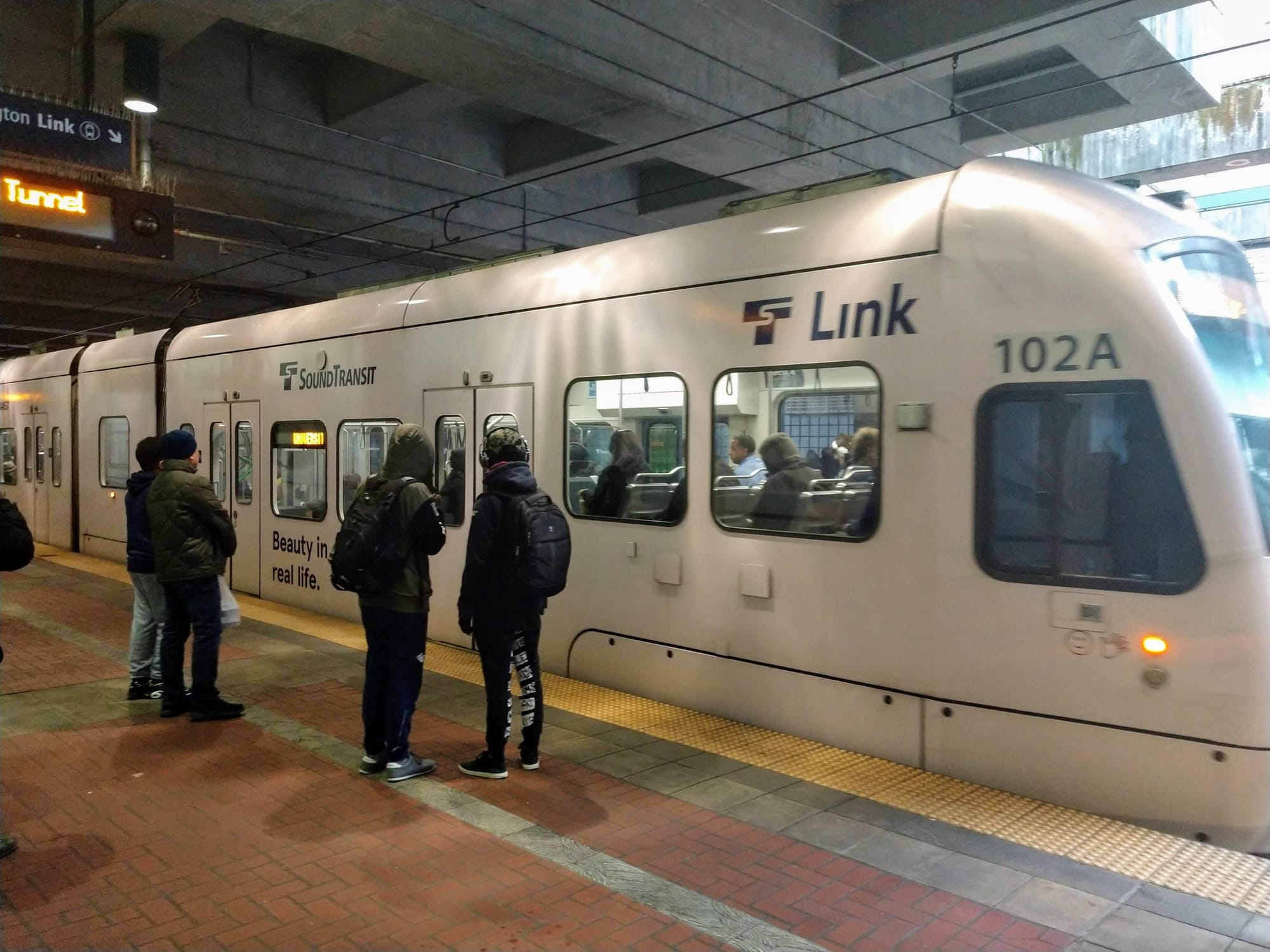
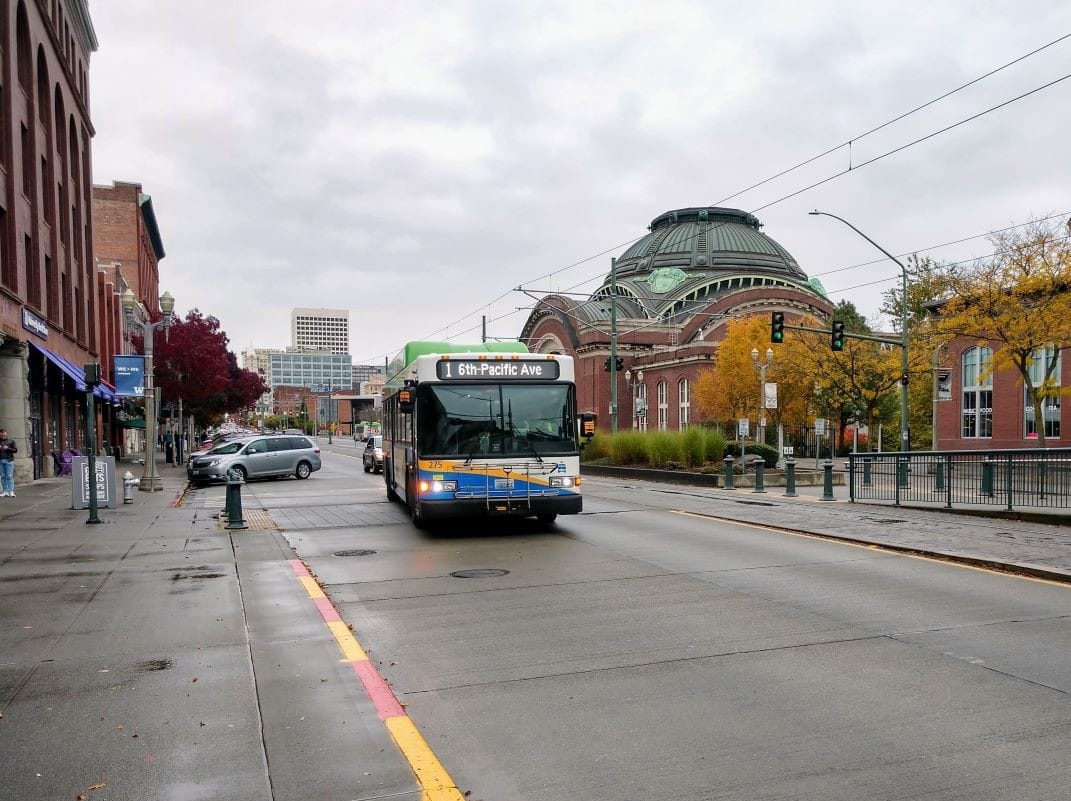
After the first five years, the portion of the tax dedicated to the streetcar would switch to funding transit, bicycling, and pedestrian infrastructure projects. While the Mayor’s ridehailing fee is many months in the making–apparently recently it went through mediation to finetune the details–the finished product should give many groups–including ridehailing drivers, streetcar supporters, bus riders, cyclists, and pedestrian advocates–something to like.
“This proposal is about ensuring Seattle grows into the city we want to be,” Mayor Durkan said in a press release. “Being a city of the future isn’t just about the incredible gains of the new economy. It’s about being a city where all our workers are treated fairly, our communities can afford to live where they work, and everyone, regardless of income or ability level, has access to high-quality transit.”
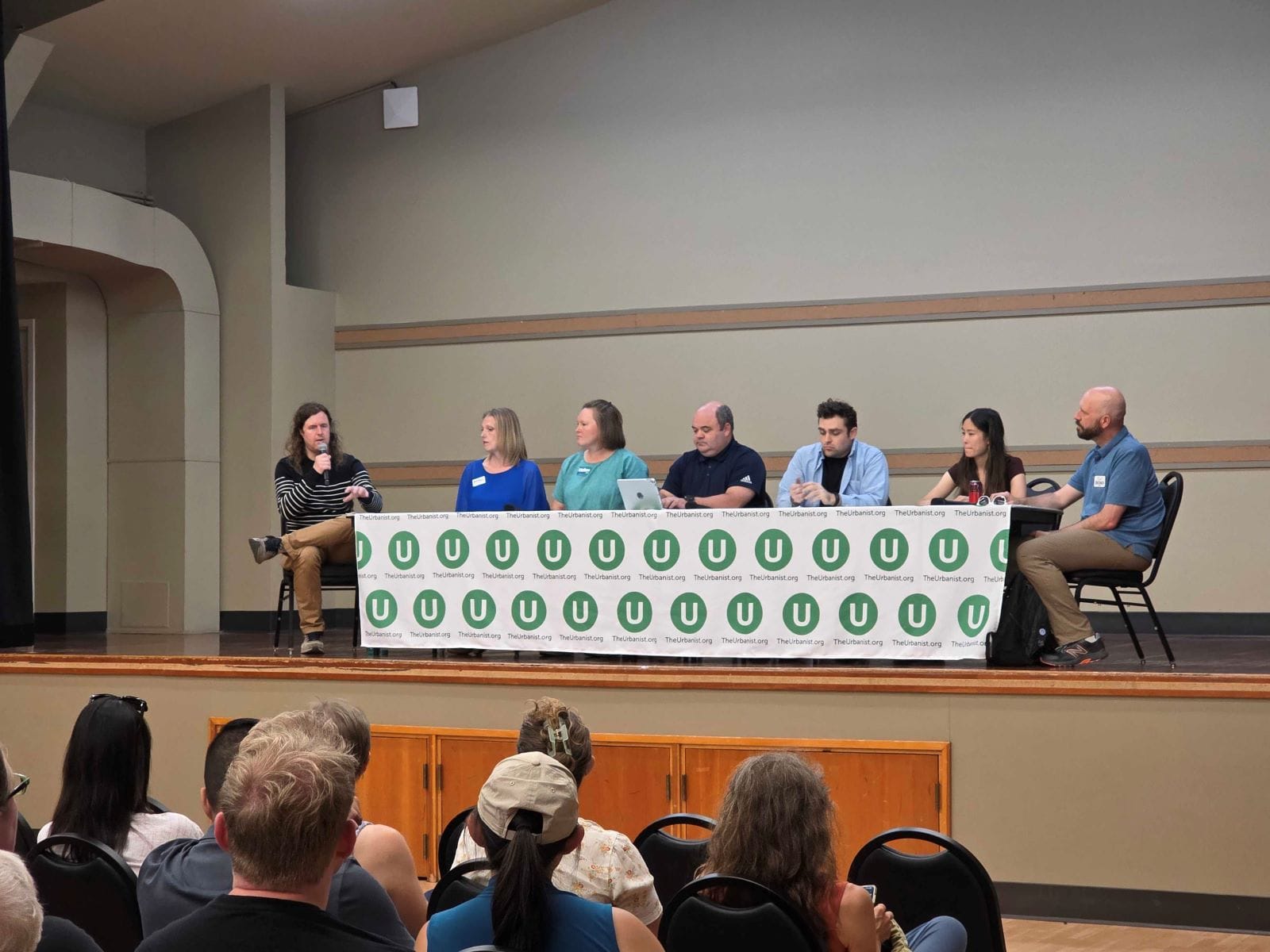
The Mayor also promoted her “Fare Share Plan” at a press conference at Yesler Community Center.