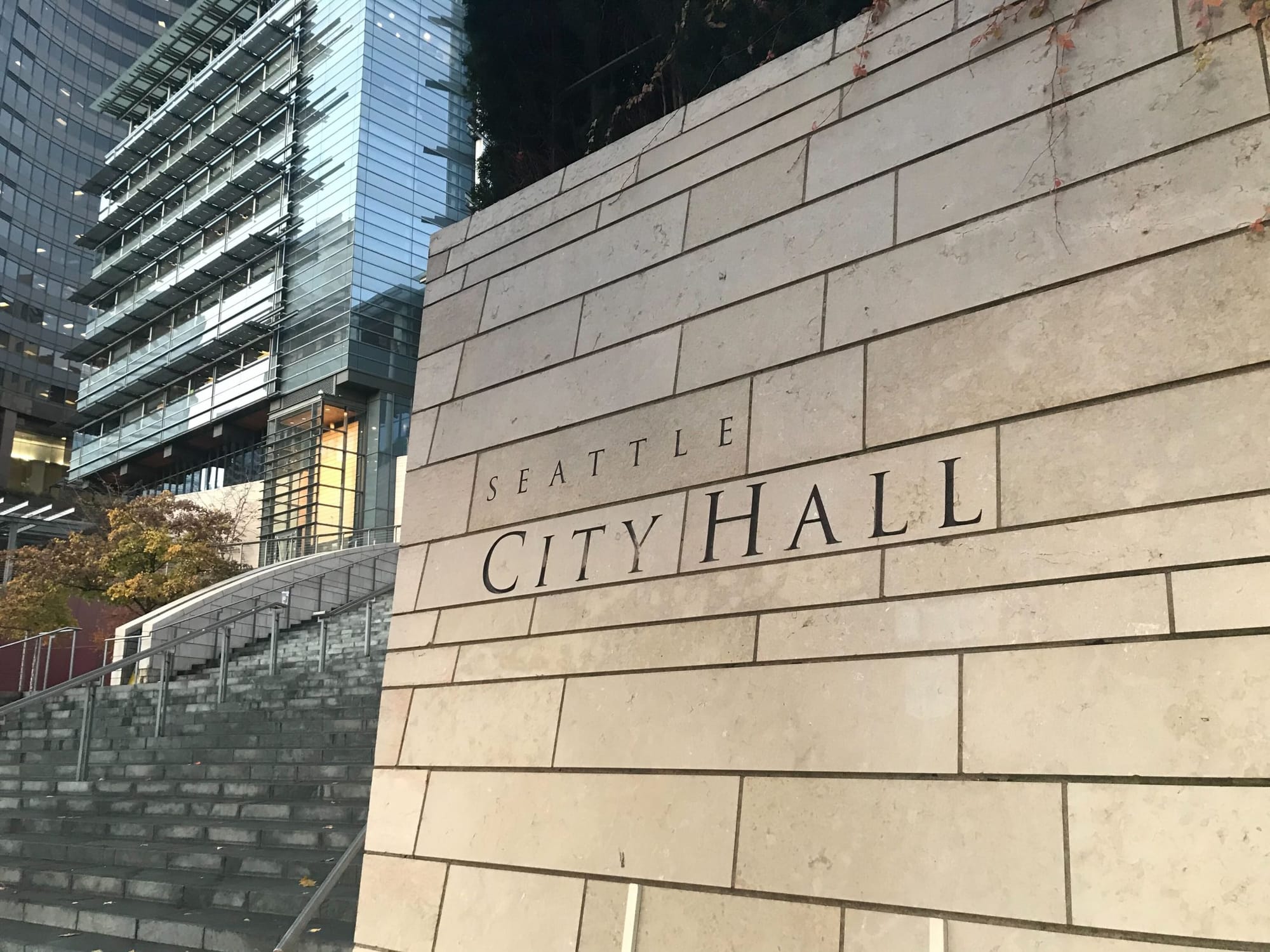
Today, Mayor Bruce Harrell announced a 30-day extension of Seattle’s eviction moratorium, which covers residences and small business and non-profit commercial tenants. The previous executive order under Mayor Jenny Durkan was set to expire on January 15th, which makes the new expiration date February 14th under Harrell’s order.
“As this rapid surge in cases driven by the Omicron variant drives further pandemic uncertainty, keeping vulnerable people in their homes must be the immediate focus,” Mayor Harrell said in a statement. “Over the next month, we will continue to track changing conditions and seek improved metrics to evaluate the effectiveness of the moratorium and aligned policies. Our actions will continue to be driven by data and our values, focused on preventing a rise in homelessness and supporting the tenants and small landlords most in need.”
Governor Jay Inslee let his bridge extension of statewide eviction moratorium lapse on October 31st, but Seattle and a few neighboring cities like Burien and Kenmore have issued a string of city extensions. In much of the state, however, evictions have resumed. The Housing Justice Project has tallied 832 court-sanctioned evictions in King County since the pandemic began, with a marked increase after the governor began dismantling his moratorium.
The Stay Housed Stay Healthy Coalition (which included more than 40 local organizations including The Urbanist) has urged officials to extend their eviction moratoria until the end of the public health emergency and done so at both the state and local level. In a letter to Mayor Harrell, the coalition noted the moratorium has prevented people falling into homelessness and dying due to their lack of shelter.
“Last year in King County at least 183 homeless people died outside, in public, or by violence. This was far and away a record-breaking number of outdoor, public, violent deaths,” the letter said. “If the eviction moratorium is lifted now, many more would be at risk of homelessness, illness and death.”
The coalition argued against the uncertainty of short extensions.
“Not knowing how long protections will last has put a strain on renters and their health. While the moratoriums have been life saving, it will benefit everyone to enact a longer-term extension so that renters can make a financial recovery plan for themselves and their family without fearing that they could be pushed into homelessness in just a few months,” the letter continued. “A longer-term extension, lasting through the end of the public health emergency would give renters and landlords time to access rent relief, become current, and get closer to their normal pre-pandemic incomes.”
The coalition augmented the letter with an online petition by coalition member Seattle Transit Riders Union (TRU) that garnered more than 400 signatures. TRU credited that pressure with securing the extension.