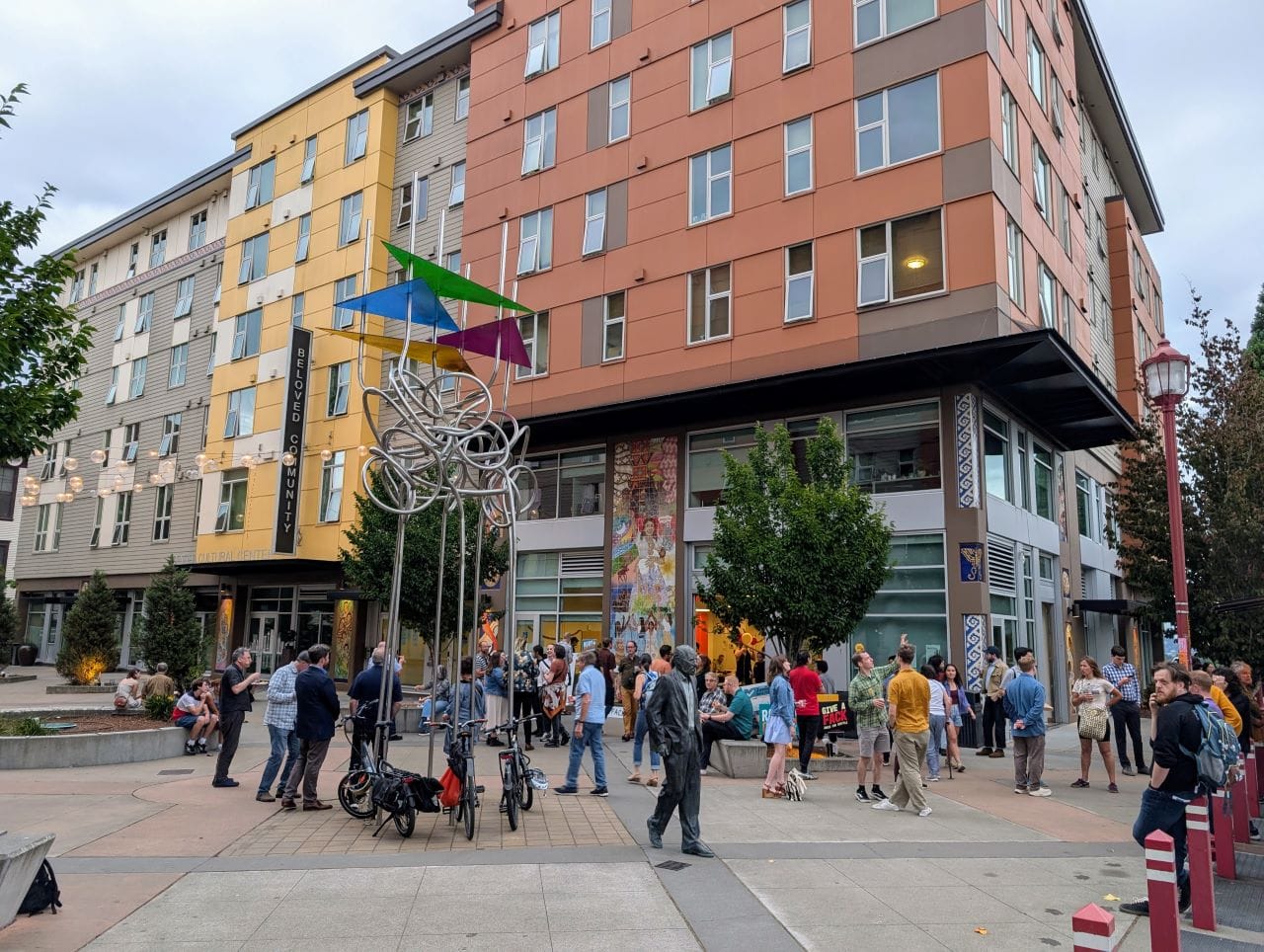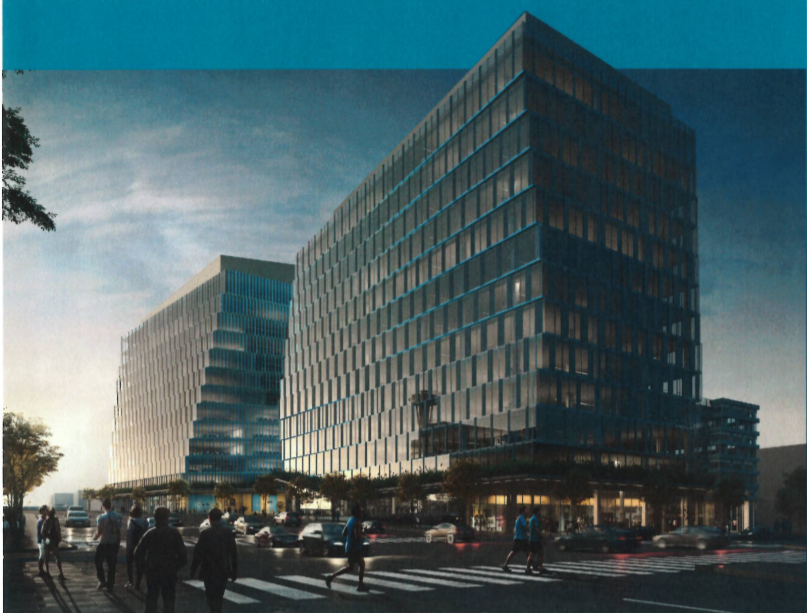
Last Friday, the largest land deal for the City in decades moved out of committee, on its way to sure approval at next Monday’s city council meeting. The $143 million deal would permanently turn over thee parcels in South Lake Union over to Alexandria Real Estate to build housing and office space. At the meeting, the two councilmembers present, Kshama Sawant and Mike O’Brien, both spent time lamenting the fact that Seattle could not somehow hold onto the property and develop housing there itself. The project marks the second time in Mayor Jenny Durkan’s term that a publicly-owned parcel in the fastest-growing part of town has been sold off to provide one-time homelessness funds: $5 million in this case.
The Mercer Megablock is also unique in that the City believes that a large chunk of the money has to be devoted to transportation, specifically “highway purposes,” due to the source of the original funds to purchase the right-of-way for Mercer construction. Others, including former city council staffer Michael Maddux, disagree with this assessment but it appears likely that the Mayor will follow guidance of her budget director, Ben Noble, who espouses this view. That means nearly $26 million could be invested in transportation.
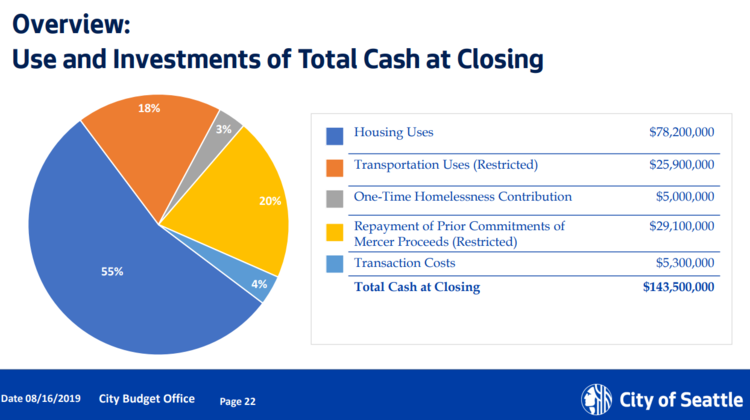
The city council clearly has a big stake in how this money is apportioned, with the Mayor set to propose an initial budget that includes these fund sources in the coming weeks. They should ensure that no matter what is initially proposed by the Mayor that these transportation dollars go toward filling the funding gaps left by cost overruns and optimistic assumptions in the Move Seattle levy.
Arterial Asphalt and Concrete (AAC) Program
One usage that absolutely falls under the restrictions of a “highway purpose” is repaving the city’s arterial network. The city’s major repaving program, the AAC program, is currently on track to be about 20 miles short of its nine-year goal of completing 180 miles of arterial repaving. Funds from the Mercer Megablock should go toward maintaining our streets and getting further toward the goal that was promised to voters. Yes, I did just propose spending more money on roads.
Since those funds need to be spent on highway purposes, megablock funds could supplant current repaving funds, with city council approval, freeing up Move Seattle levy dollars for other purposes. In other words, more money would be added to the AAC program than diverted to other uses, so both the repaving programs and the multimodal programs would benefit.
The Mayor is of course very familiar with the concept of supplanting funds, having done so in a way that was nearly acceptable to a majority of the city council with the Sweetened Beverage Tax. Except in this case, everyone can be happy with the outcome.
On top of that, any new repaving projects that align with proposed Bicycle Master Plan segments are now much more likely to be considered, thanks to legislation that the city council passed just last week. The council could also consider a proviso that the Seattle Department of Transportation (SDOT) should prioritize arterial segments with “poor” street quality that are bike network segments ahead of those that are not.
New Sidewalks
With new transportation spending, there is likely to come a conversation around allocating money to new sidewalks. This is exciting and welcome: the number of missing blocks of sidewalks in Seattle continues to be astronomical. The Move Seattle levy originally sent to voters had a goal of 150 blocks of new sidewalks. But before election day, this was increased to 250 blocks as the idea of “low cost pathways” caught on at SDOT. The idea was that the new sidewalk funds could be stretched further by constructing cheaper alternatives off arterials.
In practice, however, these pathways have not helped Seattle expand its sidewalk network, with a lot of the projects completed on blocks that already had existing lower-quality sidewalks. While the project may represent an improvement over what was there before, it’s not most people’s definition of a “new sidewalk”.