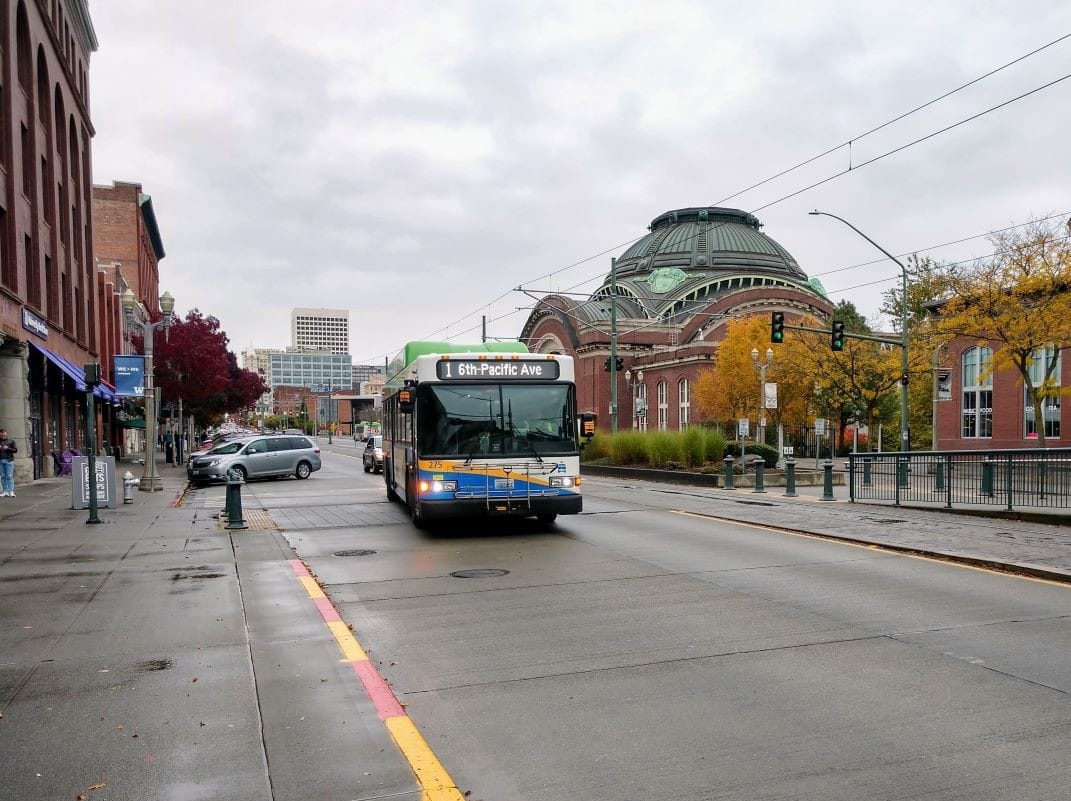
A revised budget for King County Metro will expand resources in 2022, allowing the agency to restore more service and focus on additional capital investments. Approved in November, the revised budget increases transit operations funding by nearly $55 million and appropriates $114 million in capital investments.
The revised budget will provide Metro with an additional $18.4 million for service restoration and improvements. That will provide enough resources for an additional 241,000 annual service hours and allow for service increases beyond restoration in some cases. Approximately 245 additional full-time employee equivalents are authorized by the budget increase.
New provisos in the operating budget also continue a special food delivery service program to populations in need and accelerate work on the RapidRide K and R Lines.
$1.8 million will be focused on continuing a food delivery service program that serves low-income, people with disabilities, and senior populations. Access paratransit and other community access transportation resources will continue being used for the program, though the proviso is clear that this is only provided “as an incidental use to the extent that the Metro transit department is able to meet passenger demand for the Access paratransit and community access transportation programs.”
Another $400,000 will be focused on staffing up and restarting some project development, planning, and design work for the planned RapidRide K and R Lines, effectively shifting them out of a deferred status. The proviso suggests that the projects may be get additional funding the upcoming 2023-2024 biennial budget. For now the proviso stipulates that the RapidRide K Line (Totem Lake-Bellevue-Eastgate) should advance from 1% design to somewhere between 3% and 5% design and that the RapidRide R Line (Rainier) should complete the planning phase and toward project delivery in the next biennium. Both projects ended up on the chopping block last year when officials were unsure about financing and direction of the pandemic, but federal assistance and a more robust economy has changed the calculus since.
The budget revision also increased and added new funding for a variety of projects compared to the original adopted 2021-2022 budget in 2020.
Other projects that are receiving increased funding include:
- $2.7 million for the Eastlake layover facility in Seattle;
- $8.7 million for the RapidRide H Line running through Delridge and Burien;
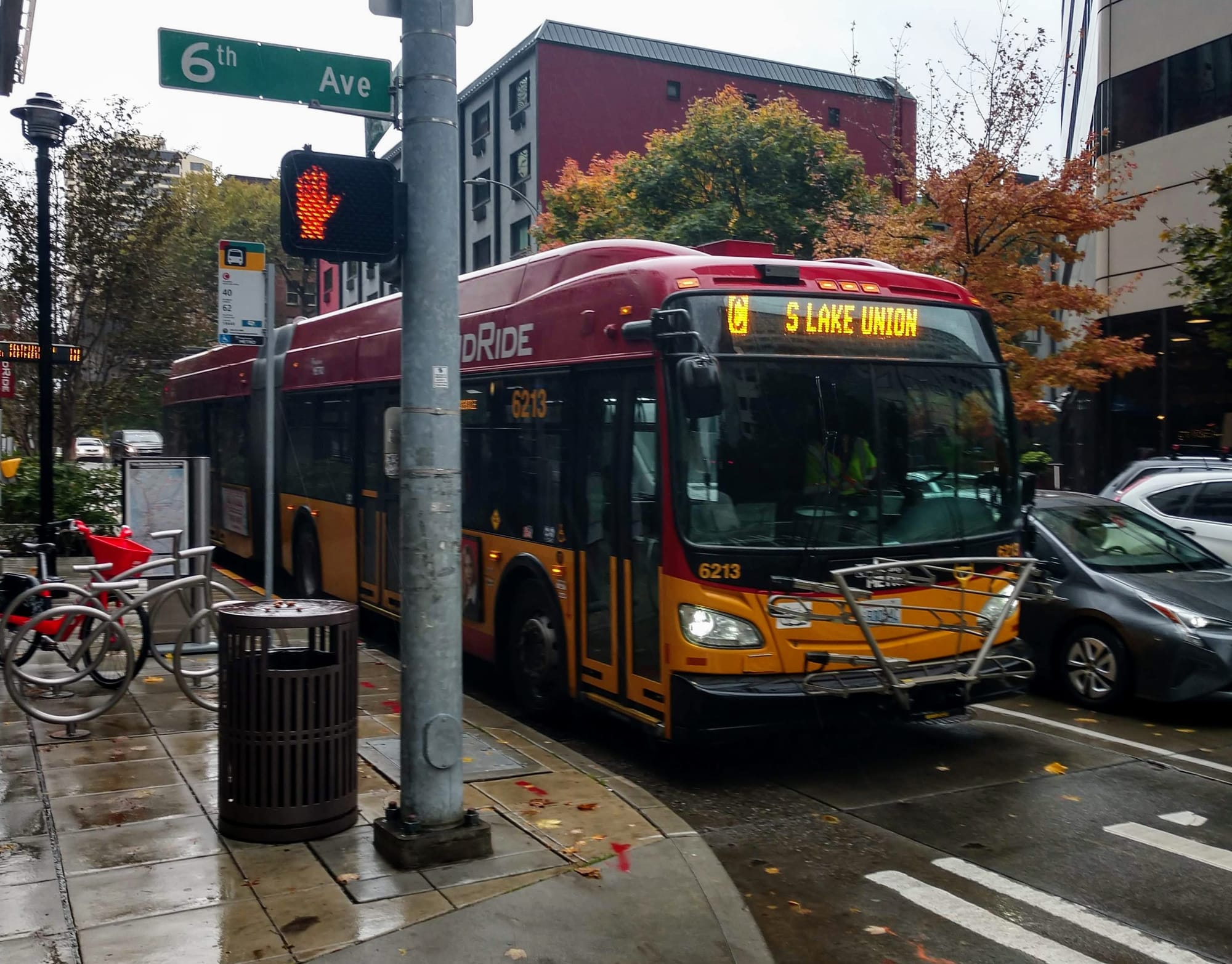
- $2.5 million for the Route 40 Transit-Plus project in Seattle;
- $63.1 million for the interim bus base battery charging facility in Tukwila that will be capable of handling 105 battery-electric buses; and
- $1.5 million for zero-emissions and base electrification planning work.
New projects funded in the budget include:
- $600,000 for project support of the RapidRide J Line running from Downtown Seattle to the U District;
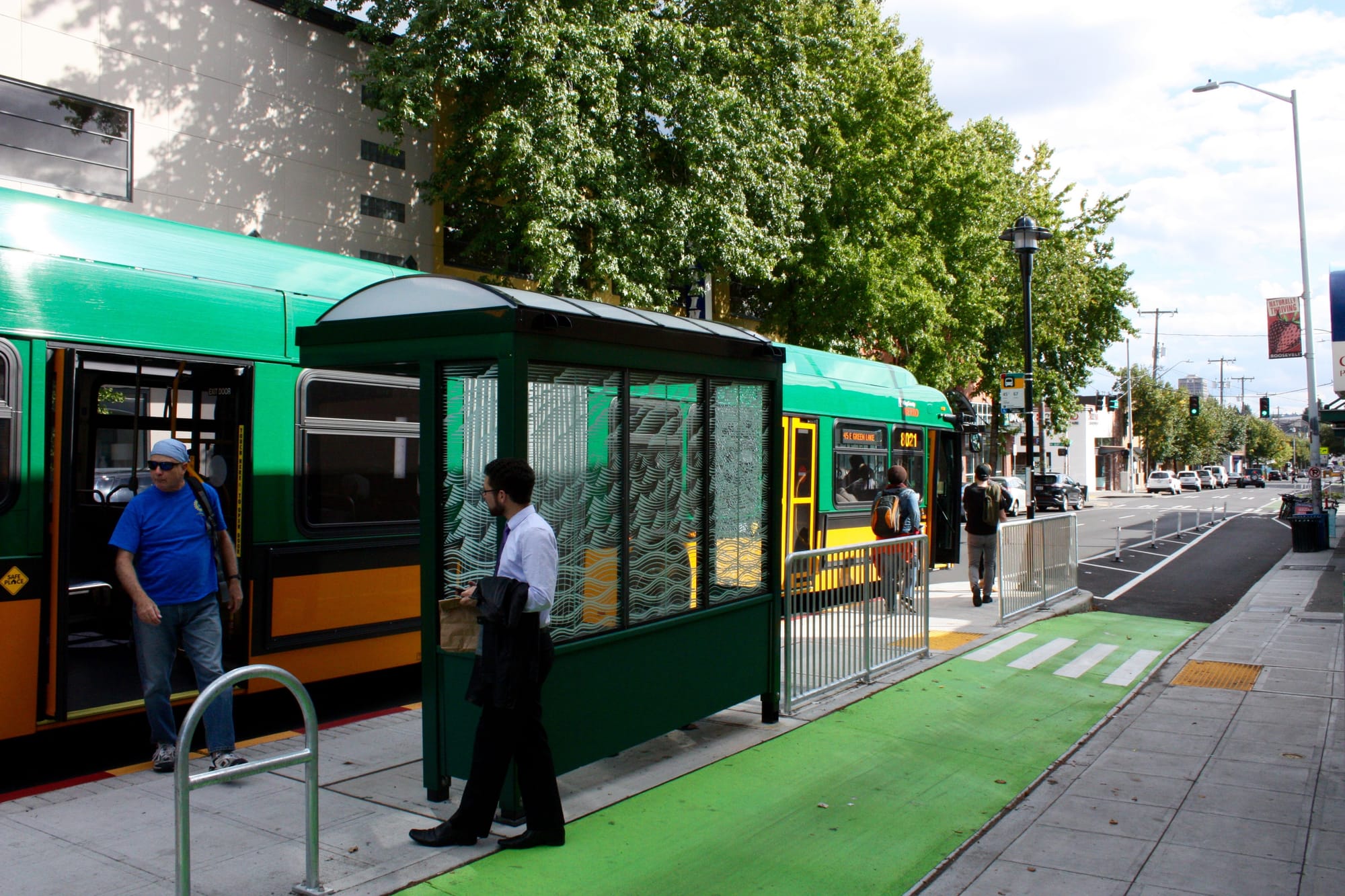
- $2.7 million for bus stop improvements;
- $2.6 million SW 100th Street sidewalk improvements in Burien;
- $1.4 million for Rainier Vision Zero treatments;
- $1 million for a RapidRide E Line upgrade study;
- $2.5 million for 23rd Avenue transit improvements;
- $825,000 for pedestrian and bike site improvements; and
- $1 million Access paratransit electric vehicle pilot program.
All in all, the slate of additional funding for transit operations and capital investments in the year ahead should be encouraging and appreciated by riders hoping to see further system recovery. But additional service restoration and improvements are going to rely heavily on additional staffing, which has been a problem in recent months with many daily canceled trips — and a labor phenomenon felt widely across the transit industry.