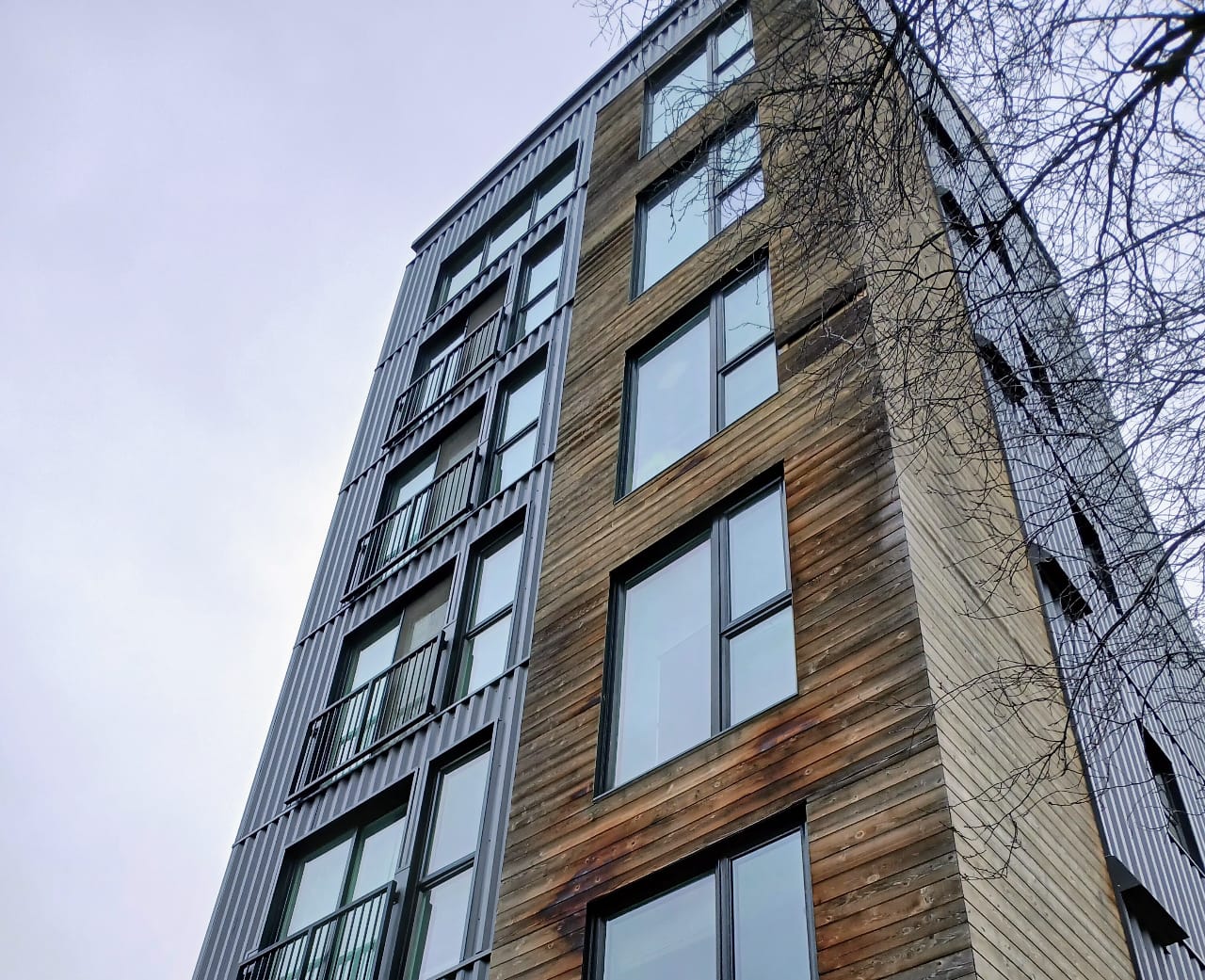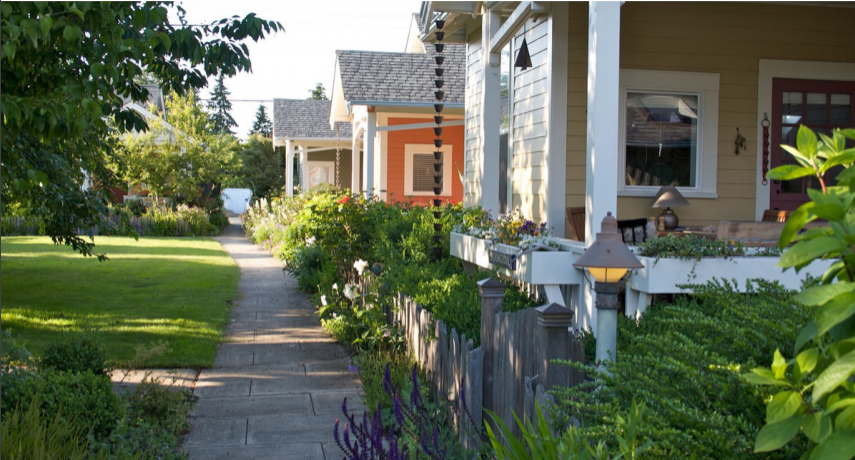
Housing abundance is returning as a big policy issue in the 2023 Washington legislative session. On Tuesday, Rep. Jessica Bateman (D-Olympia) filed her eagerly-awaited bill, HB 1110, that would broadly allow missing middle housing in cities throughout the state, with the biggest impact in the major metropolitan areas. The bill could help pave the way for a huge production bump in triplexes, fourplexes and even sixplexes across the state.
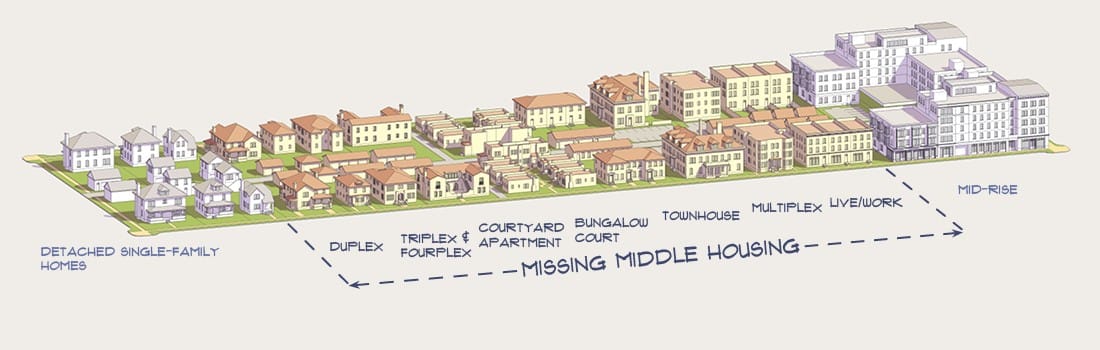
Those housing types used to be very common in Washington State until municipalities by and large made them illegal during the post-war White Flight era by ratcheting up restrictive single family zoning. Suburban sprawl became the main way cities grew, but eventually they ran out of space for such low-density development and were slow to relegalize apartments and townhomes in most areas to compensate. Hence, over time multiplexes and small apartment buildings became “missing middle” housing in most cities, and, relatedly, housing prices soared.
The average Washington State home price is up 44.5% in the last two years, surpassing $616,000, according to Zillow. Supporters of zoning reform point to the unsustainable trend in housing prices and continued underproduction of housing to underscore the need to act with urgency.
The bill, HB 1110, is a successor to a similar one that Rep. Bateman authored last year: HB 1782. One difference, though, is that this year’s bill has a Republican co-sponsor in Rep. Andrew Barkis of the 2nd Legislative District. Other co-sponsors haven’t been announced yet, but Rep. Barkis — assuming he remains a supporter throughout the process — gives the legislation an extra vote, which could be sorely needed considering the effort fizzled last year without making it to a floor vote.