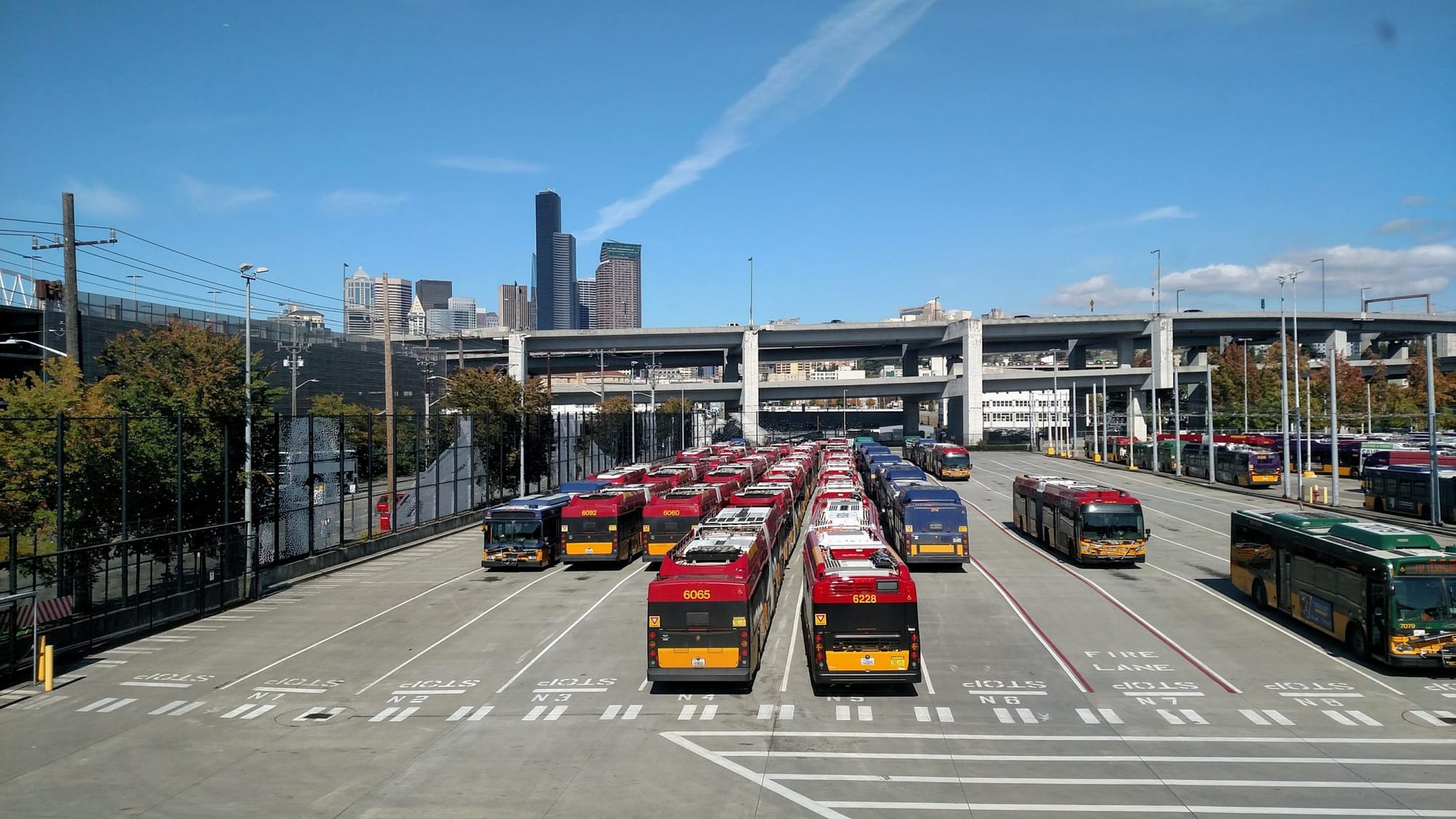
Seattle is scrambling to come up with a renewal for the Seattle Transportation Benefit District (STBD) which is set to expire at year’s end. Thanks to Initiative 976’s narrow victory statewide, funding options are limited. With the vehicle license fee (aka car tabs) that had been the STBD’s mainstay in jeopardy pending the Washington Supreme Court’s decision, the sales tax is the primary option remaining. The question is how big the City goes.
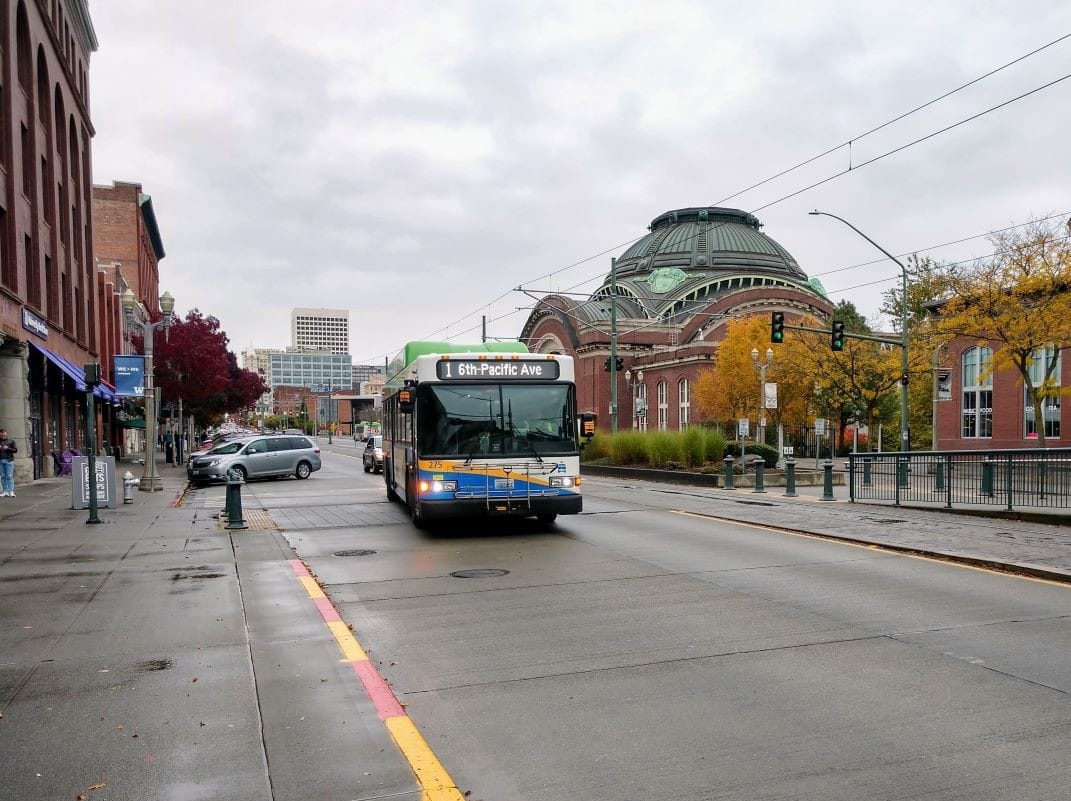
Mayor Jenny Durkan had proposed only renewing the existing 0.1% sales tax rather than raising new revenue to make up for lost car tab revenue. That means a shrinking of STBD bus service hours from 300,000 to 75,000 annually–a staggering 75% cut that would have turned much of the city’s 10-minute frequent transit network into a 15-minute network. It would mean longer waits for the bus, less ridership, and less progress on climate goals.
With King County shelving its countywide transportation benefit district idea in March and the Mayor waiting until July 7th to finally release her Seattle-only proposal, the Seattle City Council didn’t have much time to finetune the STBD. Since focus on JumpStart payroll tax and reining in overpaid and unaccountable police, it appears everyone was caught flatfooted. Sierra Club and a few other groups came out in favor of increasing the size of the proposal, but the city council was slow to respond. Finally, Councilmember Tammy Morales stepped in to offer an amendment that would add another 100,000 bus service hours by increasing the sales tax from 0.1% to 0.2%.
Some prefer transit cuts to sales tax hike
That idea had long been on the table and offered up as an option by staff, but some councilmembers were reticent in light of the pandemic and the recession. Councilmember Lisa Herbold professed being downright scared of the political implications of increasing the sales tax during a recession–apparently a huge cut to transit service seemed less scary.
“There are a lot of people who don’t use Metro, and those folks vote, and I’m really concerned if we end up doubling the size of the sales tax on this measure, we could end up regretting it,” Councilmember Lisa Herbold said.
Transportation Chair Alex Pedersen agreed with Herbold’s analysis and shared her fear that it would jeopardize passage of the measure. Councilmember Debora Juarez, meanwhile, objected to the last-minute nature of Morales’ amendment and said she hadn’t had time to weigh it or gather stakeholder input yet. Most councilmembers agreed that more time to digest the increase would be good.
As Councilmembers Herbold, Andrew Lewis, and Pedersen expressed their opposition and Debora Juarez, Teresa Mosqueda, Kshama Sawant, and Dan Strauss said they were planning to abstain, Morales withdrew her amendment. City Council President M. Lorena González was absent but may end up casting a decisive vote when the full council takes up STBD proposal on July 27th and Councilmember Morales reintroduces her amendment.
Another amendment shortening the STBD from six years to four years narrowly passed 5-3, but Councilmember Strauss said he’d like to switch his vote from yes to no, which would make it a tie, and González the likely tiebreaker. The justification for shortening the length was a desire to switch away from the sales tax to a more progressive funding source sooner rather than later. Some have also hoped that as a presidential election year 2024 would be a more favorable year for a countywide renewal. Pedersen countered that renewing in 2024 would risk a fiscal cliff situation and lessen leverage with Metro over service decisions.