The Urbanist does not use the word NIMBY. Except I just did in that headline. Oops! Sorry, I was just so frustrated that “livability” activists are using transit on-time performance to stall much needed housing. Specifically, a project called Phinney Flats aiming to build 57 homes in Phinney Ridge got blocked by a motivated and deep-pocketed group called Livable Phinney that paid the big bucks to hired seasoned environmental land use attorney Jeff Eustis (who also happens to be a board member at Futurewise) to sue the developer.
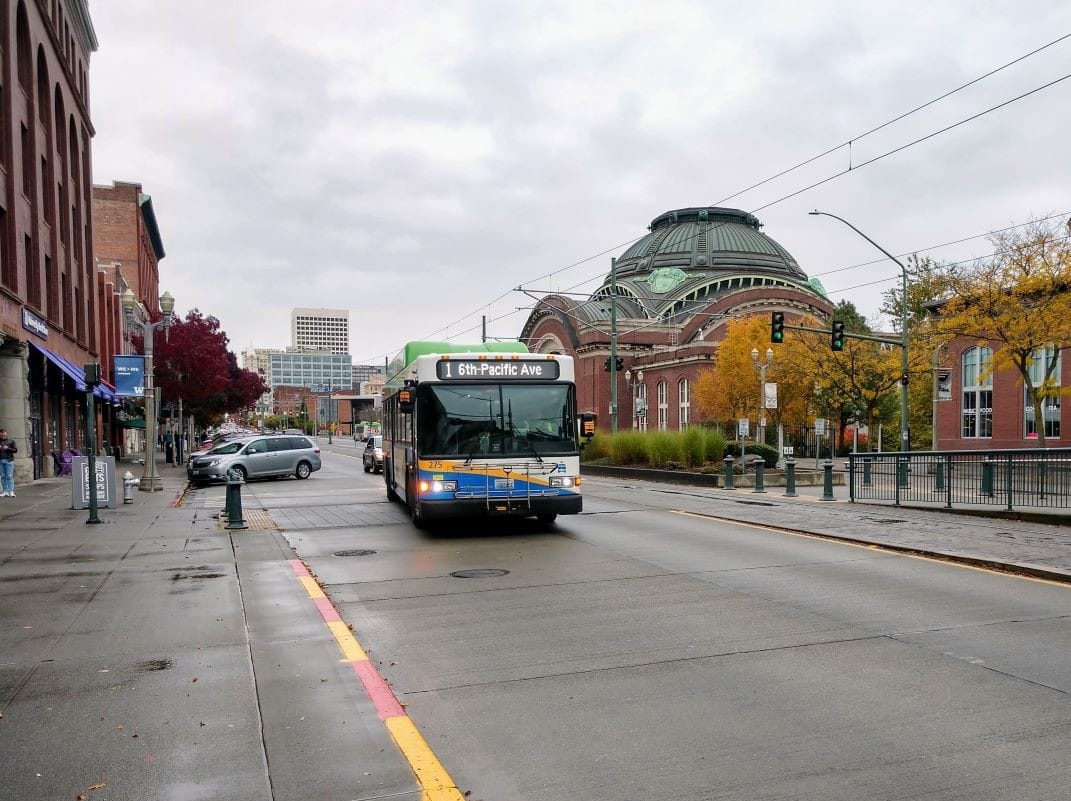
The Hearing Examiner ruled in favor of Livable Phinney that using printed bus schedules to determine “Frequent Transit Service”–a necessary step in waiving parking requirements within a quarter mile of a transit stop–wasn’t sufficient since the buses were so frequently off schedule in an analysis by a credentialed statistician. In doing so, Livable Phinney exposed new projects across Seattle to opportunistic challenges that could delay new homes when we need them badly.
The Hearing Examiner’s ruling underscored that the Seattle City Council must act to clarify the definition of Frequent Transit Service to “an average of 15-minute frequency.” This would reduce legal challenges to housing based on the technicality that an otherwise frequent local bus route is too often delayed, thus not meeting the narrowly crafted definition of frequent transit that the City Council wrote into law. Councilmember Rob Johnson indicated that the Planning, Land Use, and Zoning Committee, which he chairs, would take up the issue as part of a larger package of reforms.
FTS is part of a larger package of reforms-SEPA will be published in Aug. I look forward to taking up the leg. as soon as it is transmitted
— Rob Johnson (@CMRobJohnson) August 7, 2017