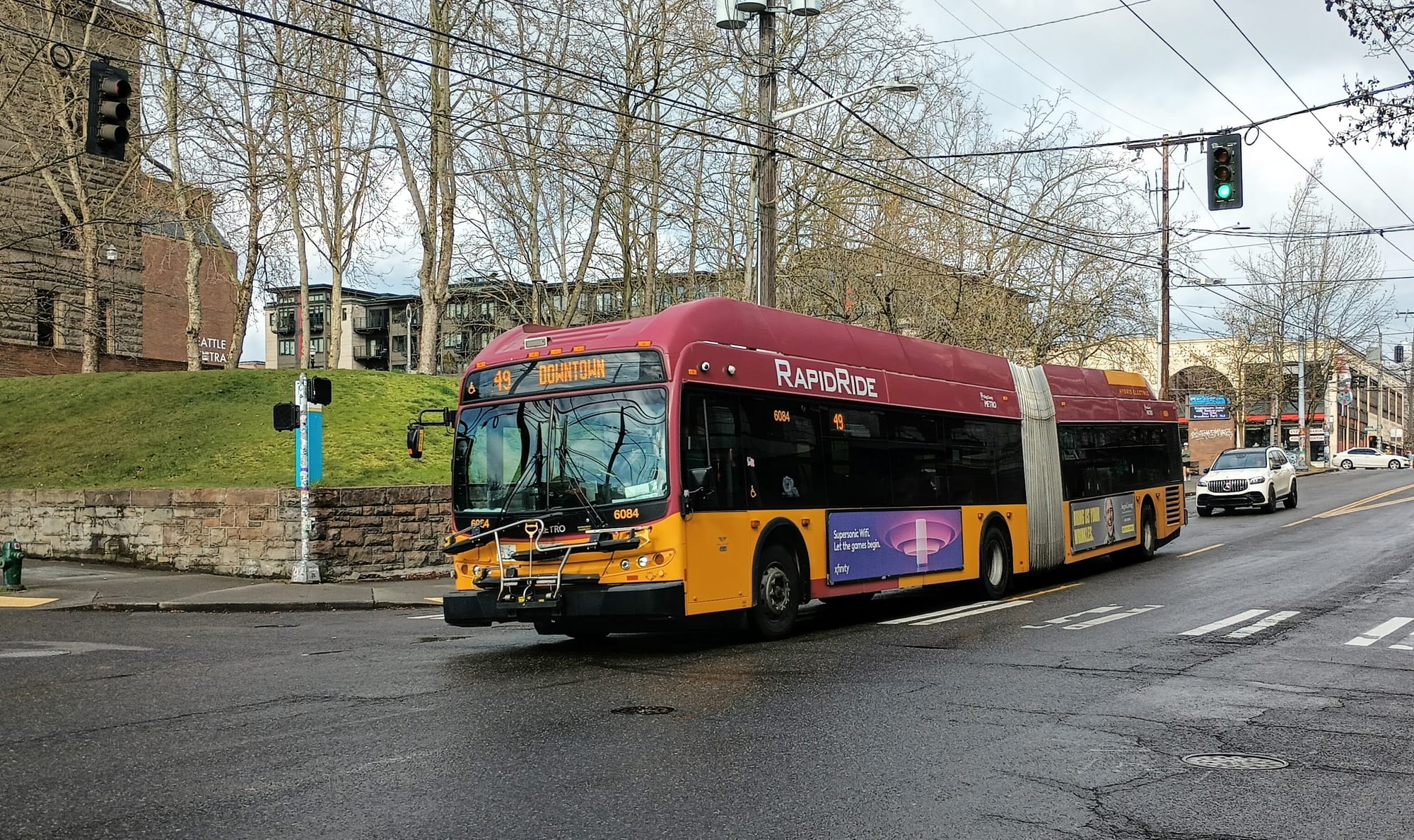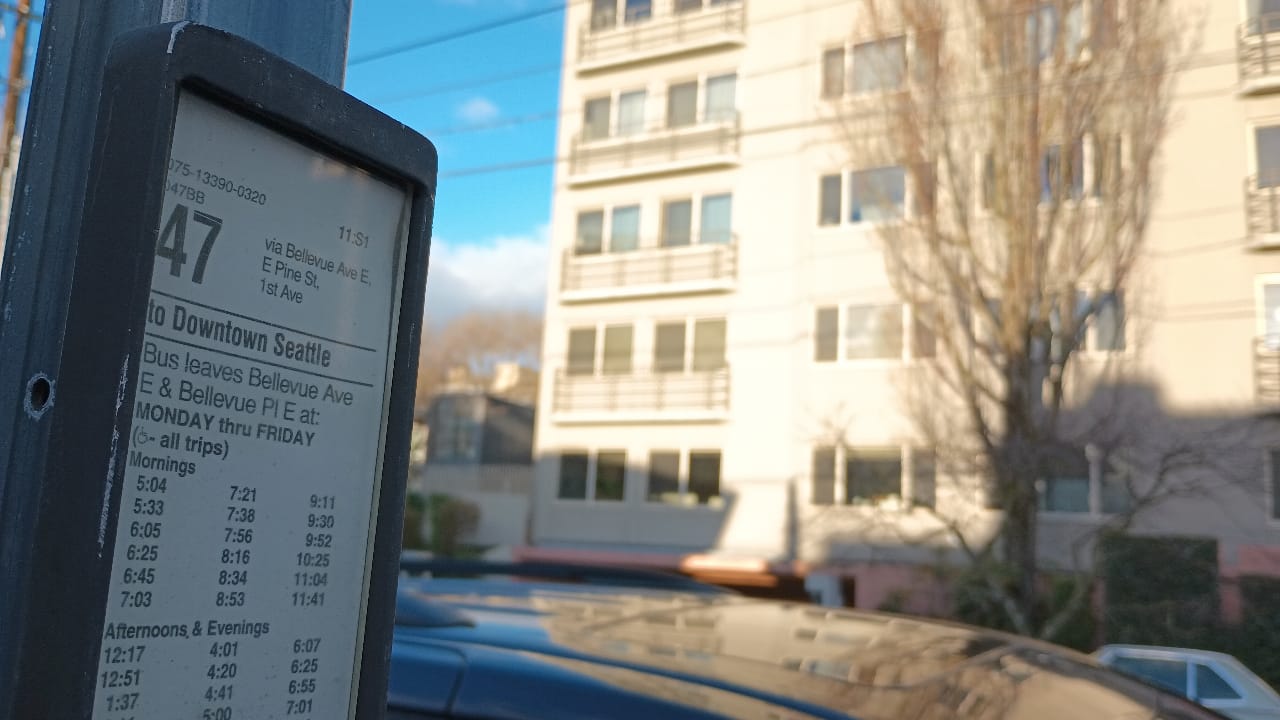
A fundamental tenet of public transit is “a rider cannot ride a bus that does not exist.” We ask our transit to do a lot: get people to and from work, shopping, fun, appointments, and more. King County Metro has done a massive job to fulfill these needs through the turbulent times of the last four years. However, one glaring omission remains: restoring Route 47 on the western side of Capitol Hill.
Route 47 is the only all-day, all-week Seattle route that has not been restored since routes were scaled back at the beginning of the Covid-19 pandemic. Every other route has come back and, if needed, been modified to meet the current needs of riders as they changed during the height of the pandemic and beyond. The Transit Riders Union (TRU) believes Route 47 should be given the same treatment. It is not knowable, even with surveys, the full impact that running the 47 will have in the current transit environment.
However, a large number of survey participants who responded to questions from King County Metro did say they would be regular riders of the 47; those riders need to be served. The 47 shouldn’t be suspended and then proposed for deletion without determining how it fits into our overall transit network. Bringing back service shouldn’t have been put as an “either/or” choice relative to more frequency related to the launch of an almost-unrelated new route, when riders are clearly clamoring for both.
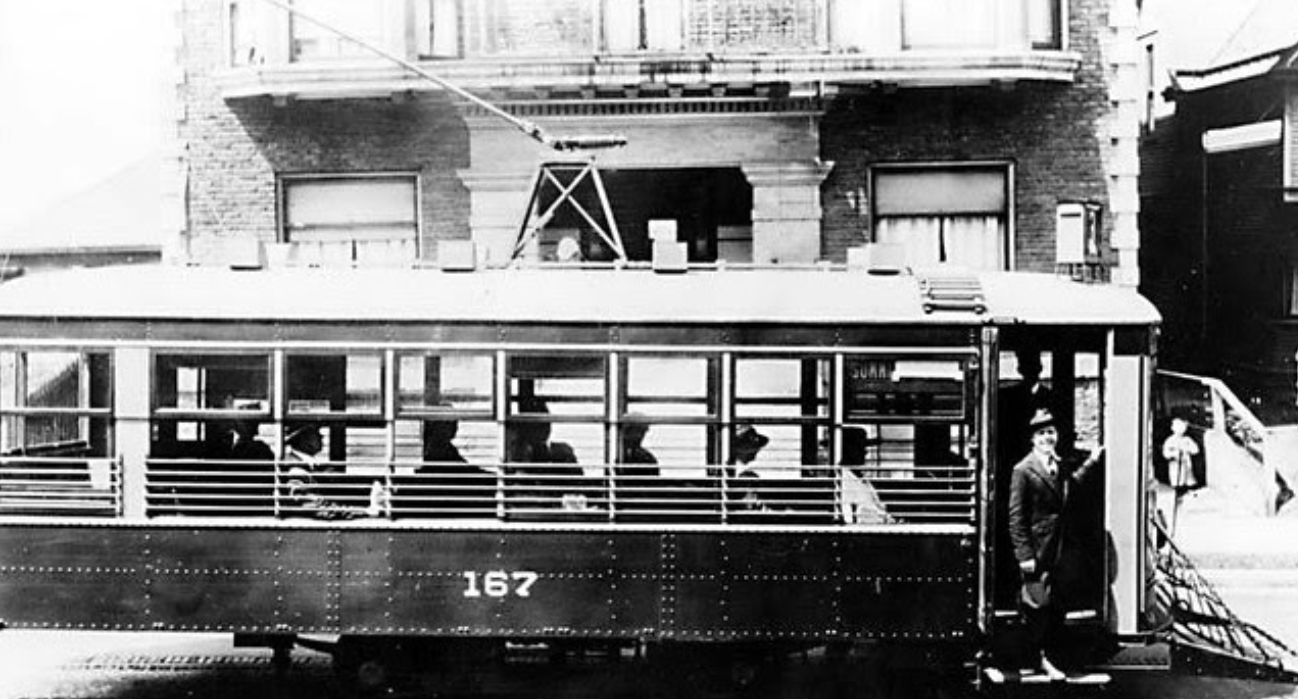
The Olive/Summit neighborhood served by the 47 is, like most of Capitol Hill, one of the densest populated areas in the state. Almost the entire route of the 47 is made of multifamily housing and local shops, which is the kind of neighborhood density we want to see across the region. The route area is on the side of a steep hill that is not easily walkable to other transit. This is exactly the kind of area we should be increasing transit service to serve, not removing an electric trolley route that has stood for more than a century.
We can already see that a handful of cars have expanded to fill the gap left by not using the bus stops; those bus stops should get to see trolleys once more. Deleting this emission-free route takes King County farther from its electrification goals and climate action aspirations. Why take a step backward when we have so far to go?
TRU has heard from members who relied on the 47 and who wound up either moving away or buying a car when the 47 was suspended. When Seattle is tackling a housing crisis and committing to climate goals, we need all hands on deck for these issues. We need our transit service to be part of those solutions – encouraging drivers to be transit riders and making neighborhoods with successful housing density accessible by transit, not the other way around.
Much has been made of how transit ridership has changed in response to the pandemic. Riders want more mid-day trips, fewer peak commute routes, and a legible all-day network. TRU encourages Metro to restore the 47 then, after the dust has settled and ridership develops its natural patterns and flow, evaluate the route as part of the broader network. Metro’s current idea to connect it to some trips of Route 3 is a good interim step, though TRU encourages adding more trips for a longer span of service to make the route (extension) truly useful all day. Perhaps future changes could include connecting to the east instead of through downtown.
Riders should contact King County Councilmembers and County Executive Dow Constantine (kcexec@kingcounty.gov) to make sure their voices are heard.
Editor’s note: Check out Ryan Packer’s coverage of the bus restructure to accompany the rollout of the RapidRide G Line later this year. That restructure was hamstrung by the limited service hours caused by Metro’s staff shortage, and commitments made prior to 2020 that call for beefed-up service along Madison Street. This op-ed was adapted from a letter that TRU sent to the King County Council and Executive.