Activating public spaces is a worthy goal, but it takes welcoming people in with placemaking and guardianship, not banishing them.
When cities revitalize public spaces, critics often assume that efforts will have an ethos of exclusion. In regard to Seattle’s imminent Stay Out of Drug Area (SODA) zones, the critics are correct. Under the legislation that the Seattle City Council approved last Tuesday, people with drug-related convictions or charges will be banned from designated SODA zones on threat of arrest and charged with a gross misdemeanor.
This isn’t the first time that Seattle has tried SODAs, and the evidence suggests that they won’t accomplish anyone’s goals, whether those goals are to improve public spaces or help the people who use them.
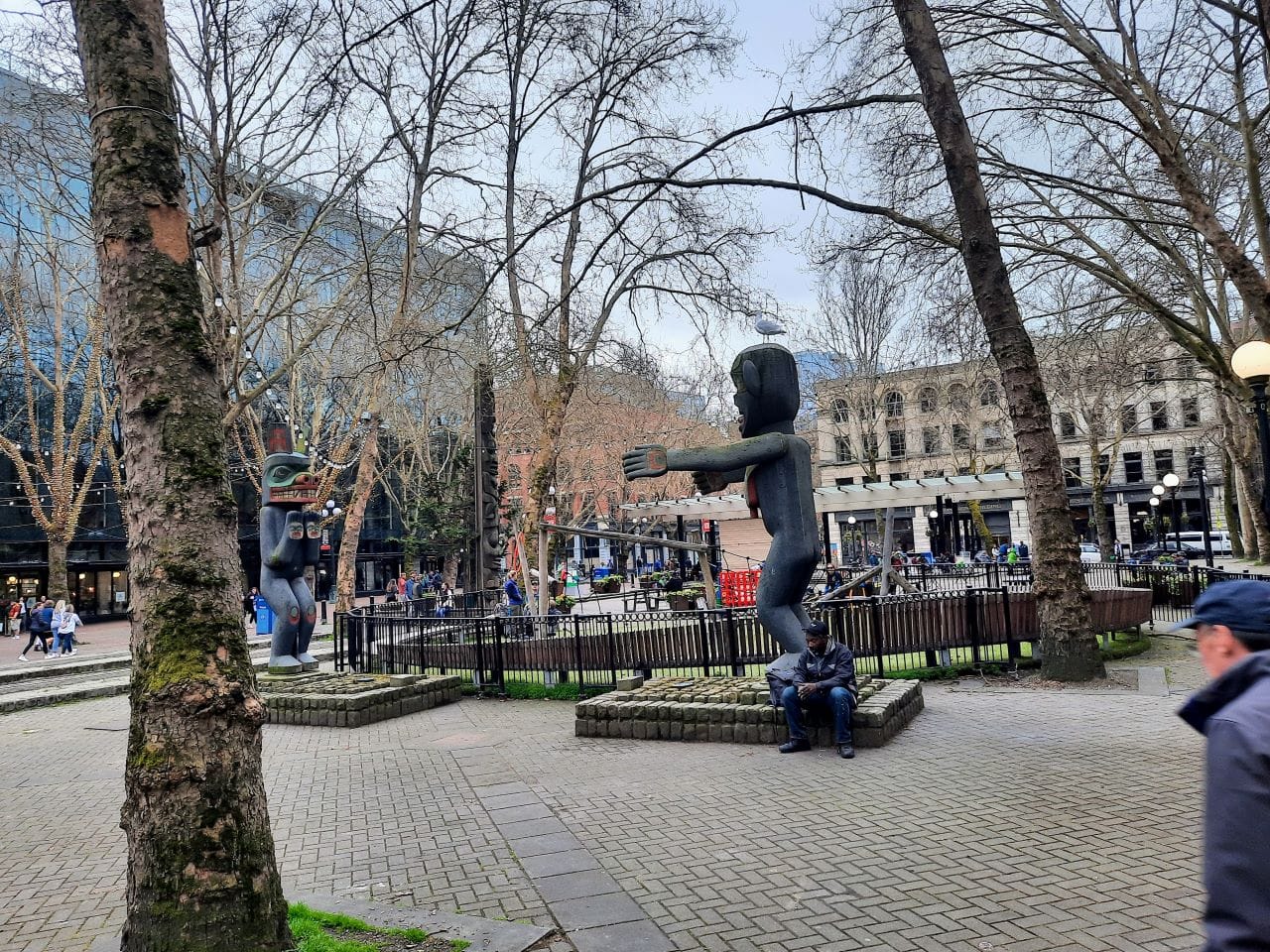
There’s no denying that Seattle’s public spaces require action, but if we’re going back to the well, we should go to one with water. Not only do we have a rich history of having successfully revitalized public spaces, but we’ve done so without exclusion. History tells us that we’ve figured out more than we realize. Seattle should take a closer look.
Of the many available case studies, New York City’s Bryant Park is foundational. In the 1970’s, the park was known for open-air drug use and frequent law enforcement emphasis patrol efforts. It wasn’t until its renovation in the 1980’s that things began to look different. Dan Biederman, who led the renovation, analyzed the problem through the lens of place-based design and engineered a solution founded on sociological premises. After significantly altering the park’s built environment and adding amenities, including chess boards, ping pong tables, and 2,000 moveable lawn chairs, the park saw a drastic change in visitor use patterns.
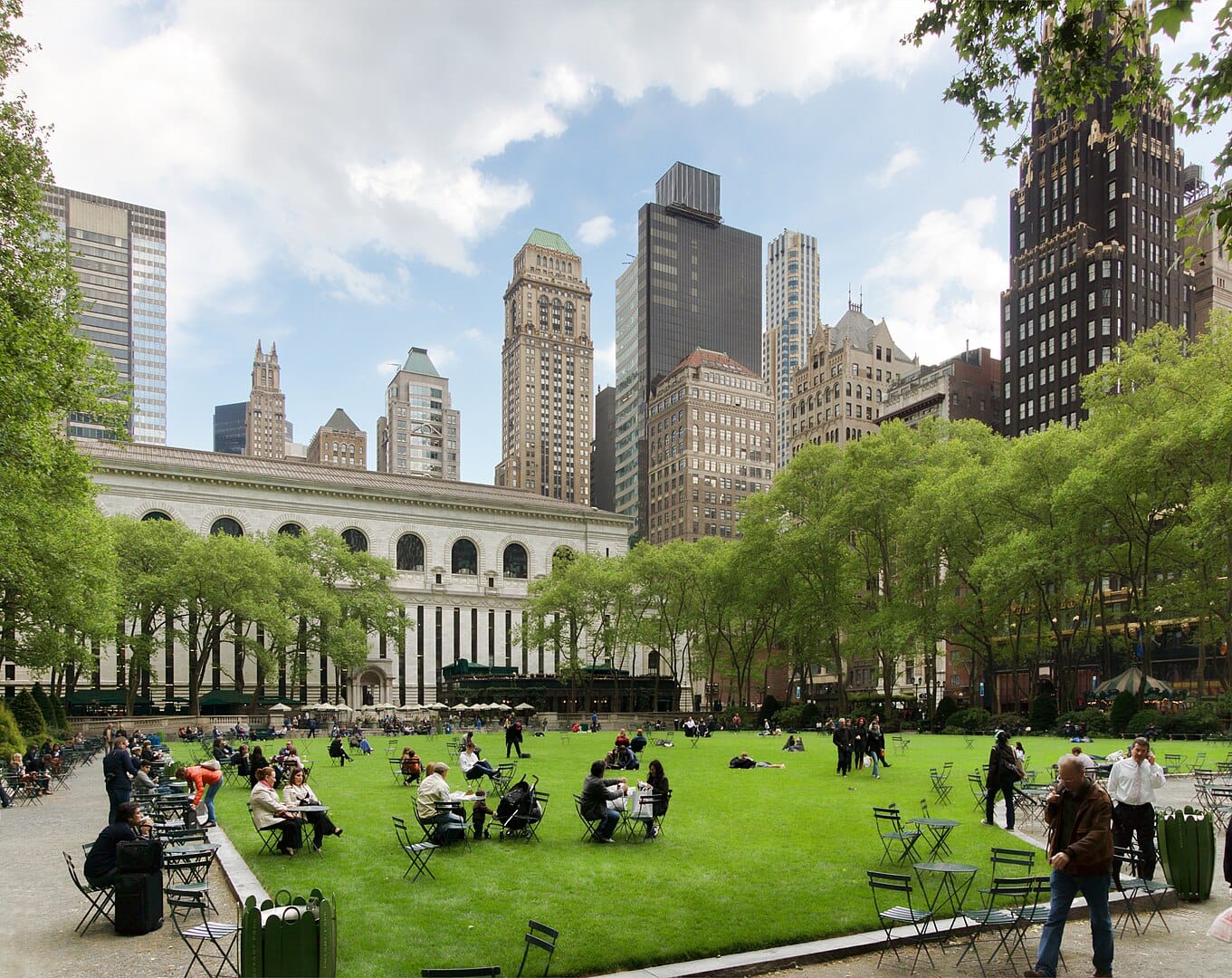
By the 1990’s, Bryant Park was praised as the “town square of Midtown.” Biederman was criticized at the time for other public order initiatives that fell harshly on people who were homeless, but the Bryant Park initiative played out markedly differently. It was based on a key principle: public spaces should be open and welcoming to all.
This principle isn’t just a lofty ideal. It’s also a discrete public safety strategy. Insofar as openly illegal activity discourages other people’s use of a space, such activity is not in alignment with the open and welcoming to all principle. Conversely, a space that welcomes everyday users makes those users into informal guardians of the space, naturally deterring crime and reinforcing their prosocial use patterns. In other words, a person who visits Bryant Park to play chess contributes to the park’s vitality, regardless of whether that person happens to have a drug-related conviction or charge in their criminal record.
The open and welcome to all principle has contributed to vibrant public spaces in local case studies, too. In Shoreline, Aurora Avenue experiences comparatively less crime than its Seattle counterpart. Shoreline’s city officials, as well as their law enforcement, attribute Aurora’s contrast north of N 145th Street to the fact that Shoreline has taken better care of its public space.