Climate policy is taking center stage in the Seattle City Council District 4 race. Shaun Scott was an early backer of the Seattle Green New Deal, a climate justice-centered response that seeks to meet the scale of the climate crisis while also lifting up disadvantaged communities. He’s boldly proposing deep reform of our land use and transportation system to greatly reduce our carbon footprint and snap up us out of our suburban sprawl death spiral.
Alex Pedersen released a 18-point plan–after making it through the primary–that tries to make sure we don’t go too far, while often piggybacking on Mayor Jenny Durkan’s plan or Governor Jay Inslee’s plans where it’s easy. We wouldn’t want to lose too many parking spaces as we try not to scorch the planet!
In fact, Pedersen indicated he wanted to bring back parking minimums, which the City has dropped in Urban Villages and Frequent Transit Areas. Bringing back parking minimums in our most transit-rich areas wouldn’t just lead to higher carbon emissions, it’d also kill many affordable housing projects. And it’s built on a false narrative of scarcity–in reality only about half of our city’s copious parking supply is used on a daily basis.
Pedersen’s parking pandering is also built on the idea that we have more time to take climate action when we don’t. That’s how Pedersen convinced himself (and likely some of “4 to Explore” blog followers) to vote against Sound Transit 3, even as folks like us pointed out the huge climate benefits and urgency. Why take action in 2016 when you can kick the can down the road and search for a mythical perfect plan with no downsides? And you can always delete the blog once you run for office–and that’s what Pedersen did. Bye bye posts opposing ST3, the Move Seattle levy, and the Mandatory Housing Affordability upzones.
Meanwhile, he’s criticized the Seattle Green New Deal for lacking focus and funding sources, despite Scott offering several in his platform.
Still some are convinced by his sleight of hand, including apparently Cathy Tuttle, former D4 candidate. Tuttle, along with Scott, earned The Urbanist’s dual primary endorsement for her climate focus and history leading grassroots groups like Seattle Neighborhood Greenways. She took to the District 4 Facebook page to decry Scott’s tactics and play “both sides” games.
Alex Pedersen and Shaun Scott are both working–as we all must be–on defining strong city climate policies and actions. That’s why I’m disappointed by Mr. Scott’s assertion in The Stranger: “I believe climate change is real and that cities can do something to address it, and Alex Pedersen does not.”
Cathy Tuttle, District 4 Facebook page
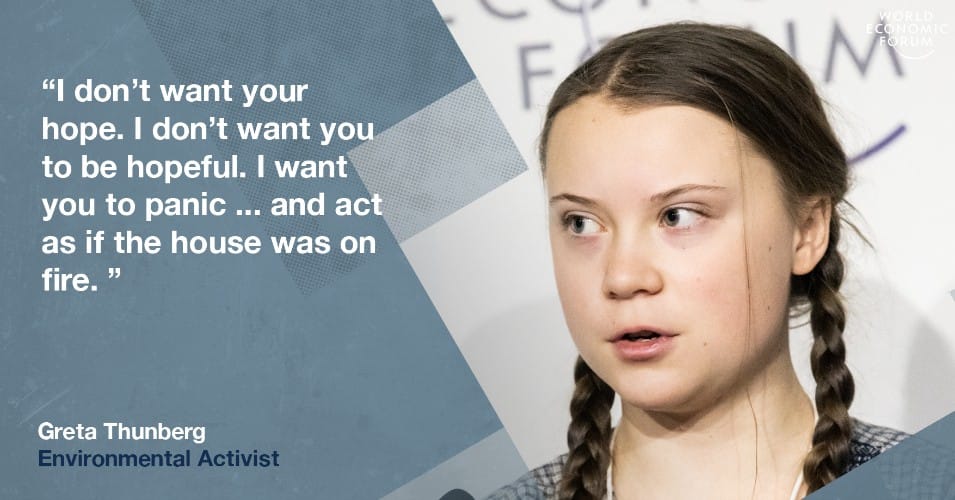
What ensued was a maelstrom of 262 comments and counting. With a tact like that, Tuttle has declined to endorse Scott. When pressed in the comments what she was trying to accomplish, “Alex and Shaun each have unique talents that will be needed to transform our world quickly into a low carbon future,” Tuttle said. “Shaun is a good communicator. Alex is a diligent worker. Climate change will soon demand the best from all of us. My advice is no matter who is elected, stay engaged and make sure all government policies and funding decisions substantially lower our energy use — and look for the good in everyone.” A Hallmark moment, even as Tuttle (like Scott) continues to regularly cite Greta Thunberg, who has a markedly different tact. “I don’t want your hope,” she told the global elite in Davos. “Act as if the house was on fire.” Thunberg has no patience for wishy-washy politicians. Tuttle clearly does.
I reached out to Tuttle to give her chance to clarify her position and endorse if she so chooses. She declined suggesting Scott’s platform lacked enough detail for her to judge. I also reached out to Emily Myers, who ran on climate as well and just narrowly edged out Tuttle for third, to see if she had thoughts on the climate plans or an endorsement. I’ve yet to hear back.
For his part, Scott was right that climate just wasn’t a significant part of Pedersen’s platform until after the primary, which helps explain why environmental organizations that did weigh–like Sierra Club, for example–endorsed Scott. He skipped transportation and climate forums left and right, and snubbed many questionnaires including both ours and Seattle Subway’s. The latest forum Pedersen is skipping is the Urban Indian Experience and Green New Deal Seattle Forum on October 18th. Even after belatedly adding climate positions, Pedersen’s clearly has the weaker vision, despite being more long-winded. Now to the plans.
Shaun Scott’s inspiring climate justice vision
Shaun Scott rightly identifies the connection between exclusionary land use and our collective carbon footprint. He’s been adamant that restrictive, carbon-intensive single-family zoning must go to allow green social housing across the city: “The Seattle City Council could correct our current zoning code, which makes apartment buildings illegal in 75% of the city, and build public housing developments that comply with green LEED certifications.” Single-family zoning’s roots trace back to racial exclusion and its persistence exacerbates segregation and keeps carbon footprints from shrinking as quickly.
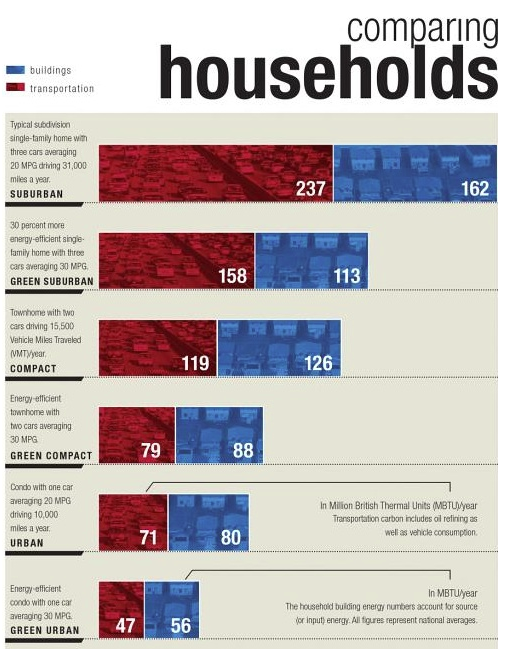
In his platform, Scott is direct and to the point: “And if we gave everyone free public transit—or at least gave employers ‘climate passes’ to fund transit passes for working Seattleites—we could decrease our carbon emissions by getting people out of cars.” (Just wait until you hear Pedersen’s tortured alternative to this about bringing business to the table, being reasonable, and careful not to pile on requirements.)