The past few months have been very trying times as the Covid-19 pandemic swept the country. By mid-March, Washington Governor Jay Inslee ordered non-essential businesses and facilities to close across the state in order to stem the loss of life and reduce stress on healthcare systems. The economic impacts of this have been acute to workers and businesses, particularly in the service industry where face-to-face interactions are necessary to groom people, sell goods, and provide dining experiences. Some businesses have gotten by through online and telephone orders with curbside pick-up, but on balance it has been deeply painful, often by furloughing substantial sums of staff.
However, Governor Inslee announced late last week that the state’s largest county–King County–could move to a Modified Phase 1 under the statewide Safe Start Washington recovery plan. By Friday afternoon, shops and restaurants began opening for indoor shopping and dining, though with some restrictions. It was a breath of fresh air for people wanting to get some semblance of pre-Covid life back and a sigh of relief to many business owners and service workers alike.
Al fresco recovery could add another layer of protection
The Modified Phase 1 restrictions still limit occupancy for most services in an effort to reduce the likelihood of Covid transmission since new cases continue to be reported daily–Seattle was an early hotspot in North America setting off continent-wide alarm bells of pervasive community transmission. The Washington State Department of Health approved the county’s variance application to allow some aspects of Phase 2 activities to happen sooner since the county is still falling shy of the metrics to safely move fully into Phase 2 but performing well enough that additional activities could be allowed. There are many reasonable practices that the variance includes:
- Non-essential retail businesses can allow up to 15% of indoor occupancy maximums, provided that customers do not remain inside longer than 30 minutes and other Phase 2 guidance is met;
- Restaurants and bars can allow up to 25% tables to be used indoors, provided that other tables and chairs in use are at least six feet apart and other Phase 2 guidance is met;
- Restaurants and bars can allow up to 50% of outdoor capacity to be used, provided all tables and chairs in use are at least six feet apart and other Phase 2 guidance is met; and
- Personal services can allow up to 25% of customers that could normally be served and other Phase 2 guidance is met.
King County also has an order in place directing all people to wear face masks in public when social distancing of at least six feet is not feasible, adding an extra layer of protection from Covid. The state, for its part, does not have a blanket order in place, but it is encouraged and required for certain workers.
The Modified Phase 1 variance, however, only empowers the local health authority to impose standards on businesses. It does not empower Public Health — Seattle & King County to direct what local governments do to further advance the cause of the variance for economic vitality and public health. Cities and counties are left with what to do in that regard, and so far, most local governments have not been as quick-moving developing plans that would make it easier for businesses to use sensible practices that involve outdoor activities.
The Covid data thus far has been clear that most people who contracted the virus did so while being in enclosed and poorly ventilated spaces. Establishing maximum indoor occupancies to allow for more social distancing is helpful in mitigating that. Wearing face masks are also good in further reducing possible transmission, as much as 60% for handmade cloth faces masks. But the reality is, outdoor spaces are superior in reducing transmission, adding another layer of protection in a multifaceted strategy to stop Covid spread.
Local governments beginning to act
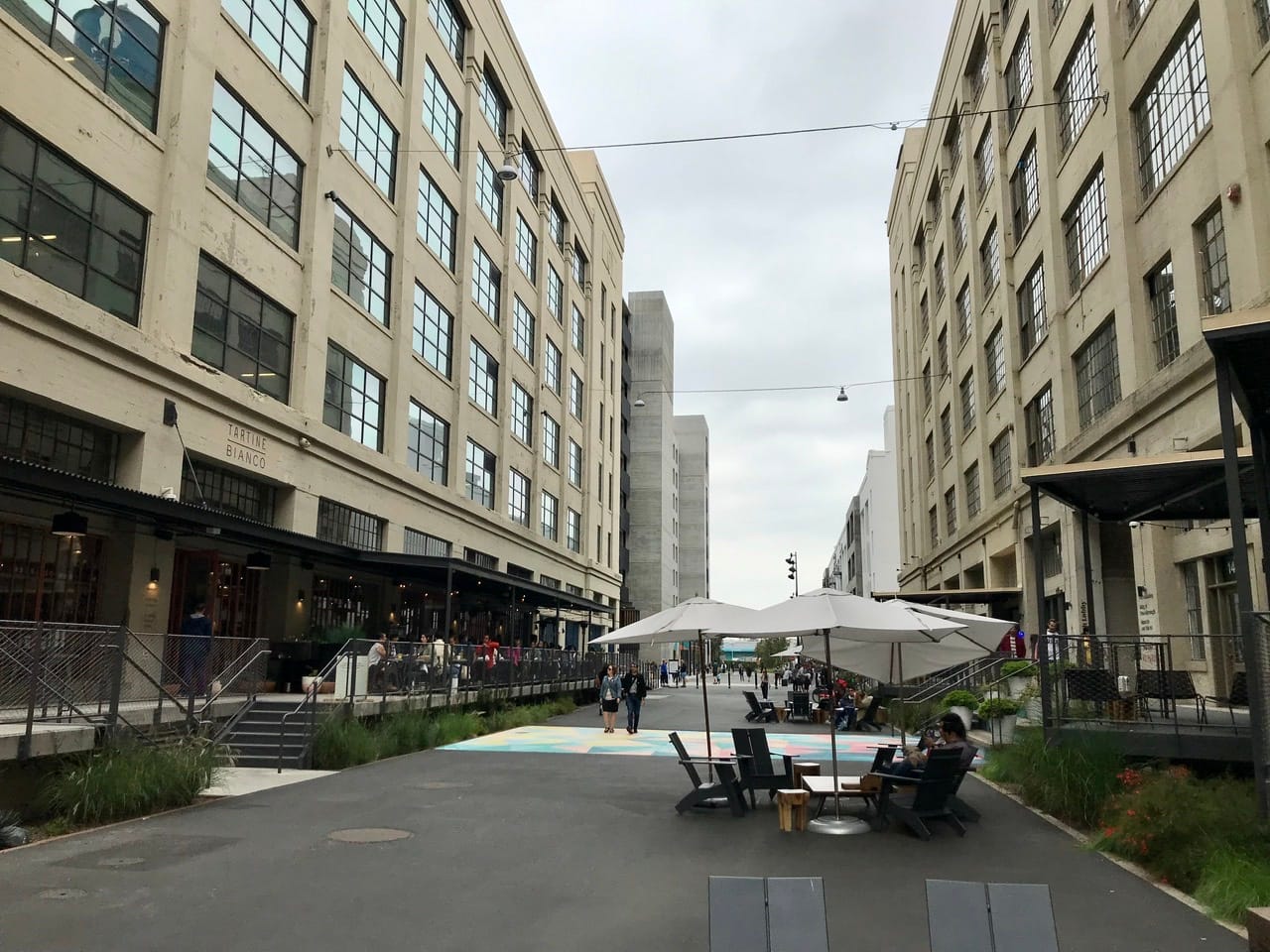
Some cities are trying to be proactive. On Tuesday, Redmond announced what could be the beginnings of a special program to allow more outdoor dining and retail on public right-of-way, making it the first program of its kind in Puget Sound. The city is contemplating the use of sidewalks, off-street parking areas, on-street parking, and in-street areas, too, for the program.