Urban growth dichotomy: Dan Ryan asks an important growth management question: should smaller cities be allowed to grow faster?
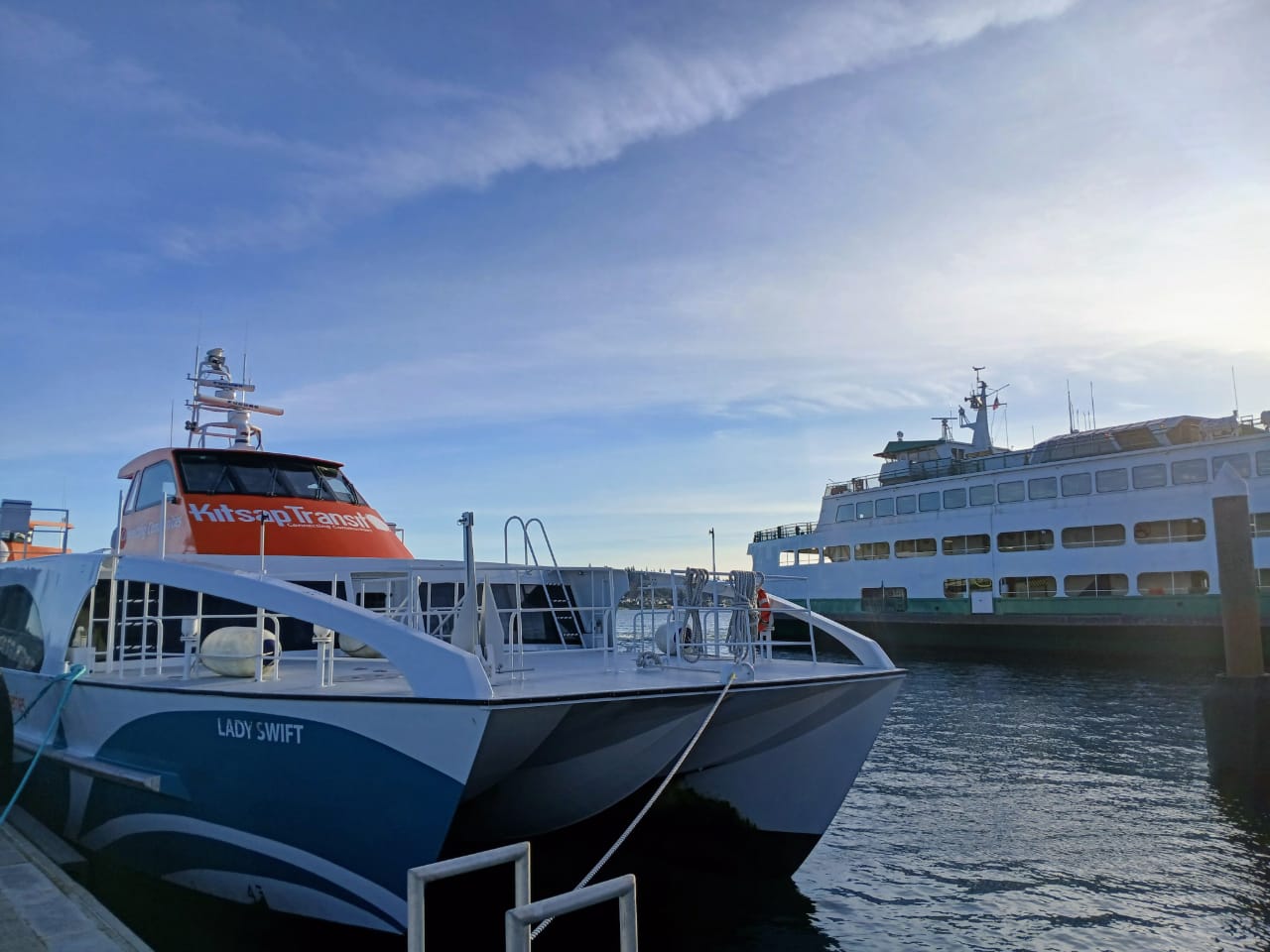
Fast ferry feedback: Kitsap Transit wants feedback on a proposed fast ferry reservation system.
Wine growlers: Wine refills might get to the OK in Washington state.
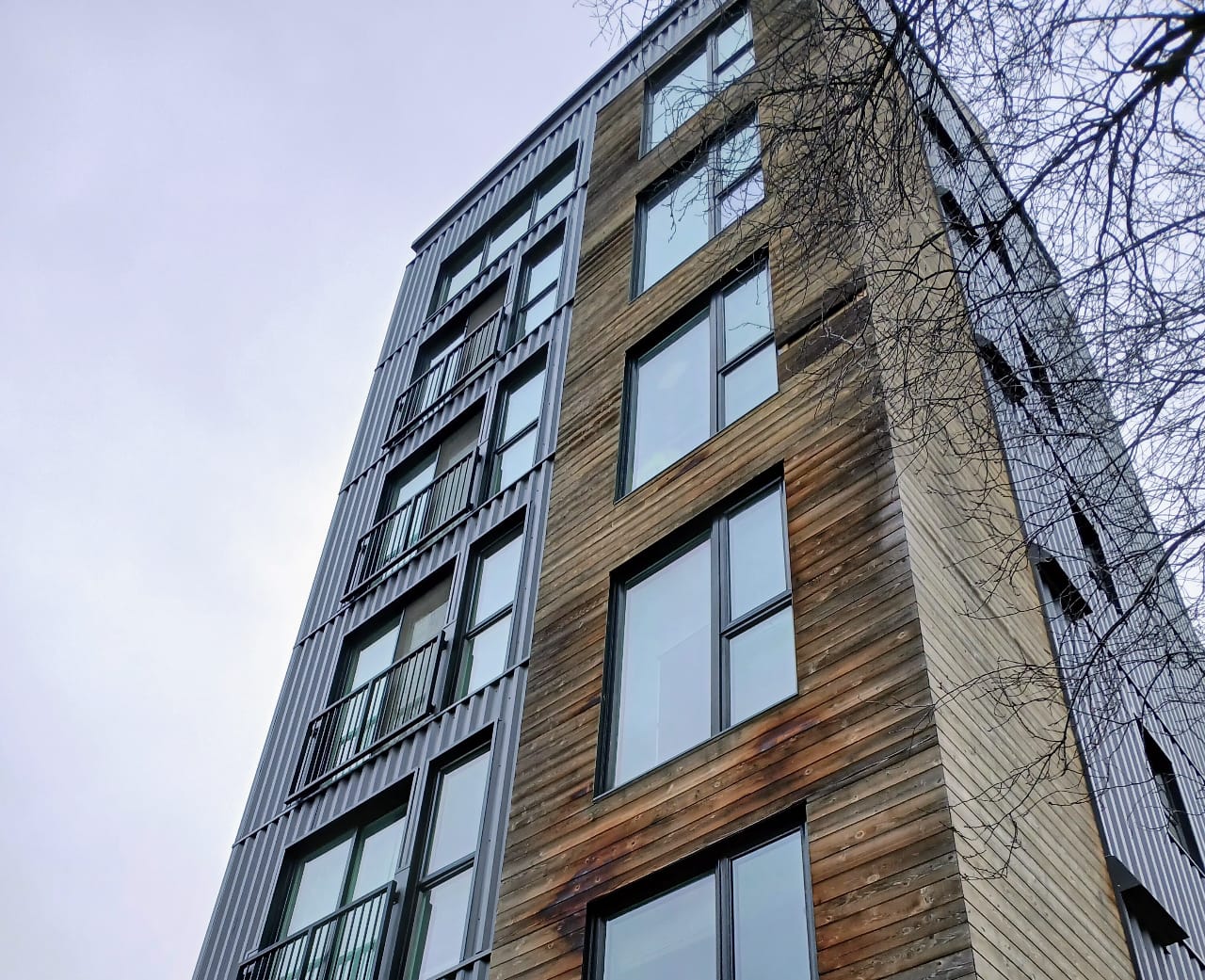
Capitol Hill TOD: A new six-story apartment building is planned across the street from Capitol Hill Station.
Chief transpo planner: Streetsblog covered the Elaine Chao nomination hearing for the United States Department of Transportation this week.
Bye-bye Pronto: Our own Ryan Packer speaks to KOMO on the demise of Seattle’s bikeshare program.
Urban policy collision course: Ben Carson neither understands the agency he’ll likely lead nor has much interest in it.
Boomtown: Our friend Ethan Phelps-Goodman made an appearance on KING5’s New Day to talk about Seattle development.
$78 billion: Yonah Freemark published his annual roundup of transit projects opening and breaking ground across the United States in 2017.
Competing with Hansen: Seattle is asking for renovation bids to KeyArena that could bring NHL and NBA teams.
Bike support: Seattle Bike Blog says that Seattle should not stop the Broadway streetcar extension and bikeway project.
LIHTC: Greater Greater Washington explains how the federal Low-Income Housing Tax Credit works.
Transform Fifth Avenue: Janette Sadik-Khan says the Fifth Avenue in Manhattan–home to America’s most disliked, corrupt, and unqualified future President–should be converted to a transit- and pedestrian-only corridor to deal with the constant disruption that Donald Trump’s existence will present.
No minimums: Buffalo says “goodbye” to parking minimums.
Landmark rejuvenation: The old St. Edwards Seminary in Kirkland could be transformed into a hotel while keeping the state park accessible to the public.
People count: A new federal rule will require transportation agencies to count the movement of people, not just cars.
Winning the fight: How communities in the Pacific Northwest are stopping environmentally devastating fossil fuel projects before they even start.
Map of the Week: Invisible borders can often have a bigger impact than real ones.