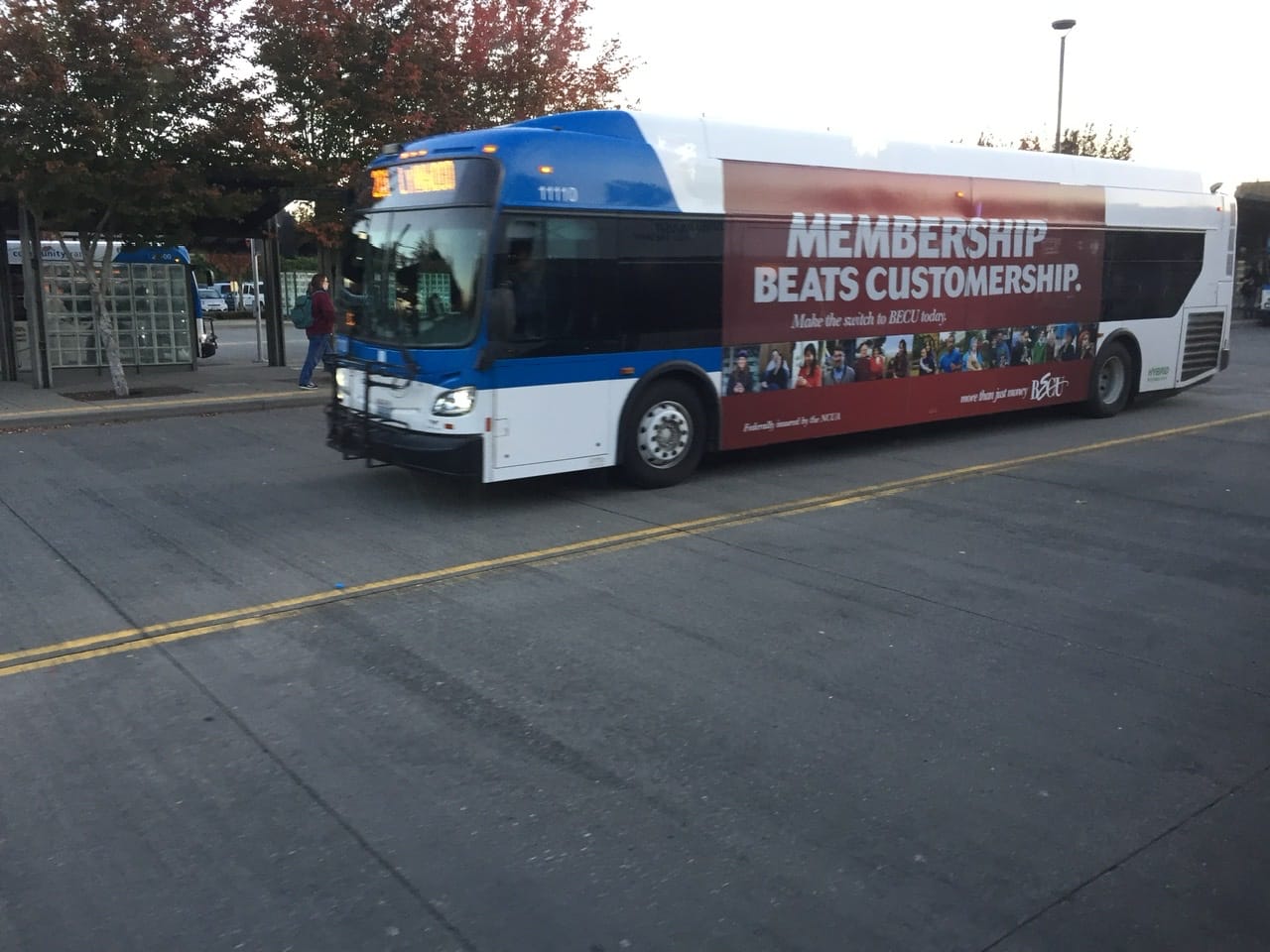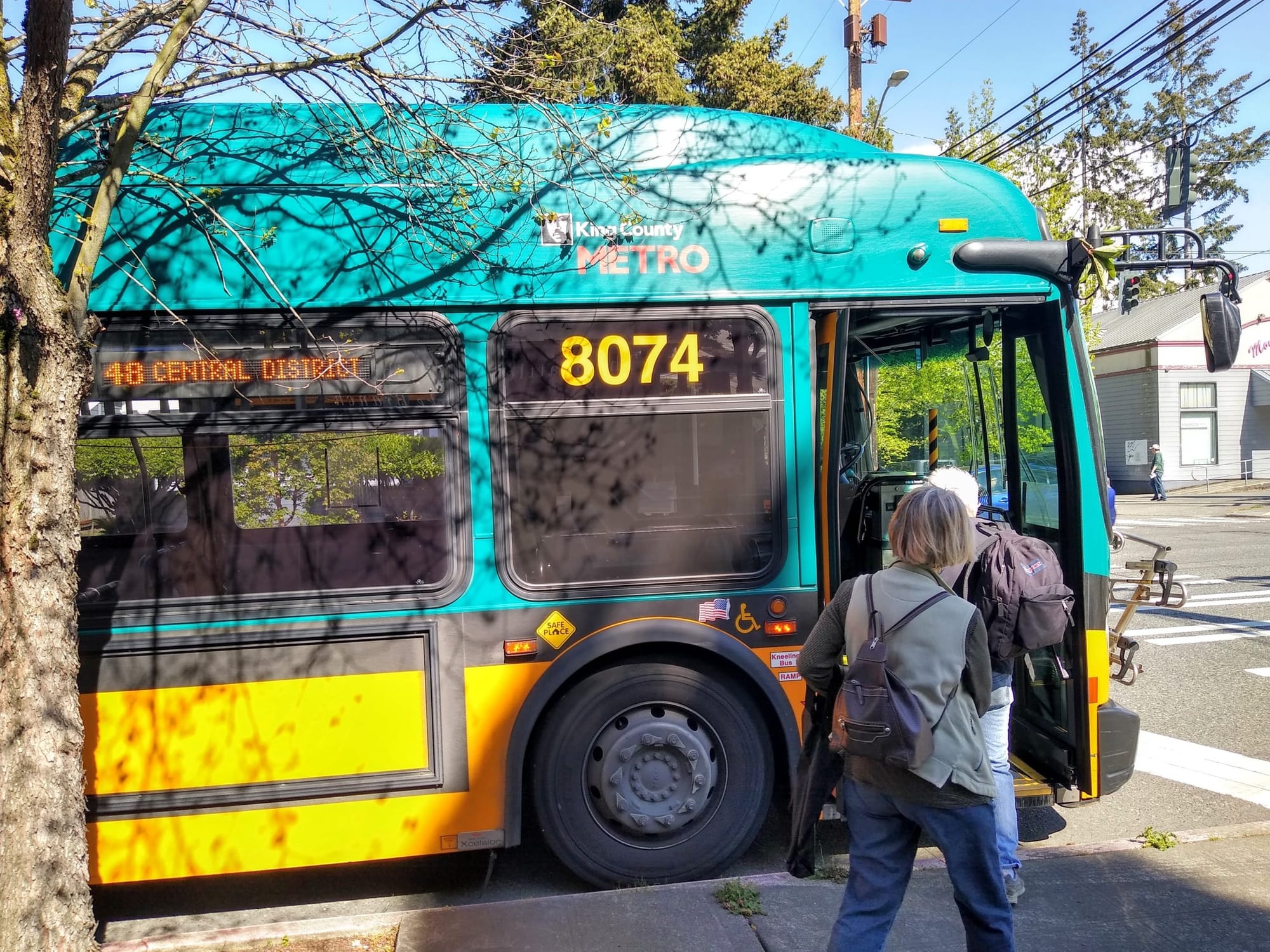
Of the seven frequent bus corridors that the 2015 Move Seattle levy pledged to upgrade, Route 48 between the University District and Mount Baker was always planned to be the least ambitious upgrade. The nine-year levy was never actually set to provide any direct funding dollars for the project at all, instead it was assumed that any upgrades to the route could be funded via outside grants. It was also set to be the last bus corridor of the seven to be upgraded. Now, after delays and budget gaps have plagued the rest of the corridor projects, the Seattle Department of Transportation (SDOT) is proposing its initial concepts for the route improvements. And those improvements largely don’t include providing a dedicated lane for buses along this key north-south corridor.
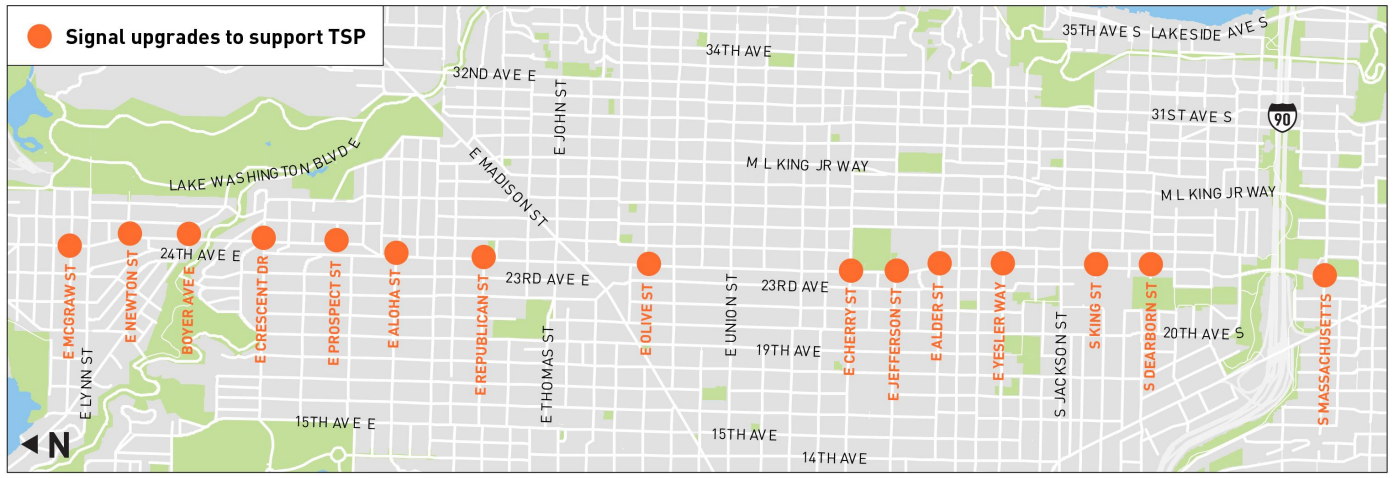
The budget and scope is still very modest. The single biggest component of the project proposed at this point entails adding Transit Signal Priority (TSP) upgrades to fifteen intersections between Montlake and Mount Baker that will allow approaching buses to communicate with traffic signals and trigger a green light faster than it might appear if the bus wasn’t there.
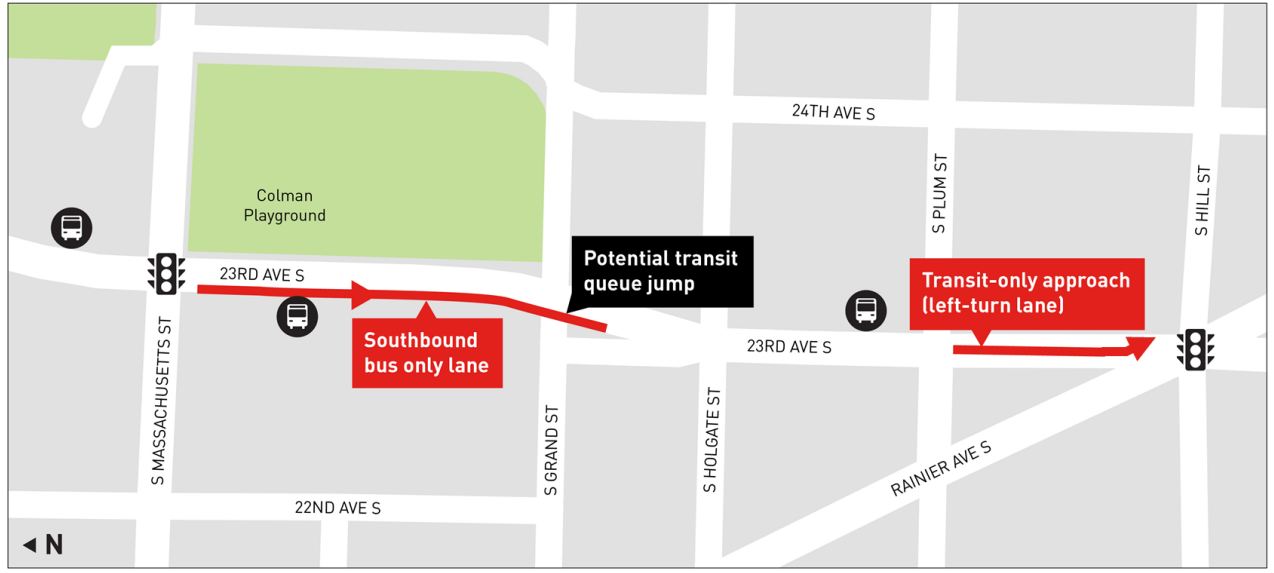
SDOT is also proposing some very short dedicated space for buses. Southbound Route 48 coaches would have a bus-only lane south of S Massachusetts Street, and an adjusted traffic signal that would give the bus a head’s start as that bus lane disappears is being considered. Another transit lane is also proposed at the approach to Rainier Avenue, where the left-turning 48 would have its own turn lane.
These improvements are not incredibly substantial for a route that was rated relatively high on King County Metro’s list of routes needing investments to improve reliability in 2019. That year Metro found that 20.7% of trips on weekday evenings and 21.4% of trips on Saturdays were running late. Poor Saturday performance in particular isn’t surprising for a route that serves Husky Stadium.
Last year, the University of Washington updated the transportation management plan for the football stadium, adjusting a transit mode share goal of 29% that had been in place since 1986 up to 52% on weekend game days. Buses that serve the stadium need to be able to get through stadium traffic. There are transit lanes on NE Pacific Street and Montlake Boulevard near the stadium, but the nine-lane version of Montlake Boulevard that WSDOT is currently constructing over SR 520 only includes a short segment of northbound bus lane, with no southbound counterpart.
More dedicated transit lanes deserve a real revisit now
In 2017, when SDOT was working on a street redesign for the corridor as part of its Vision Zero program, the department looked at converting one southbound lane of 24th and 23rd Avenue between Boyer Avenue E and E John Street to bus-only. That bus lane was eliminated from the project, a decision that at the time was attributed to “community feedback,” after hearing from only around one hundred people in their outreach process. There wasn’t any other justification for the lane to be eliminated, a fact that was noted at the time by both the Seattle Transit Blog and the Seattle Bike Blog.
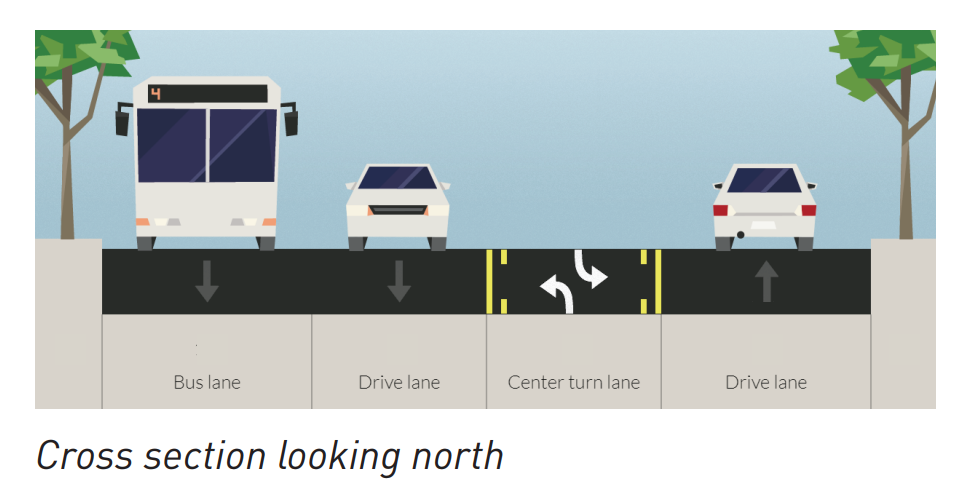
In addition, SDOT kept the configuration of 24th Avenue E north of Boyer Avenue at two traffic lanes in each direction, holding off on reconfiguring that segment of the street to improve either safety or bus reliability. At the time, this was framed as a decision that would be revisited. “As we get closer to upgrading bus service to RapidRide on 23rd Avenue E (currently scheduled to start operating in 2024), we’d like to revisit the neighborhood to discuss going from four to three lanes,” a presentation from October of 2017 noted. A RapidRide line is no longer slated for implementation in the corridor anytime soon, further increasing the need to revisit adding space for buses, particularly in the often traffic-choked areas around SR 520.