The Seattle Department of Transportation (SDOT) is creating one transportation plan to rule its lesser modal plans, and that spells trouble for the Bike Master Plan and for eliminating fatal crashes. Before the agency gets ahead of itself, it must focus the process around safety outcomes and a long-term vision for a decarbonized city rather than bureaucratic expedience.
The Urbanist joins the call from Seattle Neighborhood Greenways and Cascade Bicycle Club urging the city to focus the plan on safety and connectivity for all.
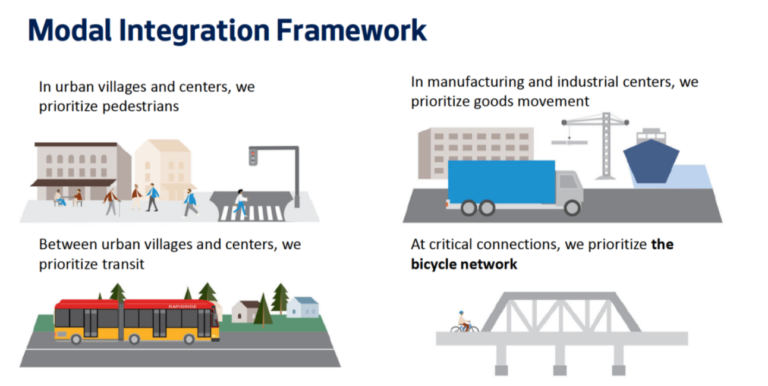
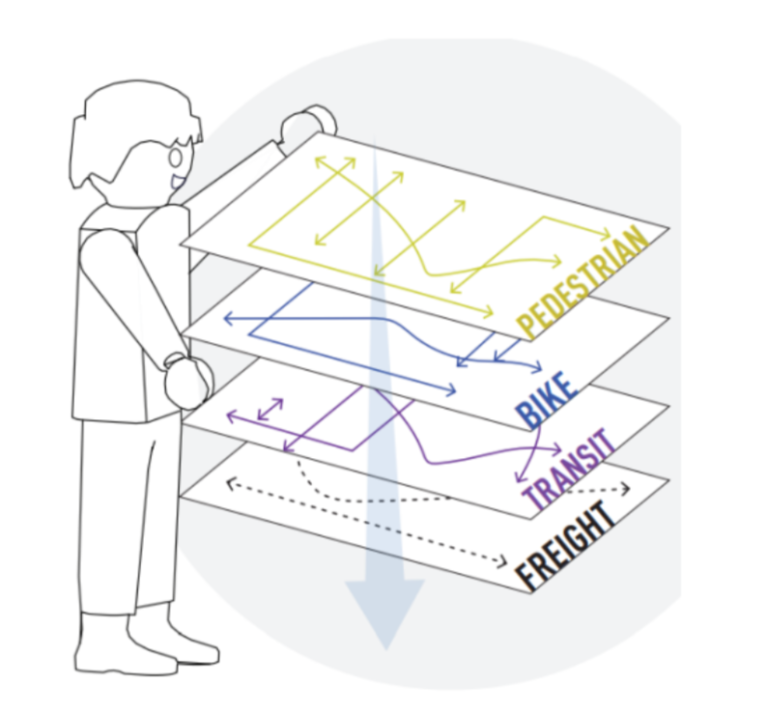
“The Seattle Transportation Plan updates and combines the city’s bike, pedestrian, transit, and freight master plans into one plan. It determines how and where each of these modes can fit into Seattle’s streets,” an action alert released by Seattle Neighborhood Greenways on Saturday said. “So far, planning for bike routes doesn’t include safety, equity, and connectivity filters. That’s a big problem.”
Seattle Greenways is asking people concerned about this issue to contact the city council and testify at transportation committee meetings. Cascade Bicycle Club is doing the same, pushing for the new plan to build on the work that shaped the Bike Master Plan and not to start over.
Our own Ryan Packer, writing in the Seattle Bike Blog, explained over the past year “work happening behind the scenes at the Seattle Department of Transportation to work toward integrating the city’s different modal plans (bicycle, pedestrian, freight, transit) into one plan. This technical work will underpin the Seattle Transportation Plan, which the department formally started public outreach on last week. All of this work will ultimately be incorporated into Seattle’s major update to its Comprehensive Plan, to be finalized in 2024.”
Advocates have concerns about where this is heading, and rightfully so. A few dozen turned out to give testimony Tuesday morning ahead of a briefing at City Council’s Transportation Committee.
“Details of that technical work revealed how SDOT was developing a map of ‘critical’ bike corridor segments across the city; segments that the department didn’t deem critical wouldn’t be prioritized for added bicycle infrastructure in cases where the street width was found to be too narrow,” Packer wrote. “An analysis of every block in the city compared against the various modal plans found that it was just the facilities outlined in the 2014 Bicycle Master Plan — 339 out of 340 blocks citywide — that were found to be creating conflict between the existing modal plans. … A draft map of these critical bike segments was due to be released by this month, but has been delayed by SDOT.”
Already some departments within SDOT appear to be raising concerns that safety goals and vulnerable users are being shortchanged in the Seattle Transportation Plan as well. SDOT seems to have gone to lengths to shield Seattle Transportation Plan work from the public eye, but some details are starting to emerge.
New internal documents requested by Seattle Neighborhood Greenways and reviewed by Seattle Bike Blog illustrate how concerns from other departments within SDOT have been raised around how safety is incorporated into the modal prioritization framework. This included a document from the SDOT team implementing the Bike Master Plan flagging protected bike lane sections that could be watered down by the plan. Moreover, staff flagged concerns that the new policy framework would “deprioritize safety for vulnerable roadway users.”
Clara Cantor, community organizer at Seattle Greenways, put a finer point on that worry.
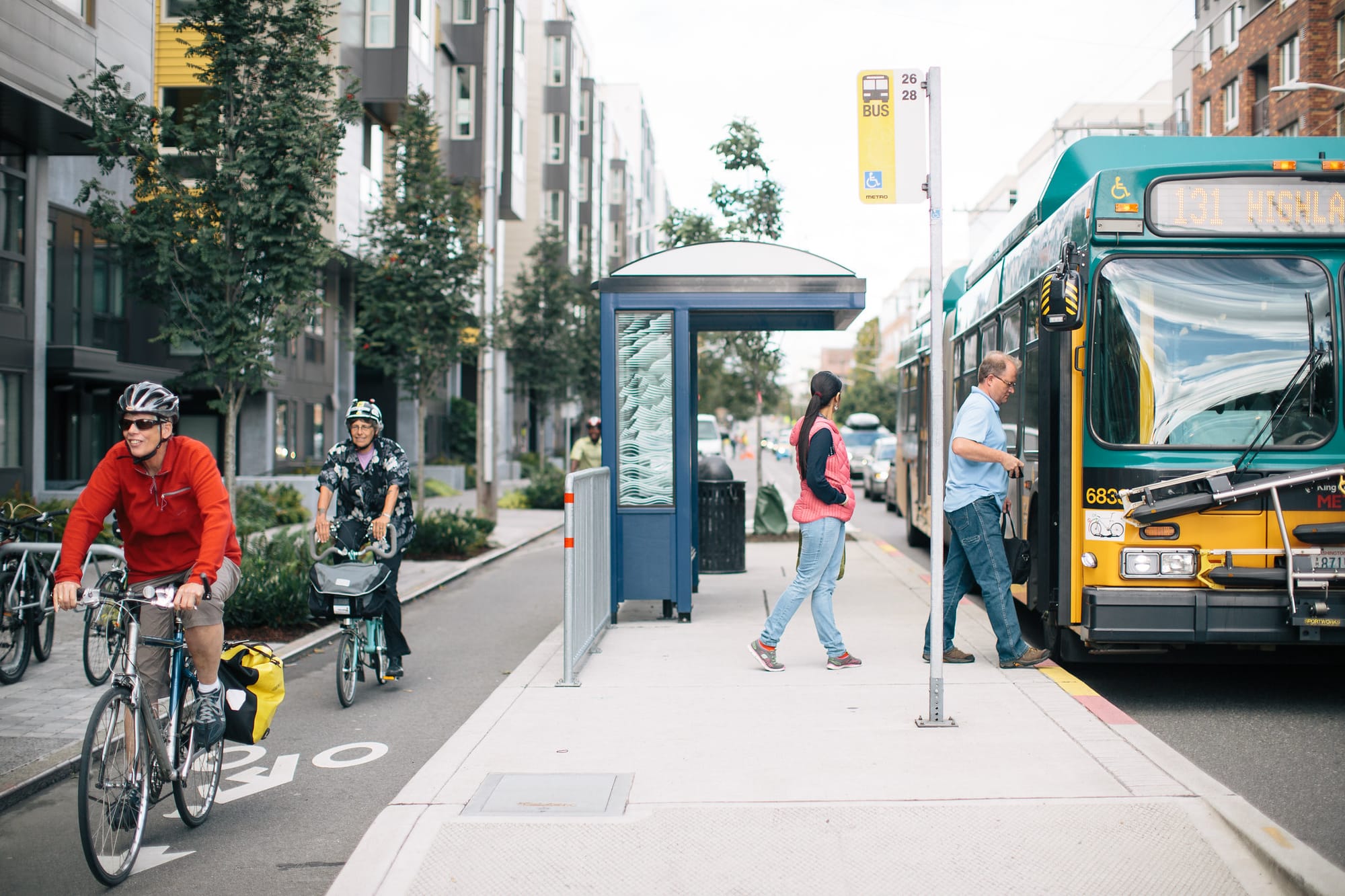
“We have process concerns with how little transparency there has been, but mostly we see a fundamental shift towards seeing bikes as extras or nice-to-have, and not as a viable mode of transportation that we should plan for,” Cantor said in an email. “It is re-framing the question of ‘Where should we plan for bike lanes’ into a conversation about whether there’s space in the street or not, instead of one framed around the safety, equity, and sustainability goals of our transportation system, with a vision of a complete, connected bicycle network.”
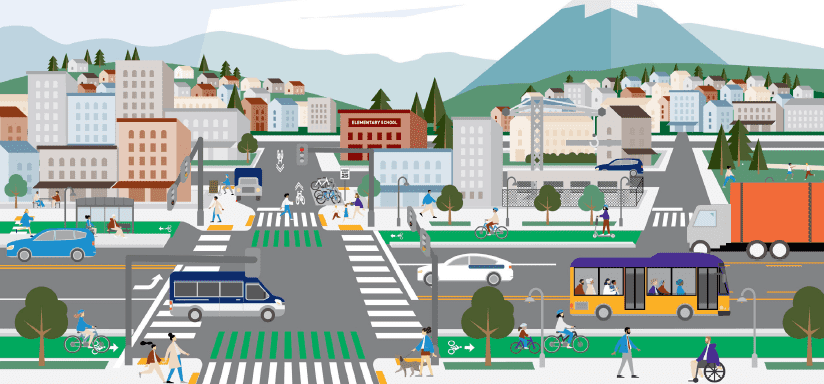
The City’s framework doesn’t appear calibrated to assist with pedestrianization efforts either, such as Lake Washington Boulevard or Pike Place, which both have a groundswell of support to go car-free much of the time. Modal integration plans seem to assume cars get go everywhere rather than asking the existential question when it comes to private cars. This car-centric mentality could become untenable as the city gets denser and more bustling. Our crash data tells the tale.
Despite the City of Seattle’s “Vision Zero” goal to end traffic deaths by 2030, road fatalities are trending up, not down, particularly among pedestrians. In 2021, 31 people died traveling Seattle streets, a 15-year high. Fatal and severe injury crashes continue to disproportionately impact Seattle’s Black and brown residents and its homeless residents, but so too do traffic enforcement interventions. We must design our way out of this mess, rather than expect enforcement to do the trick without bold design interventions.