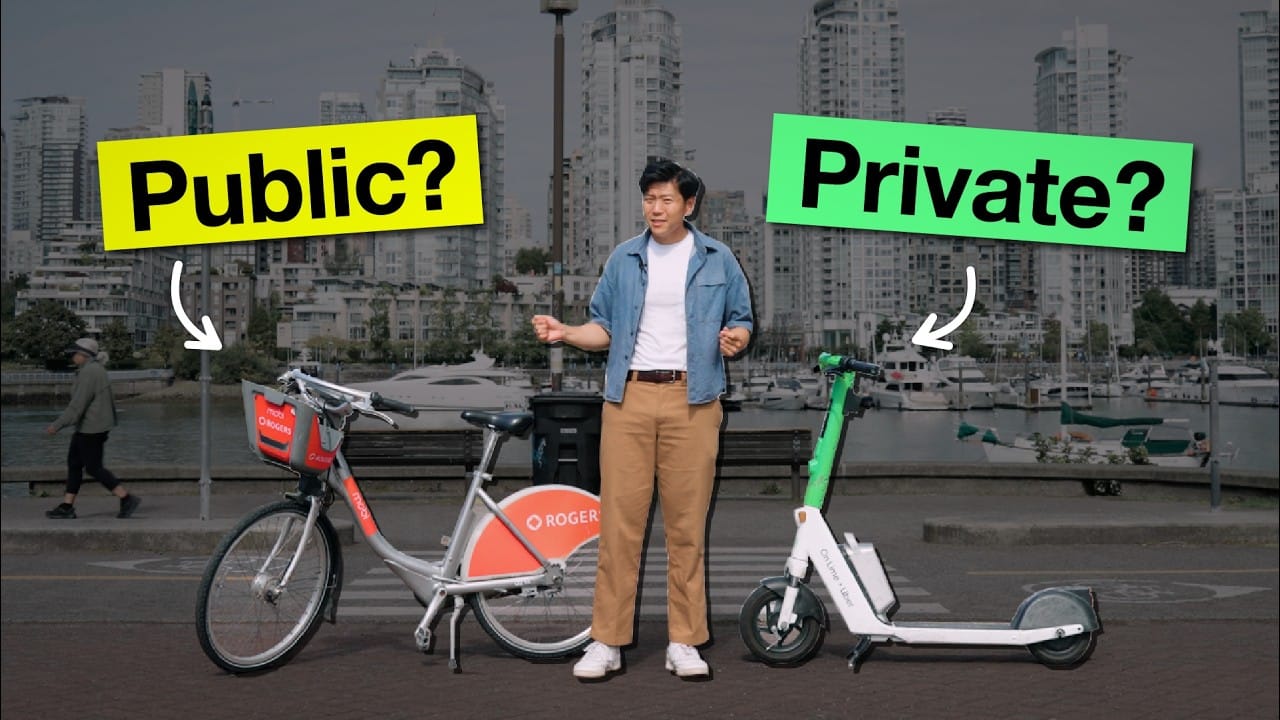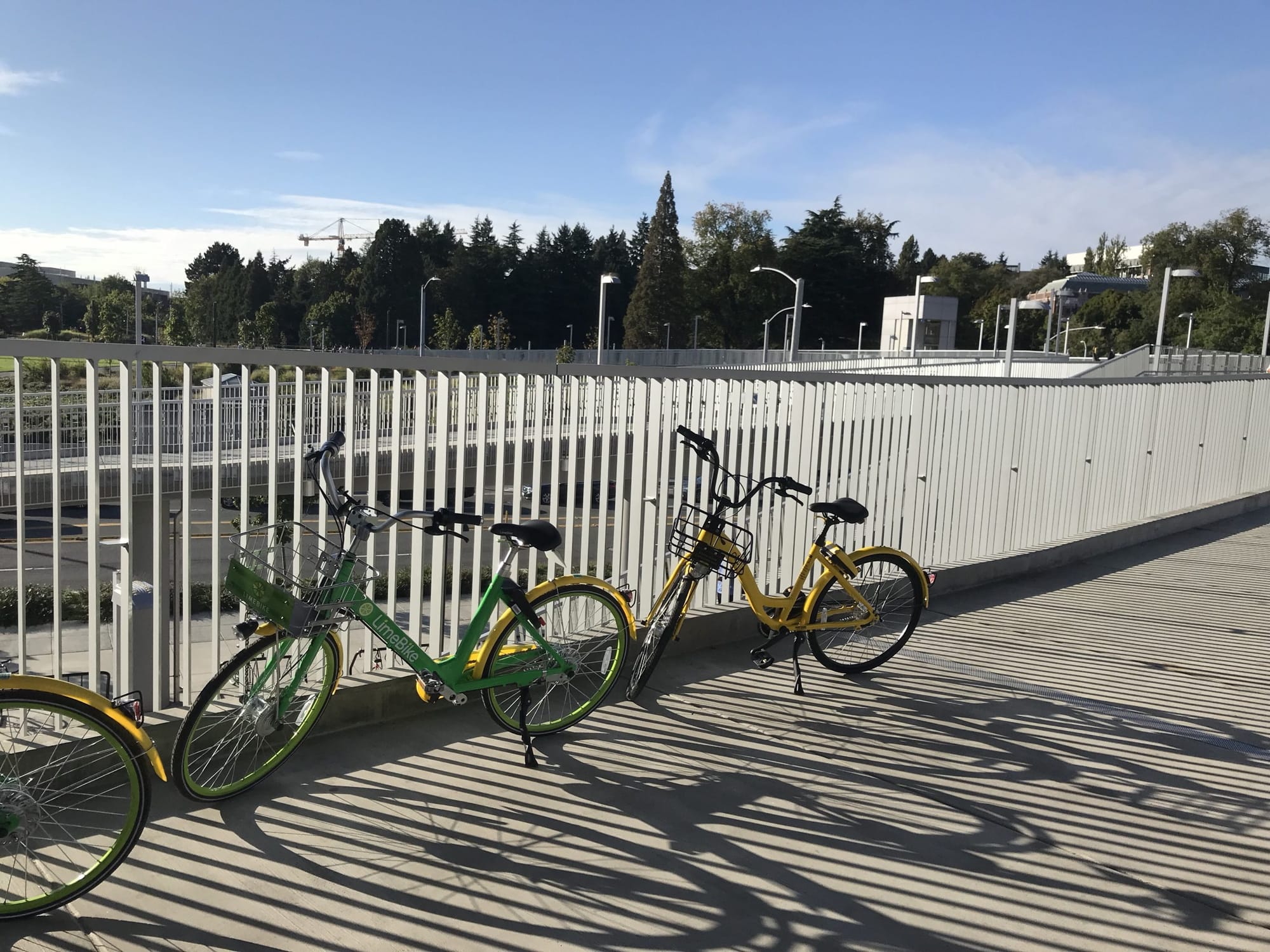
Seattle hopes to have a permanent permit program in place by August 31st for private bikeshare. The permanent program would would lift the cap on the number of bikes to 20,000, impose street use fees on bikeshare companies operating in the city, and add new regulatory requirements for the operation of the bikeshare program.
On Tuesday, the Seattle Department of Transportation (SDOT) briefed the city council’s Sustainability and Transportation Committee on the executive branch’s proposal. In the lead-up to the meeting, SDOT released expanded data on bikeshare performance through May, which continues to show ridership growth on bikes but cratering per-bike ride use. SDOT’s bikeshare manager Joel Miller presented five key recommendations developed from public feedback on the pilot program and a new annual permit fee structure. Miller noted that bikeshare program permits will need to be “annual and iterative” to properly address the changing nature of bikeshare here and afar.
The cost of administering the program doesn’t come cheap. SDOT estimates that the permanent program will cost $600,000 to run and hopes to invest some permit fees into extra bike parking on city right-of-way. Costs breakdown in this way:
- $370,000 for 1.5 temporary full-time employees per year;
- $80,000 for program data collection and evaluation;
- $50,000 to conduct compliance audits;
- $50,000 to conduct public outreach; and
- $50,000 for an adaptive bikeshare partnership.
Additionally, plans to invest $400,000 per year in permit fees into bike corrals, bike racks, and designated bike parking areas. With 10,000 bikes on the street from bikeshare companies, bikes are increasingly cluttering sidewalks, blocking curb ramps, and exhausting Seattle’s limited on-street bike rack facilities. By SDOT’s own count, around 400 bikes at any given time from bikeshare companies are blocking hazards, particularly to pedestrian-oriented facilities like curb ramps and sidewalks.