After weathering a budget scare, Seattle’s Equitable Development Initiative is growing, with $22 million in new awards.
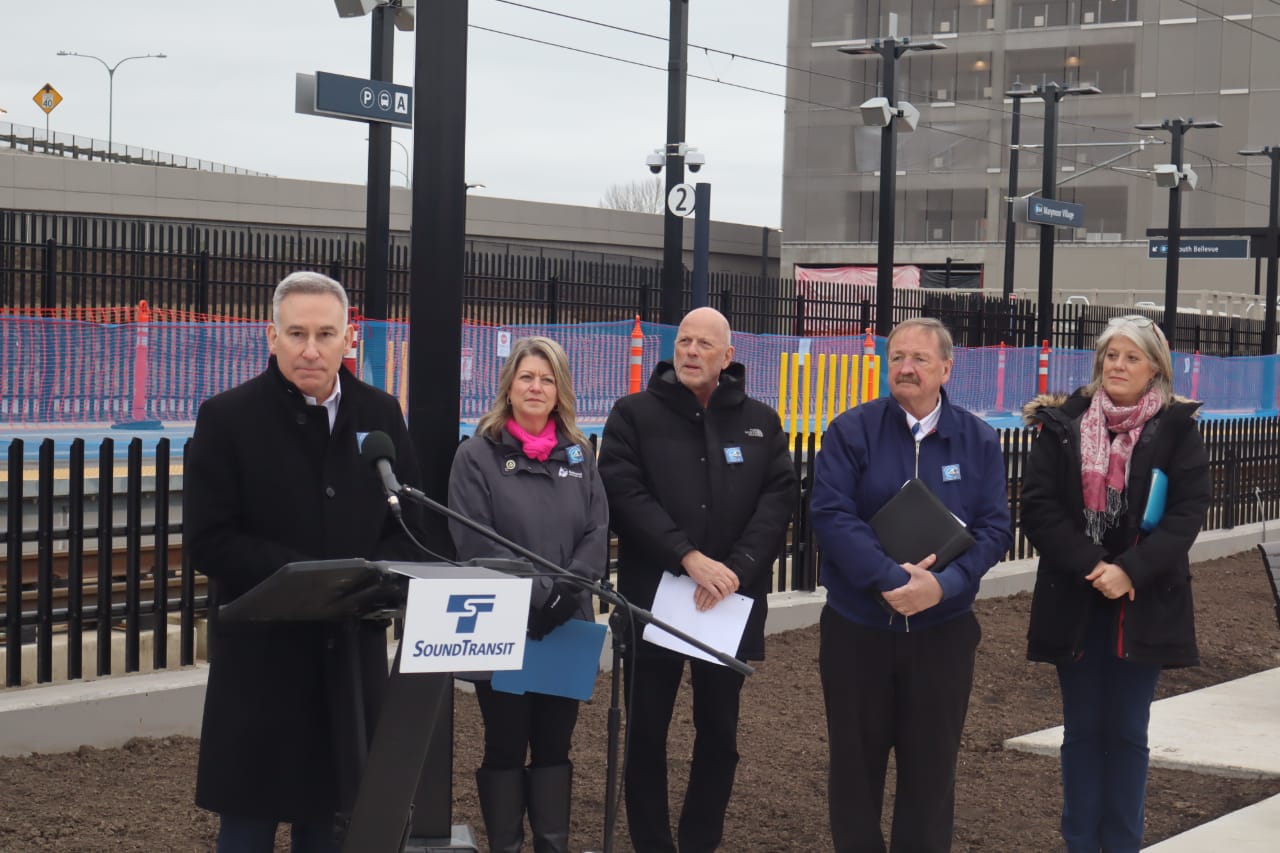
In mid-January, Seattle Mayor Bruce Harrell announced the city had awarded $22 million in grants to 42 organizations as part of the city’s Equitable Development Initiative (EDI), a program launched 2016 to prevent displacement of marginalized communities and help those communities reduce disparities and build generational wealth. It was one of the first programs in the nation to dedicate significant dollars to programs designed to address systemic racism, funding more than $116 million in grants since its inception.
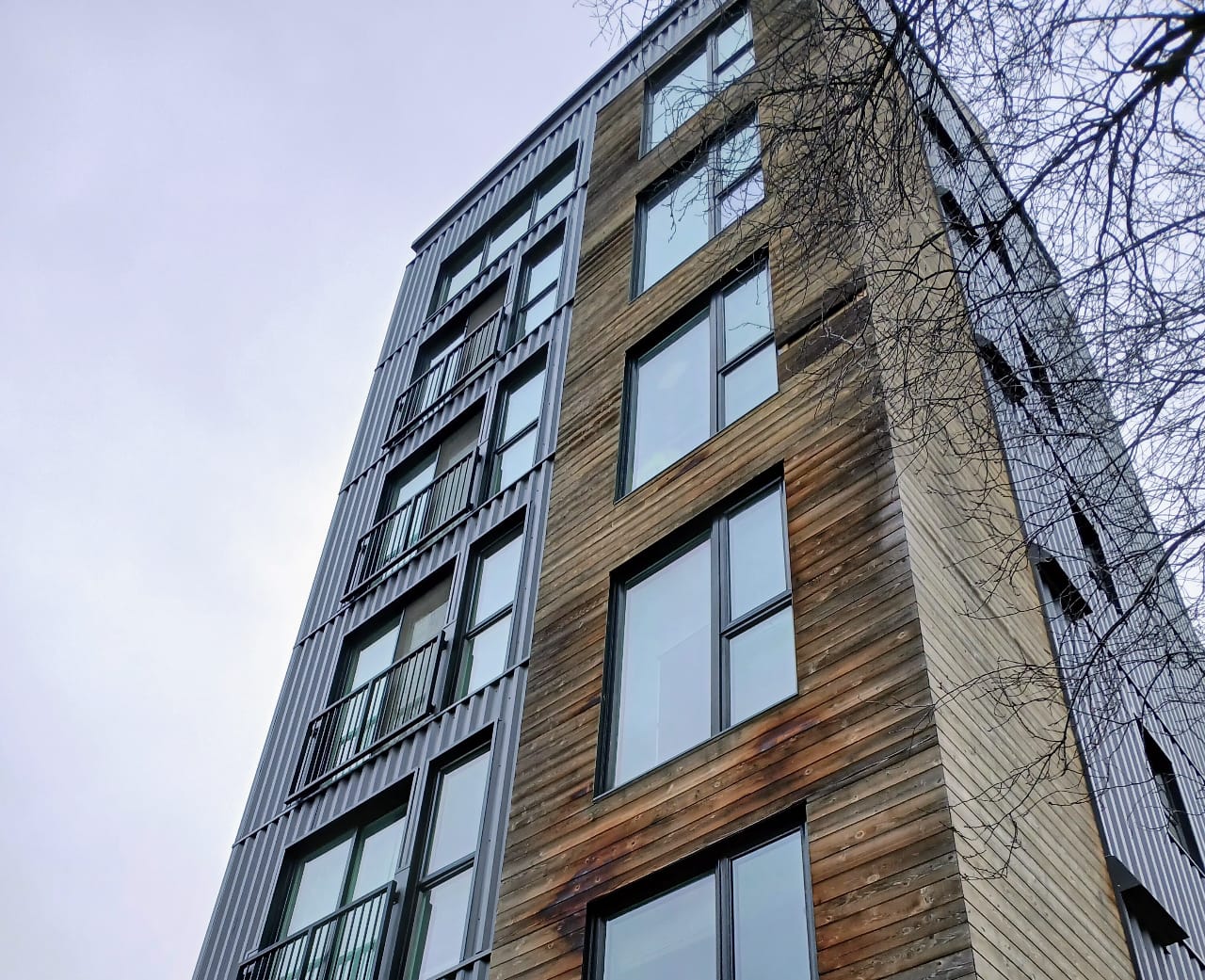
EDI funds a variety of capital-based initiatives, including affordable housing, community centers, arts and cultural spaces, child care and education centers, and outdoor spaces and environmental remediation. The program relies heavily on partnerships with community-based organizations and is managed by the Office of Planning and Community Development (OPCD).
Seattle’s EDI program was briefly in the crosshairs of Councilmember Maritza Rivera (District 4) last fall during the council’s search for programs to cut or reduce spending on in order to address a $240 million deficit. Rivera initially insinuated the program was poorly run and too slow in delivering results.
Rivera’s attempt to place limits on the program didn’t succeed, and she walked back her criticisms as community groups pushed back. Still, the program could fall victim to cuts in future budget cycles, with centrists like Rivera and Council President Sara Nelson pledging to trim programs rather than raise taxes.
OPCD Director Rico Quirindongo said that even though the 2025-2026 budget cycle was “a difficult time for the city,” he portrayed Harrell as “very committed to and excited about this program. He is passionate about what he sees related to the program affecting positive change and positive support for our diverse communities.”
Harrell’s final budget passed by the council increased EDI funding to $26 million for 2025.
“Our city is steadfast in its commitment to delivering real results for communities disproportionately impacted by displacement,” Mayor Harrell said in a press release announcing the grants.
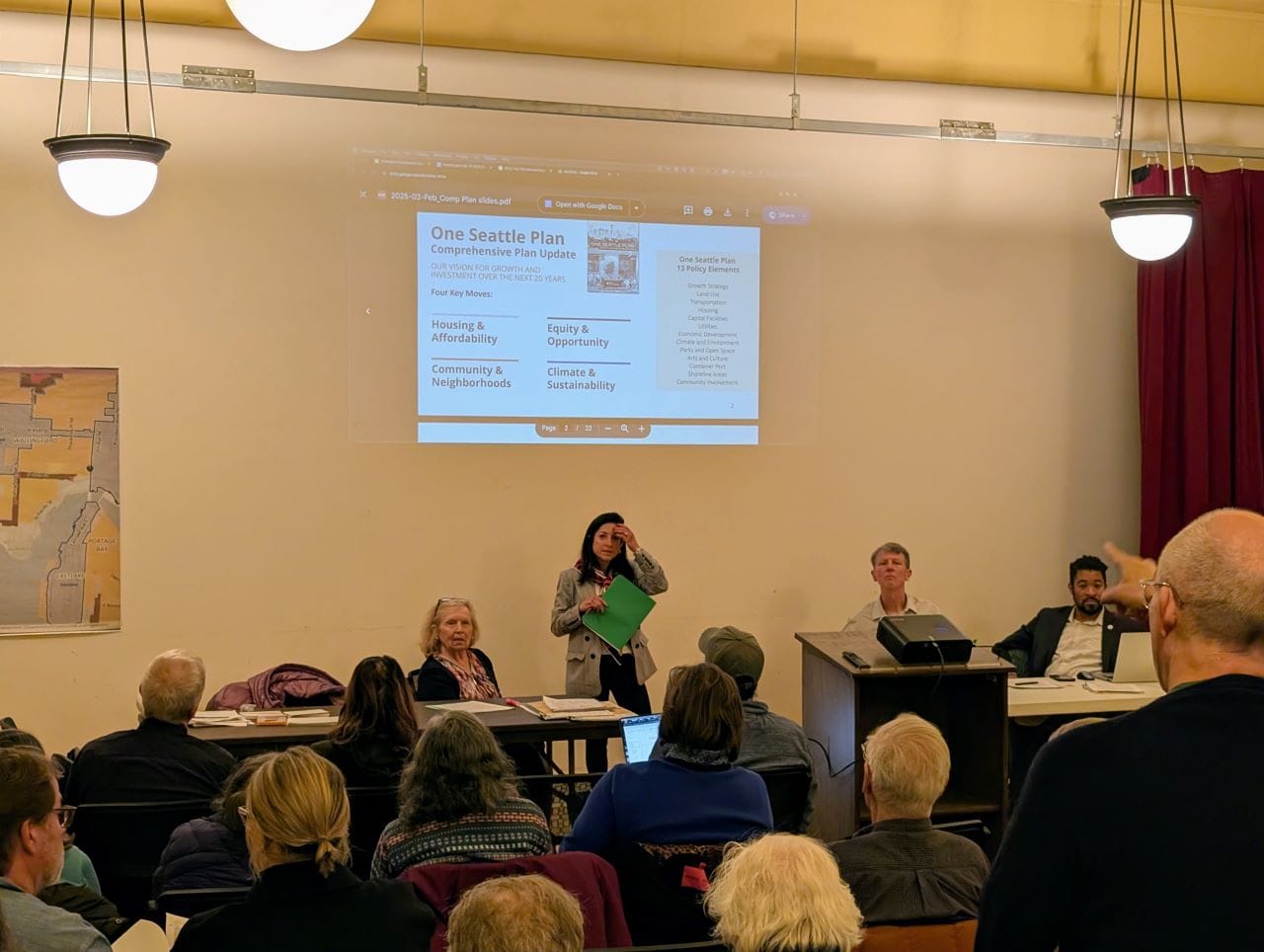
However, as reported by PubliCola in April, the Harrell administration removed more ambitious plans for new anti-displacement programs from its early drafts of the One Seattle Comprehensive Plan – so EDI remains the city’s primary tool for meeting its racial equity goals.
The lion’s share of the current EDI funding cycle is intended to help existing partners complete capital projects or build their organizational capacity, EDI director Jenna Franklin said. “We’ve heard a lot of feedback about the need to help people close funding gaps,” Franklin said, noting that OPCD also increased technical funding to assist organizations navigate the world of nonprofit management and fundraising.
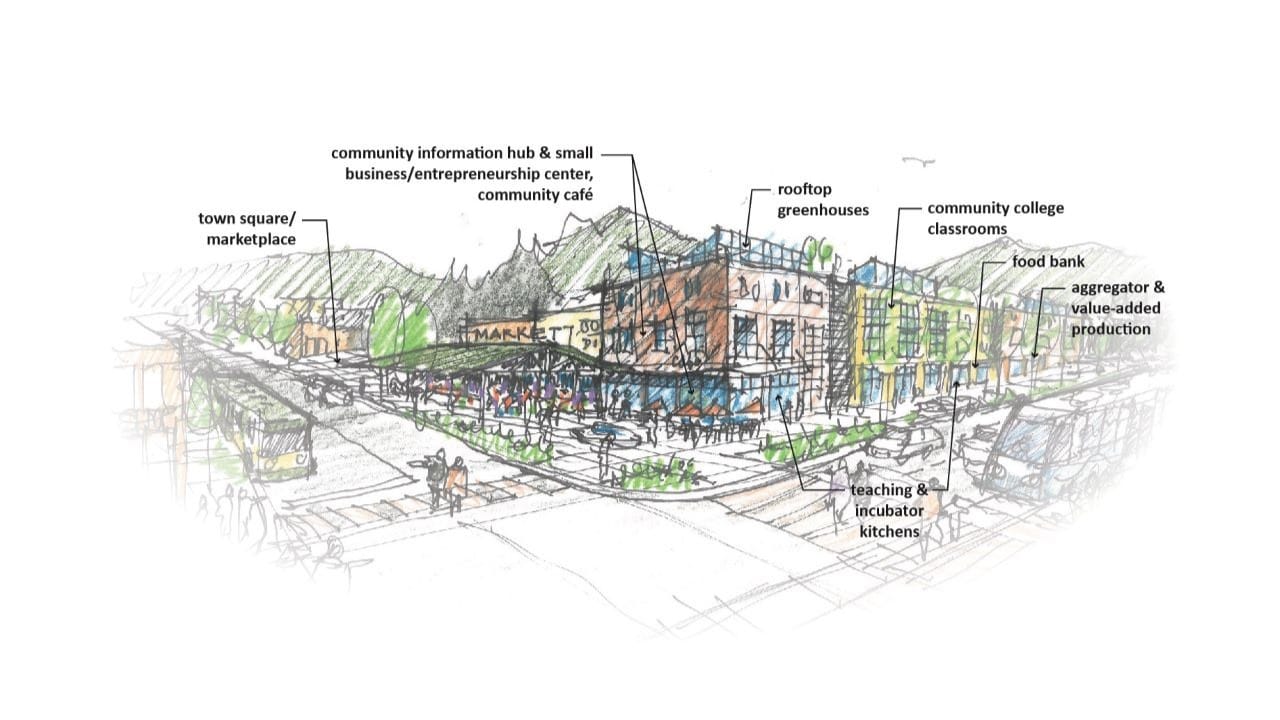
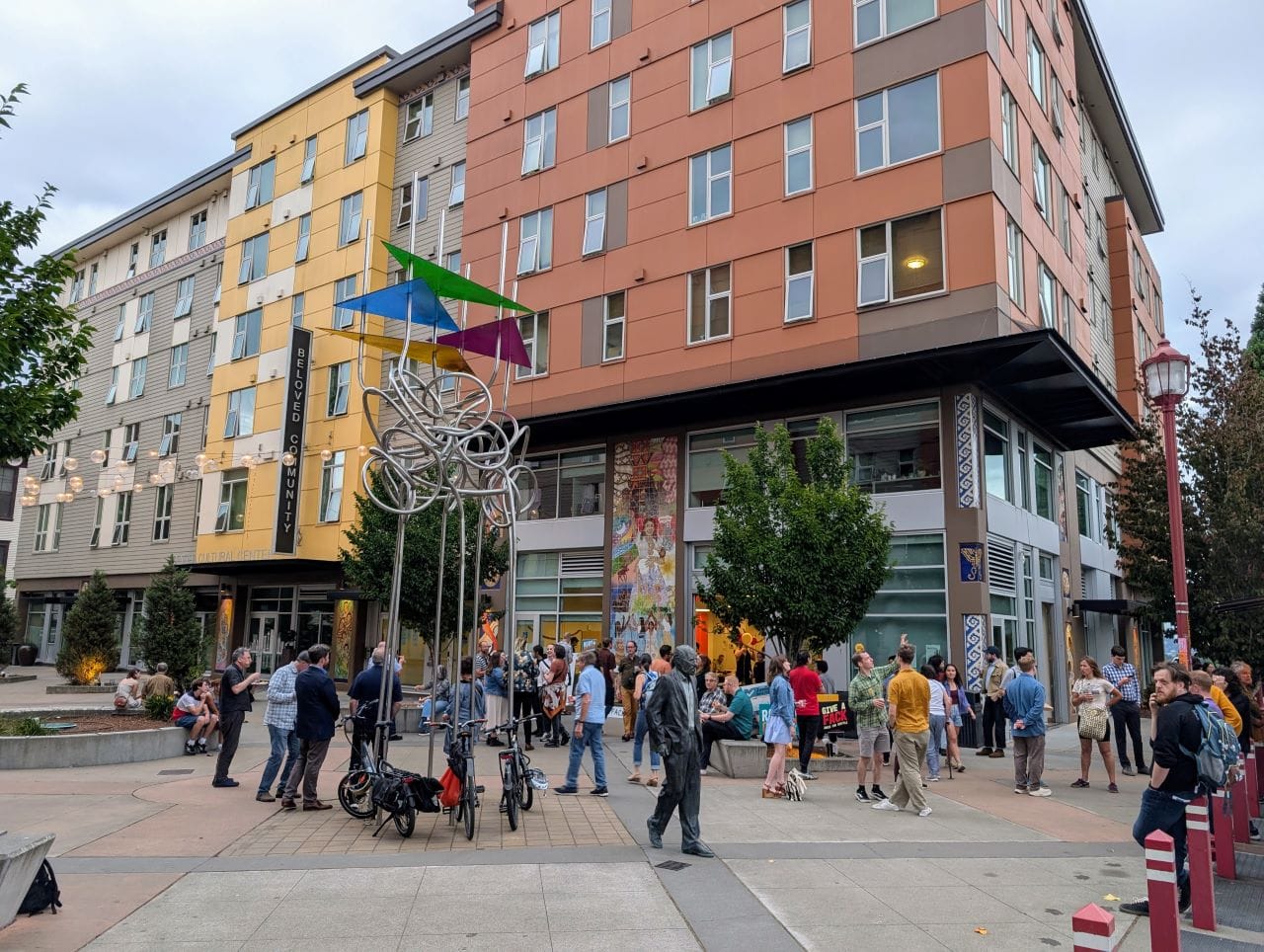
The list of this cycle’s capital grant recipients, which generally range from $300,000 to more than $1 million, is loaded with prominent projects in predominantly communities of color across Seattle, including Africatown Community Land Trust (completing the Africatown Plaza development), Cham Refugees Community (completing a Cham community center), Rainier Beach Action Coalition (completion of the Food Innovation Center), the Somali Health Board (assisting construction of the Somali Community Cultural Innovation Hub), and Trans Women of Color Solidarity Network (to build House of Constance, a place for housing and support for trans and queer people of color).
In addition, in this cycle, OPCD awarded smaller capacity-building EDI grants in the $35,000 to $150,000 range to wide variety of organizations, including ARTE NOIR (to support building a recording studio); Wa Na Wari (capacity building for the Central District arts space); Friends of Little Saigon (in support of the Little Saigon Landmark housing and community space); and Duwamish Valley Sustainability Association (to help create a demonstration biofuel systems project).
EDI is funded largely by the JumpStart Tax on high wage earners at large Seattle companies – by law, 9% of JumpStart revenue was designated toward EDI — though subsequent mayors and council have raided the JumpStart fund for other priorities, depleting resources for EDI and affordable housing investments.
Franklin said that the EDI program is an integral part of the city’s strategy to combat displacement and helps grassroots organizations develop the skills, knowledge and reputation to attract other funding. She notes that Chief Seattle Club, prior to receiving an EDI grant, had difficulty even getting meetings with funders.
“They told us: ‘We got laughed at, we got hung up on. We’d finally get a meeting and no one would really listen. We’d get 15 minutes and then be told to leave,’” Franklin said. “Then they got their EDI award, and suddenly people were willing to take the meeting, and they ended up building affordable housing and a community-serving space that has health clinics and all kinds of other amenities.”
The latest round of EDI funding comes as the Trump administration is rapidly shutting down, erasing, and de-funding anything in the federal government associated with diversity, equity and inclusion (DEI) programs directed at combating systemic racism. Quirindongo made it clear that the federal government provides no funding to Seattle’s EDI program.

Franklin believes EDI is needed more than ever in the current political climate. “The marginalized and socially vulnerable populations that our organizations primarily serve or exist to support are the populations who are most impacted by all forms of oppression and all sorts of regressive policies.”
Franklin also noted the durability of the groups funded through EDI, noting that of 77 projects admitted to the program, 75 are still operating. “Our grantees are completing their projects in roughly the same timeframe as market rate developers,” she said, “while they’re simultaneously capacity building, learning development, and completing a project – which is pretty awesome.”
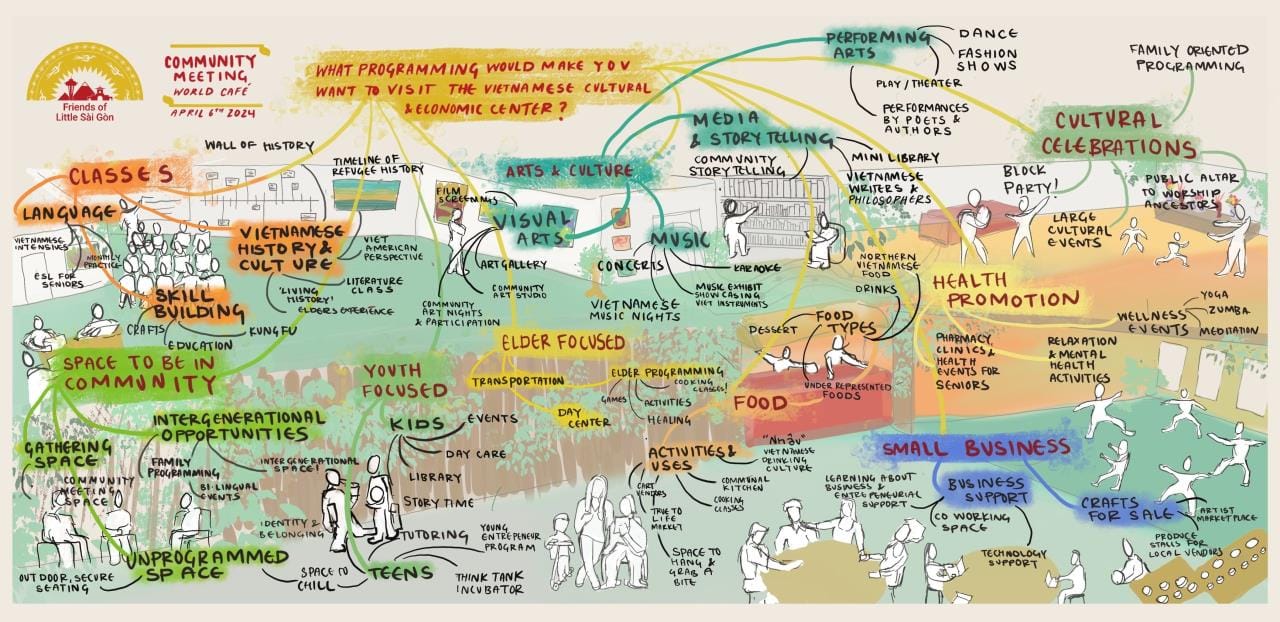
Quynh Pham is executive director of Friends of Little Saigon, which received a $75,000 EDI grant to help complete the Little Saigon Landmark Project, a cultural and economic center for Seattle’s Vietnamese American community. Pham said that her organization, which first envisioned the center more than 10 years ago, was an early participant in the creation of the EDI program.
“Before we received any funding, we were actually part of the initial demonstration projects and helped to pilot and launch the EDI program,” she said.
Pham noted that rising real estate prices and rents are putting pressure on the International District’s Asian American population. To address this, the Landmark Project will also include 71 units of affordable housing.

“We’ve lost a lot of our social, cultural, and economic assets in the neighborhood,” Pham said. “So this project is bringing back all those elements. The cultural center will offer small business opportunities, cultural programming and social programming.”
Though affordable housing is critical to addressing displacement, Pham said that EDI supplements existing housing levy funds by favoring projects that strengthen Black, Indigenous, and people of color (BIPOC) communities. “Housing is definitely a big priority,” she said. “But we need resources to support projects like cultural centers and community spaces that aren’t tied to housing, and EDI fills that gap.”
During the city council debate over EDI last fall, Pham co-wrote an editorial defending EDI.
“What is happening in Seattle is a wake-up call to all cities using a racial equity lens to plan for and fund equitable growth and public goods. Other cities and communities across the country must organize and prepare for similar backlash,” Pham and her co-authors wrote.
In January, OPCD released an impact report on the program, noting that “EDI program is a powerful tool for inclusive growth, cultural preservation, and economic development that shifts power into the hands of marginalized communities.” The report found that 90% of EDI grant recipients found additional funding sources outside the program and that 15% of projects are now self-sufficient and have grown beyond the need for EDI funds.
Rainier Beach Action Coalition (RBAC) received a $300,000 EDI grant in this cycle to help complete its Food Innovation Center. The center, located near Rainier Beach’s light rail station, will increase access to local, healthy, organically sourced food in the community. RBAC managing strategist Gregory Davis said the grant will help the organization expand its facility from 4,000 square feet to more than 48,000. The second phase of the project will offer condominiums affordable for families earning between 80% and 120% of area median income, he added.