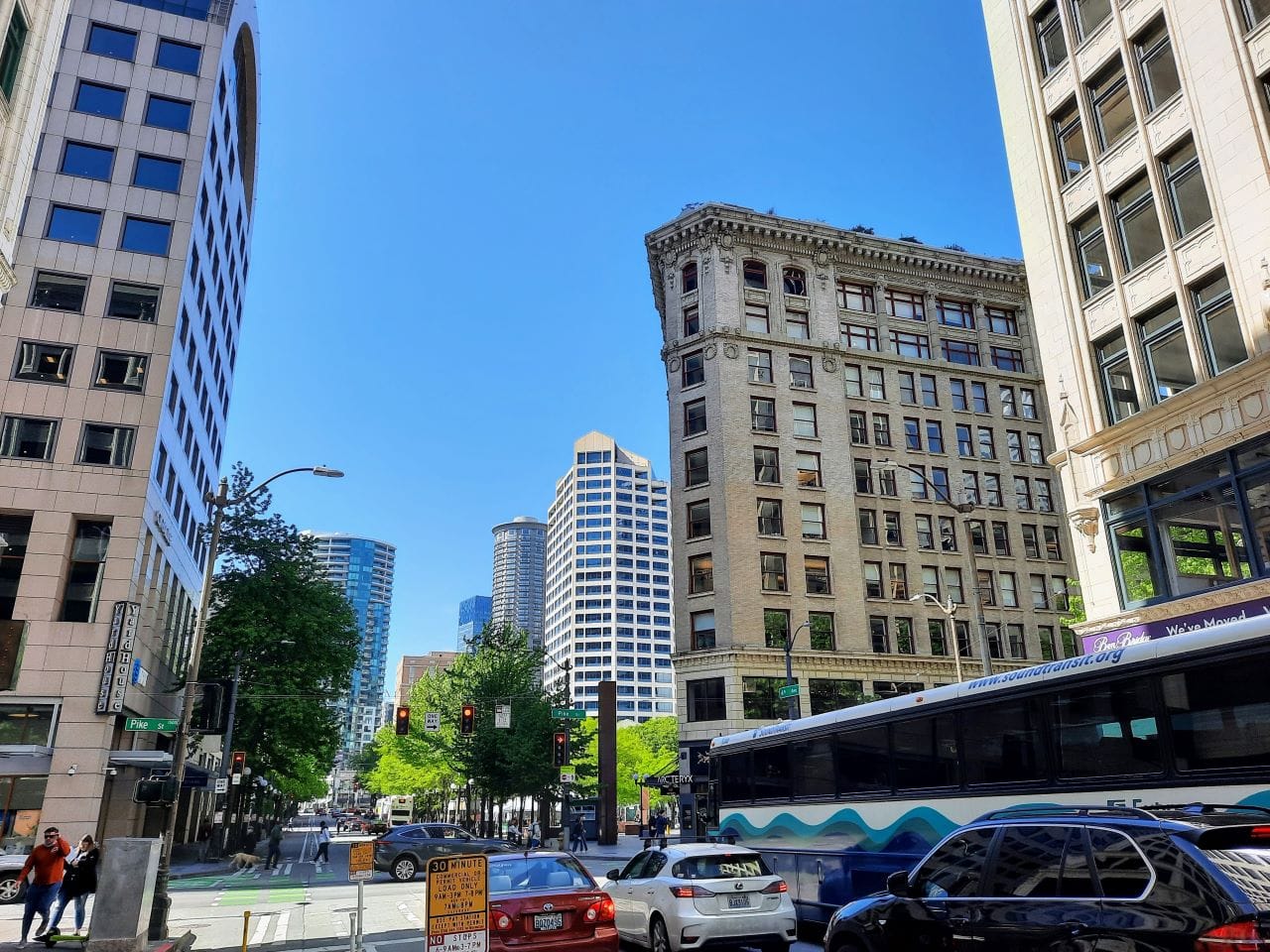
Conservatives keep saying Seattle is dying, but repetition hasn’t made it true. Despite the gloom and doomsday pronouncements, Seattle is very much alive and kicking. In fact, Seattle is the fastest growing big city in America — again — as Gene Balk noted in an FYI Guy column yesterday citing new United States Census Bureau figures showing Seattle hit 769,700 on July 1, 2020 — 2.2% growth year-to-year. It was just 2017 when we crossed the 700,000 mark.
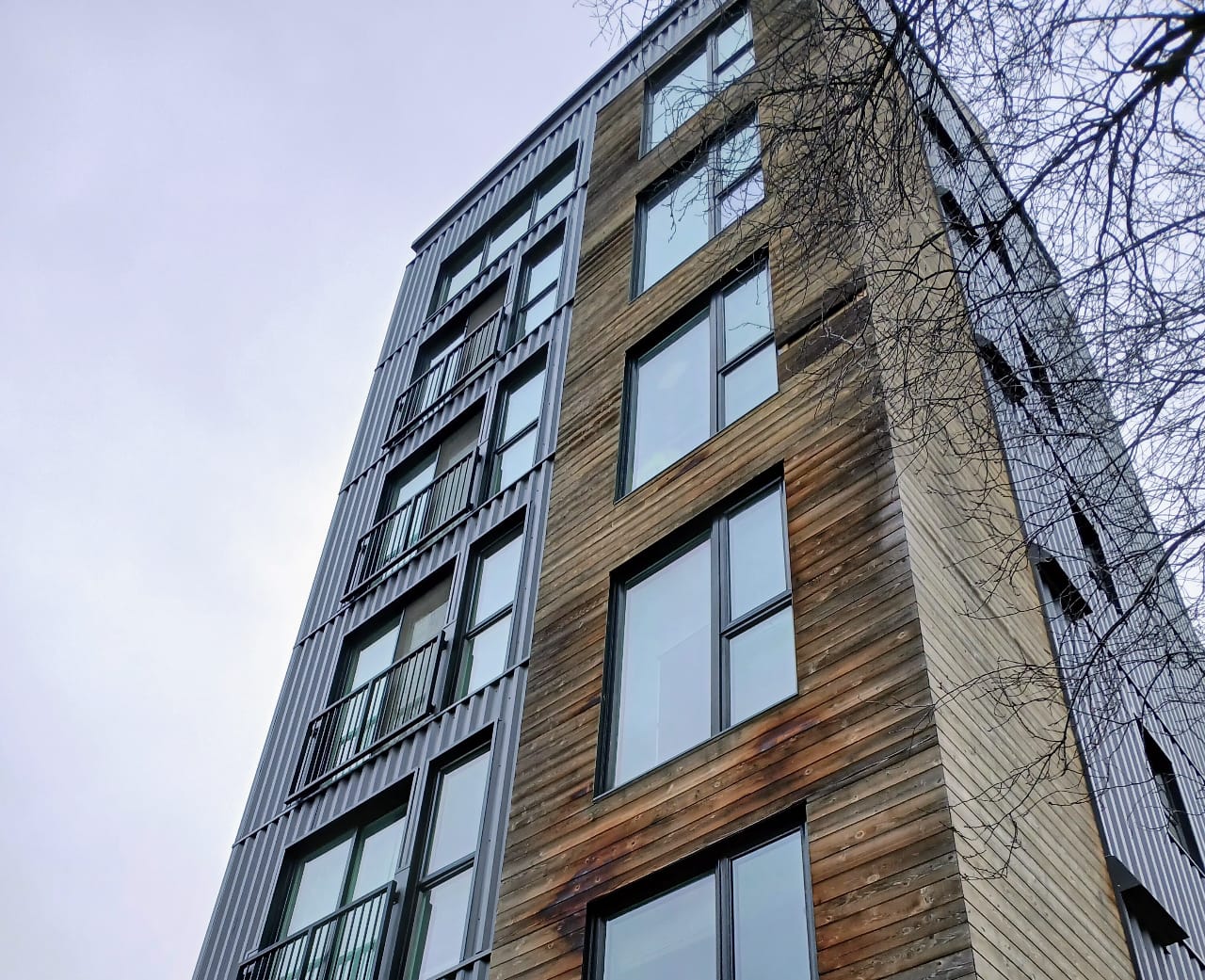
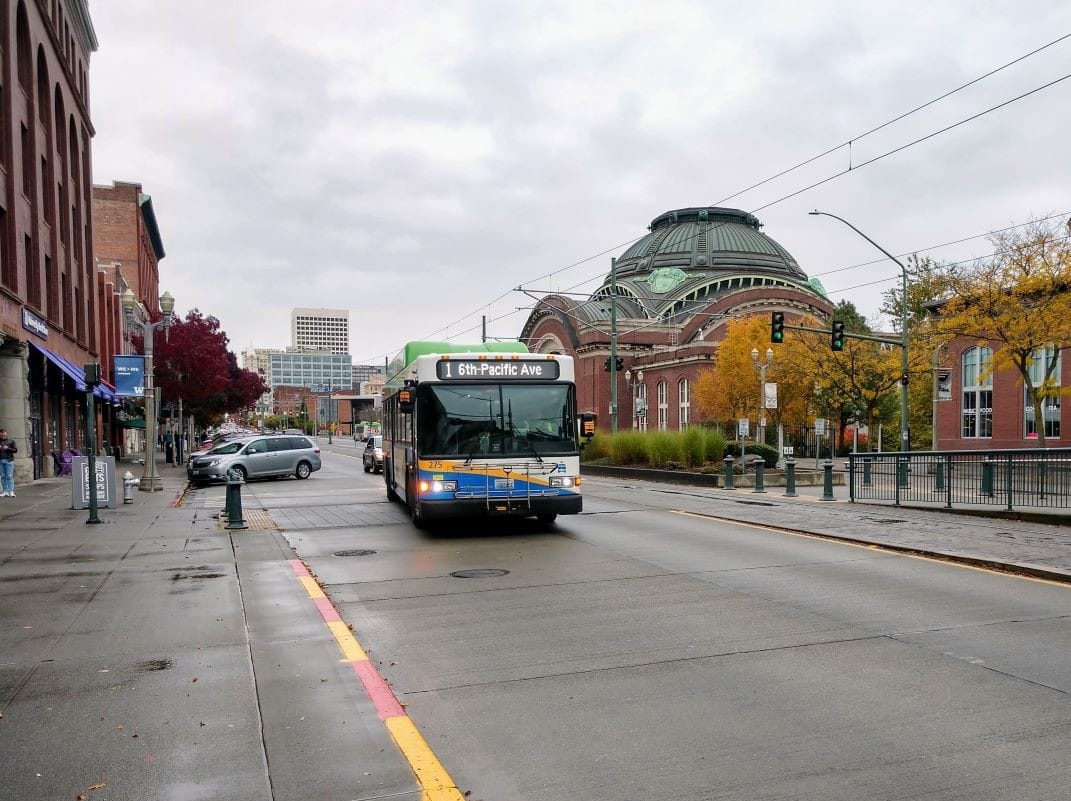
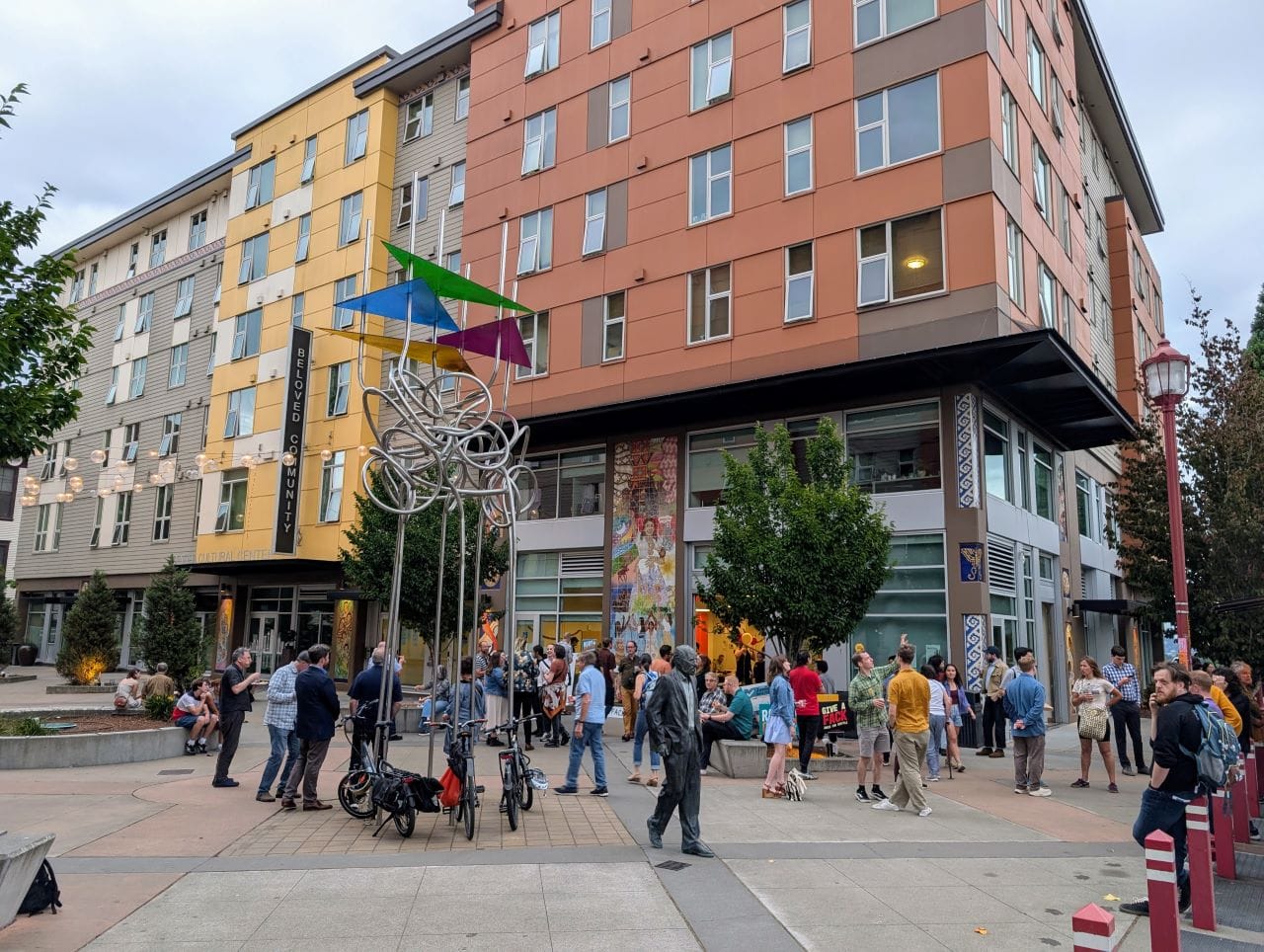
That data is reflected on the ground. Walk around Denny Triangle or Belltown or the University District or First Hill or Stone Way or Roosevelt and the construction cranes envelope you. Thousands of apartments continue to rise. More than that, sidewalks continue to bustle with life. Street cafes have popped up all over the place and added to the ambience and flavor of the city.
Mount Tahoma is still majestic and jutting right where it belongs on the horizon on a clear day. The Salish Sea is still to the west. The Pacific oysters still taste amazing and Atlantic ones still taste like garbage. Three national parks are still in our backyard. Olympic National Park — one of the quietest, wettest, and mossiest places in the country — is still a few hours to the west, as is Rainier National Park to the south and North Cascades Park to the northeast. Meanwhile, Dallas is still as flat and featureless as a cookie sheet broiling in the Texas sun.
As much as right-wing cultists try to conjure an image of a crime-ridden corrupt failing city, the real Seattle just won’t die. I’m sure many Seattleites share my experience: relatives who live far away (especially the conservative ones) trying to explain Seattle is dangerous, disorganized, and falling into chaos based on something they saw on TV or some godforsaken corner of the internet — firsthand experiences of actual residents to whom they are related be damned.