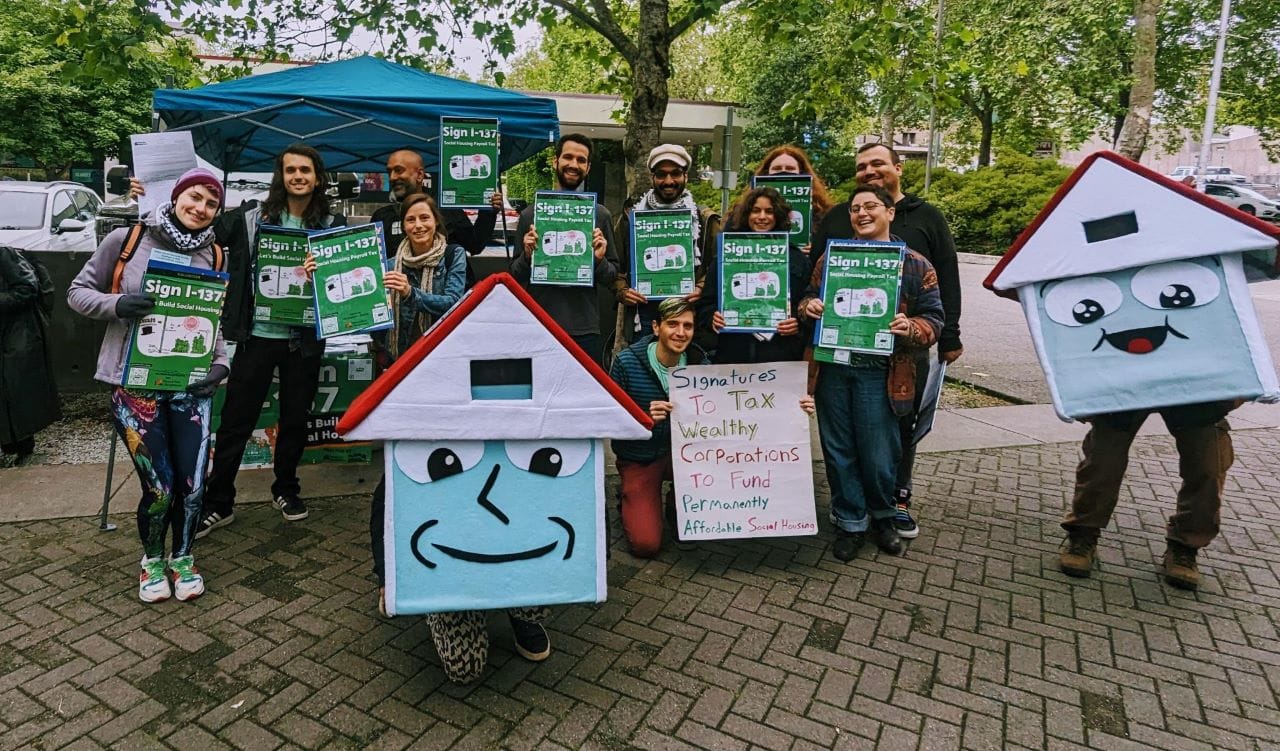
The Seattle Social Housing Developer is riding high after receiving news that its recently voter-approved “excess compensation tax” smashed projections and pulled in $115 million in its first year. Social housing advocates’ priority bill at the state legislature is also making significant progress.
The state House passed House Bill 1687 on February 10, and the Senate housing committee advanced the bill with a do-pass recommendation on Friday. The bill grants social housing public development authorities (PDAs) like Seattle’s additional powers and avenues for collaborations with state and local governments under the Housing Cooperation Law.
Earlier this month, the Seattle City Council unanimously passed the interlocal agreement for the disbursement of the funds from the City to the Seattle Social Housing Developer (SSHD). That gives the developer the funds it needs to begin purchasing properties and fulfilling its mission of delivering affordable housing using a new mixed-income model.
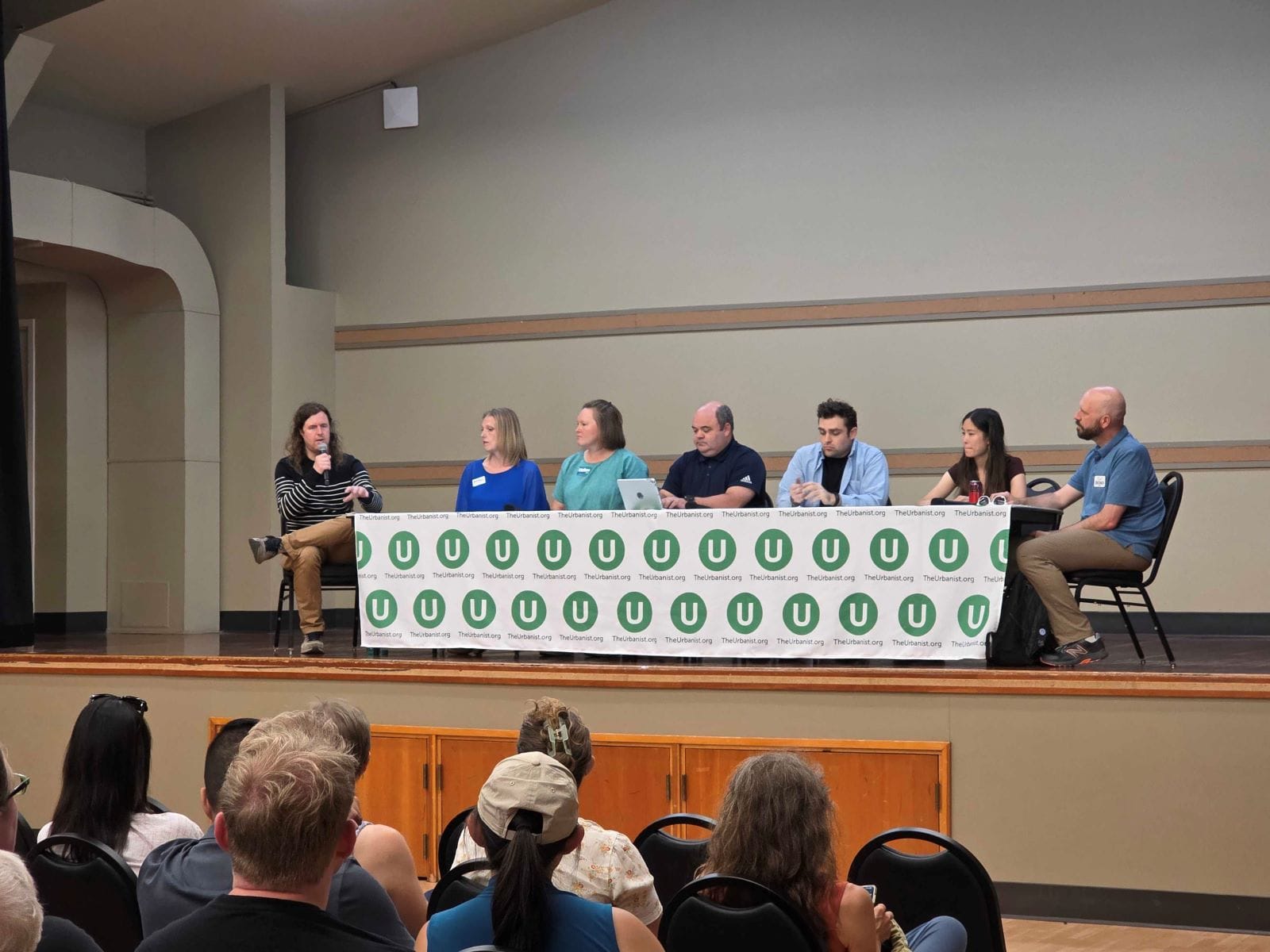
House Our Neighbors, the advocacy nonprofit behind the ballot measures, hosted a summit on February 11 to celebrate their progress. Speaking at the event, Seattle Mayor Katie Wilson stressed the importance of taxing the rich to invest in social infrastructure.
“This city is filthy rich. There’s a lot of wealth here. There’s a lot of money here,” Wilson said. “We continue to have one of the most regressive tax systems in the country, in the state, and it is very gratifying to know that we’re going to be able to use a little bit of that wealth and put it to work building housing.”
The excess compensation tax levies a 5% tax rate on companies for the portion of annual compensation that exceeds $1 million per employee. Clearly, Seattle had more high earners pulling in more than a million in compensation annually than the City’s budget office had projected. Officials have cautioned that the tax will fluctuate significantly year to year, with spikes in the stock market driving up revenue, and crashes doing the opposite.
The spate of news is a welcome sign of a momentum for a fledging agency that just went through a major leadership shakeup. In January, the SSHD board’s ousted former CEO Roberto Jimenez, citing frustration with his leadership style and alleged refusal to relocate to Seattle from California. As interim CEO, the board appointed Tiffani McCoy, who left her post at co-executive director of House Our Neighbors.

McCoy lacks development experience, but she has pledged to surround herself with people who do. She is trusted among social housing advocates after leading campaign victories.
As an organizer herself, Wilson noted that grassroot organizing spearheaded by House Our Neighbors led to this victory — not leadership from establishment politicians, who largely opposed the measure at the prodding of the Seattle Metropolitan Chamber of Commerce. Although she didn’t name names, she alluded to her predecessor and campaign opponent, Bruce Harrell, who became the face of the opposition campaign to the tax measure.
“Seeing establishment politicians line up in opposition to raising progressive revenue for mixed-income, permanently affordable, publicly owned housing, while the public overwhelmingly supported it, showed this fundamental mismatch. People saw what was needed, but a lot of people were committed to business as usual,” Wilson said. “Voters saw through it, and so here we are today.”