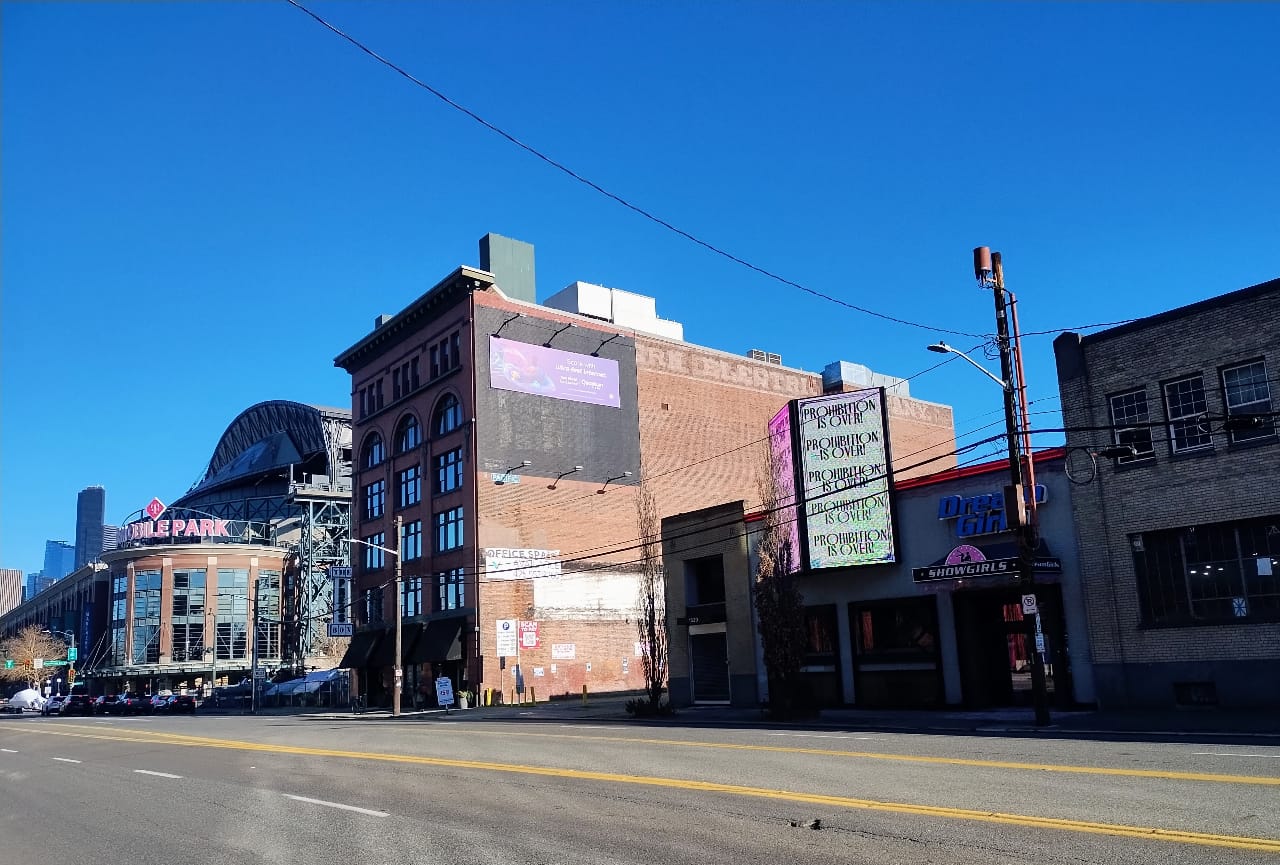
Earlier this year, the Seattle City Council voted to allow residential uses on a slice of industrial land near SoDo’s sports stadiums, but the move has officially been invalidated by a state hearings board, following an appeal by the Port of Seattle and BNSF Railway. The bill, sponsored by Council President Sara Nelson along with Pioneer Square neighborhood advocates and stadium boosters, had restarted a debate about allowing more housing in Seattle’s industrial areas.
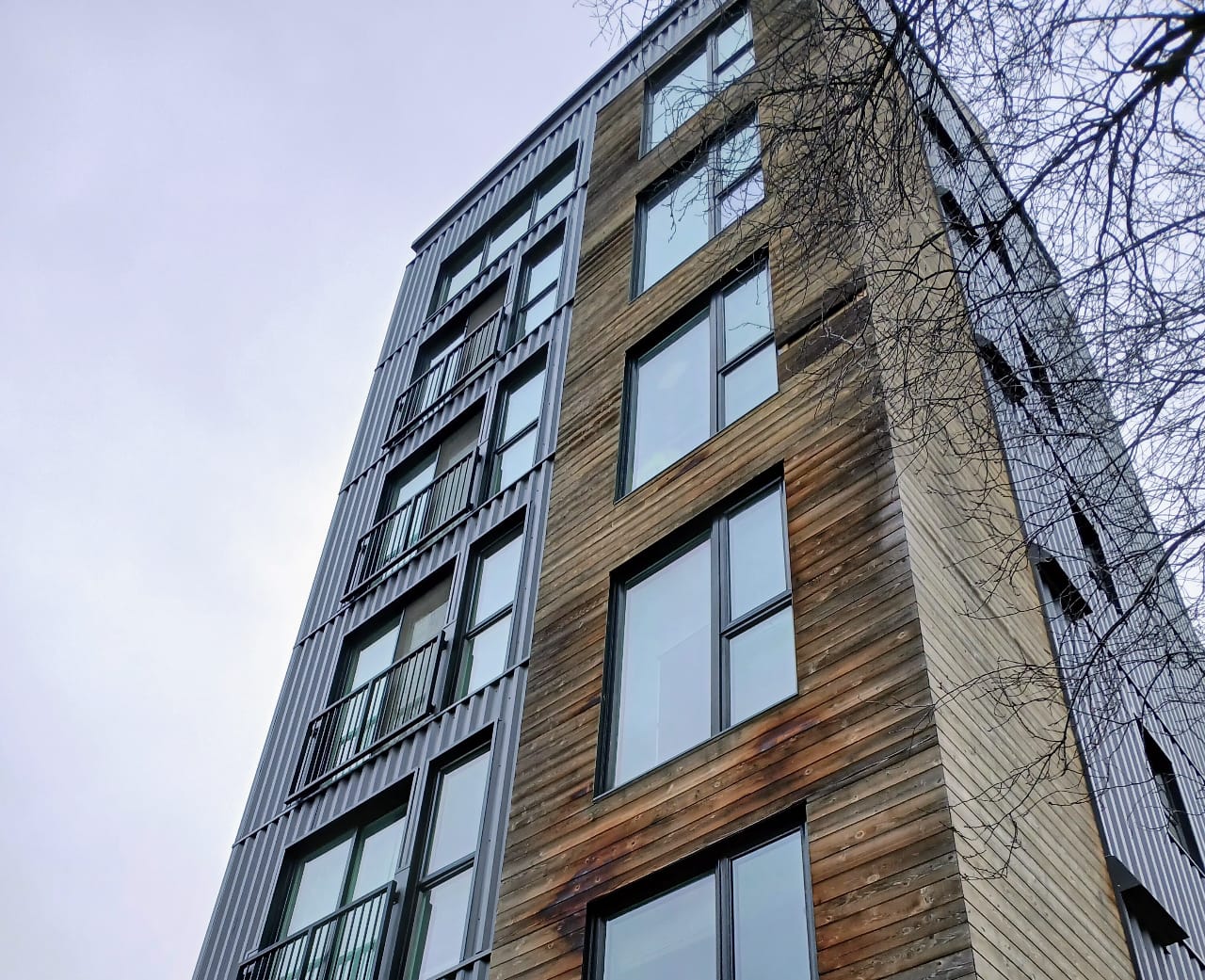
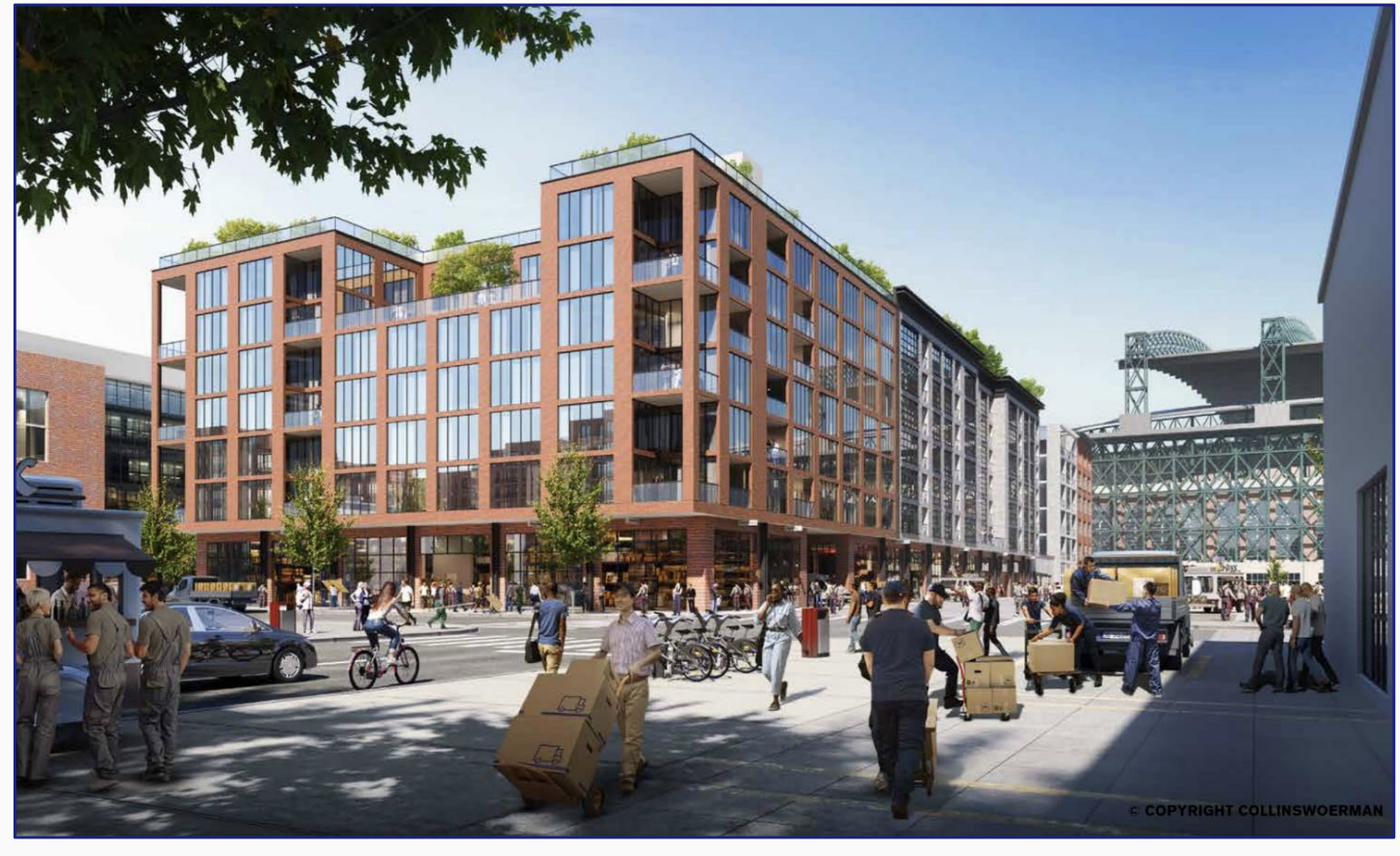
As sold by its proponents, the vision behind the zoning tweak was a potential “Maker’s District,” with smaller, more affordable industrial spaces that become feasible to develop with residential uses above. Under city code, half of new apartments in Urban Industrial (UI) zones like the stadium district one have to be set aside as affordable to households making anywhere from 60% to 90% of King County’s median income. Because of that, Nelson and her allies touted the bill’s passage being as a major win for affordable housing in Seattle.
But with significant freight corridors in the area including First Avenue S, Edgar Martinez Drive, and Royal Brougham Way, the council needed to repeal an existing prohibition on residential uses within 200 feet of a major truck street in this area — corridors that tend to be the city’s noisiest and most dangerous. The Port of Seattle and BNSF appeal called the city council’s process “hasty and irregular.”
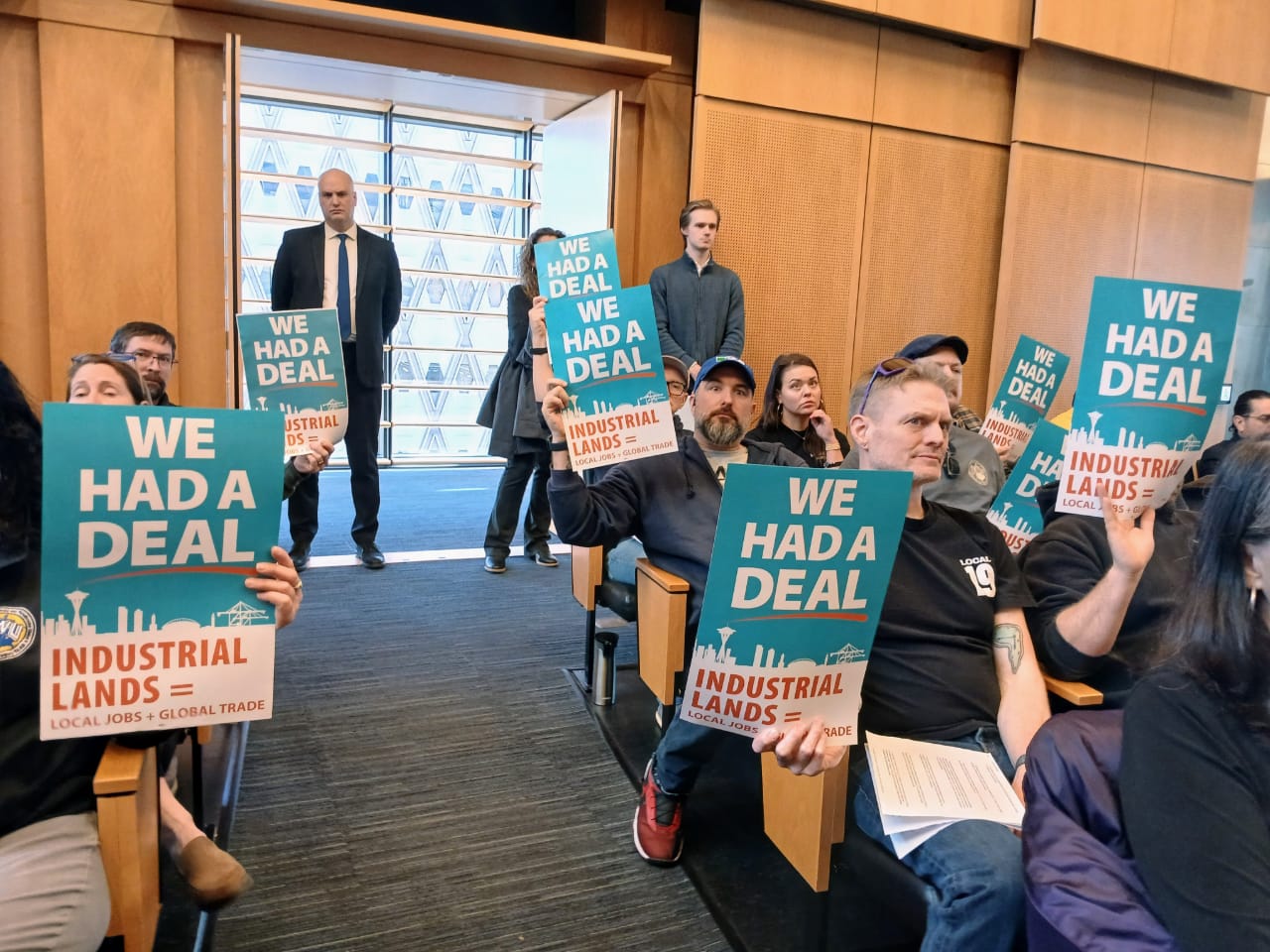
Specifically, the appeal contended that the City had skipped over several requirements under state law to complete such a change, and that the environmental review conducted was not specific enough to understand the impacts of allowing hundreds of new homes in this specific area, close to some of the Port’s biggest container terminals.
In agreeing, the ruling by the Growth Management Hearings Board (GMHB) lays out multiple “failures” on the part of the City of Seattle ahead of a final 6-3 council vote on March 18. They include unmet public participation requirements under the state’s Growth Management Act (GMA), a requirement to provide the state’s Commerce Department 60 days to comment on the proposal that was bypassed, and violations under the State Environmental Policy Act (SEPA) when it comes to review of potential impacts.
Rather than sign or veto the ordinance, Seattle Mayor Bruce Harrell left it unsigned, allowing it to take effect this summer and letting the city council take full ownership for the change.
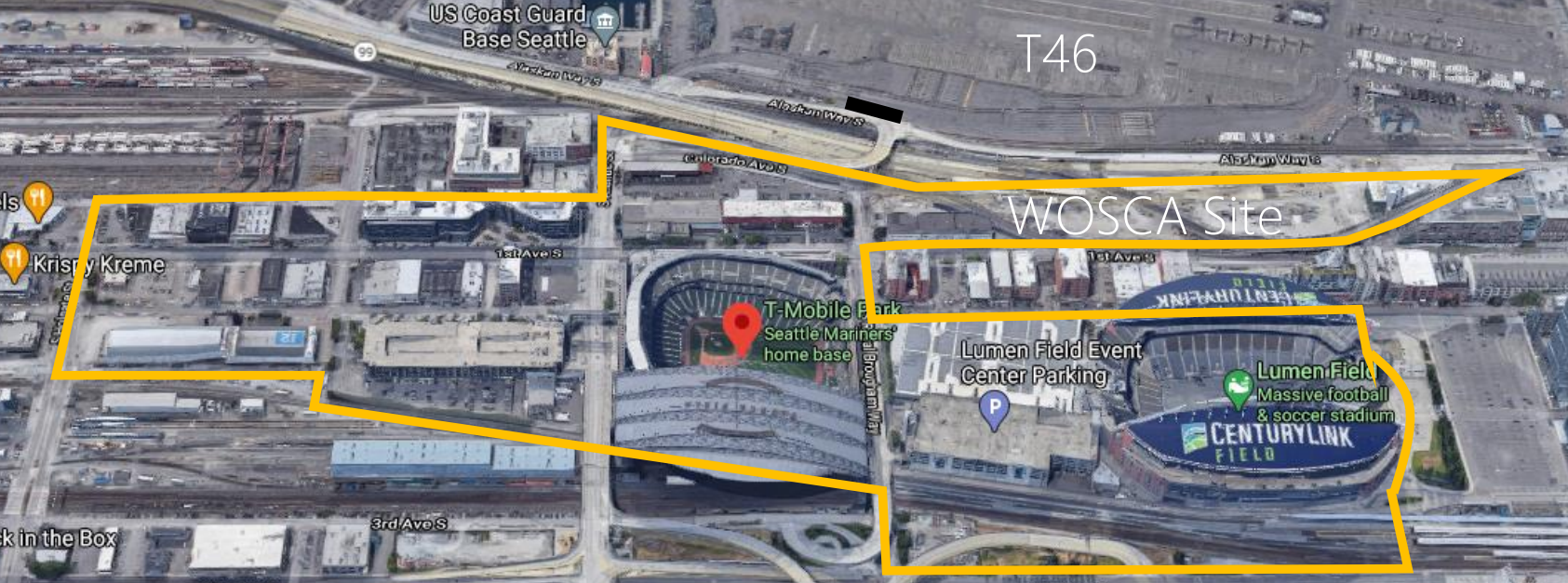
Notably, the board ultimately concluded that the 990 potential units of housing touted by both supporters of the bill and its opponents is overinflated, and that it would only be likely to produce around 375 units of housing within the vicinity of First Avenue S, given the limited number of parcels that would be impacted. While the stadium transition overlay district includes around 53 acres apart from the stadiums themselves, the board found that only around 7.5 of those acres are developable.
The board also found the city relied on the 2022 Environmental Impact Statement (EIS) for a broad citywide industrial land reform, rather than conducting a separate analysis of the impact of Nelson’s bill more specifically. The city also did not complete a required Director’s Report laying out public comments received on the bill and how it was responding to them.
“There is no evidence in the record that the City considered the maximum potential development of property impacted by this Ordinance, let alone in a concentrated area. Nor is there evidence in the record that would demonstrate the City considered the environmental impact of placing 375 residential units in a liquification prone zone,” the ruling states. “the Board is left with the firm and definite conviction that the City’s failure to produce and consider the required Director’s Report before adopting this Ordinance was clearly erroneous and therefore concludes that the City did not comply with its code and, as a result, the GMA’s public participation requirements.”
The board did dismiss some of the Port’s other claims about the change, including the idea that more housing in the stadium district would have a negative impact on freight mobility and traffic safety in the neighborhood.
“While it is evident that intermodal rail facilities as well as truck traffic accessing the Port facilities rely on the City’s Major Truck streets […] there is an absence of evidence which would demonstrate the Ordinance, by its terms, fail to encourage or otherwise thwarts the goal of efficient multimodal transportation systems or that it is contrary to regional priorities or not coordinated with county and city comprehensive plans,” the ruling states.
Nelson has been touting the stadium district bill as one of her major accomplishments in four years, noting that she had to overcome “significant opposition” to get it across the finish line. That opposition included over 30 state legislators who wrote to the council in late January contending that the change would “likely harm current and future employment opportunities in the region.”
Her SoDo housing move did not appear to sway voters, who broke heavily for former Progress Alliance executive director Dionne Foster. The 25-point loss means Nelson will lose her citywide council seat after one term. Foster won the endorsement of a number of progressive groups, including The Urbanist Elections Committee (of which I am a member).
Port leaders celebrated following the ruling’s release Monday.
“This is a win for international trade, our region’s industrial workforce, and community advocates who stood against housing injustice. It’s disappointing that so many resources were expended fighting this bad policy. This was totally avoidable,” Port of Seattle Commissioner Toshiko Hasegawa said in a statement Monday, posted to her Instagram account. “I hope City leadership will join us in re-centering collaboration over conflict. We can build housing in appropriately zoned areas without compromising trade or commerce. Our communities, workers, and regional economy are counting on us to get this right.”
The City of Seattle could appeal the ruling to a Superior Court judge, or it could go back to square one and check all of the boxes that the growth hearings board says it missed and try and advance the proposal again. But with its biggest champion now heading out the door, it’s not clear that it will be anyone’s priority to advance forward at all.