Some Link light rail stations could see fare gates added by the end of 2026, as the Sound Transit board turns to fare compliance infrastructure as one potential tool to fill a wide budget shortfall set to impact the agency by the early 2030s. A concept that had long been bandied about at board meetings, the idea of conducting a pilot was advanced into Sound Transit’s annual budget by incoming CEO Dow Constantine earlier this year.
Fare gates are a polarizing topic in Seattle transit circles.
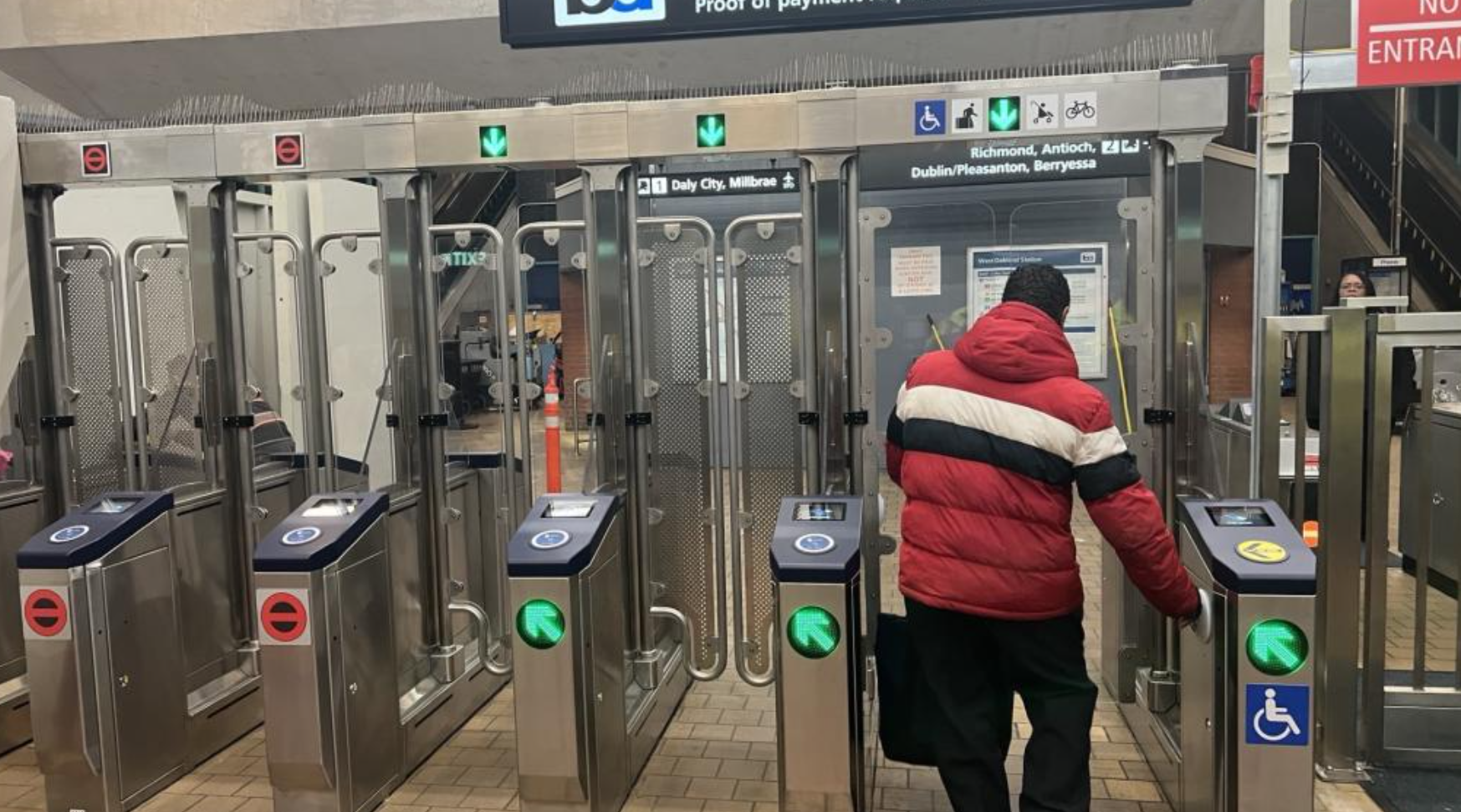
Some advocates see fare gates as an obvious feature for a high-capacity transit system, given the ubiquity of gates on other U.S. transit systems like the New York and Washington, D.C. subways. In recent years, many of Sound Transit’s peer systems have started to upgrade their existing fare compliance infrastructure, moves that have been just as much about responding to potential platform security concerns as they have been about increasing fare revenue.
Other transit advocates have criticized fare gates as an accessibility barrier, on top of being more infrastructure that Sound Transit will be tasked with maintaining on top of infamously problematic escalators and elevators. Some have also raised concerns that gates could deter ridership, and that the sizable investment needed to install them would be better spent on other improvements.
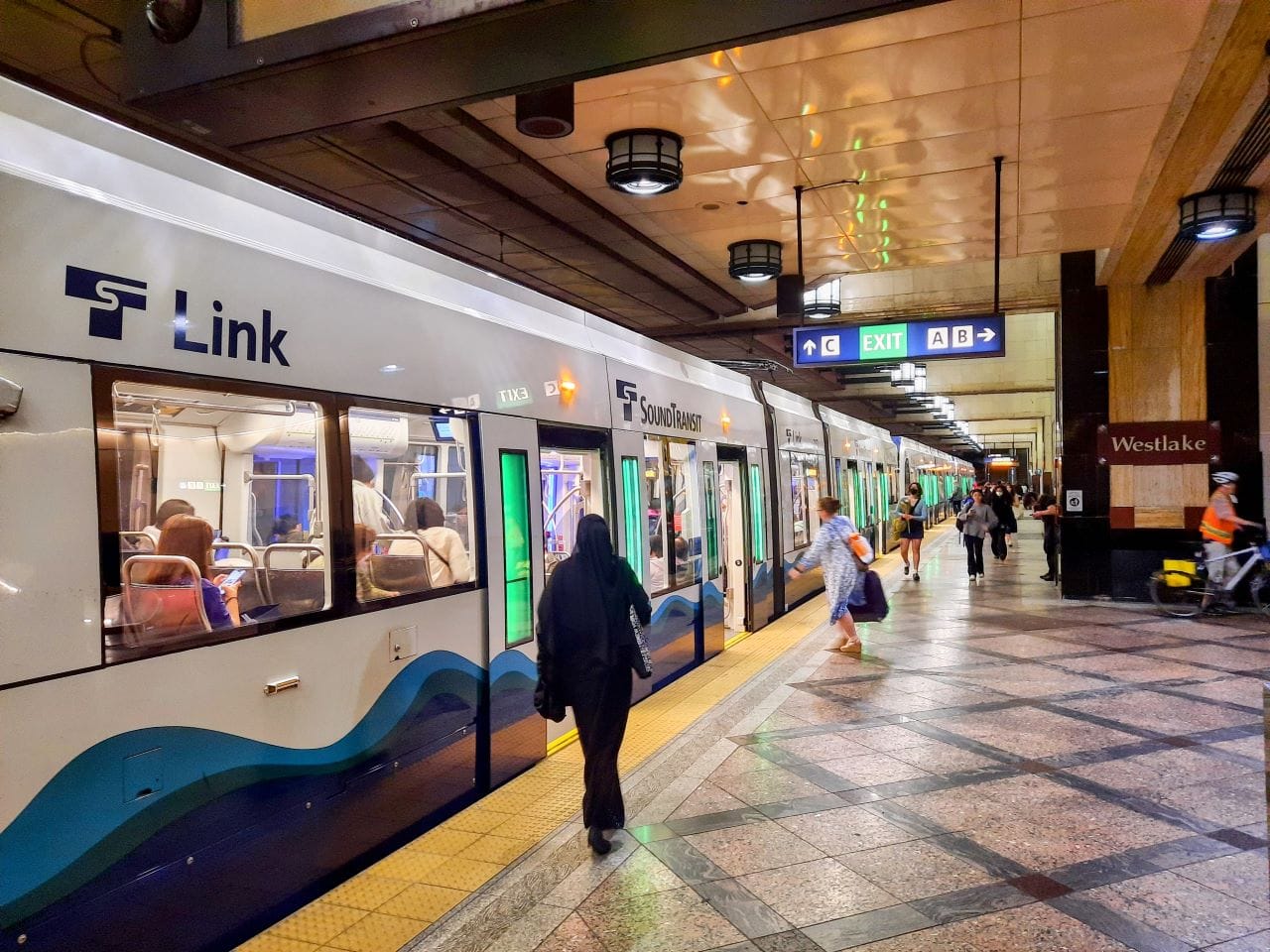
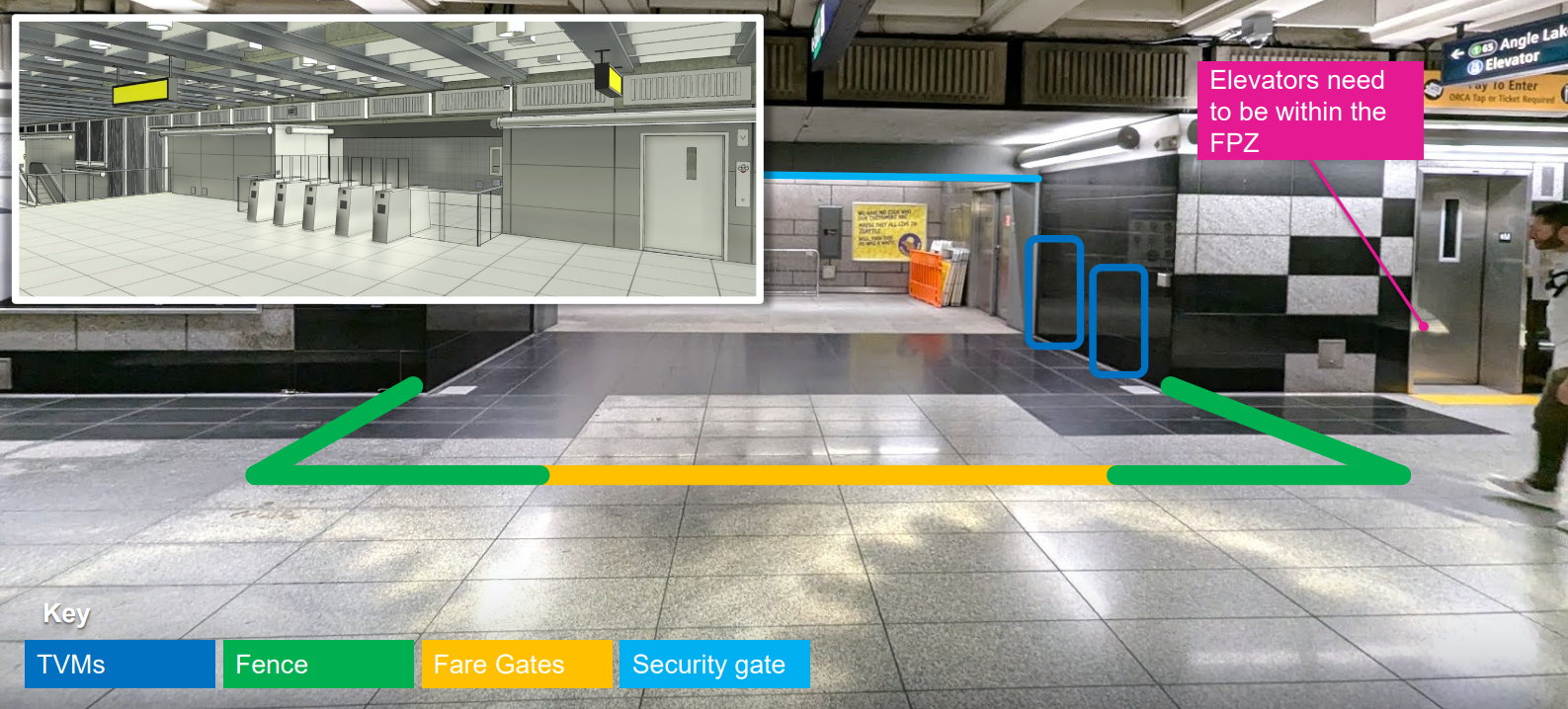
Sound Transit’s existing system relies on riders to tap their ORCA transit cards or buy paper tickets at stations before entering paid fare zones, which are marked with yellow lines in the ground and signage, but no physical barrier.
The board motion advanced Thursday directs staff to prepare yet another study on fare gate implementation, and then determine whether a pilot program is warranted. With the greenlight from the board’s Executive Committee, the motion is heading to the full board next week. The requested study would not lay out how many stations would see gates or where, instead asking for information on “why certain stations are stronger candidates than others, with recommendations based on feasibility, complexity, and station type.”
“Our current system is currently open access, which we all know presents a number of challenges. A few that come to mind for me are: lost fare revenue, inconsistent compliance and equity concerns, frankly, particularly when riders outside our taxing district use the system without paying,” Board Chair and Snohomish County Executive Dave Somers said at Thursday’s meeting. “During major stadium events, a Husky game for instance, we regularly see large numbers of people boarding without a payment or tapping their card, and these are riders who typically have the means to pay a small fare, and a lack of barrier undermines both revenue and equity.”
Somers, who was quick to turn to fare gates following the public rollout of Sound Transit’s full budget issues this past August, clearly sees fare gates as a tool to show to regional residents who don’t use the system that their funds are being well-spent.
“Fom my standpoint, the revenue stream that was adopted for Sound Transit includes a large number of people that are paying into the system that don’t use it, through their car tabs or their taxes,” Somers said. “So, there’s also an equity issue for me on this that I’m interested in seeing if we could balance that out.”
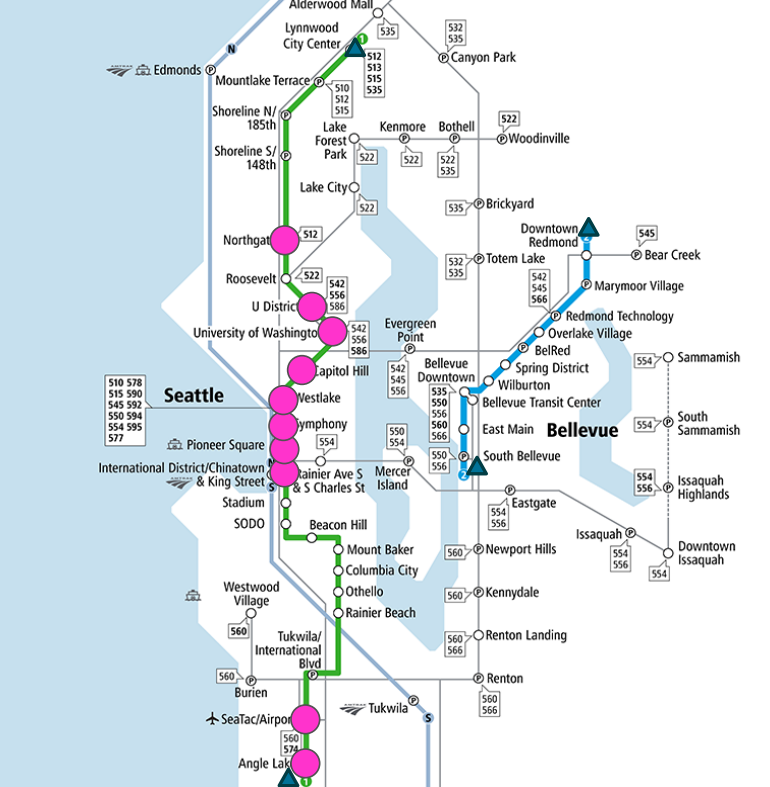
Sound Transit is likely to take a targeted approach to gate installation, rather than retrofitting every existing station. A 2023 study commissioned by the agency found that retrofitting all stations wouldn’t pay for itself after more than 20 years of operation, but that gate installation at the five busiest stations would pay for itself after less than a decade.
In 2024, 83% of riders were heading to just 10 stations during the AM peak period on weekdays, which could provide Sound Transit with a big opportunity to make gains from a small number of retrofits. But with those stations being the busiest, gate outages would also have the potential to be highly impactful on Sound Transit operations.
“What requires further analysis is, what are the right number of stations to retrofit? Which actual stations would be gated? What are the technical challenges and opportunities,” Brian de Place, Sound Transit’s Acting Executive Director of Security & Fare Engagement, told committee members.
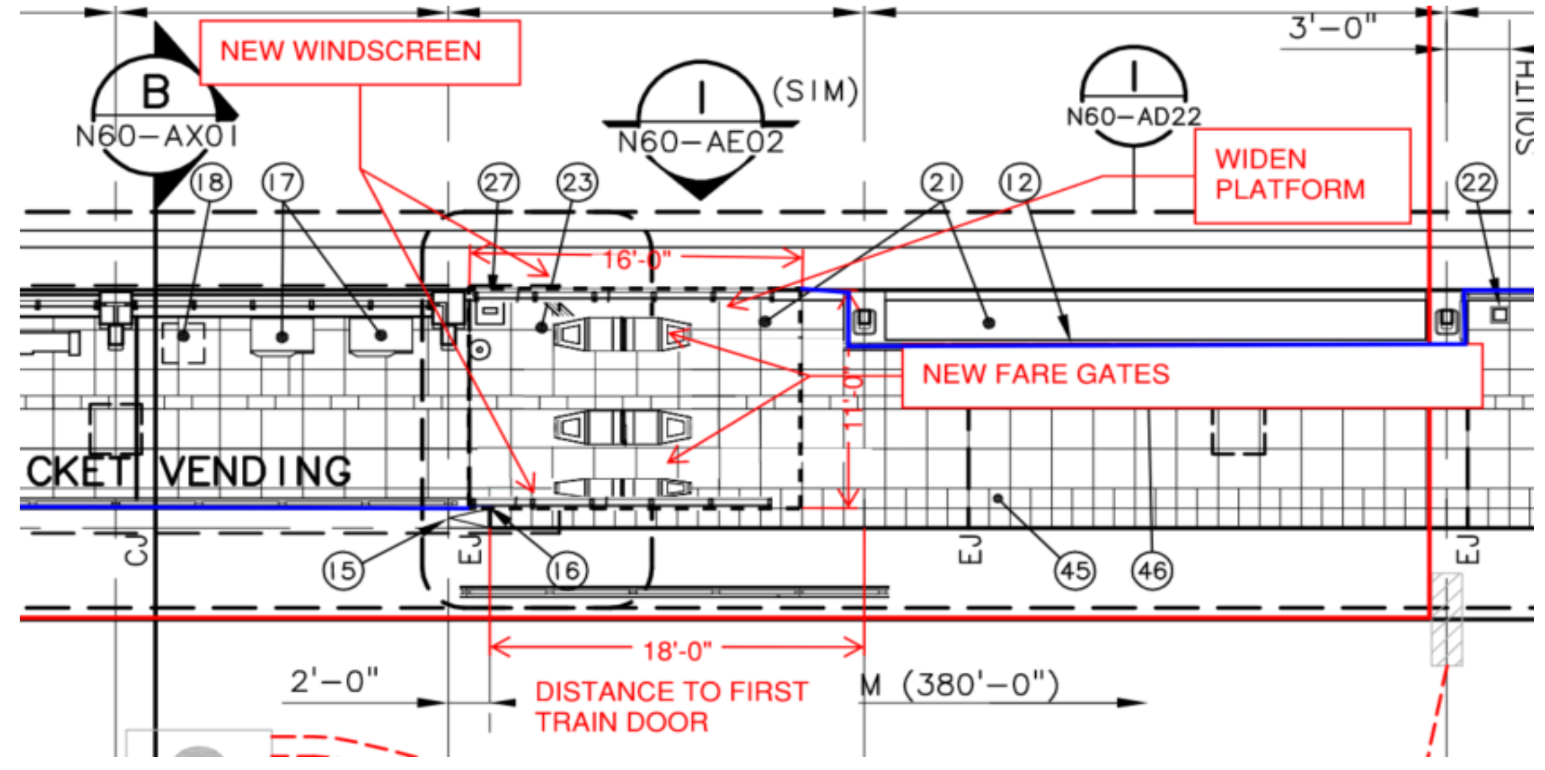
That 2023 study already pegged the cost of adding fare gates to four stations — Symphony, Northgate, Othello, and the University of Washington (UW) — at $61.5 million. In addition to installing the gates themselves, those costs come from needed infrastructure that might not immediately be apparent, like fire sprinklers in the Downtown Seattle Transit Tunnel (DSTT), and new lighting and communications infrastructure. The cheapest station to add gates to was Northgate ($12.2 million) and the most expensive was UW ($18.1 million).
At Othello Station, the station platform would likely need to be widened to accommodate the installation of gates, but even with that widening, the study noted feasibility concerns when it comes to minimum egress requirements. All of Sound Transit’s at-grade stations along MLK Jr Way S, like Othello, are already getting pricey upgrades to accommodate pedestrian gates — a separate set of infrastructure between pathways and tracks intended to increase safety around trains. It’s highly likely that a gate pilot would bypass the Rainier Valley for those reasons.
Most likely, fare gates would not mean a reduction in the amount of staff that Sound Transit currently employs to enforce fare compliance. Just 44% of the work hours logged by current fare ambassador staff are spent on fare enforcement work, with a significant amount of their time spent assisting riders and helping with disruption support. Thursday’s presentation noted that many ambassadors would likely be redeployed to help riders with fare gates “while increasing [the] share of other critical front-line support activities.”
The vote to advance the motion Thursday was unanimous without much discussion, leading to a sense of inevitability that the agency would pursue a pilot program. It’s currently unclear what further action the board will take on fare gates, given staff have been given the authority to make a determination about moving forward under the existing budget.
The bigger question will be how a pilot is evaluated. Will Sound Transit will be laser-focused on the metric of fare payment compliance? Or will the agency take other metrics into account, like rider satisfaction or the opportunity costs from other investments that could be made with the dollars spent on gate installation?
Last year, the agency estimated that 61% of riders paid with some form of fare media, still fairly short of the 85% that was seen in 2019, but a 5% increase over the prior year, which it attributed to a scaling-up of the fare ambassador team. Fare compliance is trending up from pandemic lows even without fare gates, which presents another wrinkle in calculating the effectiveness of a pilot program.