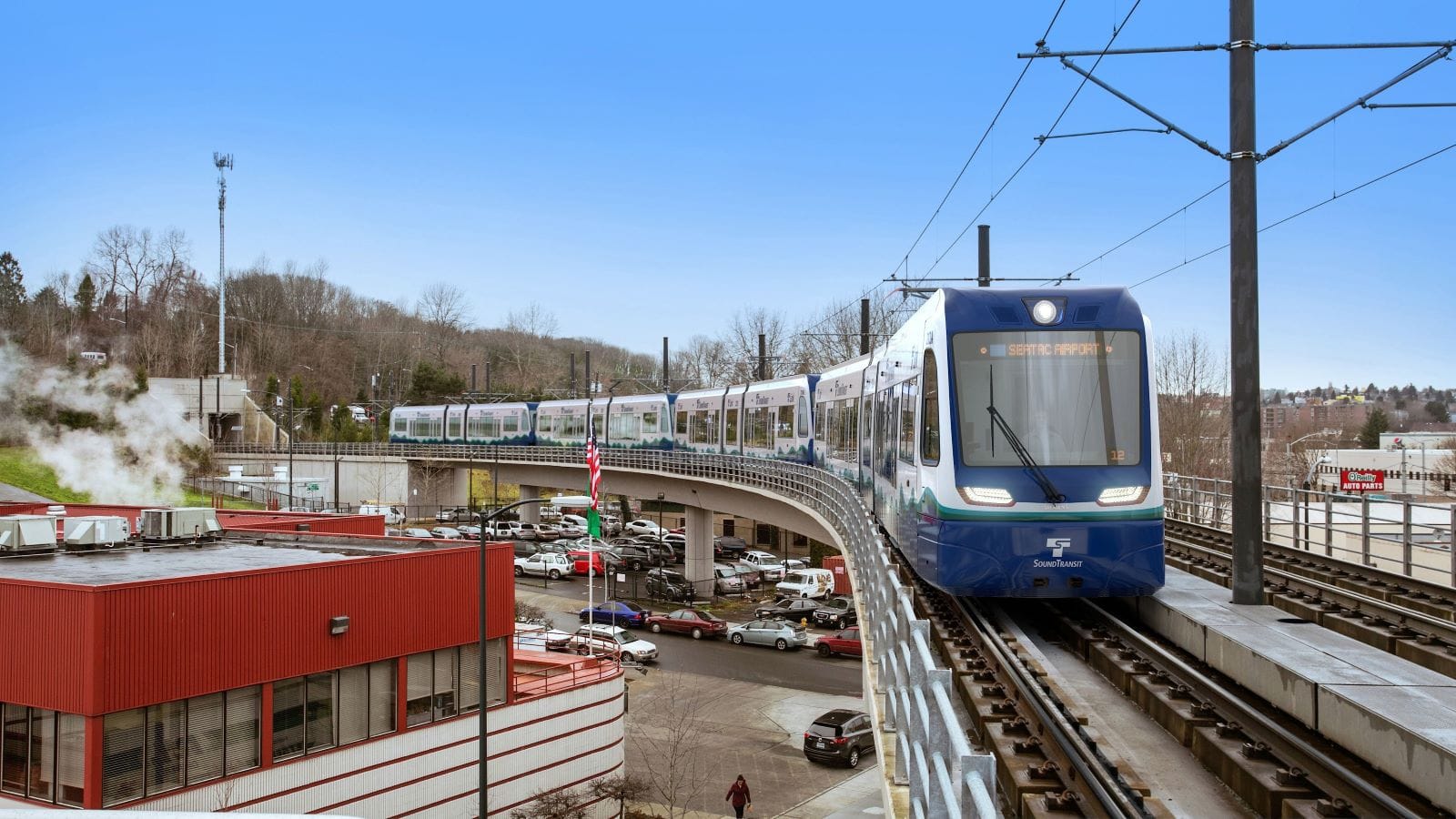
Sound Transit will purchase 10 more Link cars set to be put into service by early 2028. The agency’s governing board recently approved a contract modification with Siemens Mobility, a German-based multinational train manufacturer, clearing the way for the procurement.
The extra Link cars are being purchased to meet operational needs and projected ridership demand once the Federal Way Link Extension opens in 2026. Sound Transit anticipates a major shortage of vehicles needed to operate four-car trains without the ten additional light rail vehicles (LRVs), which could contribute to overcrowding and leaving riders at platforms during peak hours. Even with the extra vehicles, Sound Transit is likely to run into operational issues as it seeks to stretch its network to Lynnwood, Redmond, and Federal Way, stretching its service capacity in the process.
The contract modification adds to an existing purchase order for 152 LRVs, bringing the total to 162 LRVs. It also includes an option to order an additional six LRVs. All of those vehicles are of the Link Series 2 variety, which consist of the Siemens’ S700 low-floor tram models that first entered service in 2021 on the 1 Line. The initial 152 Series 2 LRVs are supposed to be fully delivered and put into service by the end of 2026, which is about two-and-a-half years behind schedule.
Sound Transit will pay Siemens $66 million for the ten additional LRVs and $10 million for spare parts (e.g., break components, bogies, and communication systems) with another $2 million set aside as contingency funding for any unforeseen costs. Funding for the procurement is coming from the Link Series 3 LRV program, essentially accelerating delivery of vehicles that would have been purchased in that series procurement by four years.
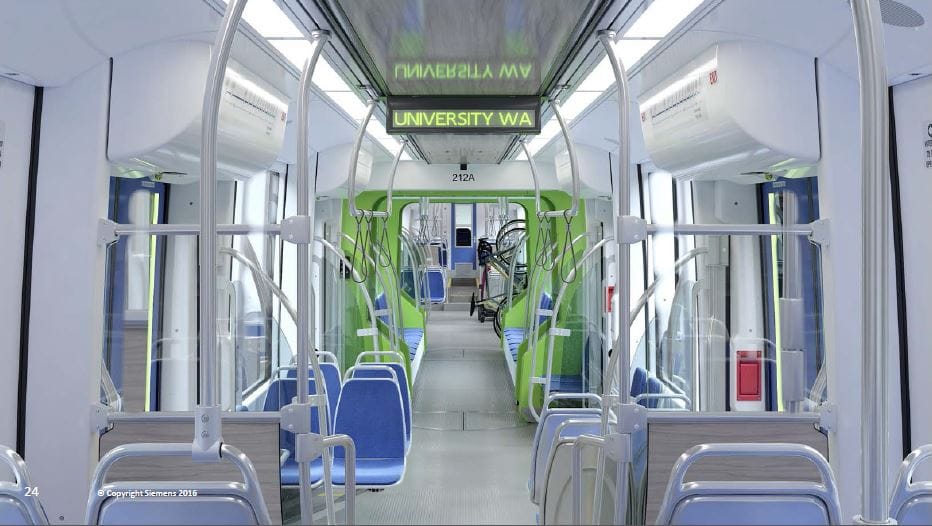
The Series 3 LRV procurement program is still early in the process as the agency works through development of specification criteria for a new generation of vehicles. Sound Transit will eventually issue an open bid process for manufacturers across the industry to participate in. That’s expected to happen sometime in 2025, with the winning bidder adding another 236 LRVs to the fleet. The first Series 3 LRVs should start entering service in 2032.
Whether or not Siemens will win the contract for the next Link series is far too early to say. Kinkisharyo, a Japanese-based train manufacturer that has a manufacturing presence in the United States, produced the first Link series and may well put their name in the hat again.
Pro-Palestine activists had hoped to derail the Siemens contract as a form of boycott of the manufacturer. That’s because local members of groups like the Palestinian Youth Movement, ANSWER, and Party for Socialism and Liberation believe that Siemens is aiding and abetting Israel, which is under fire for its war in Gaza. Those groups seek a ceasefire in Gaza and for Israel to dismantle illegal settlements in Palestinian territory.
Siemens Mobility is a small division in the larger Siemens corporation and itself has no relationship to the war and occupation, but there are other company divisions that provide services to the Israeli Defense Forces and electricity equipment to Israel.