On Thursday, the Sound Transit Board of Directors approved a suite of agreements related to affordable housing on sites owned by the transit agency in Seattle. The board signed off on three agreements that could pave the way for development of three separate affordable housing projects by local non-profit developers totaling more than 630 dwelling units. One of the three developments could even include a transit-oriented highrise–something that many urbanists have repeatedly campaigned for around station areas.
Another agreement could result in an intricate land swap with Seattle Central College at the Capitol Hill Station Site. The sole boardmember that voiced opposition to any of the affordable housing agreements was Pierce County Executive Bruce Dammeier.
Central Roosevelt Station Site Negotiations
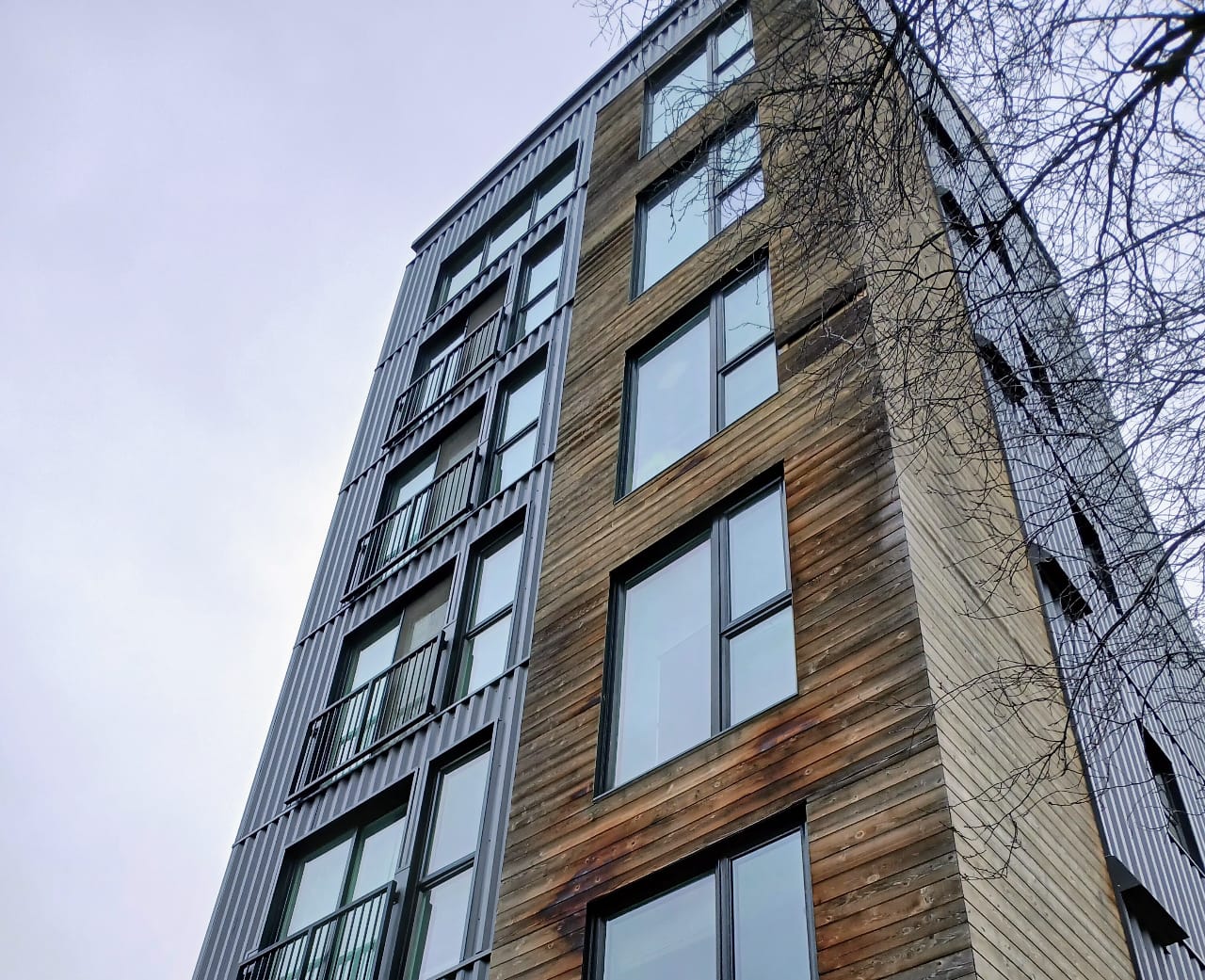
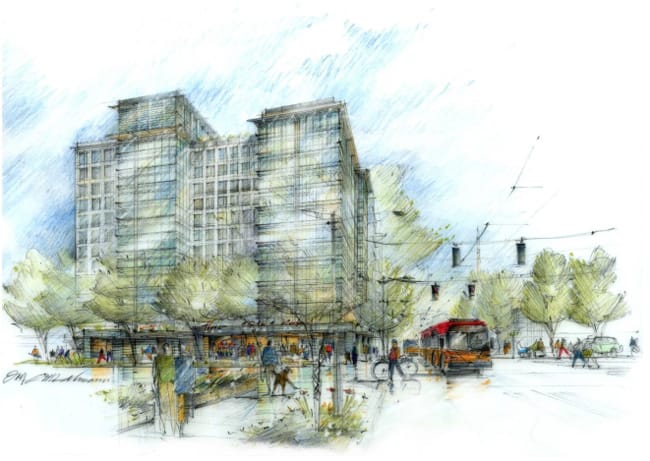
The Board of Directors directed staff to begin the process of negotiating agreements with non-profit developers Bellwether Housing and Mercy Housing Northwest to develop affordable housing on the central Roosevelt Station site. The site is intended to be mixed-used in nature, but residential will be the predominate use. The preliminary project concept would include 245 dwelling units and a mix of retail, daycare, and community space. The development would also need to provide public space where the community can gather, a mid-block through connection for pedestrians, and a high quality design that responds to the active pedestrian-oriented nature of the site and station. Bellwether and Mercy would be expected to pay Sound Transit $6.75 million, a significantly discounted price.
All 245 dwelling units would be set aside as long-term affordable housing. 40% of the dwelling units would be rented to households making between 30% and 50% of the area median income. The remainder of the units would be rented to households making at or below 60% of the area median income. On top of that, 42% of the dwelling units would be designed for families with two and three bedrooms.