In 2023 the stakes are the highest they have ever been. Wildfires and sea level rise have put the climate crisis in stark context. The Quinault Tribe is relocating their ancestral village away from rising tides. Entire towns are at risk of being wiped out from wildfires. Unequal access to clean air and water remains a crisis for many Washingtonians.
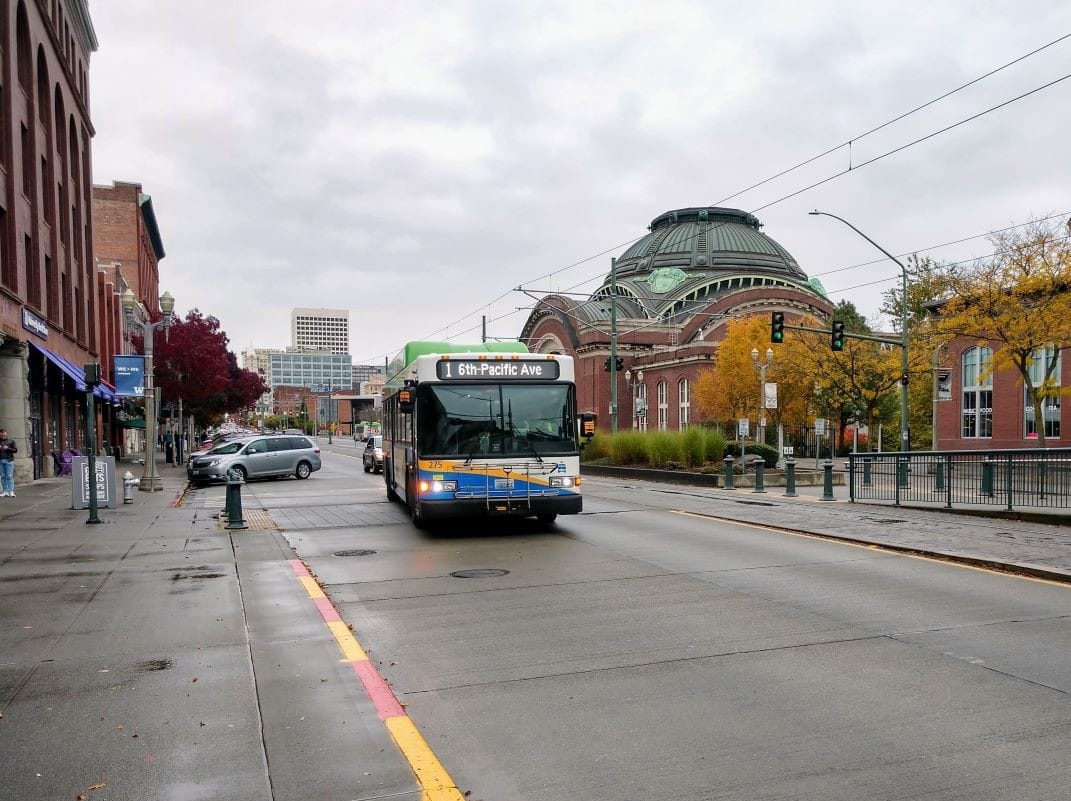
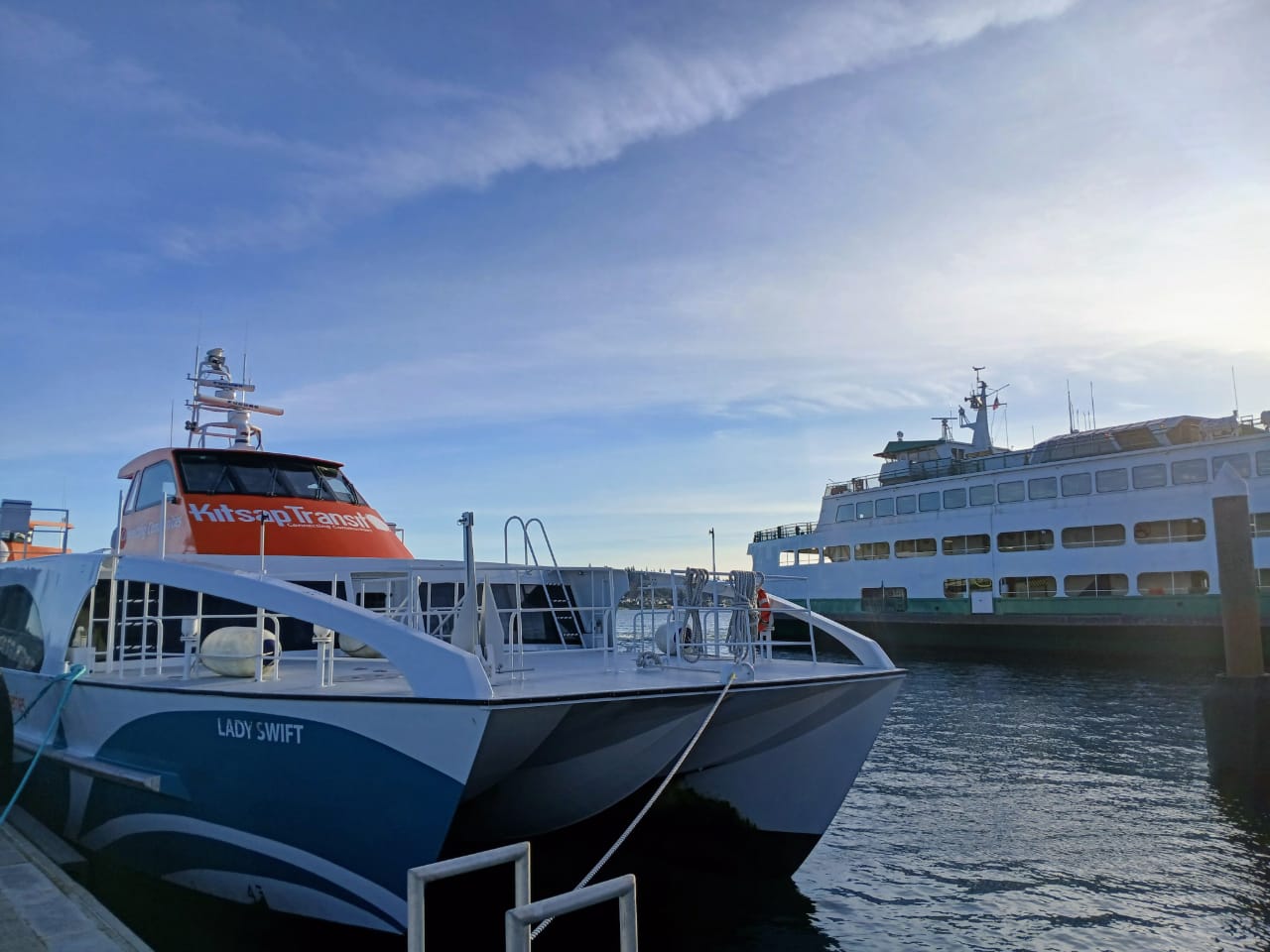
Transportation is the largest single sector contributing to carbon emissions that warm our planet. Washington state has taken large strides toward vehicle electrification; yet full conversion of our vehicle fleet to EVs will take decades. In the meantime, Washington has also passed historic investments in transportation alternatives, from expanding access to light rail and bus rapid transit, to investing in walking and biking infrastructure.
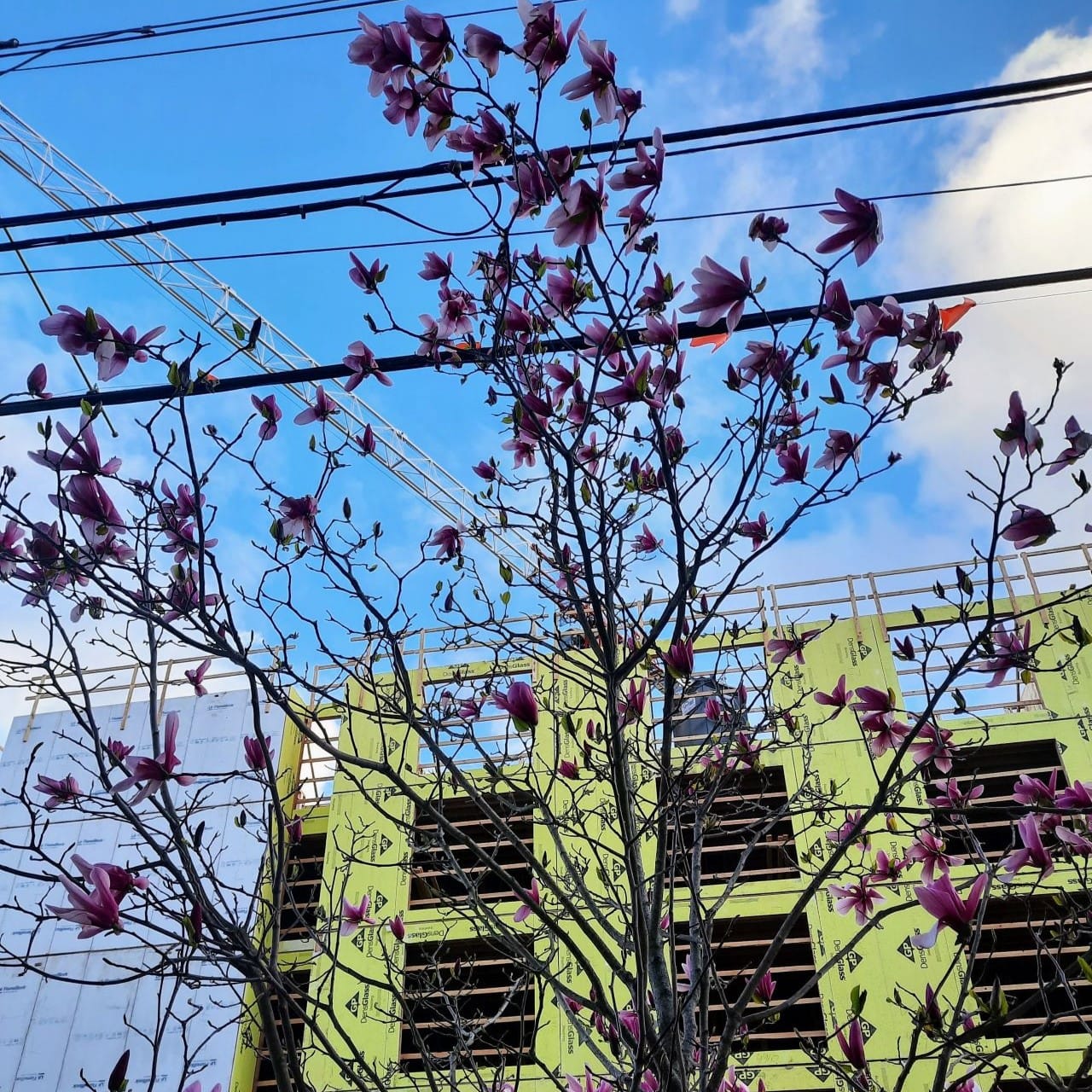
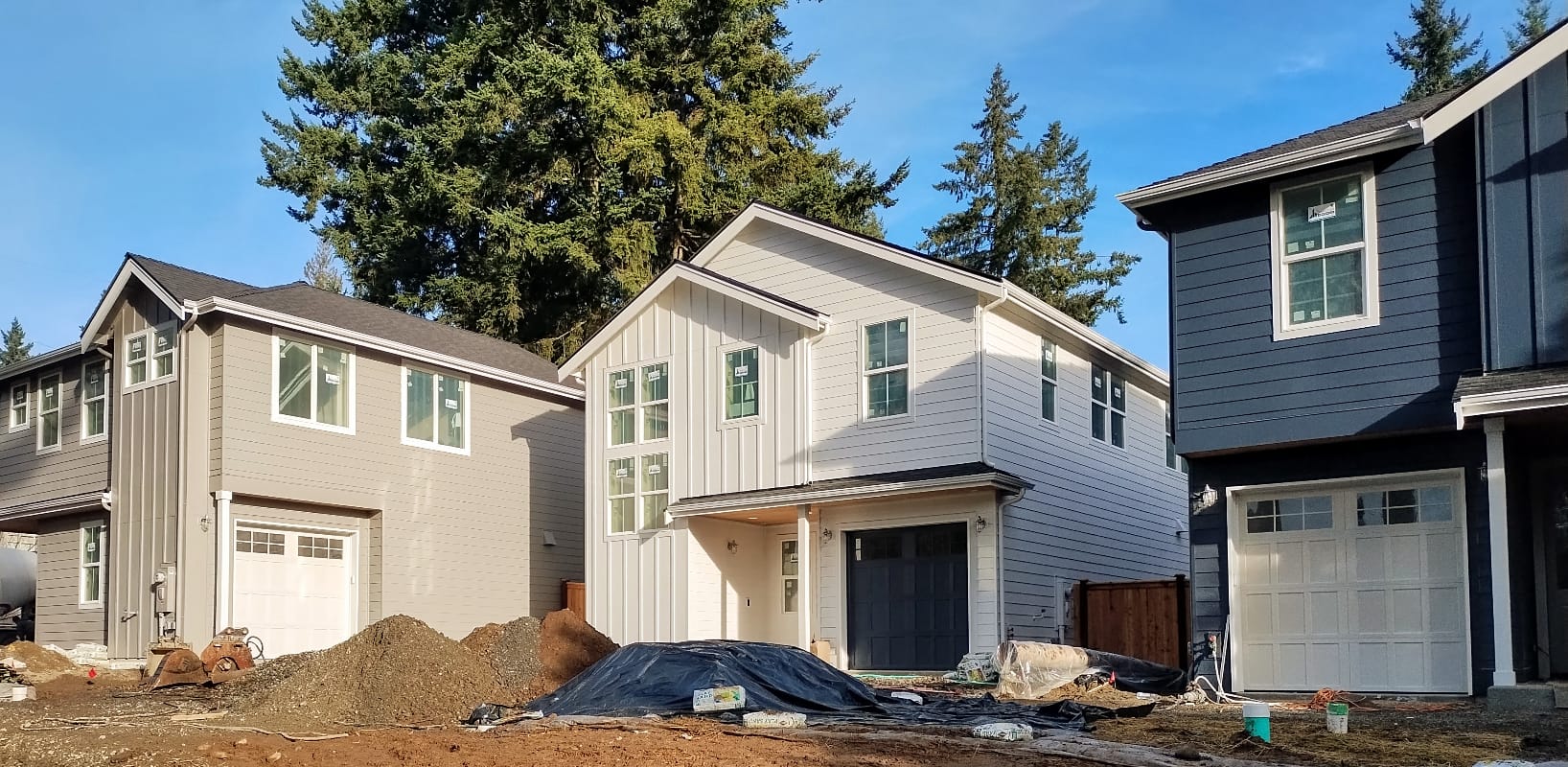
At the same time that our state is facing the climate crisis and investing in transportation alternatives, we are also facing a housing crisis that puts families at risk of losing their homes. Our state needs to build one million more homes in the next 20 years to meet the needs of our current and future neighbors.
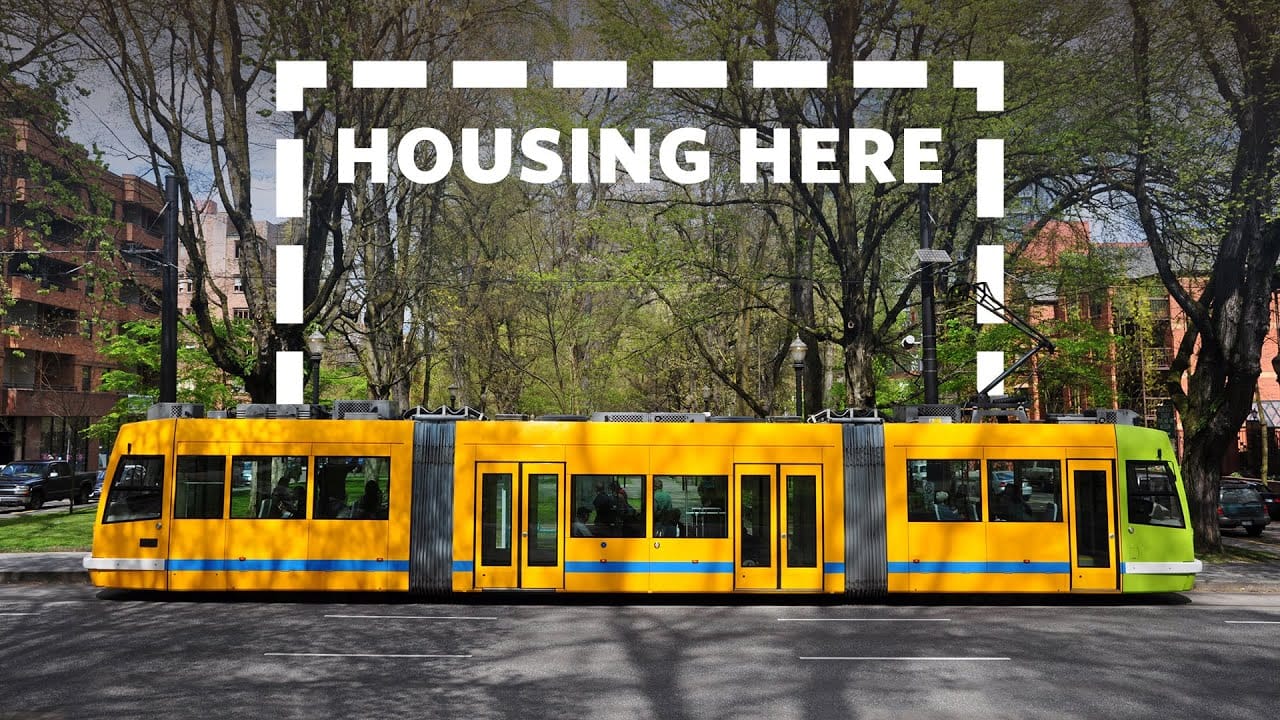
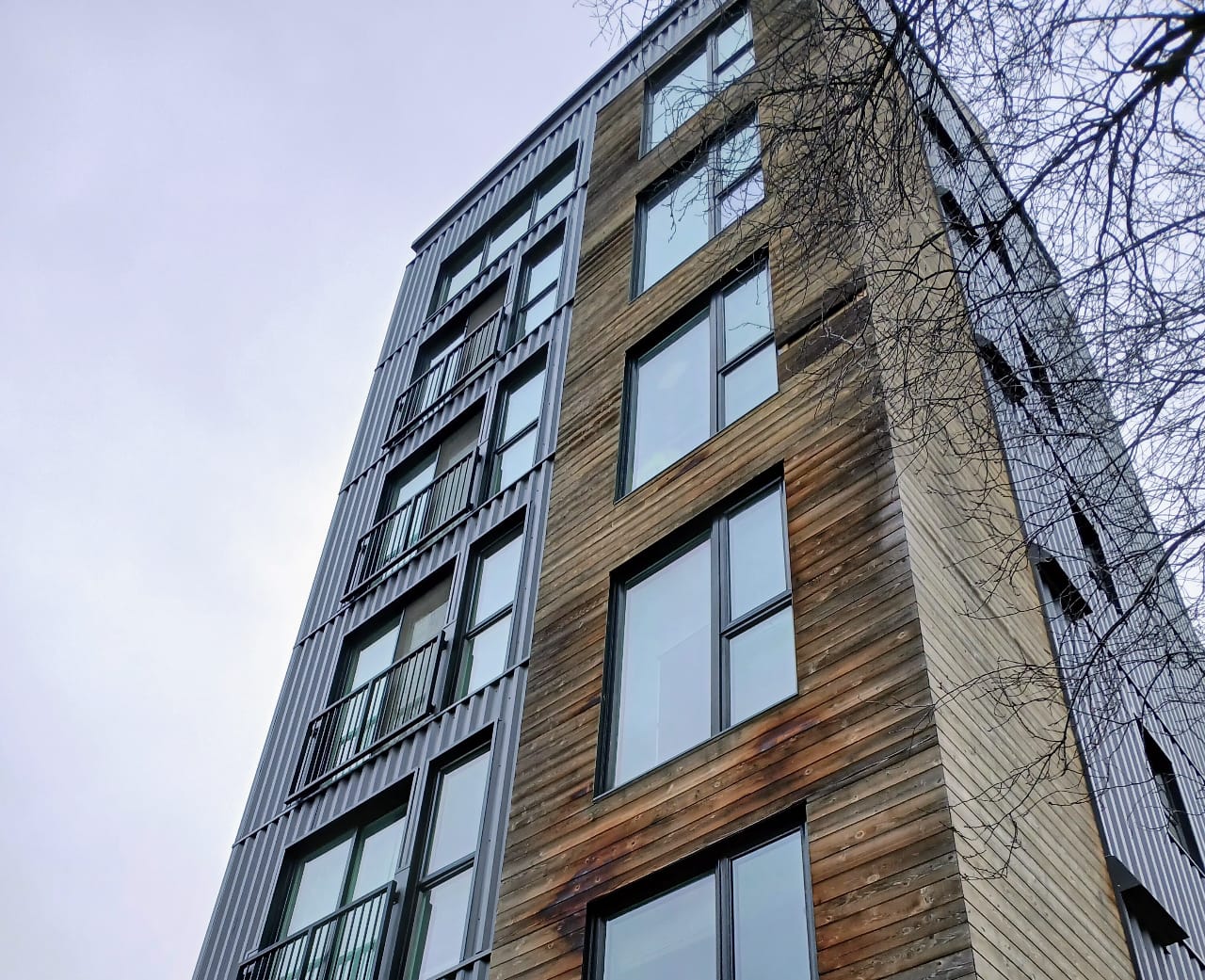
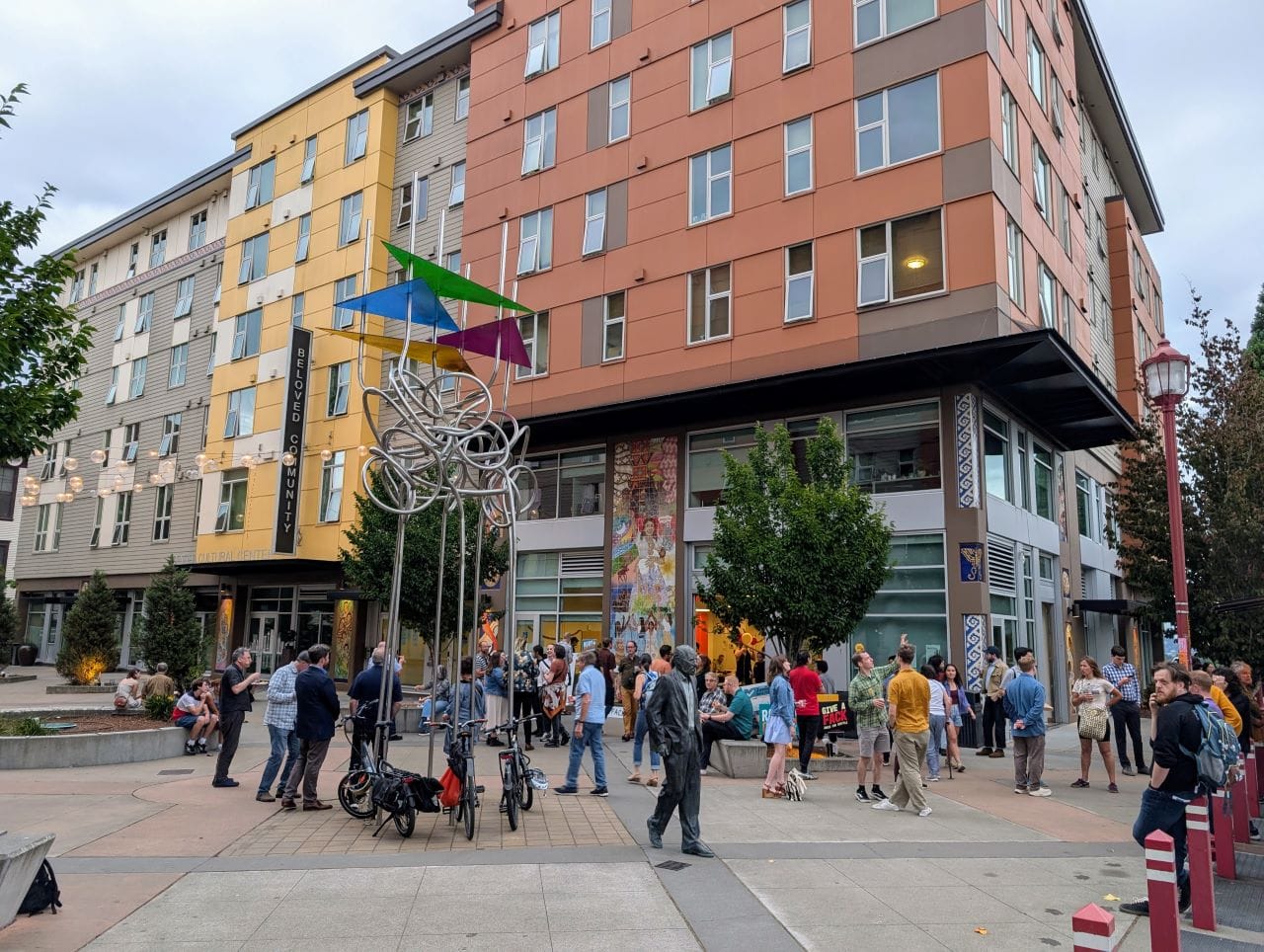
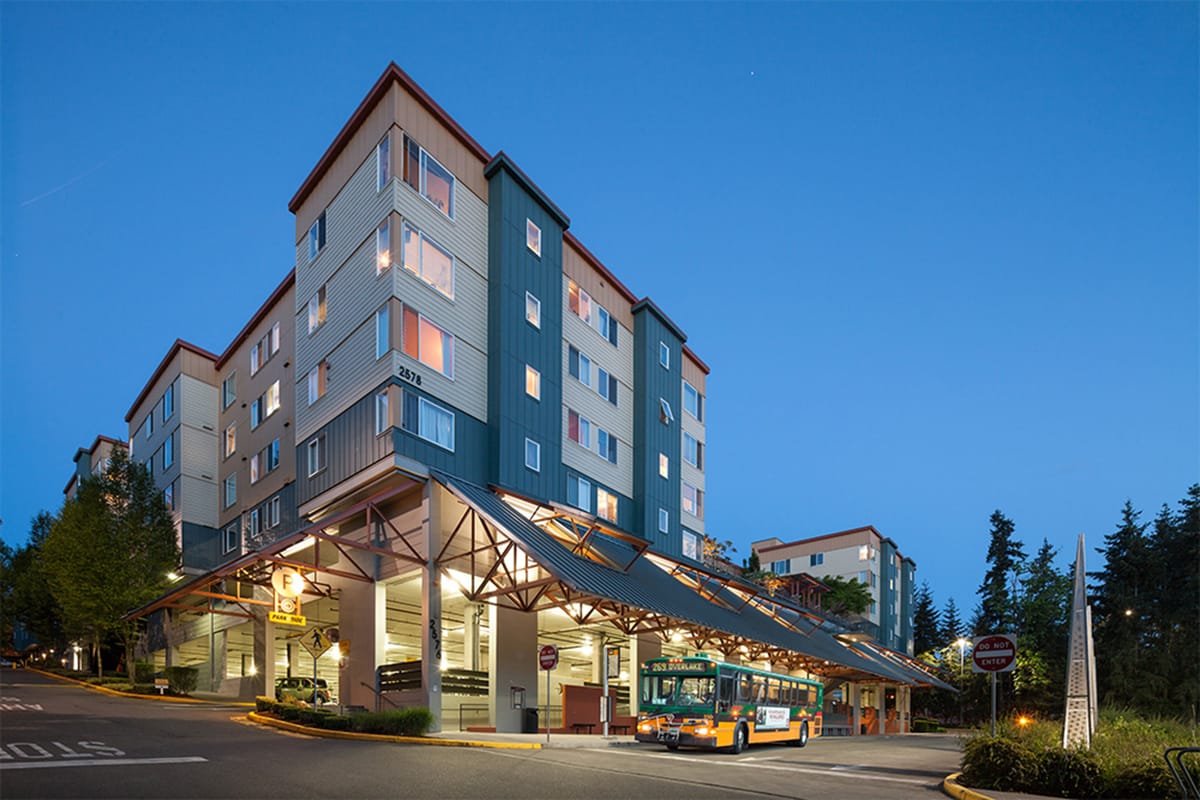
We have a tremendous opportunity in the coming years to ensure that families at all income levels have the opportunity to live in connected, transit-oriented communities by passing state legislation that promotes transit-oriented development (TOD). In order to meet our climate and housing affordability goals, such legislation needs to prioritize equity and affordability, while preserving flexibility for local communities to self-determine how TOD can best serve their needs.
From a climate perspective, time is of the essence. We must prioritize building as much housing as possible as quickly as possible in areas where people don’t need a private vehicle to get around. That means requiring upzones near transit like light rail, commuter rail, and bus rapid transit, and removing barriers to construction like parking minimums or onerous design standards. State legislation should prioritize rapid implementation of TOD while providing limited options to exclude critical areas, areas at risk of adverse climate impacts, and areas at risk of displacement from upzones.
From a housing perspective, new upzones must come with standards for housing affordability that ensure that people at all income levels benefit from access to transit. The state should set minimum standards for housing affordability and offer local jurisdictions flexibility in how to meet those standards. How cities meet their affordability standards will look different across the state: What works for Seattle or Bellevue may not make sense in Yakima or Spokane. What’s most important is that we have a state framework to ensure that no matter where you live, you’ll see more affordable housing options near transit in your community.
Finally, from an equity perspective, state law should provide a framework and funding for community-led equitable development. Housing affordability is just one piece of the equity puzzle for TOD: Affordable commercial space or childcare facilities are just two examples of other elements of equitable, community-led transit-oriented development. The state has an important role to play in funding processes to determine how TOD can best benefit local neighborhoods, especially communities of color and low-income communities that are most at risk of displacement and gentrification.
Passing such legislation will require a broad coalition of individuals and organizations across Washington state. Futurewise has launched the Connecting Communities campaign to lead this effort and we need you to join us! Together with supporters like you and coalition partners from across the state, we’re advocating for a TOD agenda that puts equity and affordability first. You can volunteer with our campaign by signing up here. And if you are part of an organization that would like to join our coalition, add your name to our sign on letter here.