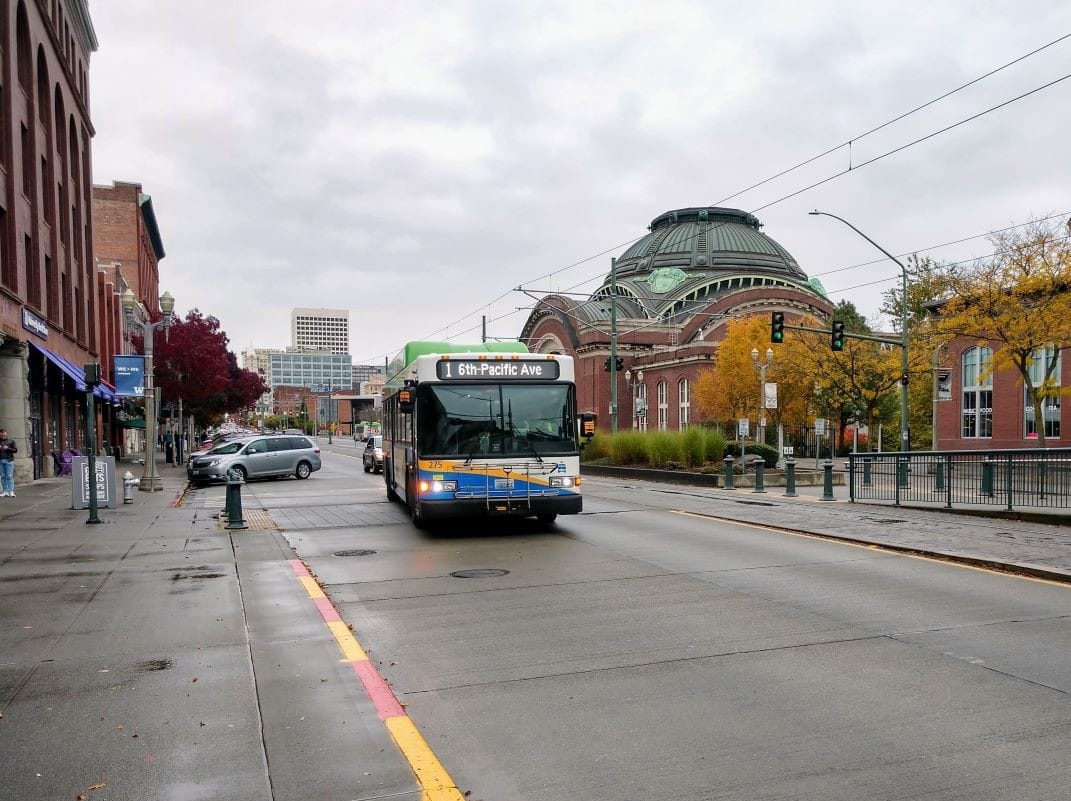
Since the boom of a handful of metro systems in the early 1900s, major cities in the United States have generally eschewed construction of new ones as cities across the country grew, unlike global counterparts. Dave Amos explores the issue, highlighting some unique exceptions and the move toward light rail systems instead. Density seems a key culprit for the dearth of metro systems, given the broad distribution of very low population densities of major metropolitan areas throughout the country.

Previous Article