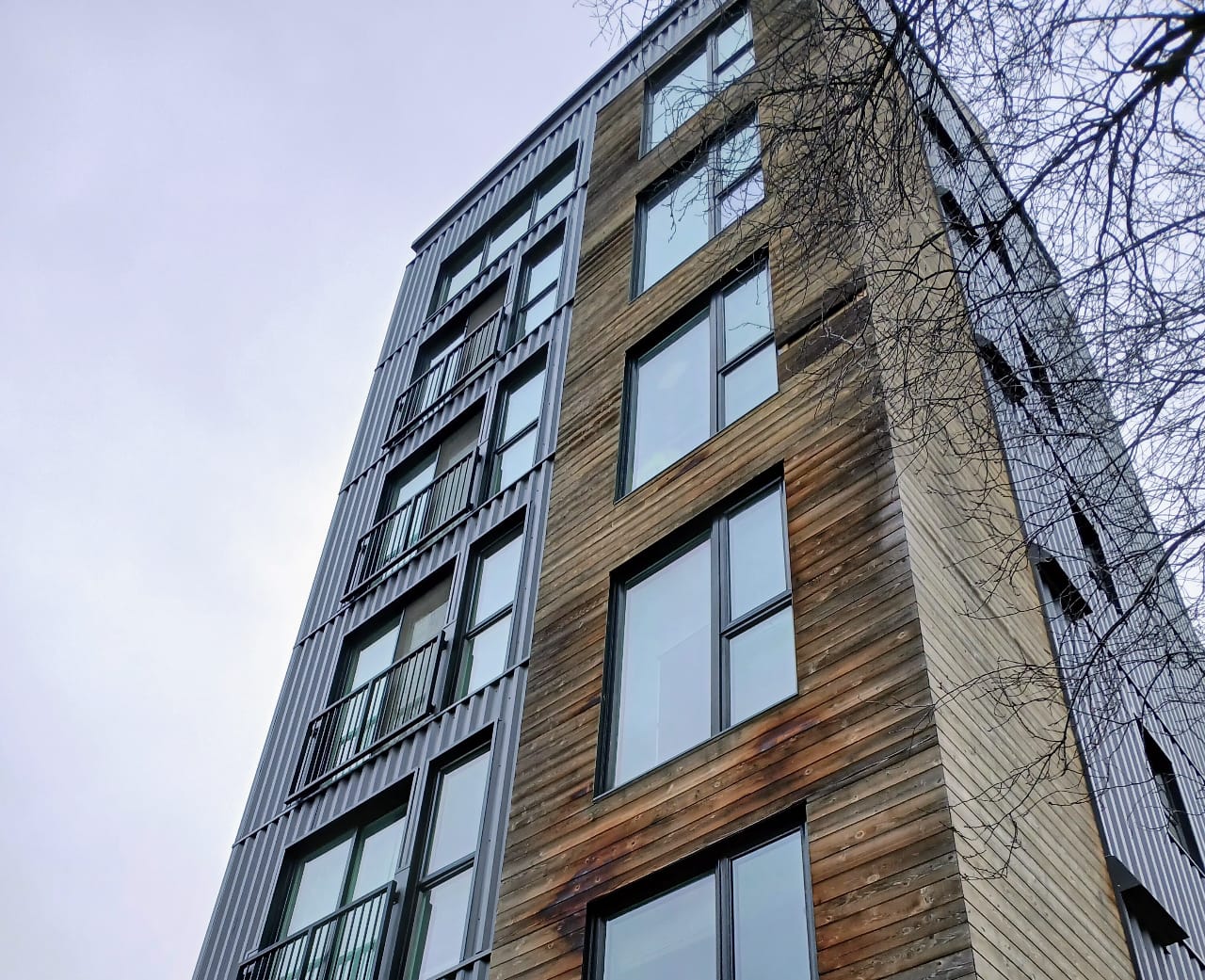
In recent years, cities in the Northwest have responded affirmatively to calls to make housing more available and attainable through zoning reform. Portland, Oregon, adopted wide reforms in August 2020 that are meant to promote infill by making it easier to build “middle housing,” a category that includes smaller and more affordable dwellings, as well as many types of housing that exist extra-legally–accessory dwelling units (ADUs), for example. Just this month, Sacramento joined the party.
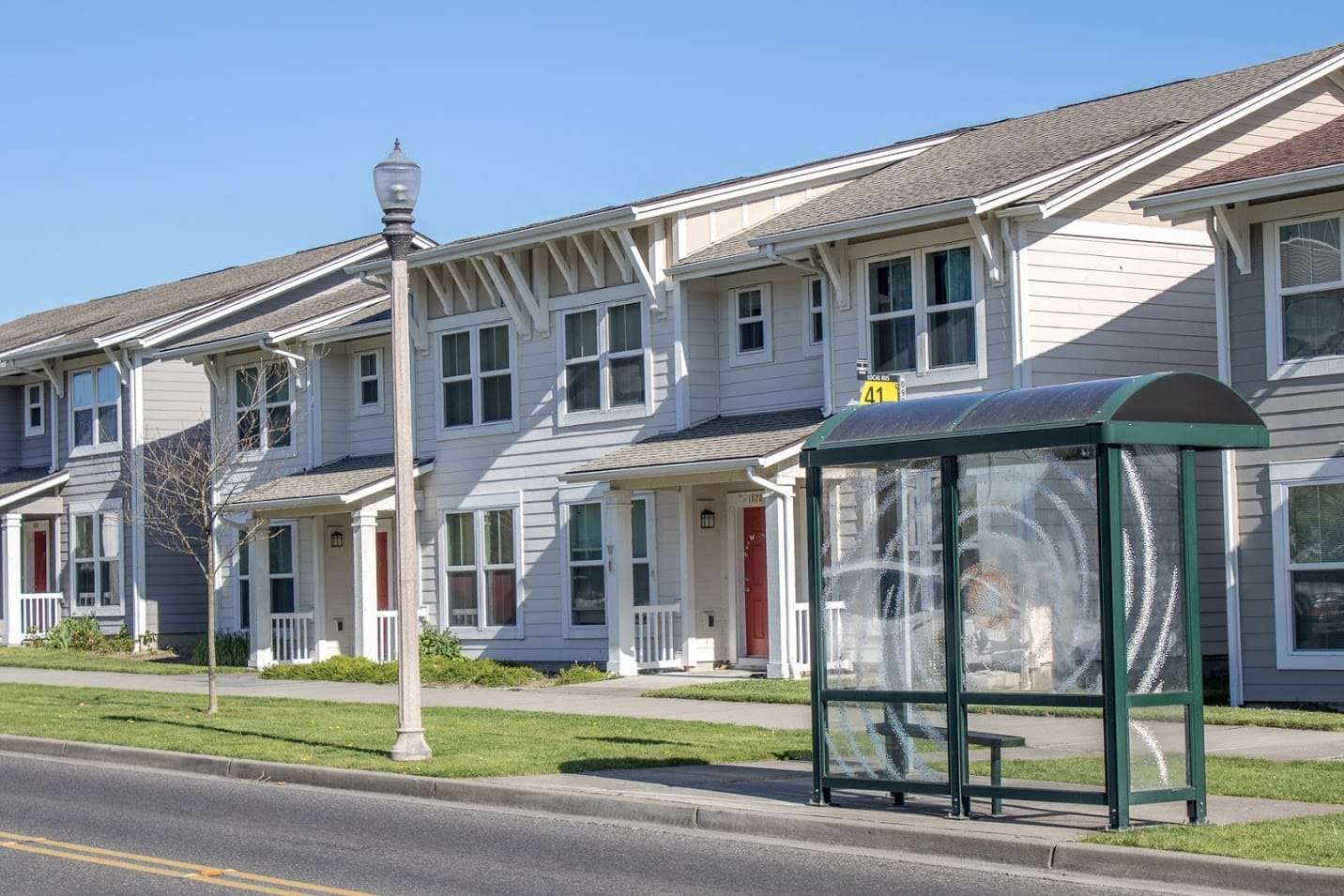
Middle housing also addresses disparities in mobility afflicting many people who live and/or work in cities because that middle housing is built nearer jobs and other city amenities, making it so that residents have options beyond driving to get to work, school, restaurants, and retail. Like most Puget Sound cities, Tacoma reserves 75% of its residential land for single-family homes, which means middle housing really is mostly missing.
The Olympia City Council passed its own reforms in late 2020, centering the role of middle housing in creating greater access and affordability for housing in the city. Other cities in the region have taken up zoning reform that begin to address pernicious housing inequity and injustice in the region, including Everett, Burien, Bremerton, Kirkland, and Kenmore.
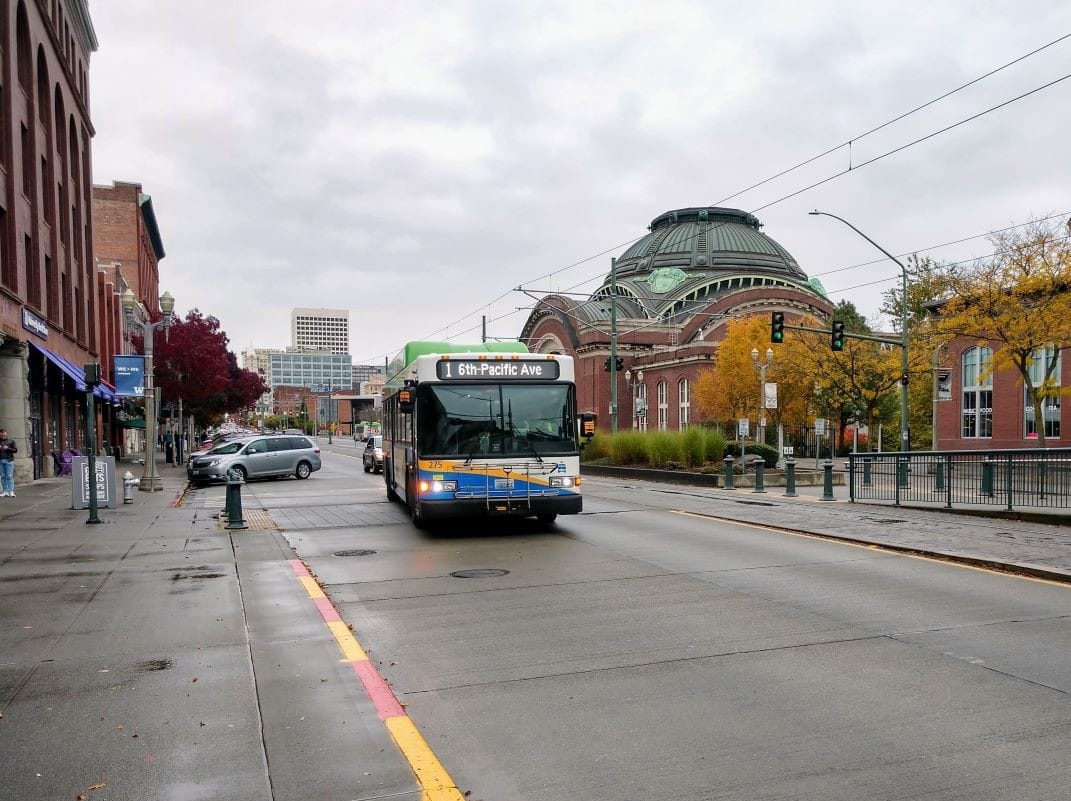
Tacoma is poised to follow up on the easing of restrictions previously put on ADUs that passed in 2019 through its “Home in Tacoma” project, which proposes changes to the city’s growth strategy through, in large part, the adoption of middle housing. The project seeks to create more housing for more people along more of the city’s transit corridors, many of which still serve areas of the city zoned for single-family homes.